Buckley Croí E, O'Brien Rebecca M, Nugent Timothy S, Donlon Noel E, O'Connell Fiona, Reynolds John V, Hafeez Adnan, O'Ríordáin Diarmuid S, Hannon Robert A, Neary Paul, Kalbassi Reza, Mehigan Brian J, McCormick Paul H, Dunne Cara, Kelly Michael E, Larkin John O, O'Sullivan Jacintha, Lynam-Lennon Niamh
Department of Surgery, School of Medicine, Trinity Translational Medicine Institute, Trinity College Dublin, Dublin, Ireland.
Trinity St. James's Cancer Institute, St. James's Hospital, Trinity College Dublin, Dublin, Ireland.
Front Oncol. 2023 Aug 3;13:1216911. doi: 10.3389/fonc.2023.1216911. eCollection 2023.
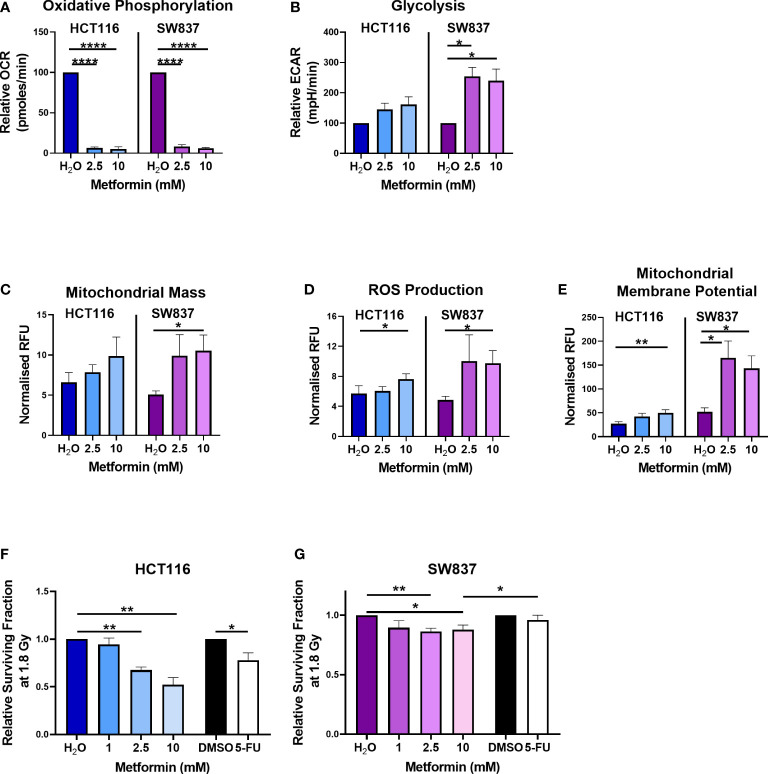
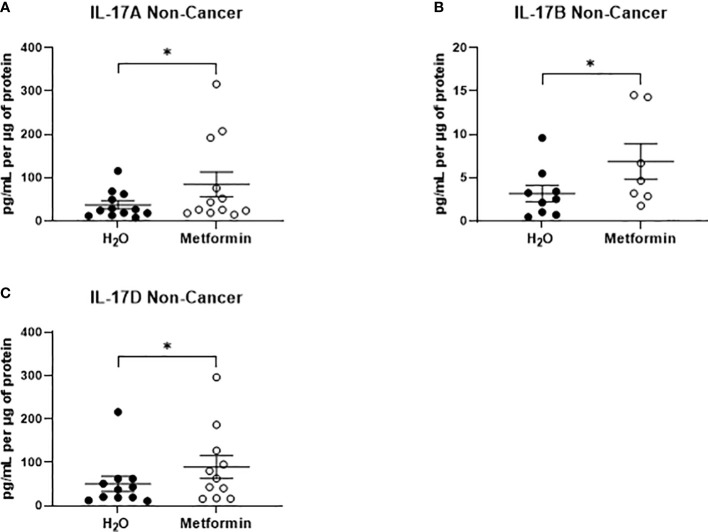
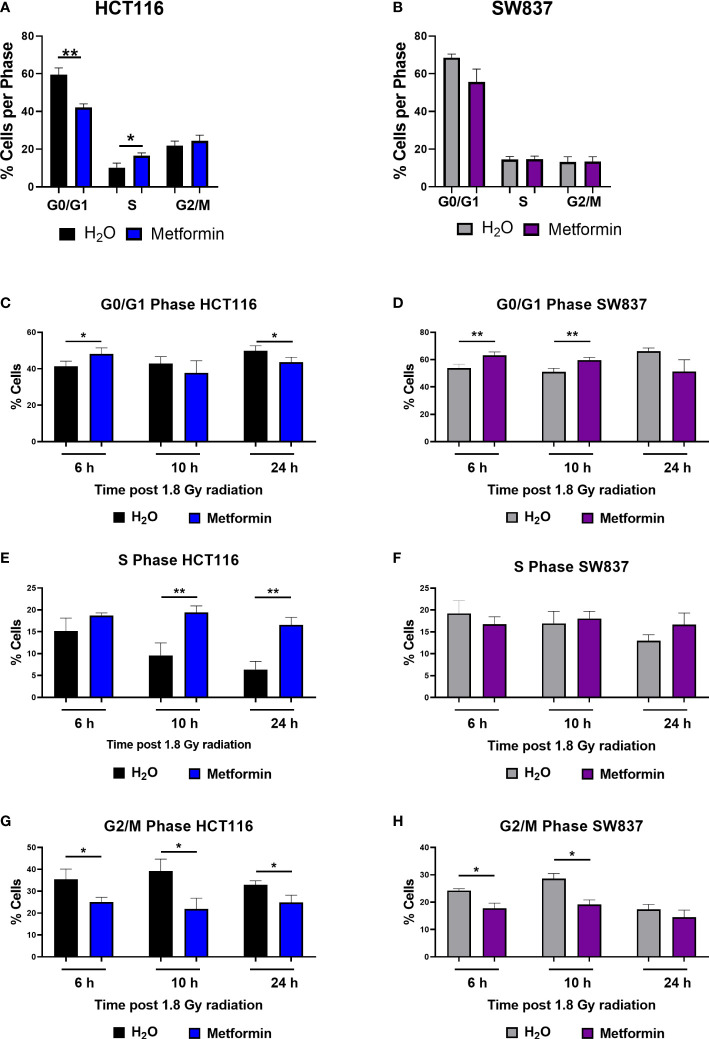
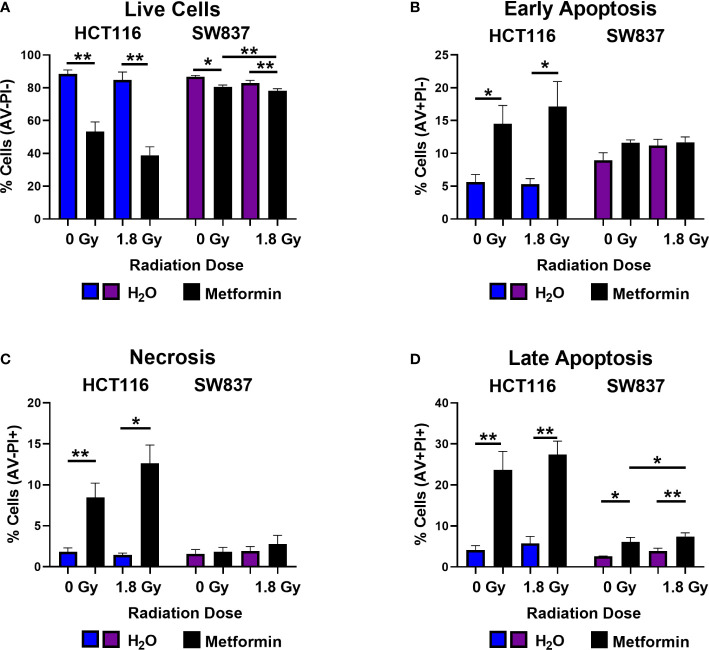
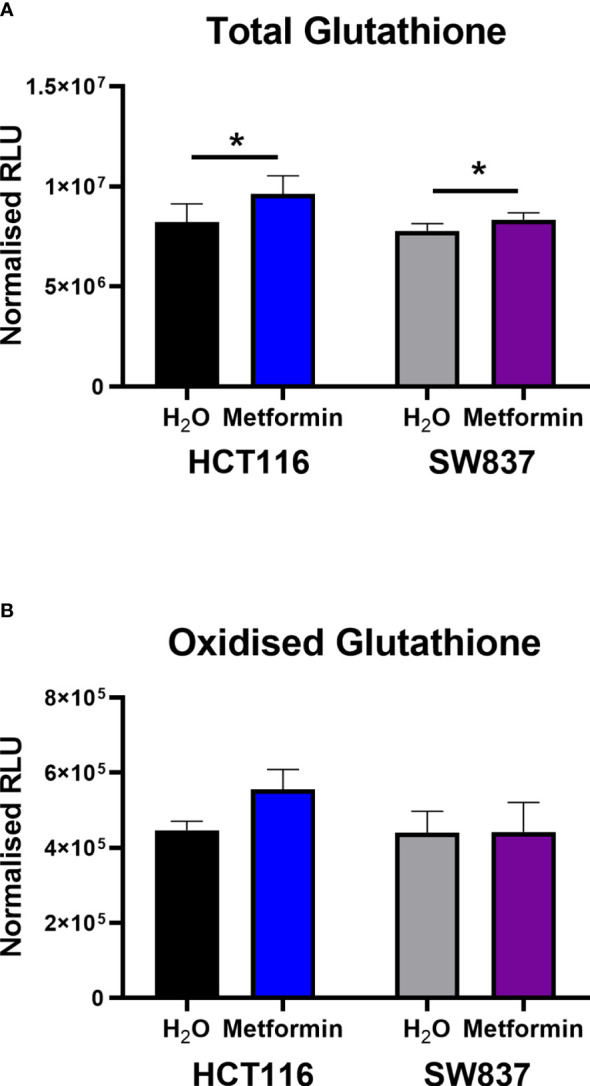
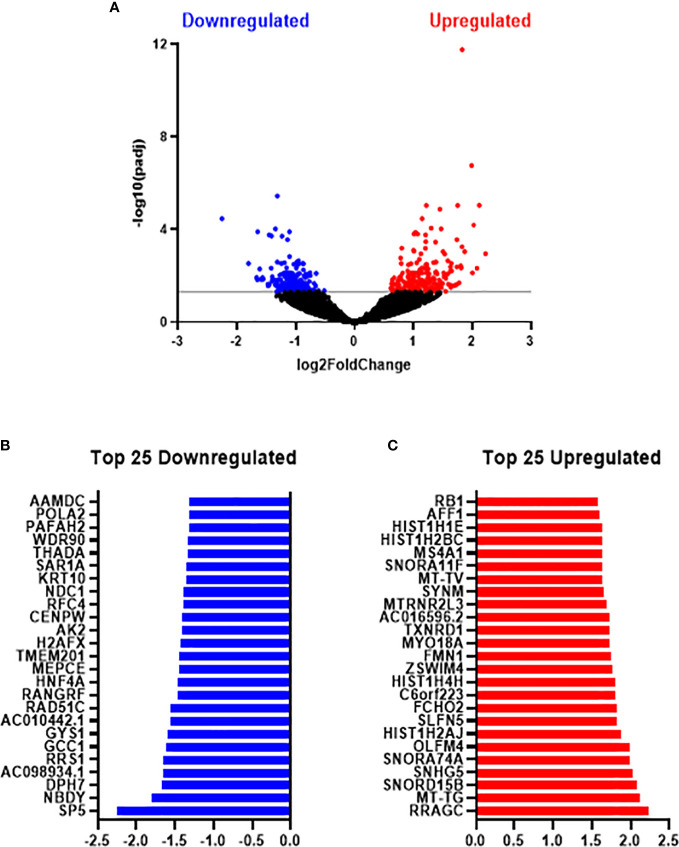
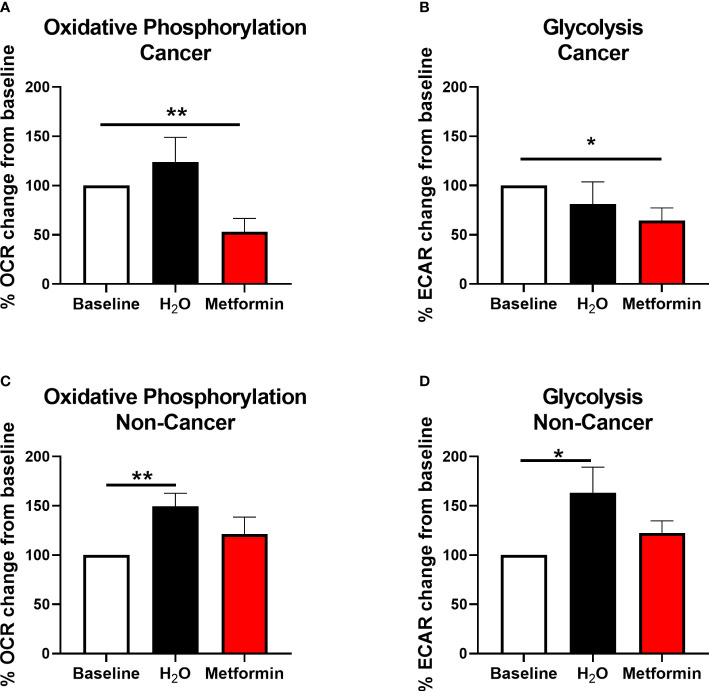
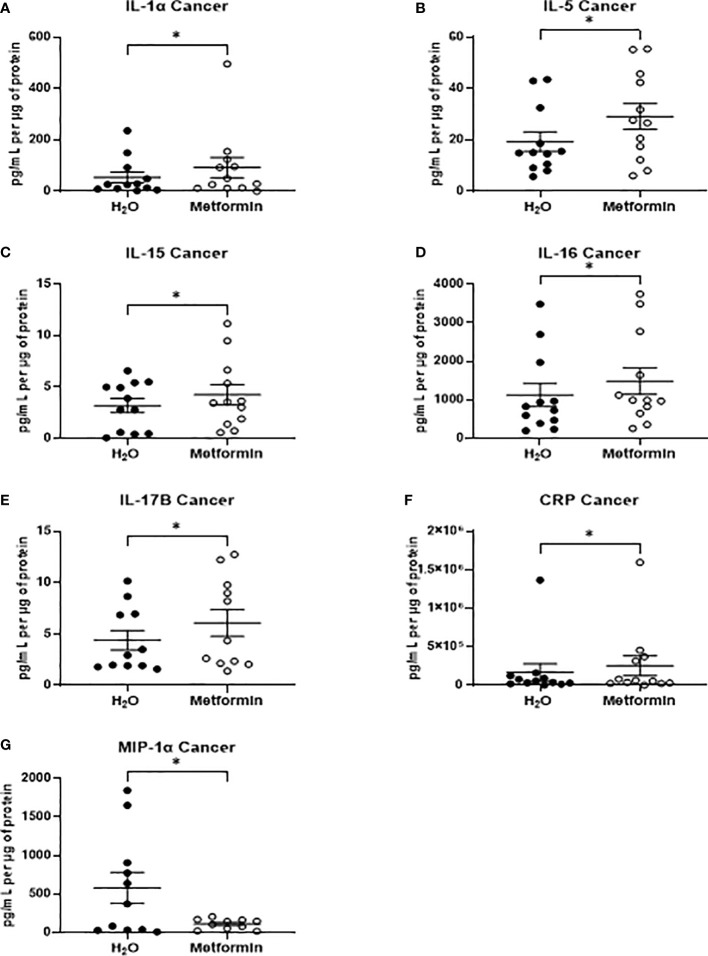
Resistance to neoadjuvant chemoradiation therapy, is a major challenge in the management of rectal cancer. Increasing evidence supports a role for altered energy metabolism in the resistance of tumours to anti-cancer therapy, suggesting that targeting tumour metabolism may have potential as a novel therapeutic strategy to boost treatment response. In this study, the impact of metformin on the radiosensitivity of colorectal cancer cells, and the potential mechanisms of action of metformin-mediated radiosensitisation were investigated. Metformin treatment was demonstrated to significantly radiosensitise both radiosensitive and radioresistant colorectal cancer cells . Transcriptomic and functional analysis demonstrated metformin-mediated alterations to energy metabolism, mitochondrial function, cell cycle distribution and progression, cell death and antioxidant levels in colorectal cancer cells. Using models, metformin treatment significantly inhibited oxidative phosphorylation and glycolysis in treatment naïve rectal cancer biopsies, without affecting the real-time metabolic profile of non-cancer rectal tissue. Importantly, metformin treatment differentially altered the protein secretome of rectal cancer tissue when compared to non-cancer rectal tissue. Together these data highlight the potential utility of metformin as an anti-metabolic radiosensitiser in rectal cancer.
对新辅助放化疗的耐药是直肠癌治疗中的一项重大挑战。越来越多的证据支持能量代谢改变在肿瘤对抗癌治疗的耐药中起作用,这表明靶向肿瘤代谢可能作为一种提高治疗反应的新型治疗策略具有潜力。在本研究中,研究了二甲双胍对大肠癌细胞放射敏感性的影响以及二甲双胍介导放射增敏的潜在作用机制。已证明二甲双胍治疗可使放射敏感和放射抗性的大肠癌细胞均显著增敏。转录组学和功能分析表明二甲双胍介导了大肠癌细胞能量代谢、线粒体功能、细胞周期分布与进程、细胞死亡及抗氧化水平的改变。使用模型,二甲双胍治疗显著抑制了未经治疗的直肠癌活检组织中的氧化磷酸化和糖酵解,而不影响非癌直肠组织的实时代谢概况。重要的是,与非癌直肠组织相比,二甲双胍治疗使直肠癌组织的蛋白质分泌组发生了不同改变。这些数据共同凸显了二甲双胍作为直肠癌抗代谢放射增敏剂的潜在效用。