Department of Microbial Infection & Immunity, The Ohio State University, Columbus, Ohio, United States of America.
Infectious Disease Institute, The Ohio State University, Columbus, Ohio, United States of America.
PLoS Pathog. 2023 Aug 21;19(8):e1011596. doi: 10.1371/journal.ppat.1011596. eCollection 2023 Aug.
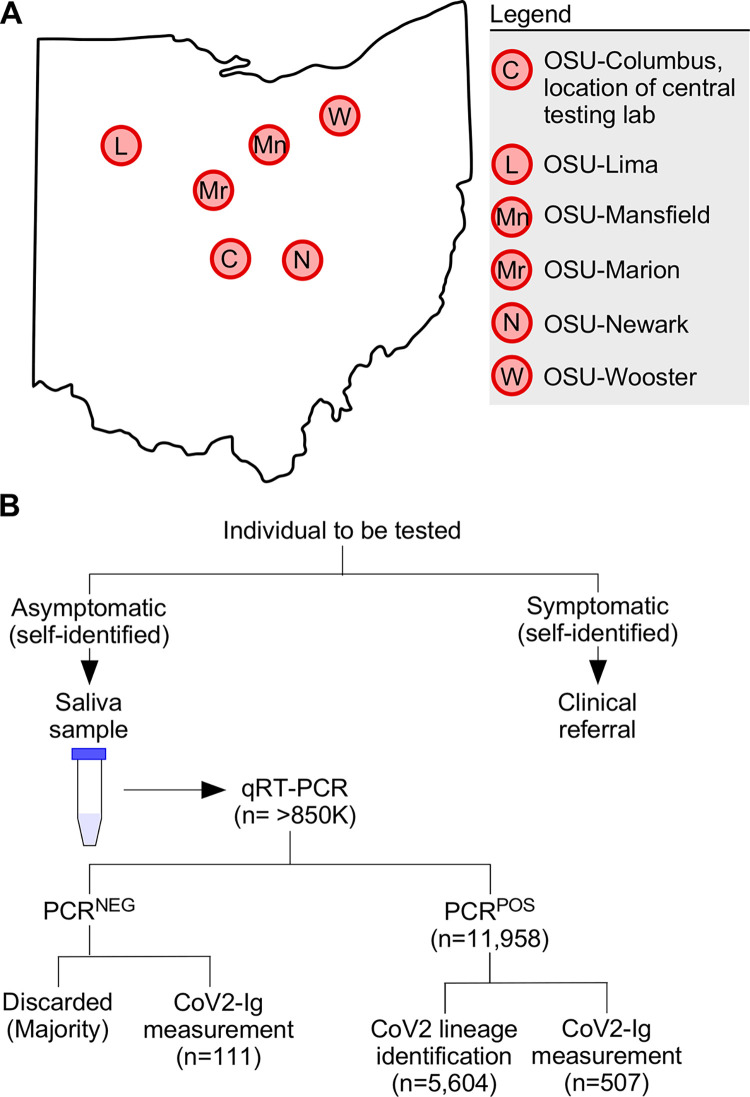
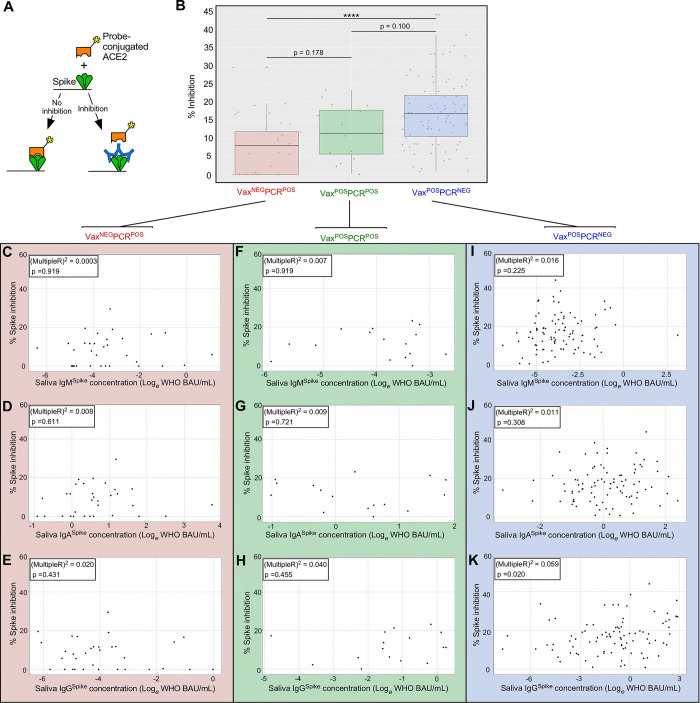
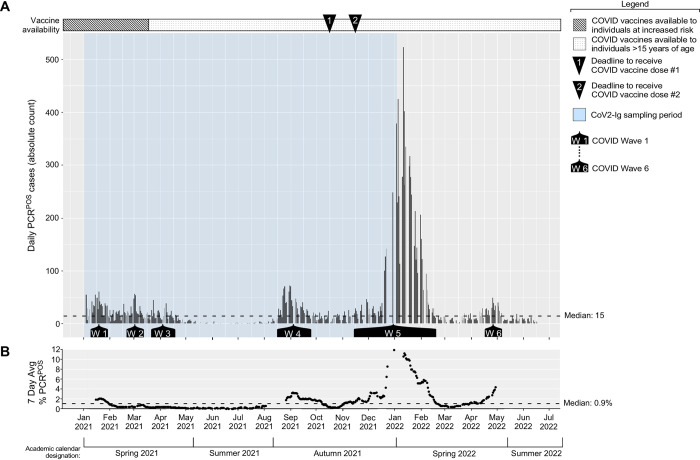
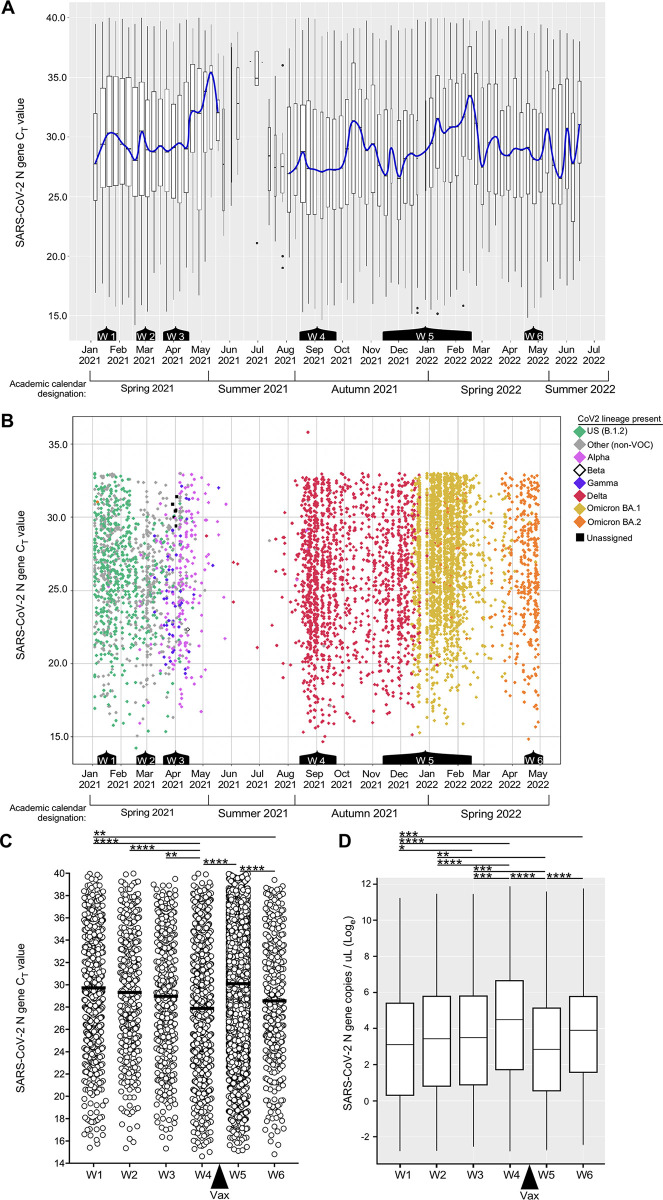
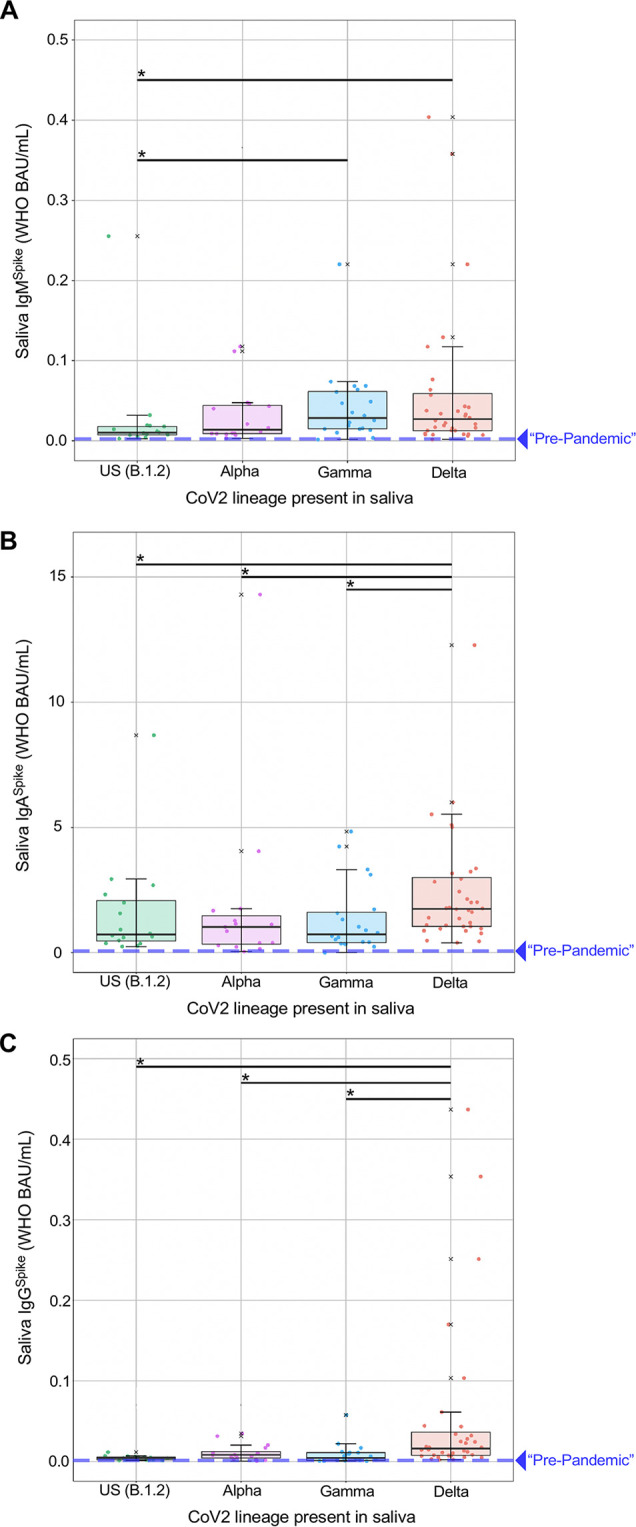
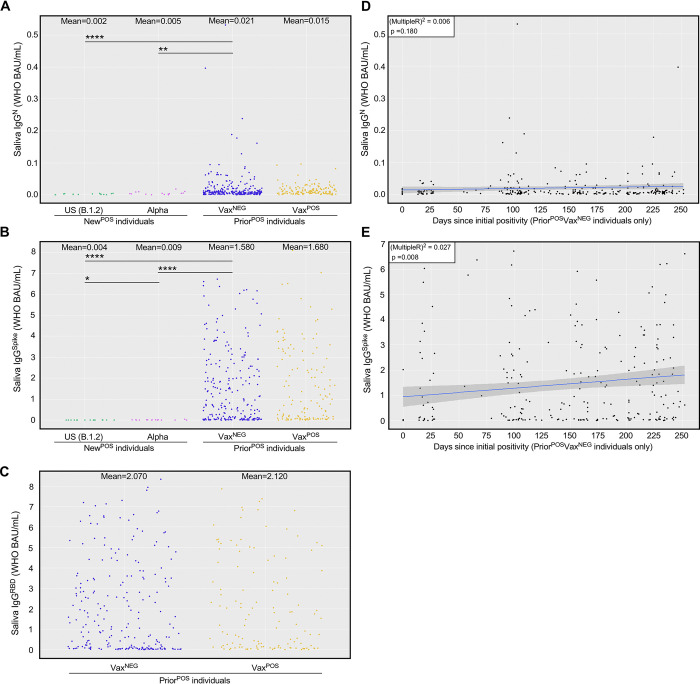
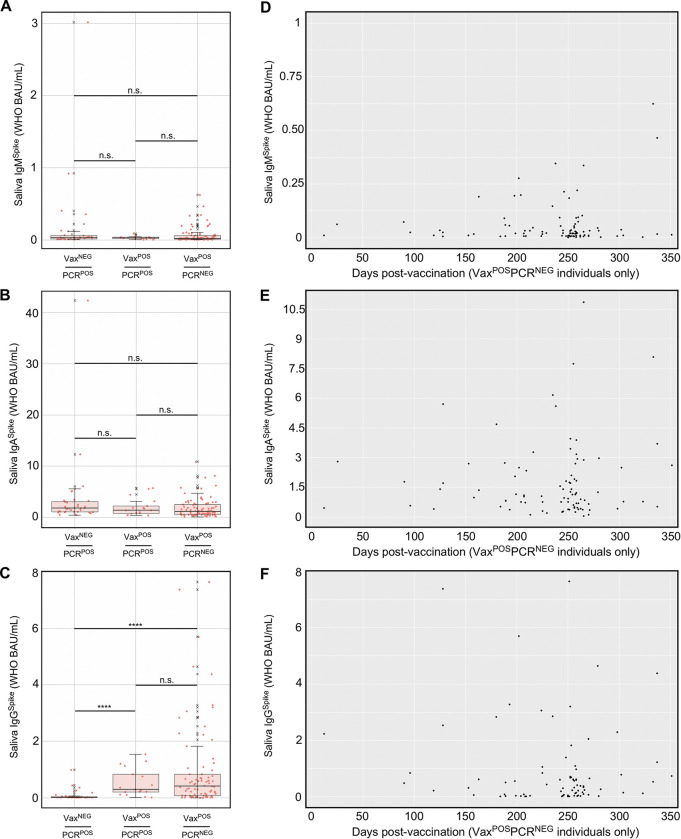
SARS-CoV-2 (CoV2) infected, asymptomatic individuals are an important contributor to COVID transmission. CoV2-specific immunoglobulin (Ig)-as generated by the immune system following infection or vaccination-has helped limit CoV2 transmission from asymptomatic individuals to susceptible populations (e.g. elderly). Here, we describe the relationships between COVID incidence and CoV2 lineage, viral load, saliva Ig levels (CoV2-specific IgM, IgA and IgG), and ACE2 binding inhibition capacity in asymptomatic individuals between January 2021 and May 2022. These data were generated as part of a large university COVID monitoring program in Ohio, United States of America, and demonstrate that COVID incidence among asymptomatic individuals occurred in waves which mirrored those in surrounding regions, with saliva CoV2 viral loads becoming progressively higher in our community until vaccine mandates were established. Among the unvaccinated, infection with each CoV2 lineage (pre-Omicron) resulted in saliva Spike-specific IgM, IgA, and IgG responses, the latter increasing significantly post-infection and being more pronounced than N-specific IgG responses. Vaccination resulted in significantly higher Spike-specific IgG levels compared to unvaccinated infected individuals, and uninfected vaccinees' saliva was more capable of inhibiting Spike function. Vaccinees with breakthrough Delta infections had Spike-specific IgG levels comparable to those of uninfected vaccinees; however, their ability to inhibit Spike binding was diminished. These data are consistent with COVID vaccines having achieved hoped-for effects in our community, including the generation of mucosal antibodies that inhibit Spike and lower community viral loads, and suggest breakthrough Delta infections were not due to an absence of vaccine-elicited Ig, but instead limited Spike binding activity in the face of high community viral loads.
SARS-CoV-2(CoV2)感染的无症状个体是 COVID 传播的重要因素。感染或接种疫苗后,由免疫系统产生的 CoV2 特异性免疫球蛋白(Ig)有助于限制无症状个体向易感人群(如老年人)传播 CoV2。在这里,我们描述了 2021 年 1 月至 2022 年 5 月期间,无症状个体中的 COVID 发病率与 CoV2 谱系、病毒载量、唾液 Ig 水平(CoV2 特异性 IgM、IgA 和 IgG)以及 ACE2 结合抑制能力之间的关系。这些数据是作为美国俄亥俄州一个大型大学 COVID 监测计划的一部分生成的,表明无症状个体中的 COVID 发病率呈波浪式发展,与周围地区的情况相吻合,随着疫苗接种要求的建立,我们社区的唾液 CoV2 病毒载量逐渐升高。在未接种疫苗的个体中,感染每种 CoV2 谱系(Omicron 之前)都会导致唾液 Spike 特异性 IgM、IgA 和 IgG 反应,后者在感染后显著增加,并且比 N 特异性 IgG 反应更为明显。与未接种感染个体相比,接种疫苗会导致 Spike 特异性 IgG 水平显著升高,而未感染疫苗接种者的唾液更能抑制 Spike 功能。具有突破性 Delta 感染的接种者的 Spike 特异性 IgG 水平与未感染疫苗接种者相当;然而,他们抑制 Spike 结合的能力降低。这些数据与 COVID 疫苗在我们社区中实现了预期效果一致,包括产生抑制 Spike 和降低社区病毒载量的粘膜抗体,并表明突破性 Delta 感染不是由于缺乏疫苗诱导的 Ig,而是由于面对高社区病毒载量,Spike 结合活性有限。