Pintye Diana, Sziva Réka Eszter, Mastyugin Maxim, Török Marianna, Jacas Sonako, Lo Agnes, Salahuddin Saira, Zsengellér Zsuzsanna K
Department of Medicine, Beth Israel Lahey Health, Beth Israel Deaconess Medical Center, Harvard Medical School, Boston, MA 02115, USA.
Department of Obstetrics and Gynecology, Semmelweis University, 1085 Budapest, Hungary.
Antioxidants (Basel). 2023 Aug 8;12(8):1578. doi: 10.3390/antiox12081578.
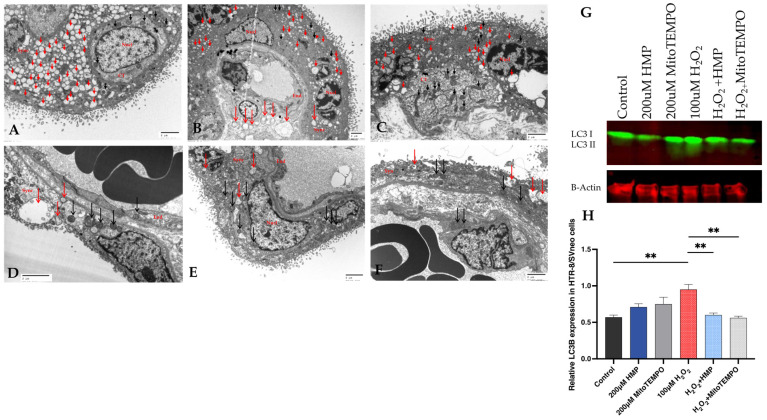
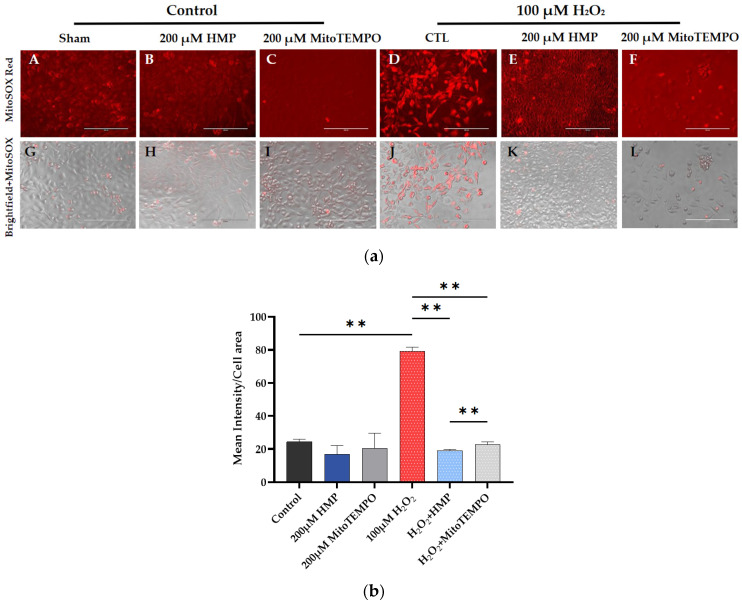
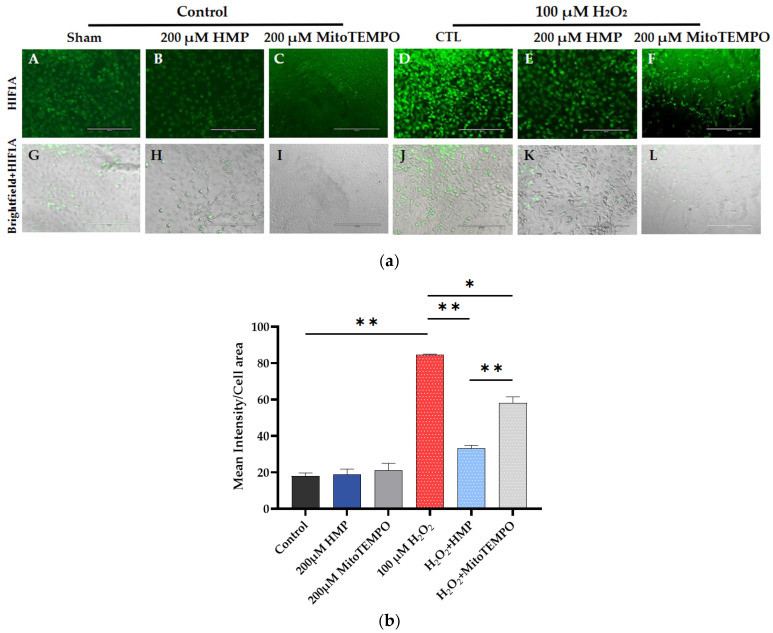
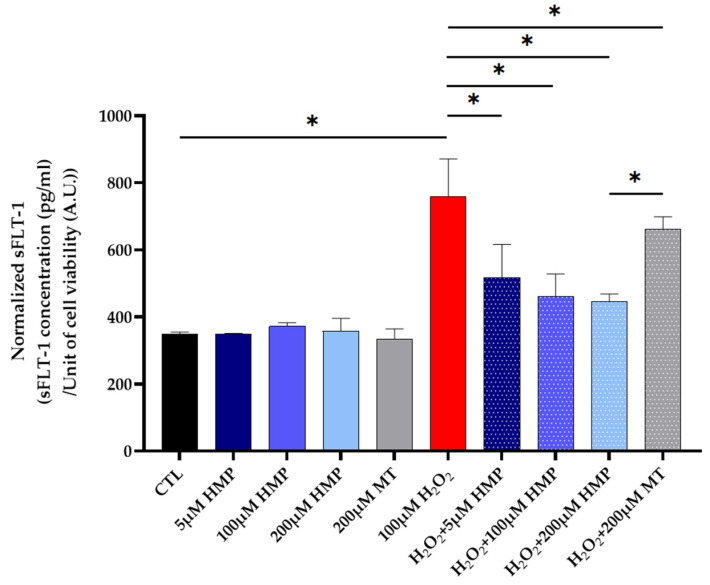
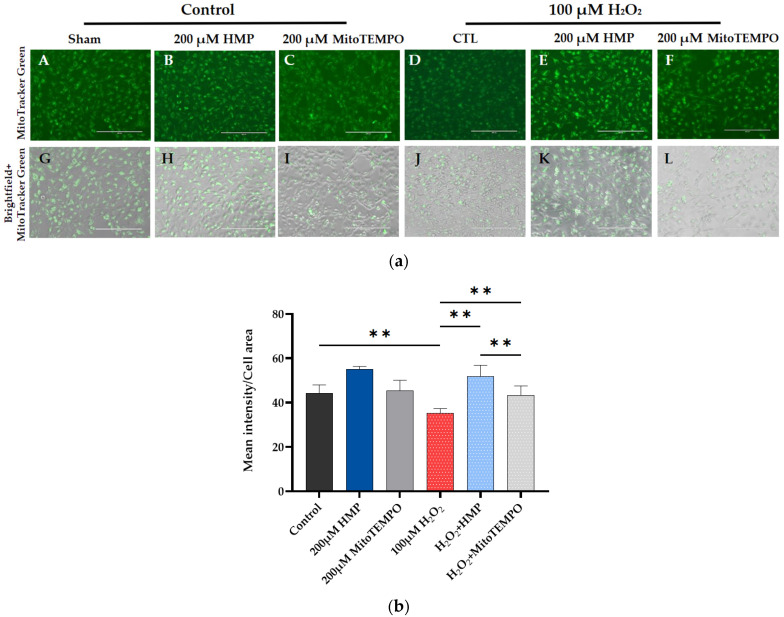
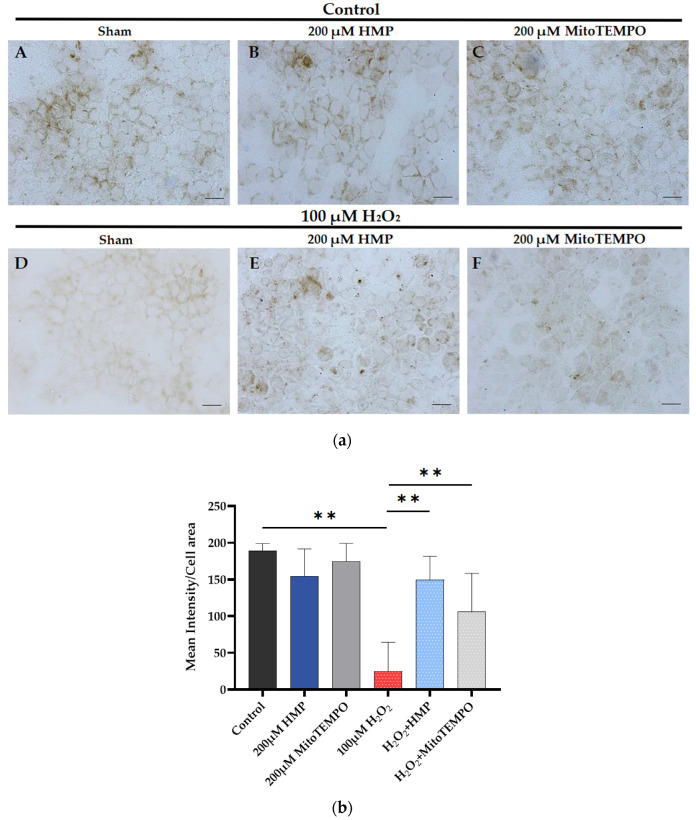
Preeclampsia (PE) is a pregnancy-specific syndrome affecting 5-7% of patients. There is no effective treatment available. Early abnormal placental development is associated with oxidative stress (OS) and a release of reactive oxygen species (ROS) in the placenta. This phenomenon leads to downstream signaling, Hypoxia Inducible Factor 1A (HIF1A) stabilization and transcription of the anti-angiogenic factors soluble fms-like tyrosine kinase 1 (sFLT1) and soluble endoglin (sEng), which are known to cause endothelial and trophoblast dysfunction and cardinal features of PE: hypertension, proteinuria and, in severe cases, eclampsia. We tested whether 3-(Hydroxymethyl)-1-oxy-2,2,5,5-tetramethylpyrrolidine (HMP)-a nitroxide-type antioxidant molecule-can reduce placental OS and mitigate PE symptoms in vitro. We induced OS in human trophoblast (HTR-8/SVneo) cells with hydrogen peroxide (HO) and assessed whether modulating cell redox function with HMP reduces cell injury, mitochondrial stress and HIF1A and sFLT1 production. Pre-treatment with HMP reduced mitochondrial-derived ROS production, restored LC3B expression and reduced HIF1A and sFLT1 expression in HO-exposed HTR-8/SVneo trophoblast cells. HMP improved the mitochondrial electron chain enzyme activity, indicating that a reduction in OS alleviates mitochondrial stress and also reduces anti-angiogenic responses. In reducing placental trophoblast OS, HMP presents a potential novel therapeutic approach for the treatment of PE. Future investigation is warranted regarding the in vivo use of HMP.
子痫前期(PE)是一种仅在孕期出现的综合征,影响5%-7%的患者。目前尚无有效的治疗方法。早期胎盘发育异常与氧化应激(OS)以及胎盘中活性氧物质(ROS)的释放有关。这种现象会导致下游信号传导、缺氧诱导因子1A(HIF1A)稳定以及抗血管生成因子可溶性fms样酪氨酸激酶1(sFLT1)和可溶性内皮糖蛋白(sEng)的转录,已知这些会导致内皮细胞和滋养层细胞功能障碍以及子痫前期的主要特征:高血压、蛋白尿,严重时会出现子痫。我们测试了3-(羟甲基)-1-氧基-2,2,5,5-四甲基吡咯烷(HMP)——一种氮氧化物型抗氧化分子——是否能在体外降低胎盘氧化应激并减轻子痫前期症状。我们用过氧化氢(HO)诱导人滋养层(HTR-8/SVneo)细胞产生氧化应激,并评估用HMP调节细胞氧化还原功能是否能减少细胞损伤、线粒体应激以及HIF1A和sFLT1的产生。用HMP预处理可减少HO处理的HTR-8/SVneo滋养层细胞中线粒体衍生的ROS产生,恢复LC3B表达,并降低HIF1A和sFLT1表达。HMP改善了线粒体电子链酶活性,表明氧化应激的降低减轻了线粒体应激,也减少了抗血管生成反应。在降低胎盘滋养层氧化应激方面,HMP为子痫前期的治疗提供了一种潜在的新治疗方法。有必要对HMP的体内应用进行进一步研究。