Department of Urology, Zhongnan Hospital of Wuhan University, 169 Donghu Road, Wuhan, 430071, People's Republic of China.
Department of Surgery and Biomedical Sciences, Cooper Medical School of Rowan University, Camden, NJ, USA.
J Transl Med. 2023 Aug 26;21(1):575. doi: 10.1186/s12967-023-04432-9.
Benign prostatic hyperplasia (BPH) is a common disease in elderly men, mainly resulted from an imbalance between cell proliferation and death. Glutathione peroxidase 3 (GPX3) was one of the differentially expressed genes in BPH identified by transcriptome sequencing of 5 hyperplastic and 3 normal prostate specimens, which had not been elucidated in the prostate. This study aimed to ascertain the mechanism of GPX3 involved in cell proliferation, apoptosis, autophagy and ferroptosis in BPH.
Human prostate tissues, GPX3 silencing and overexpression prostate cell (BPH-1 and WPMY-1) models and testosterone-induced rat BPH (T-BPH) model were utilized. The qRT-PCR, CCK8 assay, flow cytometry, Western blotting, immunofluorescence, hematoxylin and eosin, masson's trichrome, immunohistochemical staining and transmission electron microscopy analysis were performed during in vivo and in vitro experiments.
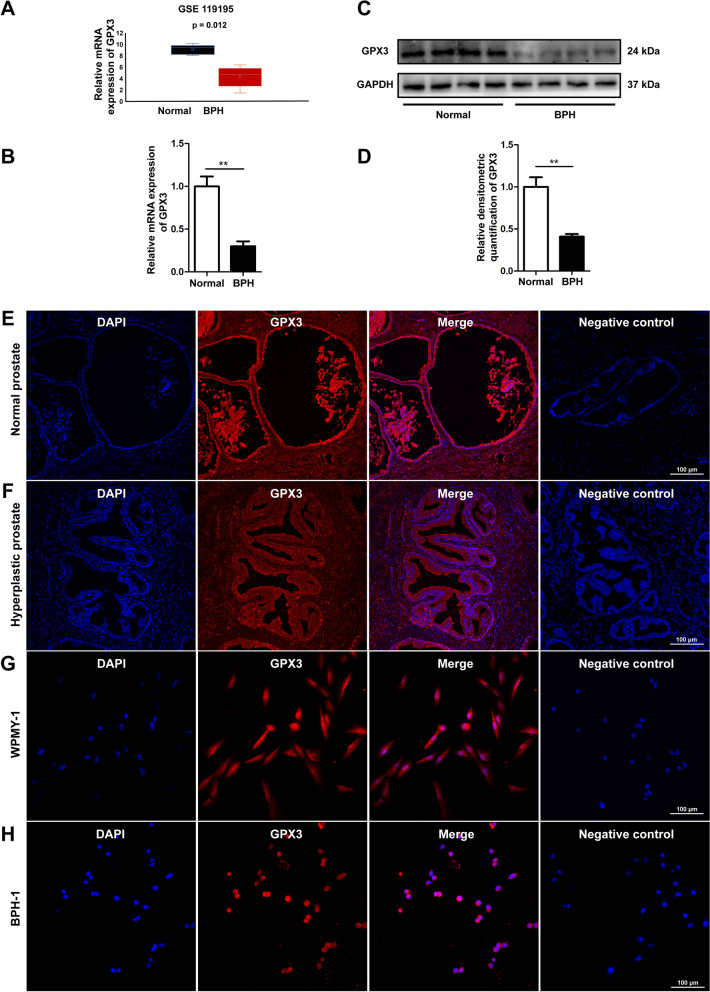
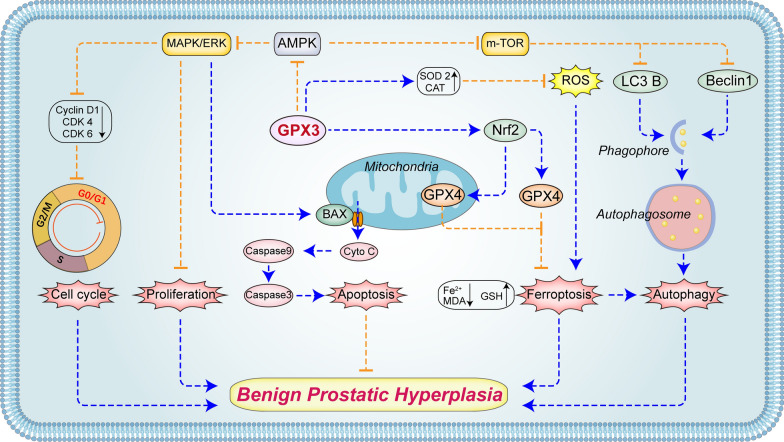
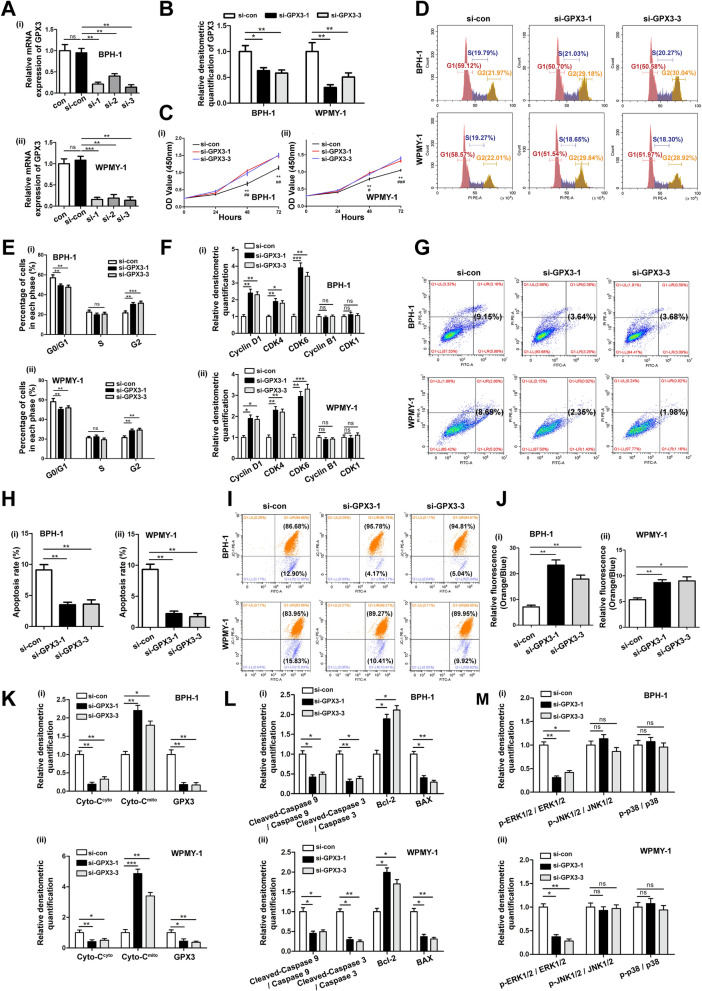
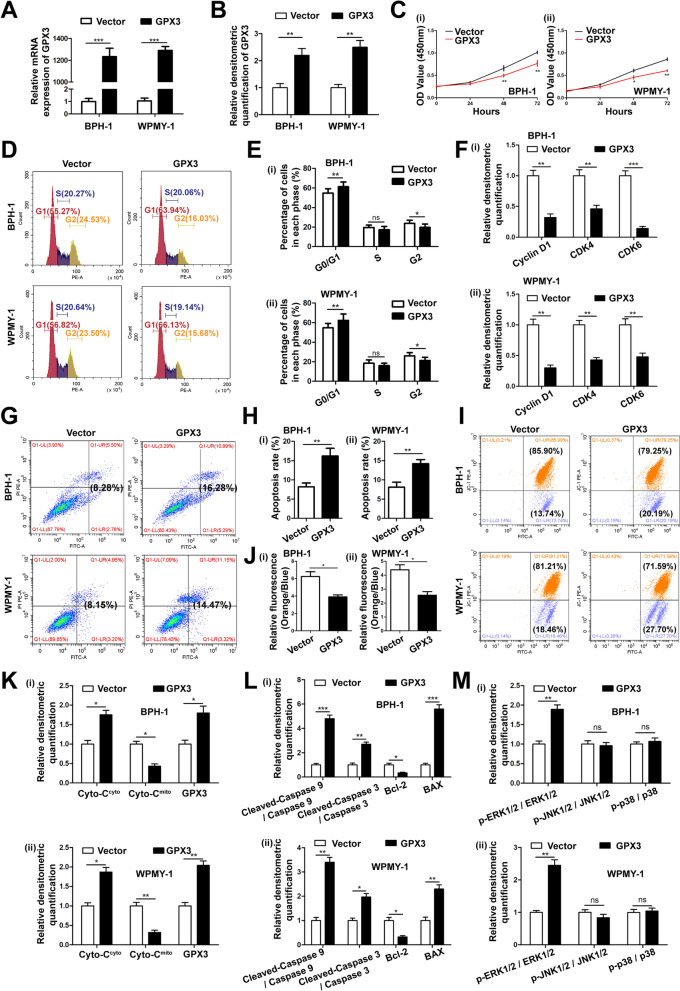
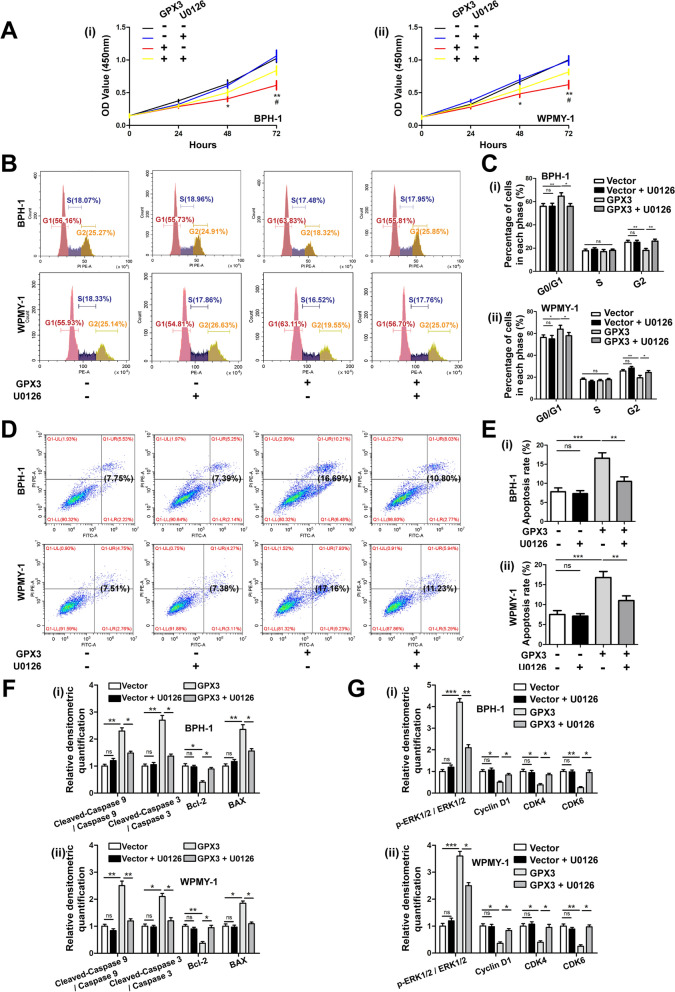
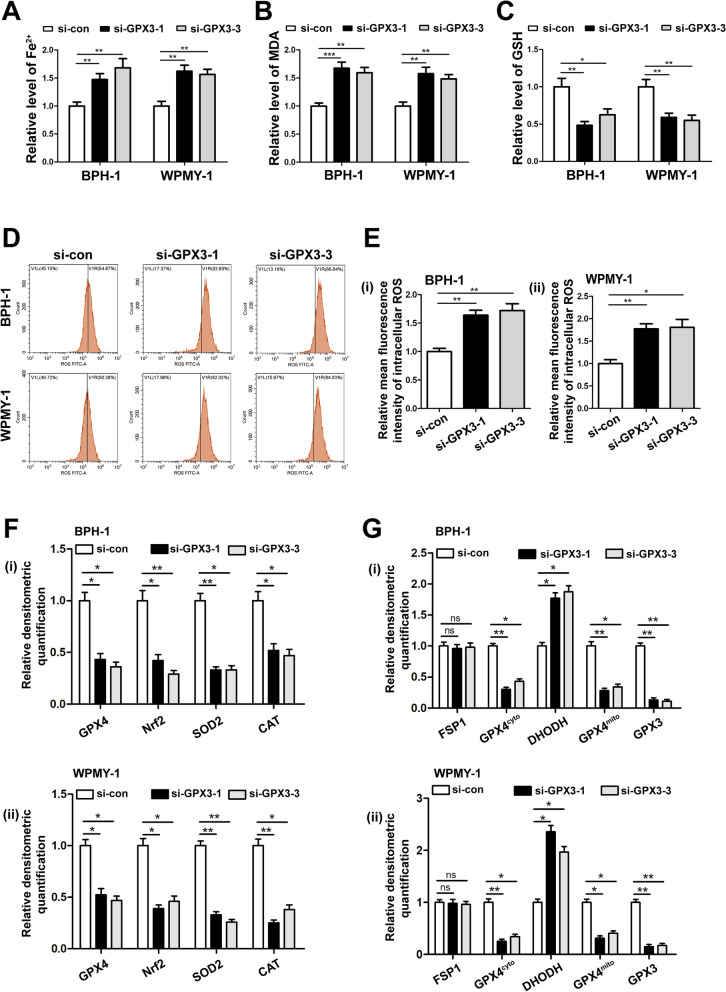
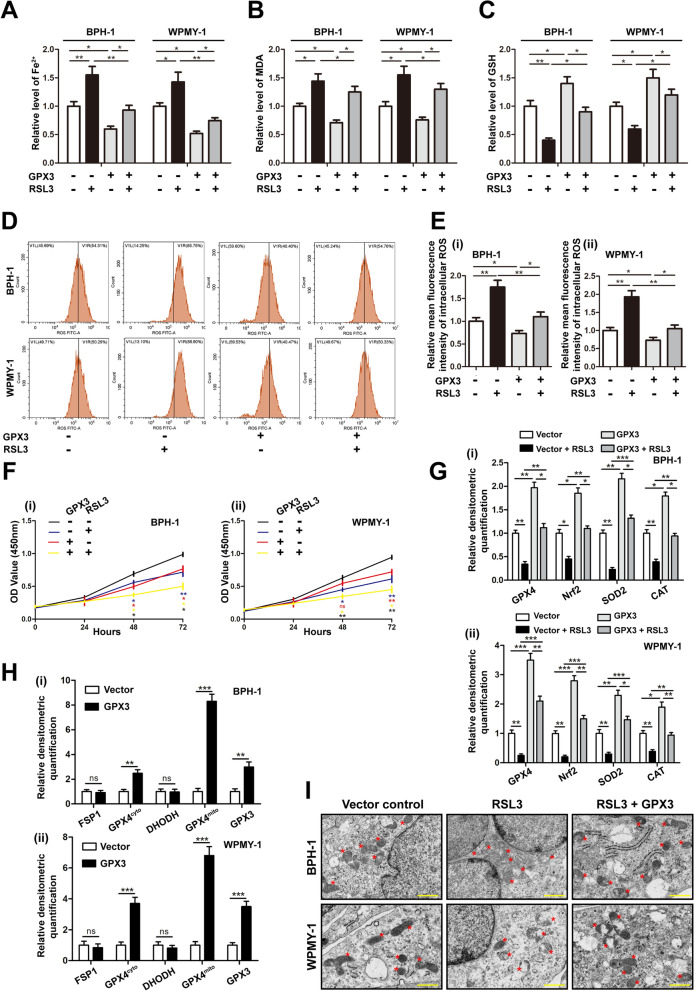
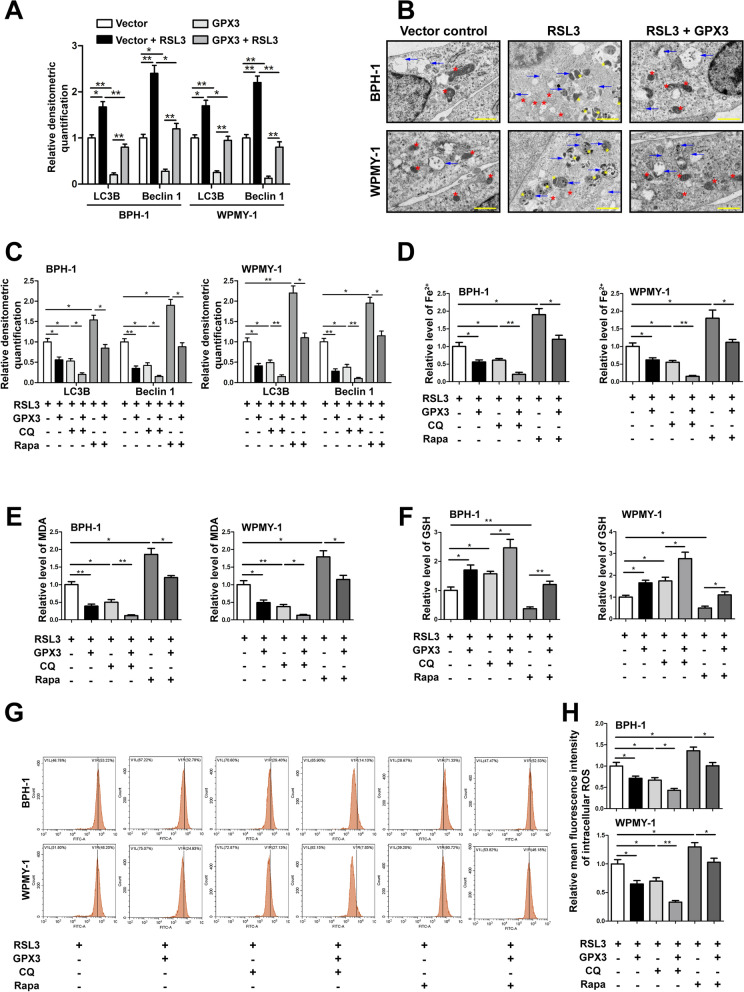
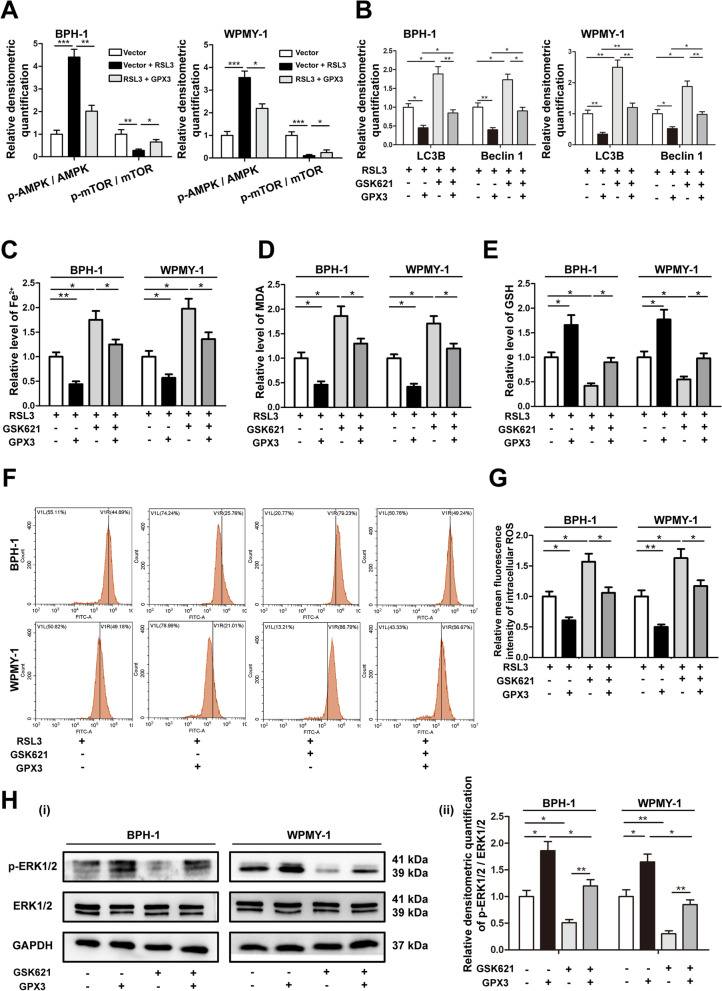
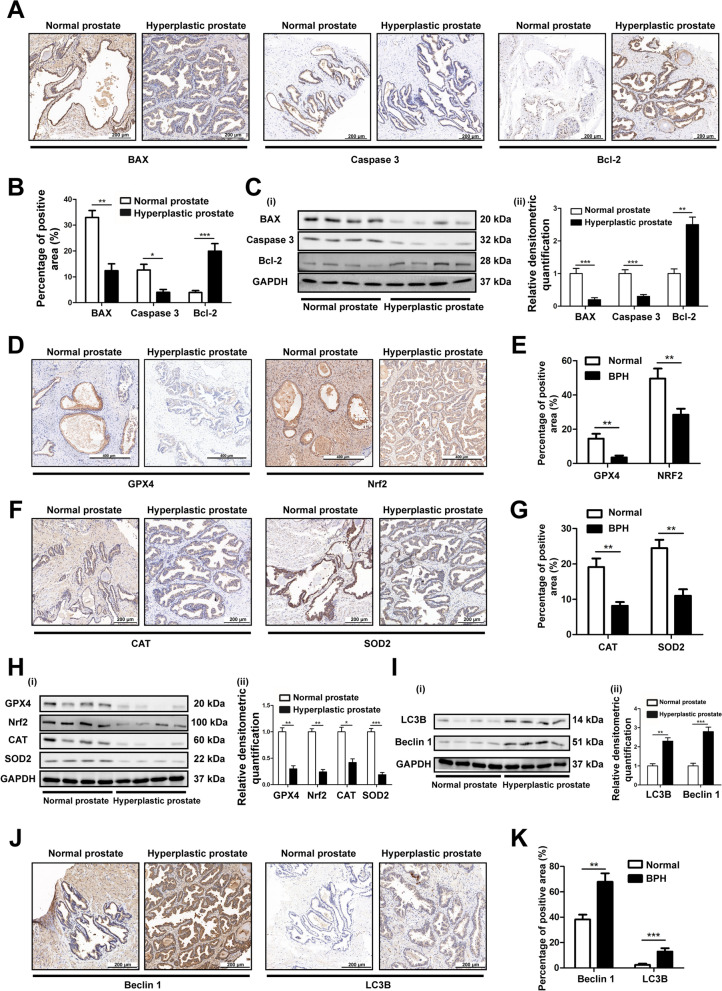
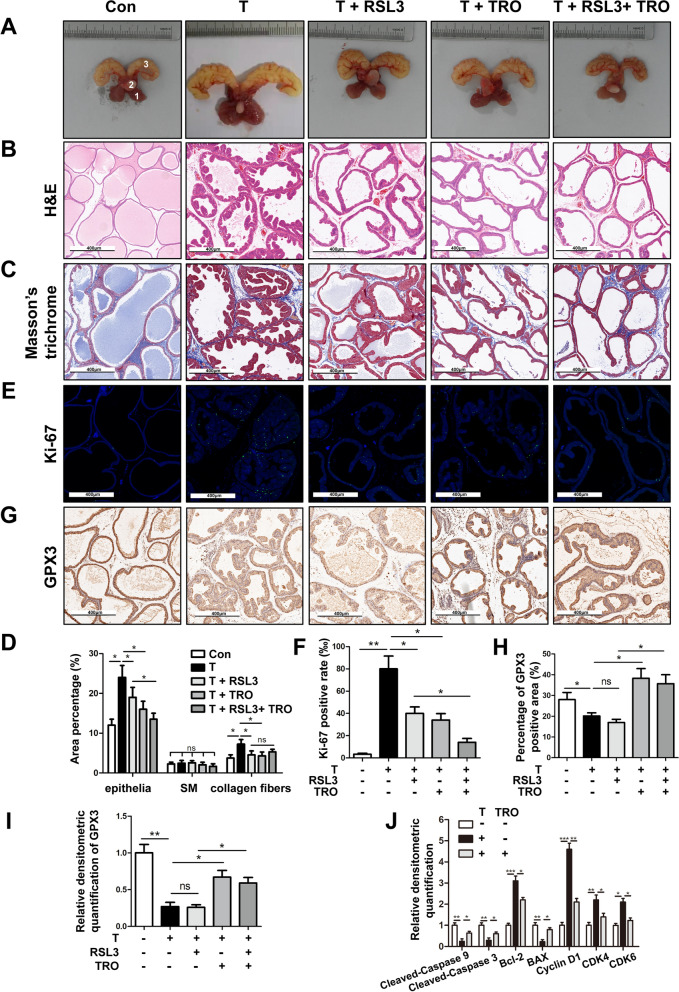
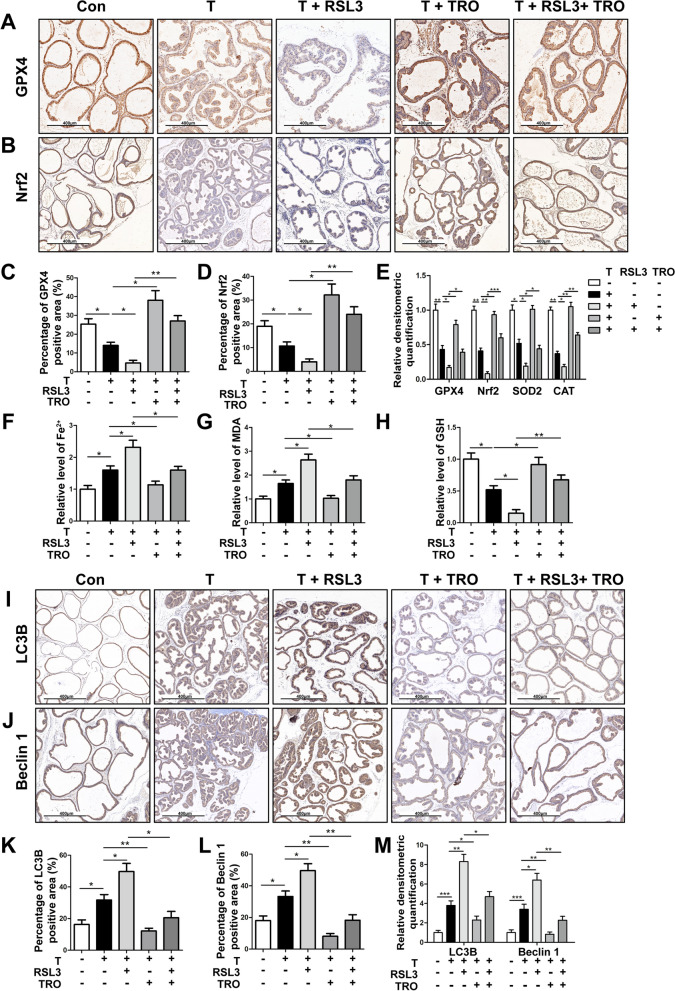
Our study indicated that GPX3 was localized both in the stroma and epithelium of prostate, and down-regulated in BPH samples. Overexpression of GPX3 inhibited AMPK and activated ERK1/2 pathway, thereby inducing mitochondria-dependent apoptosis and G0/G1 phase arrest, which could be significantly reversed by MEK1/2 inhibitor U0126 preconditioning. Moreover, overexpression of GPX3 further exerted anti-autophagy by inhibiting AMPK/m-TOR and up-regulated nuclear factor erythroid 2-related factor 2 (Nrf2)/glutathione peroxidase 4 (GPX4, mitochondrial GPX4 and cytoplasmic GPX4) to antagonize autophagy-related ferroptosis. Consistently, GPX3 deficiency generated opposite changes in both cell lines. Finally, T-BPH rat model was treated with GPX3 indirect agonist troglitazone (TRO) or GPX4 inhibitor RAS-selective lethal 3 (RSL3) or TRO plus RSL3. These treatments produced significant atrophy of the prostate and related molecular changes were similar to our in vitro observations.
Our novel data manifested that GPX3, which was capable of inducing apoptosis via AMPK/ERK1/2 pathway and antagonizing autophagy-related ferroptosis through AMPK/m-TOR signalling, was a promising therapeutic target for BPH in the future.
良性前列腺增生(BPH)是老年男性的常见疾病,主要是由于细胞增殖和死亡之间的失衡所致。谷胱甘肽过氧化物酶 3(GPX3)是通过 5 例前列腺增生和 3 例正常前列腺标本的转录组测序鉴定的差异表达基因之一,在前列腺中尚未阐明。本研究旨在确定 GPX3 参与 BPH 中细胞增殖、凋亡、自噬和铁死亡的机制。
利用人前列腺组织、GPX3 沉默和过表达前列腺细胞(BPH-1 和 WPMY-1)模型以及睾酮诱导的大鼠 BPH(T-BPH)模型进行体内和体外实验。进行 qRT-PCR、CCK8 测定、流式细胞术、Western blot、免疫荧光、苏木精和伊红、马松三色、免疫组织化学染色和透射电子显微镜分析。
我们的研究表明,GPX3 定位于前列腺的基质和上皮中,在 BPH 样本中下调。GPX3 的过表达抑制 AMPK 并激活 ERK1/2 途径,从而诱导线粒体依赖性凋亡和 G0/G1 期阻滞,这可以通过 MEK1/2 抑制剂 U0126 预处理显著逆转。此外,GPX3 的过表达通过抑制 AMPK/m-TOR 进一步发挥抗自噬作用,并上调核因子红细胞 2 相关因子 2(Nrf2)/谷胱甘肽过氧化物酶 4(GPX4、线粒体 GPX4 和细胞质 GPX4)来拮抗自噬相关的铁死亡。同样,GPX3 缺失在两种细胞系中均产生相反的变化。最后,用 GPX3 间接激动剂曲格列酮(TRO)或 GPX4 抑制剂 RAS 选择性致死 3(RSL3)或 TRO 加 RSL3 处理 T-BPH 大鼠模型。这些治疗方法导致前列腺明显萎缩,相关分子变化与我们的体外观察结果相似。
我们的新数据表明,GPX3 通过 AMPK/ERK1/2 途径诱导凋亡,并通过 AMPK/m-TOR 信号拮抗自噬相关的铁死亡,是未来治疗 BPH 的有前途的治疗靶点。