Sorokin Maksim, Buzdin Anton A, Guryanova Anastasia, Efimov Victor, Suntsova Maria V, Zolotovskaia Marianna A, Koroleva Elena V, Sekacheva Marina I, Tkachev Victor S, Garazha Andrew, Kremenchutckaya Kristina, Drobyshev Aleksey, Seryakov Aleksander, Gudkov Alexander, Alekseenko Irina V, Rakitina Olga, Kostina Maria B, Vladimirova Uliana, Moisseev Aleksey, Bulgin Dmitry, Radomskaya Elena, Shestakov Viktor, Baklaushev Vladimir P, Prassolov Vladimir, Shegay Petr V, Li Xinmin, Poddubskaya Elena V, Gaifullin Nurshat
Moscow Institute of Physics and Technology, Dolgoprudny, Moscow Region 141701, Russia.
Omicsway Corp., Walnut, CA 91789, USA.
Comput Struct Biotechnol J. 2023 Aug 3;21:3964-3986. doi: 10.1016/j.csbj.2023.07.040. eCollection 2023.
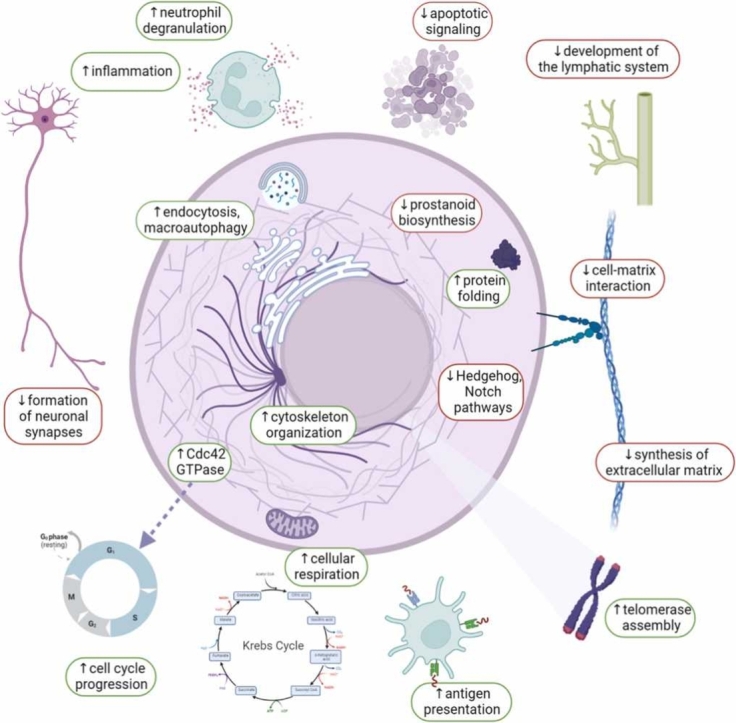
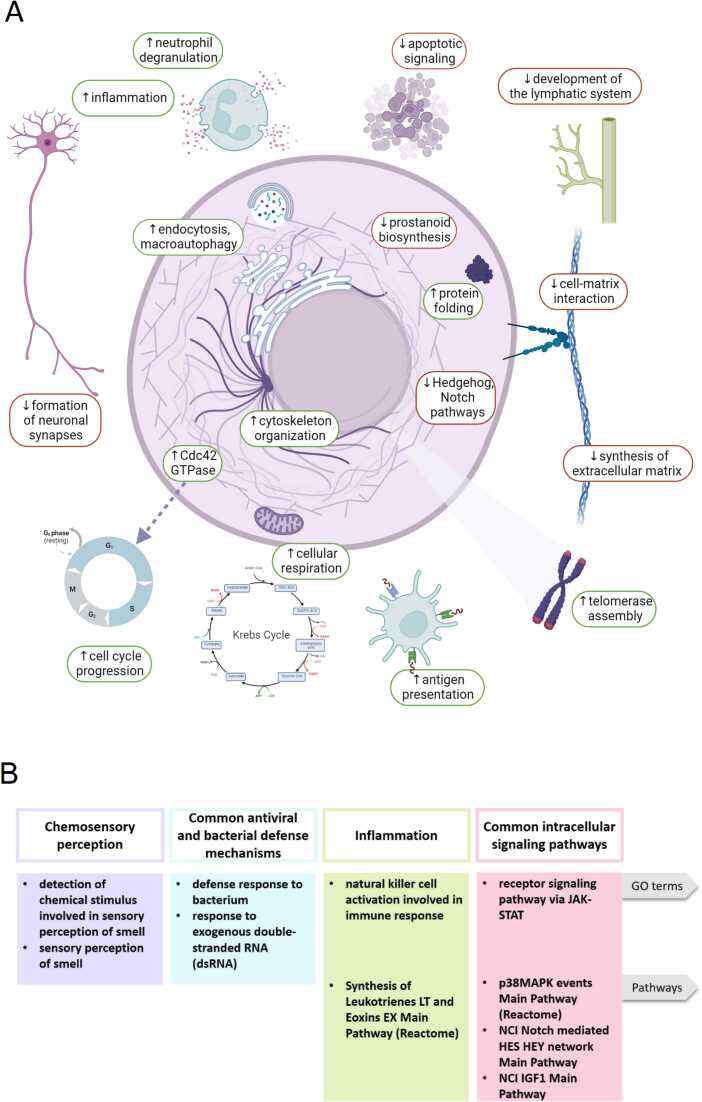
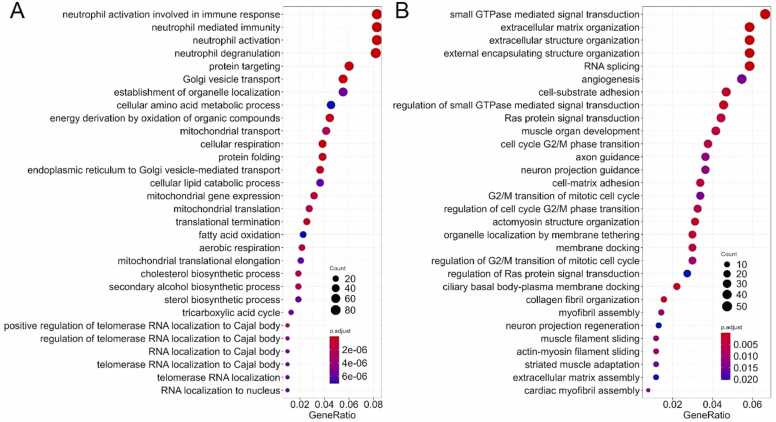
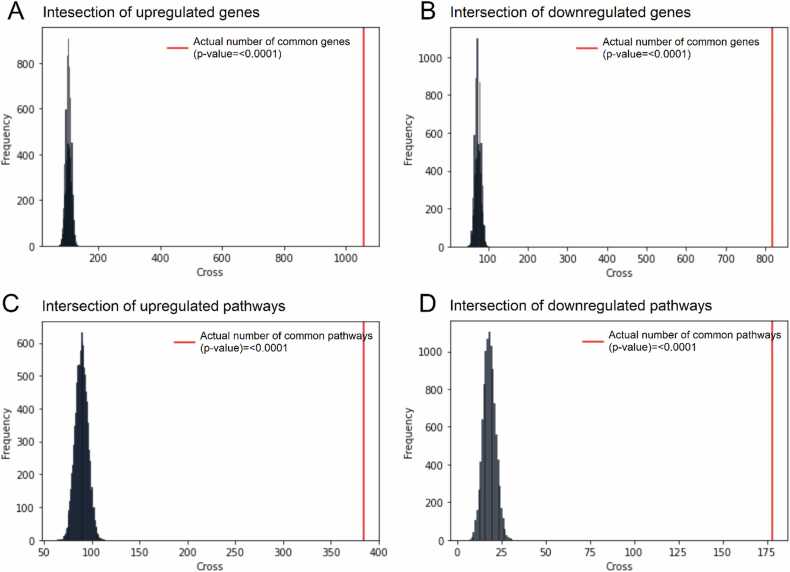
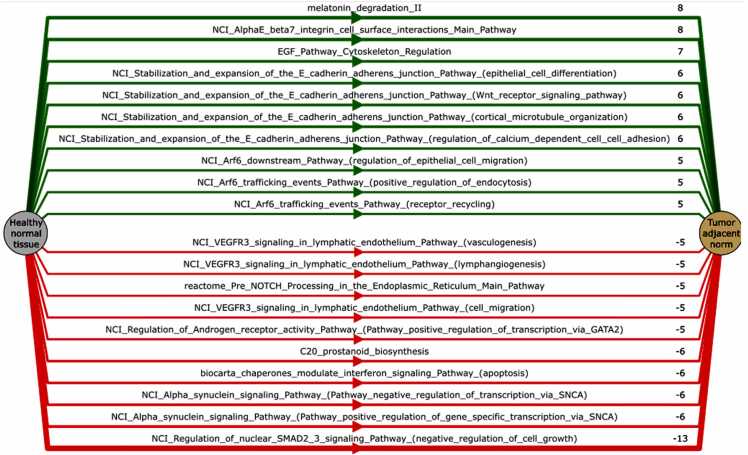
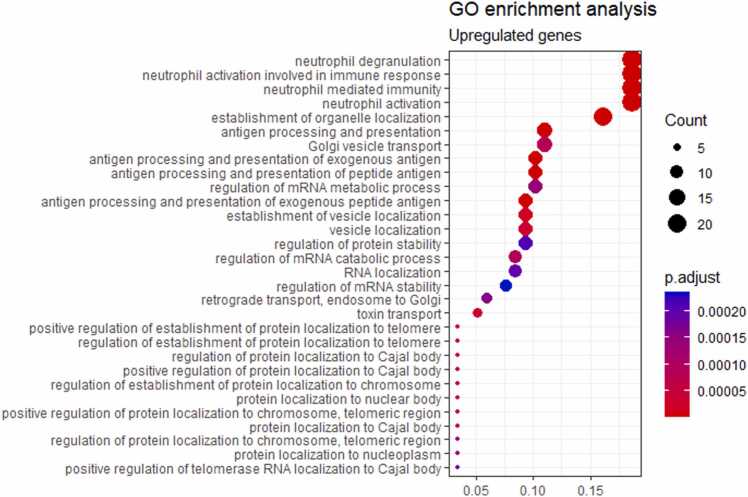
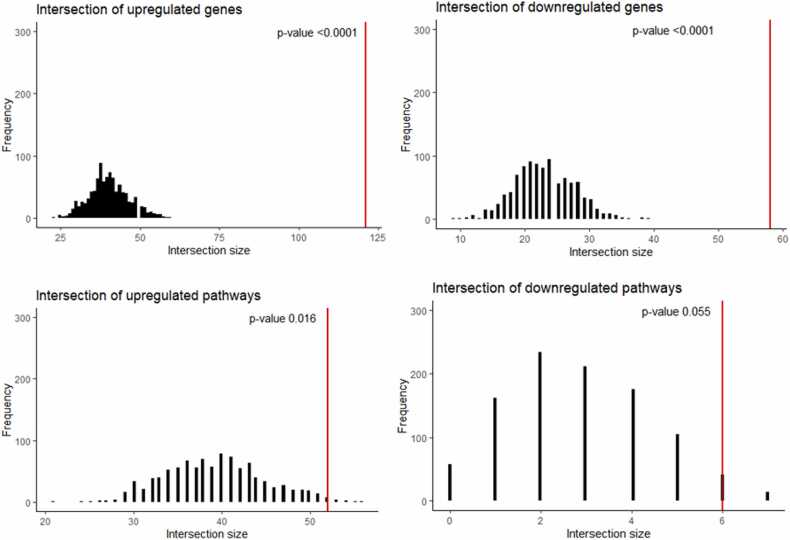
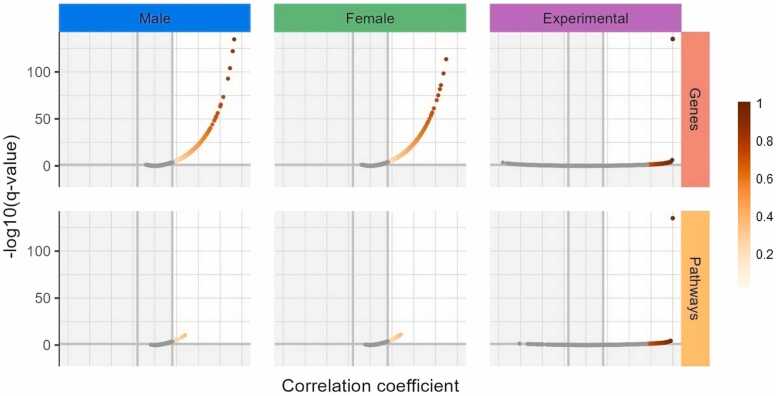
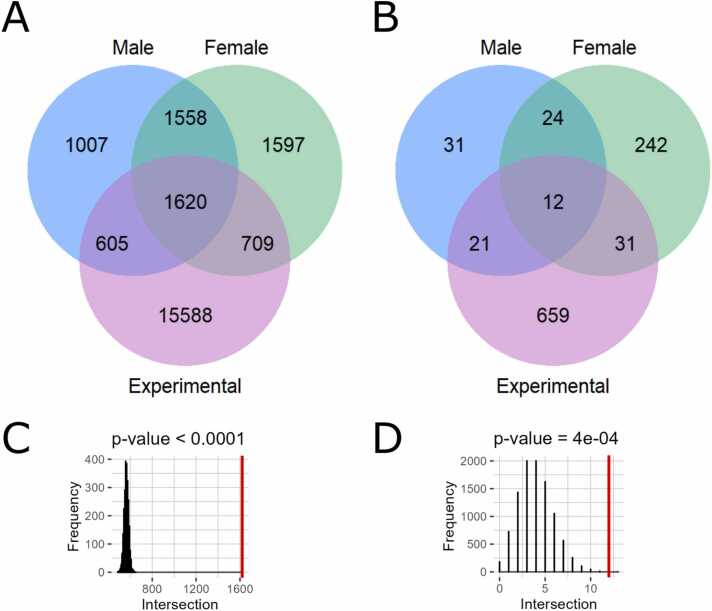
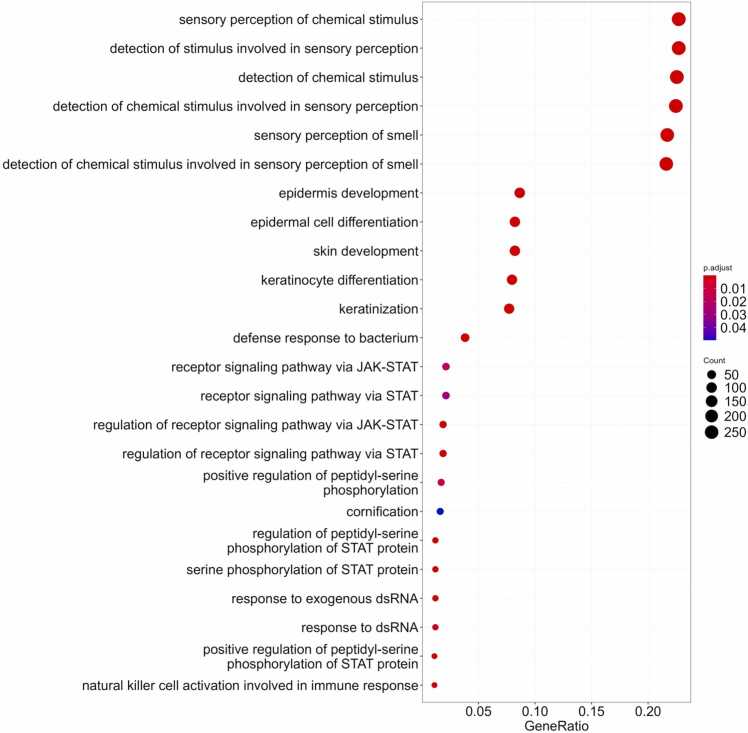
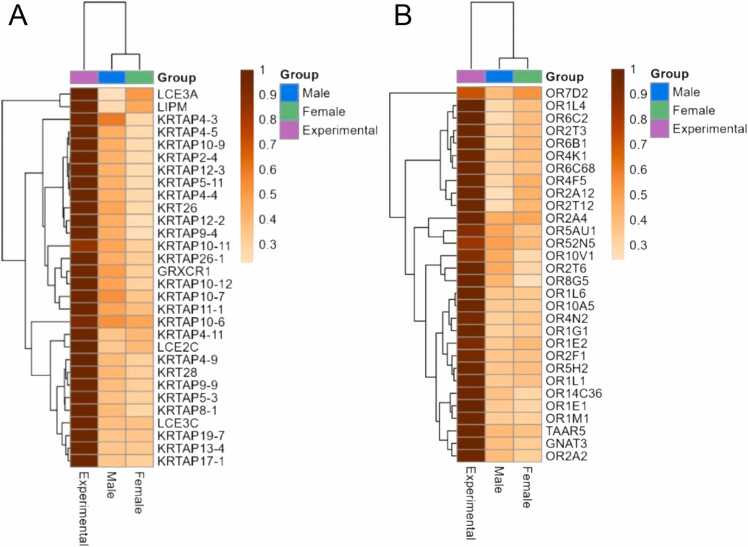
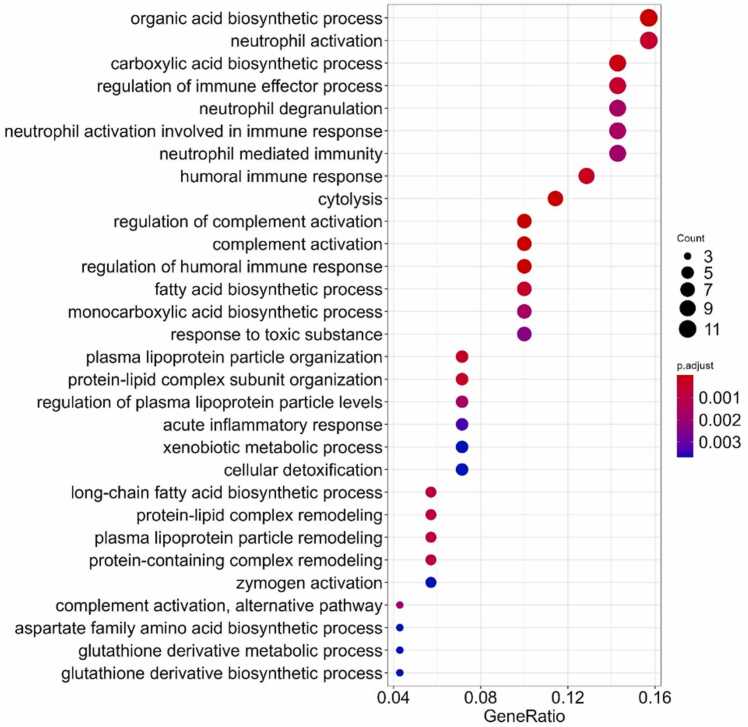
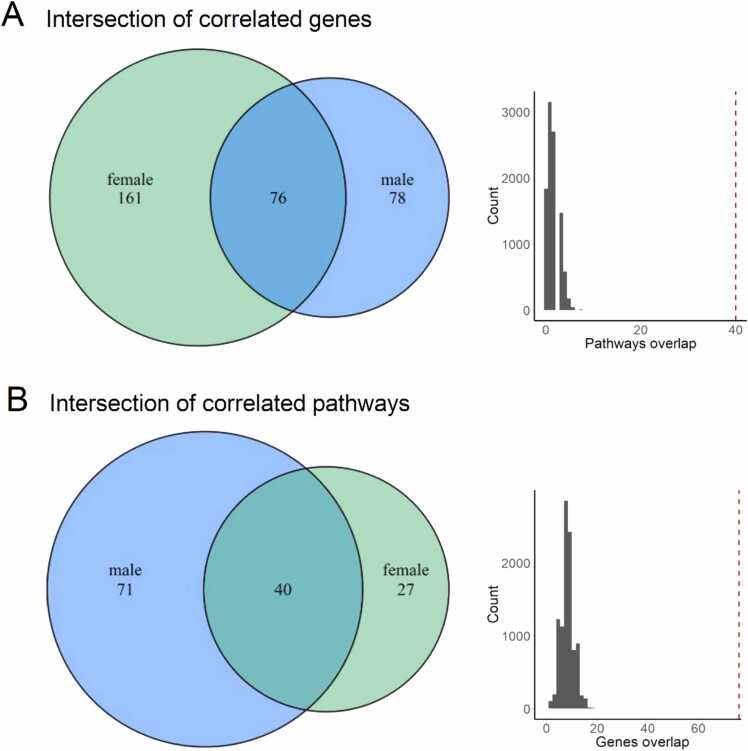
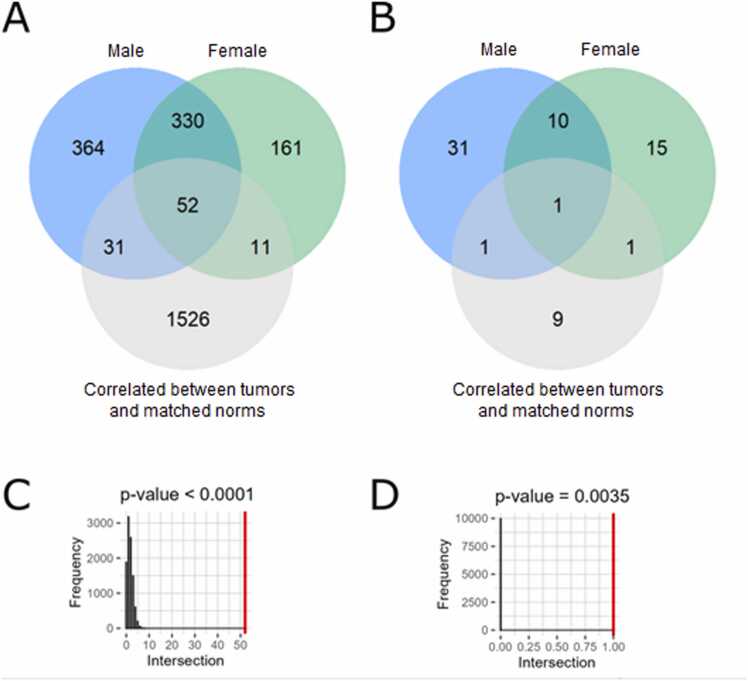
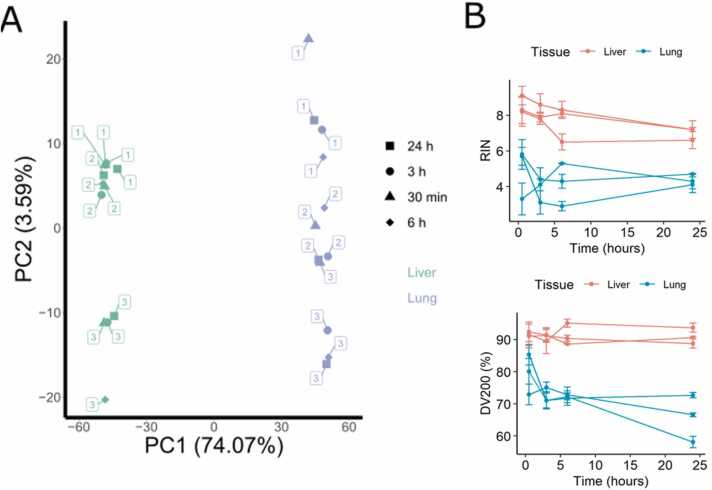
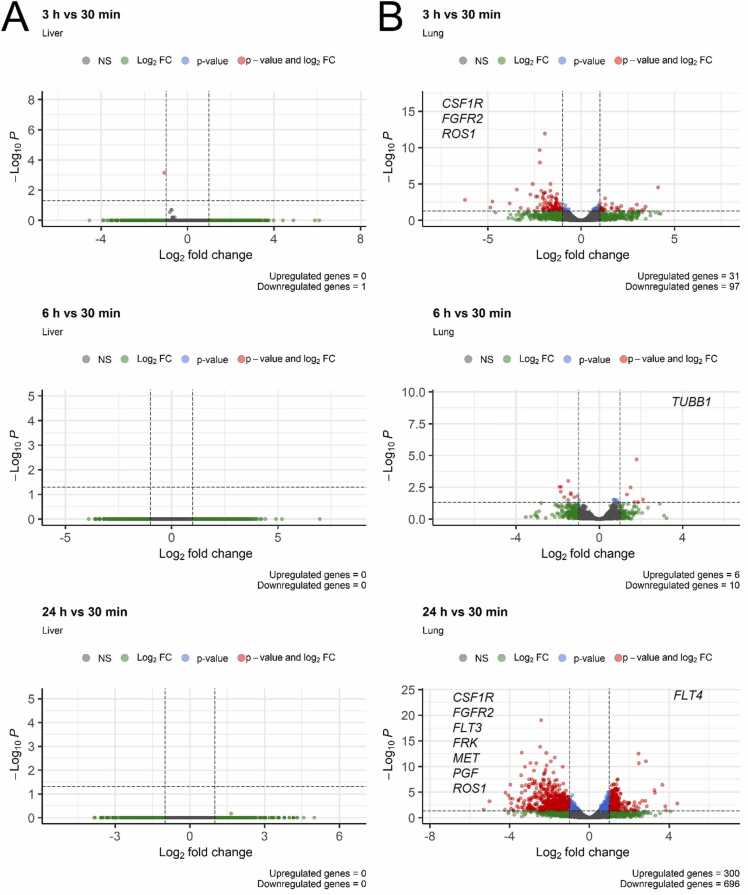
Normal tissues are essential for studying disease-specific differential gene expression. However, healthy human controls are typically available only in postmortal/autopsy settings. In cancer research, fragments of pathologically normal tissue adjacent to tumor site are frequently used as the controls. However, it is largely underexplored how cancers can systematically influence gene expression of the neighboring tissues. Here we performed a comprehensive pan-cancer comparison of molecular profiles of solid tumor-adjacent and autopsy-derived "healthy" normal tissues. We found a number of systemic molecular differences related to activation of the immune cells, intracellular transport and autophagy, cellular respiration, telomerase activation, p38 signaling, cytoskeleton remodeling, and reorganization of the extracellular matrix. The tumor-adjacent tissues were deficient in apoptotic signaling and negative regulation of cell growth including G2/M cell cycle transition checkpoint. We also detected an extensive rearrangement of the chemical perception network. Molecular targets of 32 and 37 cancer drugs were over- or underexpressed, respectively, in the tumor-adjacent norms. These processes may be driven by molecular events that are correlated between the paired cancer and adjacent normal tissues, that mostly relate to inflammation and regulation of intracellular molecular pathways such as the p38, MAPK, Notch, and IGF1 signaling. However, using a model of macaque postmortal tissues we showed that for the 30 min - 24-hour time frame at 4ºC, an RNA degradation pattern in lung biosamples resulted in an artifact "differential" expression profile for 1140 genes, although no differences could be detected in liver. Thus, such concerns should be addressed in practice.
正常组织对于研究疾病特异性差异基因表达至关重要。然而,健康人类对照通常仅在死后/尸检情况下才可获得。在癌症研究中,肿瘤部位相邻的病理正常组织片段常被用作对照。然而,癌症如何系统地影响邻近组织的基因表达在很大程度上尚未得到充分探索。在此,我们对实体瘤相邻组织和尸检来源的“健康”正常组织的分子谱进行了全面的泛癌比较。我们发现了许多与免疫细胞激活、细胞内运输和自噬、细胞呼吸、端粒酶激活、p38信号传导、细胞骨架重塑以及细胞外基质重组相关的系统性分子差异。肿瘤相邻组织在凋亡信号传导以及包括G2/M细胞周期转换检查点在内的细胞生长负调控方面存在缺陷。我们还检测到化学感知网络的广泛重排。在肿瘤相邻的正常组织中,分别有32种和37种癌症药物的分子靶点表达上调或下调。这些过程可能由配对的癌症组织和相邻正常组织之间相关的分子事件驱动,这些事件大多与炎症以及细胞内分子途径(如p38、MAPK、Notch和IGF1信号传导)的调节有关。然而,使用猕猴死后组织模型,我们发现,在4℃下30分钟至24小时的时间范围内,肺生物样本中的RNA降解模式导致1140个基因出现人为的“差异”表达谱,尽管在肝脏中未检测到差异。因此,在实际操作中应解决此类问题。