Nelson Tyler S, Santos Diogo F S, Prasoon Pranav, Gralinski Margaret, Allen Heather N, Taylor Bradley K
Department of Anesthesiology and Perioperative Medicine, Center for Neuroscience, Pittsburgh Center for Pain Research, Pittsburgh Project to end Opioid Misuse, University of Pittsburgh School of Medicine, 200 Lothrop Street, Pittsburgh, PA 15213, USA.
Center for the Neural Basis of Cognition, University of Pittsburgh, Pittsburgh, PA 15213, USA.
PNAS Nexus. 2023 Aug 14;2(8):pgad261. doi: 10.1093/pnasnexus/pgad261. eCollection 2023 Aug.
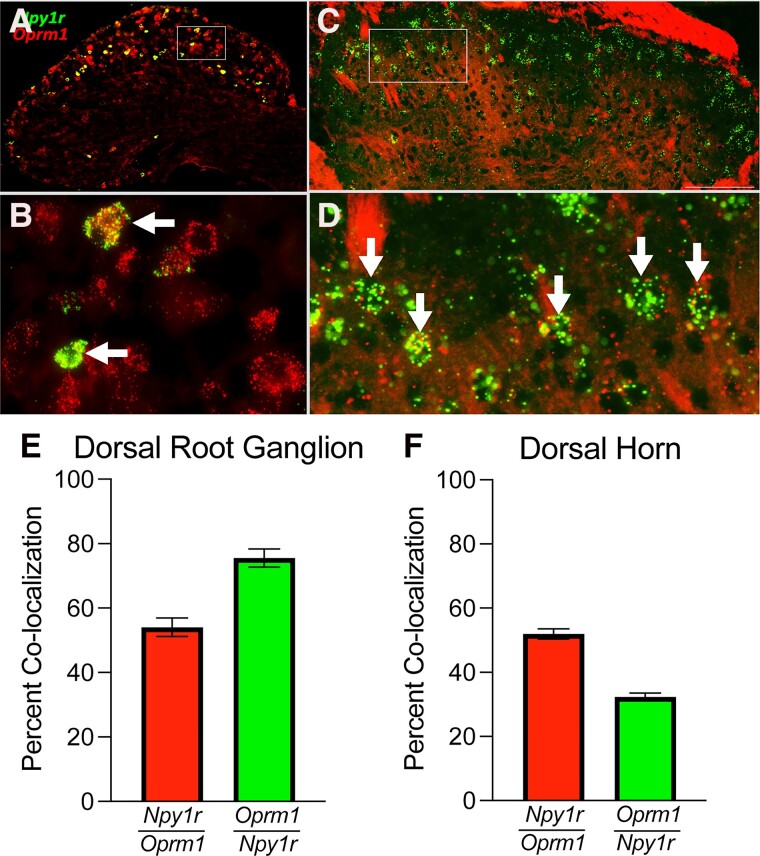
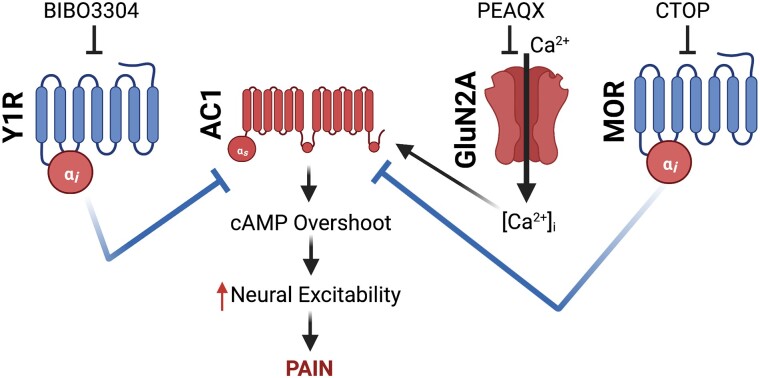
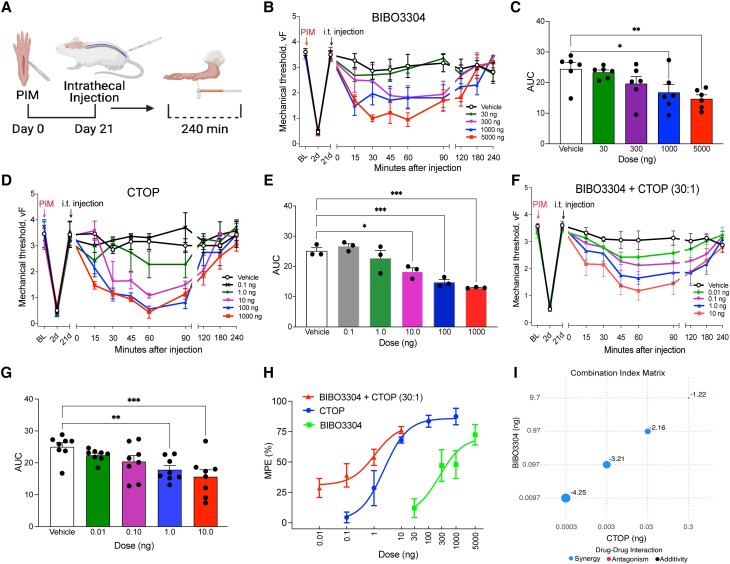
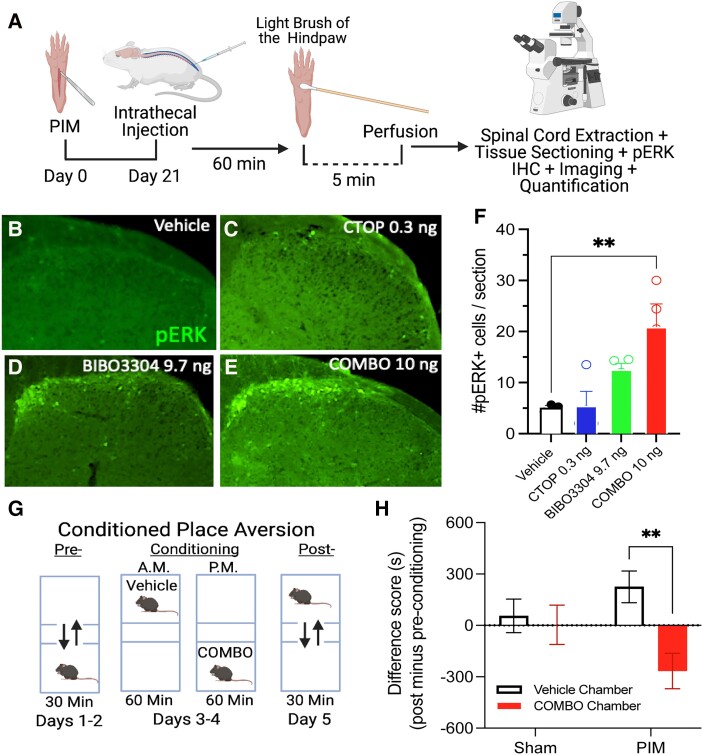
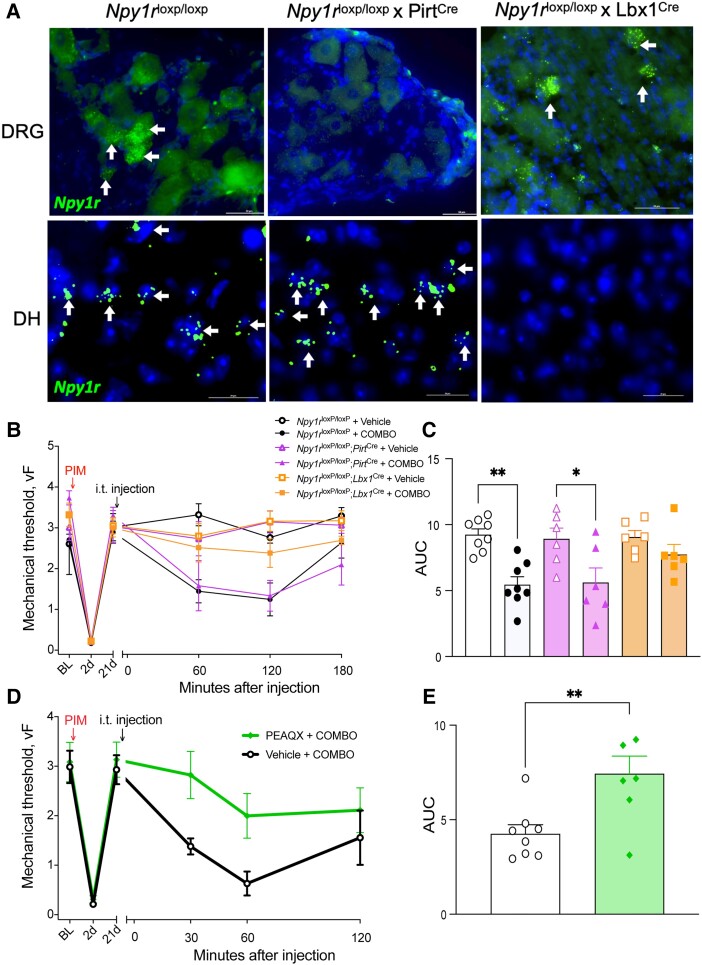
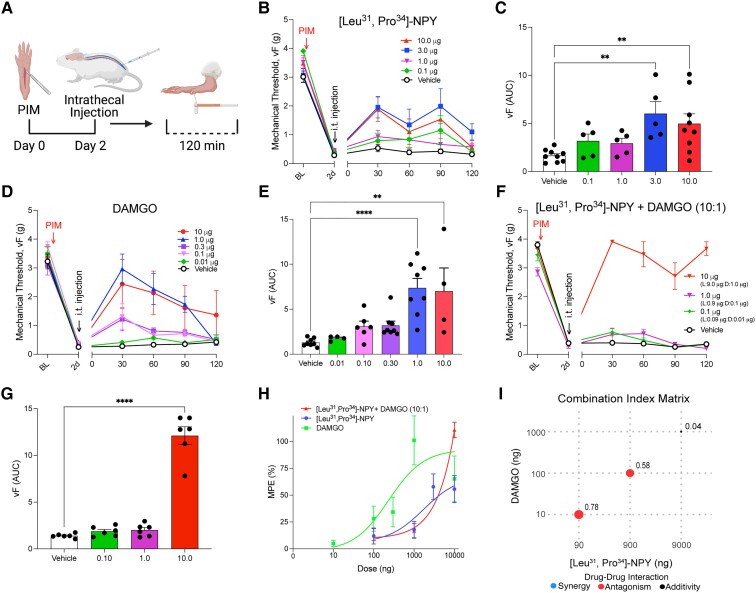
Tissue injury creates a delicate balance between latent pain sensitization (LS) and compensatory endogenous analgesia. Inhibitory G-protein-coupled receptor (GPCR) interactions that oppose LS, including μ-opioid receptor (MOR) or neuropeptide Y Y1 receptor (Y1R) activity, persist in the spinal cord dorsal horn (DH) for months, even after the resolution of normal pain thresholds. Here, we demonstrate that following recovery from surgical incision, a potent endogenous analgesic synergy between MOR and Y1R activity persists within DH interneurons to reduce the intensity and duration of latent postoperative hypersensitivity and ongoing pain. Failure of such endogenous GPCR signaling to maintain LS in remission may underlie the transition from acute to chronic pain states.
组织损伤在潜在性疼痛敏化(LS)和代偿性内源性镇痛之间形成了一种微妙的平衡。抑制性G蛋白偶联受体(GPCR)相互作用可对抗LS,包括μ-阿片受体(MOR)或神经肽Y Y1受体(Y1R)的活性,即使在正常痛阈恢复后,这种相互作用仍在脊髓背角(DH)持续数月。在此,我们证明,手术切口恢复后,MOR和Y1R活性之间强大的内源性镇痛协同作用在DH中间神经元内持续存在,以降低潜在术后超敏反应和持续性疼痛的强度及持续时间。这种内源性GPCR信号未能维持LS缓解状态,可能是急性疼痛向慢性疼痛状态转变的基础。