Eltrafi Alyaa, Shrestha Sunil, Ahmed Ali, Mistry Hema, Paudyal Vibhu, Khanal Saval
School of Pharmacy, College of Medical and Dental Sciences, University of Birmingham, Birmingham, UK.
School of Pharmacy, Monash University Malaysia, Bandar Sunway, 47500, Malaysia.
Health Econ Rev. 2023 Sep 1;13(1):43. doi: 10.1186/s13561-023-00459-2.
Chronic migraine (CM) is a significant neurological condition affecting a substantial portion of the global population. The economic burden of CM includes both direct healthcare costs and indirect costs resulting from productivity losses and intangible impacts on patients' quality of life. However, there is limited research that comprehensively evaluates all cost components associated with CM, highlighting the need for a systematic review.
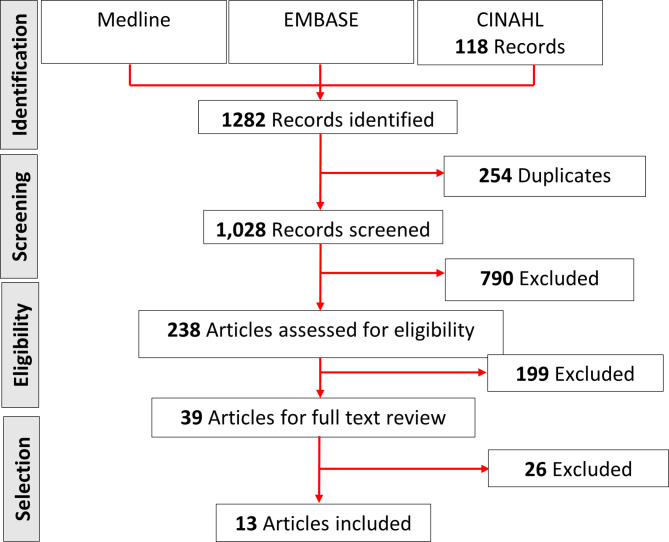
We conducted a systematic literature search in databases including MEDLINE, Embase, and CINAHL to identify studies estimating the cost of illness of chronic migraines. The search was restricted to English language articles published from inception to October 2021, and only findings from Organisation for Economic Co-operation and Development (OECD) countries were included. Methodology features and key findings were extracted from the studies, and reported costs were converted to GBP for cross-country comparisons.
Thirteen cost-of-illness studies on CM from various OECD countries were included in this review. The studies demonstrated substantial variations in monetary estimates, but consistently highlighted the considerable economic burden of CM. Direct costs, particularly hospitalisation and medication expenses, were identified as the highest contributors. However, indirect costs, such as productivity losses due to absenteeism and presenteeism, were often underexplored in the reviewed studies. Additionally, intangible costs related to emotional and social impacts on patients were largely overlooked.
Chronic migraine imposes a significant economic burden on individuals, healthcare systems, and society. Policymakers and healthcare stakeholders should consider both direct and indirect cost components, as well as intangible costs, in developing targeted strategies for effective CM management and resource allocation. Further research focusing on comprehensive cost assessments and sensitivity analyses is needed to enhance the understanding of CM's economic implications and inform evidence-based healthcare policy decisions. Addressing these research gaps can alleviate the economic burden of CM and improve patient outcomes.
慢性偏头痛(CM)是一种严重的神经系统疾病,影响着全球相当一部分人口。CM的经济负担包括直接医疗费用以及因生产力损失和对患者生活质量的无形影响而产生的间接费用。然而,全面评估与CM相关的所有成本组成部分的研究有限,这凸显了进行系统综述的必要性。
我们在包括MEDLINE、Embase和CINAHL在内的数据库中进行了系统的文献检索,以确定估计慢性偏头痛疾病成本的研究。检索仅限于从创刊到2021年10月发表的英文文章,并且仅纳入经济合作与发展组织(OECD)国家的研究结果。从这些研究中提取方法学特征和主要发现,并将报告的成本转换为英镑进行跨国比较。
本综述纳入了来自不同经合组织国家的13项关于CM的疾病成本研究。这些研究表明货币估计存在很大差异,但一致强调了CM相当大的经济负担。直接成本,特别是住院和药物费用,被确定为最大的成本贡献者。然而,间接成本,如因旷工和出勤主义导致的生产力损失,在综述研究中往往未得到充分探讨。此外,与患者的情感和社会影响相关的无形成本在很大程度上被忽视了。
慢性偏头痛给个人、医疗系统和社会带来了重大的经济负担。政策制定者和医疗利益相关者在制定有效的CM管理和资源分配的针对性策略时,应考虑直接和间接成本组成部分以及无形成本。需要进一步开展侧重于全面成本评估和敏感性分析的研究,以加强对CM经济影响的理解,并为基于证据的医疗政策决策提供信息。填补这些研究空白可以减轻CM的经济负担并改善患者预后。