Department of Geriatrics, Tongji Hospital, Tongji Medical College, Huazhong University of Science and Technology, Wuhan, China.
Commun Biol. 2023 Sep 5;6(1):907. doi: 10.1038/s42003-023-05272-5.
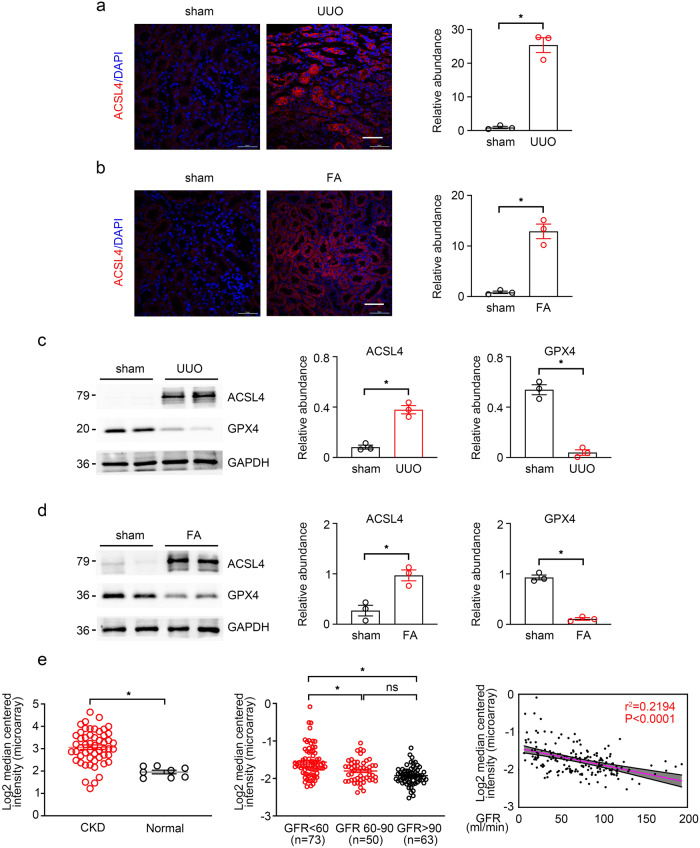
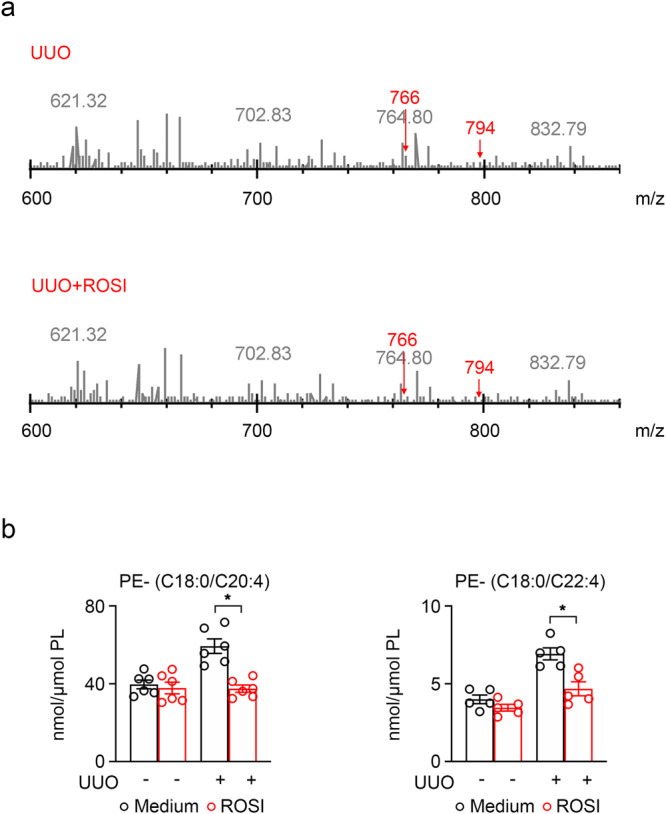
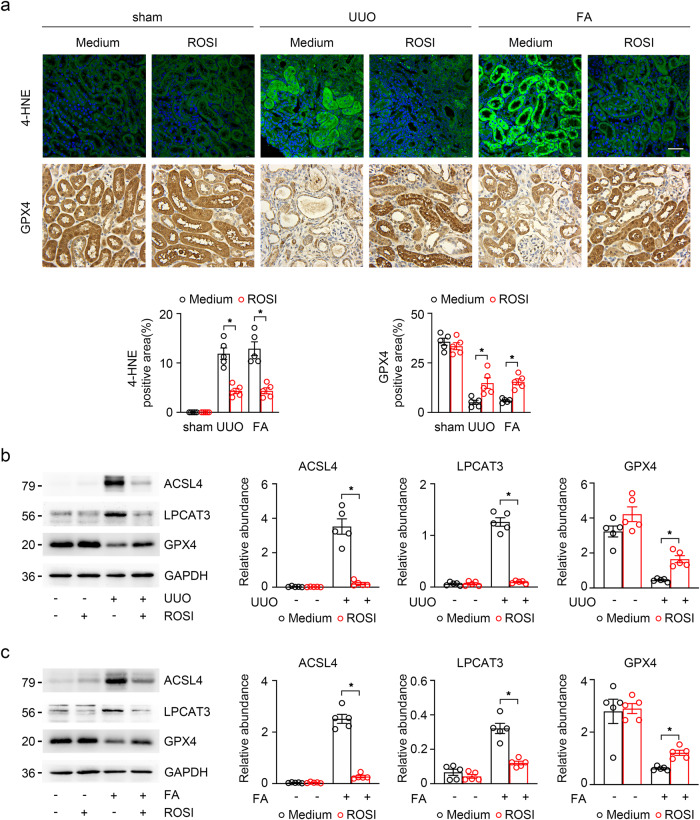
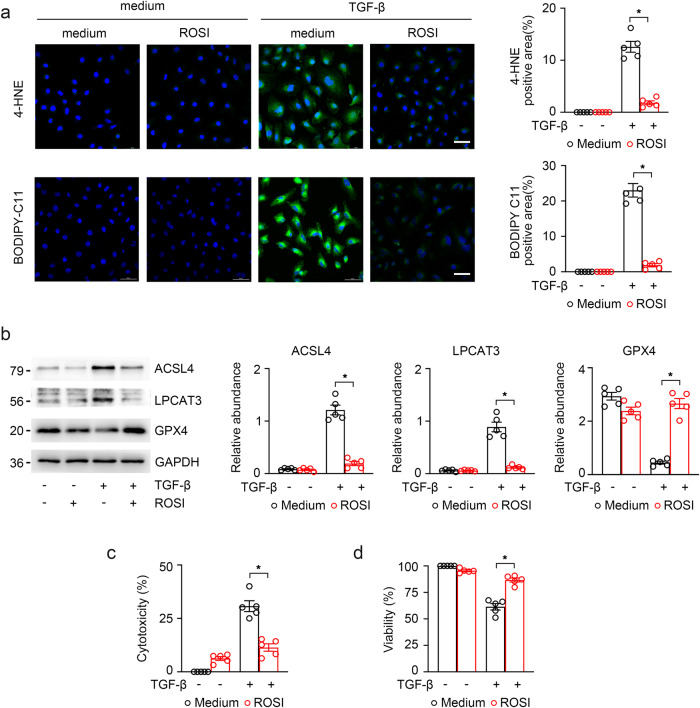
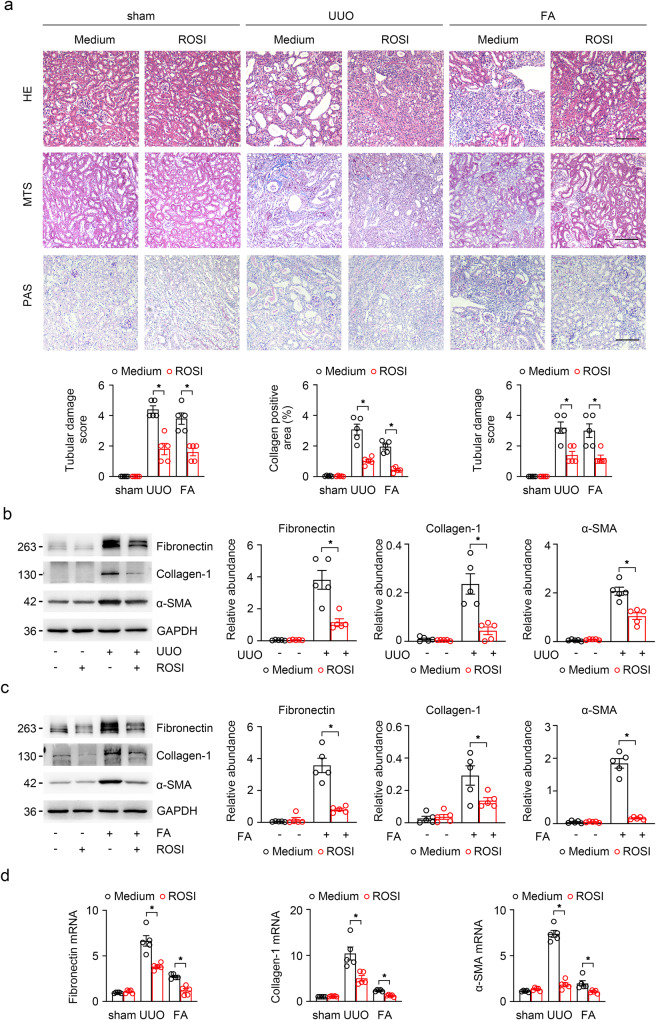
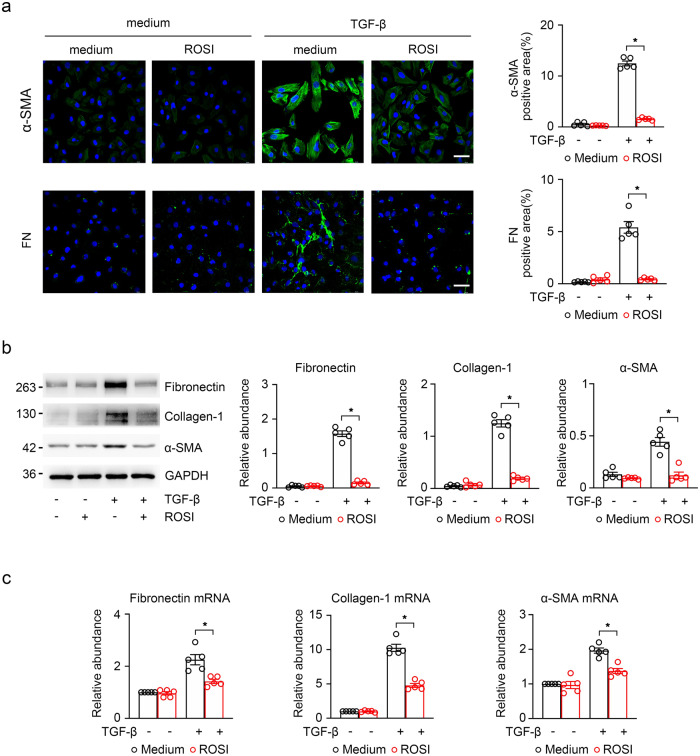
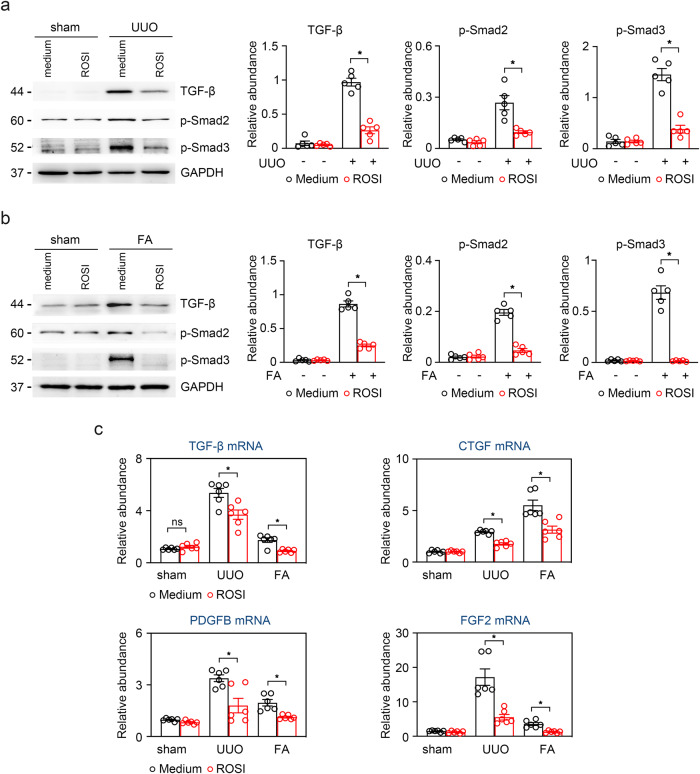
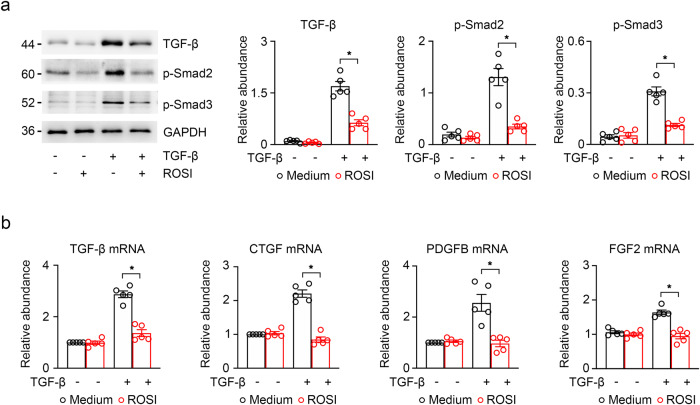
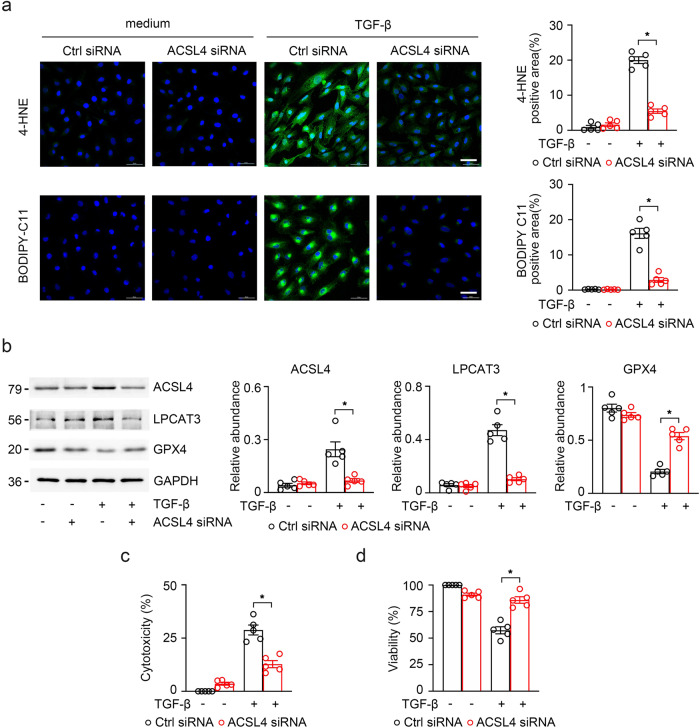
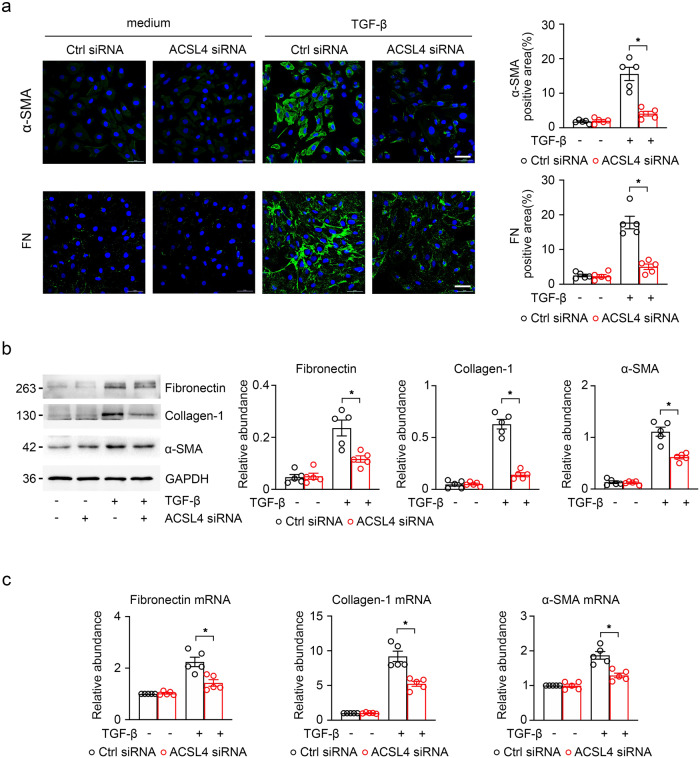
Ferroptosis is a recently recognized form of regulated cell death, characterized by iron-dependent accumulation of lipid peroxidation. Ample evidence has depicted that ferroptosis plays an essential role in the cause or consequence of human diseases, including cancer, neurodegenerative disease and acute kidney injury. However, the exact role and underlying mechanism of ferroptosis in fibrotic kidney remain unknown. Acyl-CoA synthetase long-chain family member 4 (ACSL4) has been demonstrated as an essential component in ferroptosis execution by shaping lipid composition. In this study, we aim to discuss the potential role and underlying mechanism of ACSL4-mediated ferroptosis of tubular epithelial cells (TECs) during renal fibrosis. The unbiased gene expression studies showed that ACSL4 expression was tightly associated with decreased renal function and the progression of renal fibrosis. To explore the role of ACSL4 in fibrotic kidney, ACSL4 specific inhibitor rosiglitazone (ROSI) was used to disturb the high expression of ACSL4 in TECs induced by TGF-β, unilateral ureteral obstruction (UUO) and fatty acid (FA)-modeled mice in vivo, and ACSL4 siRNA was used to knockdown ACSL4 in TGF-β-induced HK2 cells in vitro. The results demonstrated that inhibition and knockdown of ACSL4 effectively attenuated the occurrence of ferroptosis in TECs and alleviated the interstitial fibrotic response. In addition, the expression of various profibrotic cytokines all decreased after ROSI-treated in vivo and in vitro. Further investigation showed that inhibition of ACSL4 obviously attenuates the progression of renal fibrosis by reducing the proferroptotic precursors arachidonic acid- and adrenic acid- containing phosphatidylethanolamine (AA-PE and AdA-PE). In conclusion, these results suggest ACSL4 is essential for tubular ferroptotic death during kidney fibrosis development and ACSL4 inhibition is a viable therapeutic approach to preventing fibrotic kidney diseases.
铁死亡是一种新近被认识的受调控的细胞死亡方式,其特征为铁依赖性的脂质过氧化积累。大量证据表明,铁死亡在人类疾病的病因或后果中发挥重要作用,包括癌症、神经退行性疾病和急性肾损伤。然而,铁死亡在纤维化肾脏中的确切作用和潜在机制仍不清楚。酰基辅酶 A 合成酶长链家族成员 4(ACSL4)已被证明是铁死亡执行的必需组成部分,通过塑造脂质组成。在这项研究中,我们旨在讨论 ACSL4 介导的管状上皮细胞(TEC)铁死亡在肾脏纤维化中的潜在作用和潜在机制。无偏倚的基因表达研究表明,ACSL4 的表达与肾功能下降和肾脏纤维化进展密切相关。为了探讨 ACSL4 在纤维化肾脏中的作用,我们在体内使用 ACSL4 特异性抑制剂罗格列酮(ROSI)干扰 TGF-β、单侧输尿管梗阻(UUO)和脂肪酸(FA)模型小鼠中 TEC 高表达的 ACSL4,以及在体外使用 ACSL4 siRNA 敲低 TGF-β诱导的 HK2 细胞中的 ACSL4。结果表明,ACSL4 的抑制和敲低可有效减轻 TEC 中铁死亡的发生,并减轻间质纤维化反应。此外,在体内和体外 ROSI 处理后,各种促纤维化细胞因子的表达均降低。进一步的研究表明,抑制 ACSL4 通过减少促铁死亡前体花生四烯酸和肾上腺素酸含量的磷脂酰乙醇胺(AA-PE 和 AdA-PE),明显减轻肾脏纤维化的进展。总之,这些结果表明 ACSL4 是肾脏纤维化发展过程中管状铁死亡所必需的,ACSL4 抑制是预防纤维化肾脏疾病的一种可行的治疗方法。