Helvetia Retina Associates, Lausanne, Switzerland.
New York Eye and Ear Infirmary of Mt Sinai, Icahn School of Medicine, New York City, NY, USA.
BMC Ophthalmol. 2023 Sep 5;23(1):367. doi: 10.1186/s12886-023-03110-0.
Post-surgical macular edema (ME) is a common cause of prolonged visual impairment. Here we report on the feasibility and clinical outcomes from the use of a novel suprachoroidal microcatheter to treat post-surgical chronic ME by the posterior suprachoroidal placement of a triamcinolone acetonide (TA) suspension.
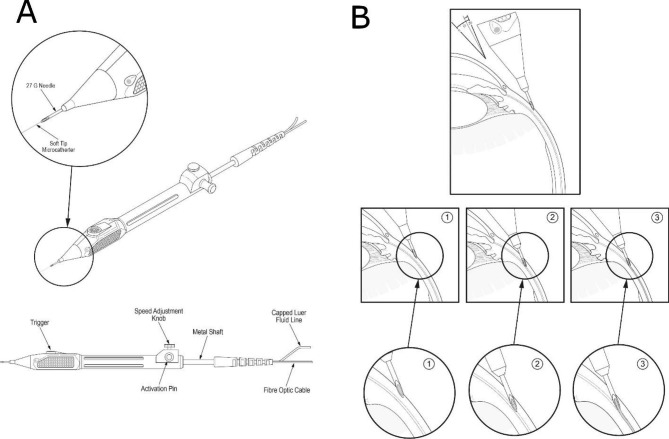
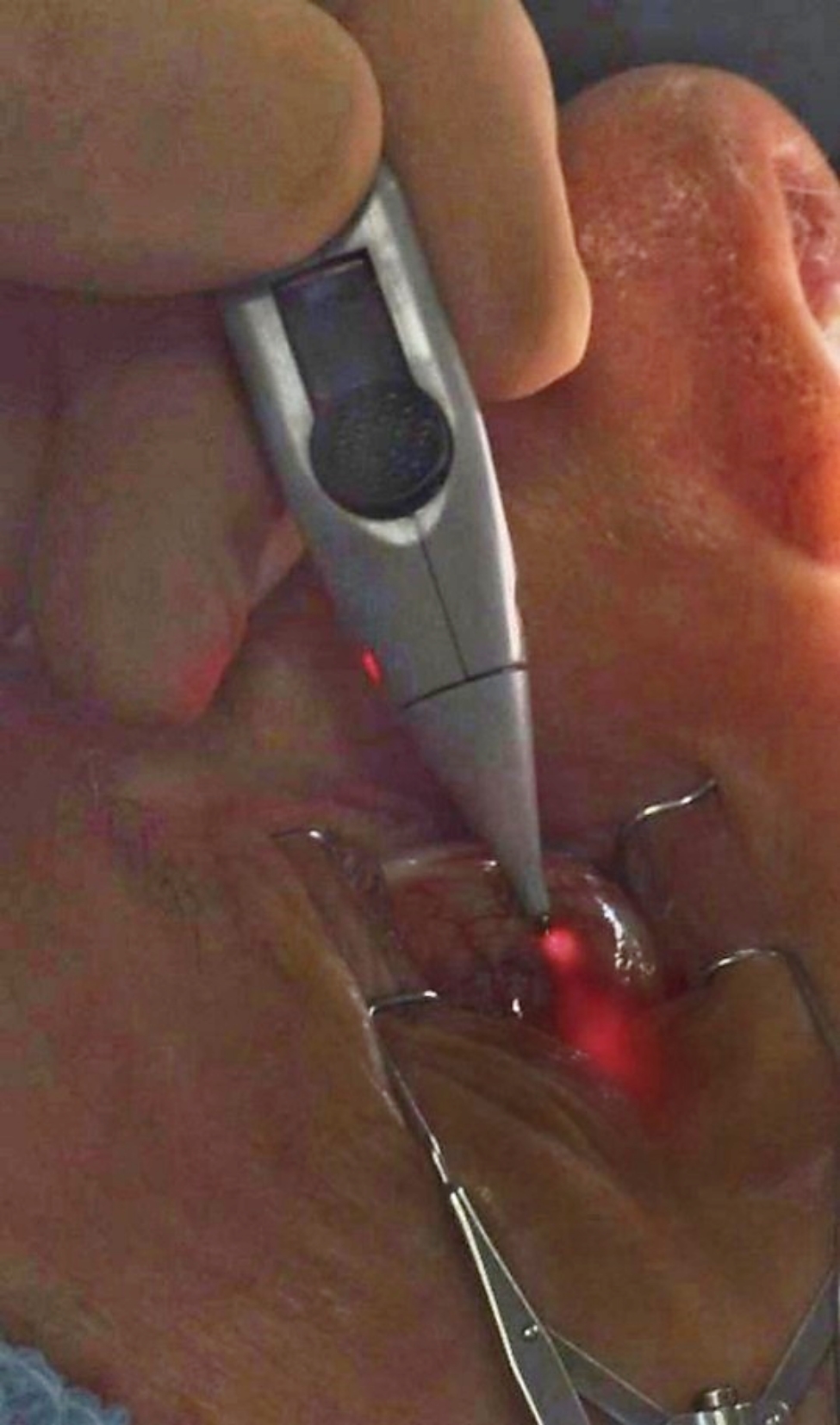
Two patients were catheterized with the Oxulumis suprachoroidal delivery system on two separate occasions starting 5 and 10 mm posterior to the limbus. The catheter only remains in the suprachoroidal space for the time of the drug administration. Visual acuity and spectral domain optical coherence tomography (SD-OCT) changes were followed over several weeks to months to determine the duration of ME resolution.
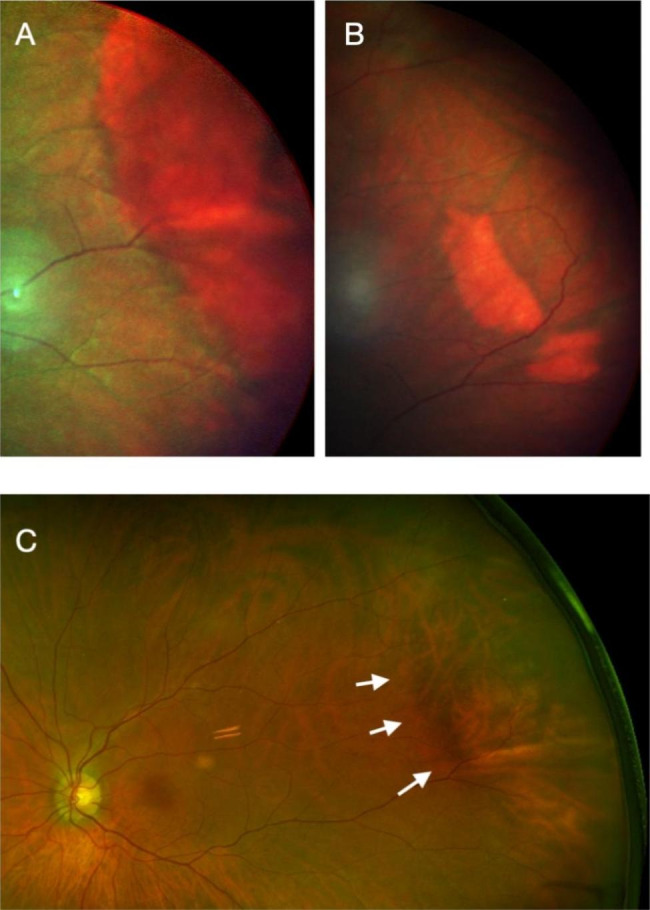
Suprachoroidal microcatheterization for posterior delivery of triamcinolone was possible in all attempts using the illuminated Oxulumis catheter. No reflux, scleral or choroidal trauma was observed. There was no intraocular pressure rise during the follow-up period. The triamcinolone deposit was visible on infrared imaging and on SD-OCT a choroidal elevation was visible. Both progressively disappeared over time. A rapid resolution of ME associated with improved vision was observed following each injection for 3 to 7 months with a TA dose of 2.4 mg or 4 mg.
In these patients with poorly responsive ME, posterior suprachoroidal TA led to a visible suprachoroidal drug deposit and prolonged visual improvement. The Oxulumis microcatheterization device performed as expected and was not associated with any complications.
手术后黄斑水肿(ME)是导致视力长期受损的常见原因。在这里,我们报告了使用新型脉络膜下微导管通过在后脉络膜下位置放置曲安奈德(TA)混悬液来治疗手术后慢性 ME 的可行性和临床结果。
两名患者在两次不同的手术中使用 Oxulumis 脉络膜下输送系统进行了导管插入术,起始位置分别为距角膜缘后 5 和 10 毫米。导管仅在药物给药期间留在脉络膜下间隙中。通过对视力和频域光学相干断层扫描(SD-OCT)进行数周至数月的随访,以确定 ME 缓解的持续时间。
使用发光的 Oxulumis 导管,所有尝试均成功进行了脉络膜下微导管插入术,以进行 TA 的后向输送。未观察到反流、巩膜或脉络膜创伤。在随访期间眼压没有升高。在红外成像上可以看到曲安奈德的沉积,在 SD-OCT 上可以看到脉络膜隆起。随着时间的推移,两者逐渐消失。每次注射 2.4 毫克或 4 毫克 TA 后,ME 迅速缓解,视力改善,持续时间为 3 至 7 个月。
在这些对治疗反应不佳的 ME 患者中,后脉络膜下 TA 导致可见的脉络膜下药物沉积和长期的视力改善。Oxulumis 微导管插入装置如预期那样发挥作用,且无任何并发症。