University of Medicine and Pharmacy, Craiova, Romania.
Department of Neurology, Emergency County Hospital, Targu-Jiu, Romania.
J Med Life. 2023 Jun;16(6):842-850. doi: 10.25122/jml-2023-0127.
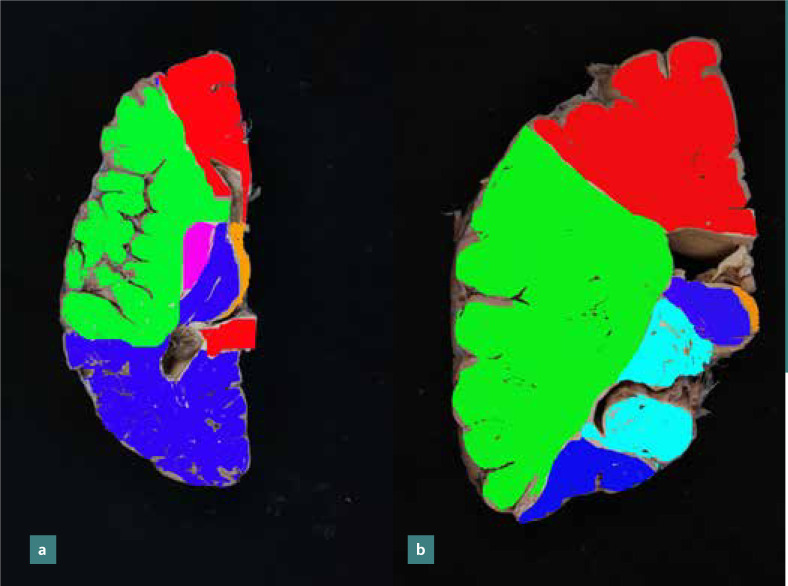
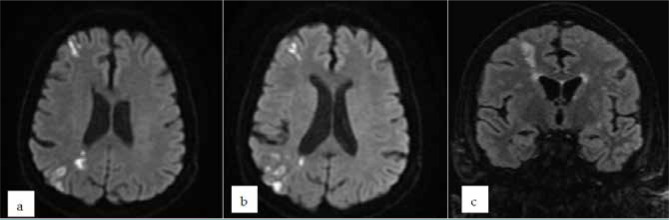
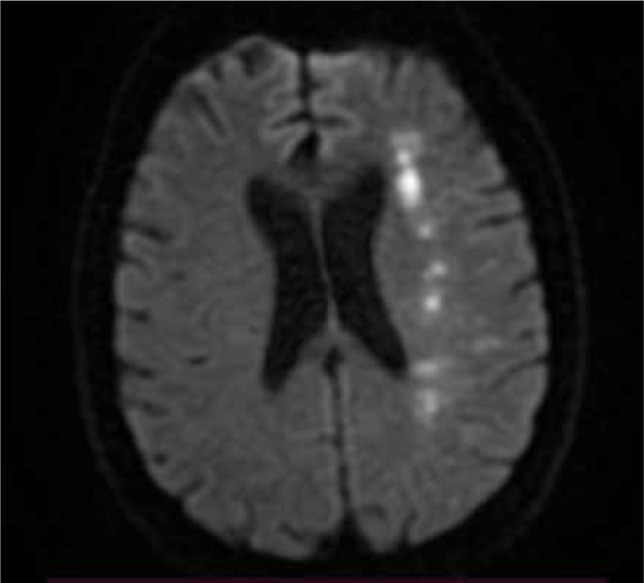
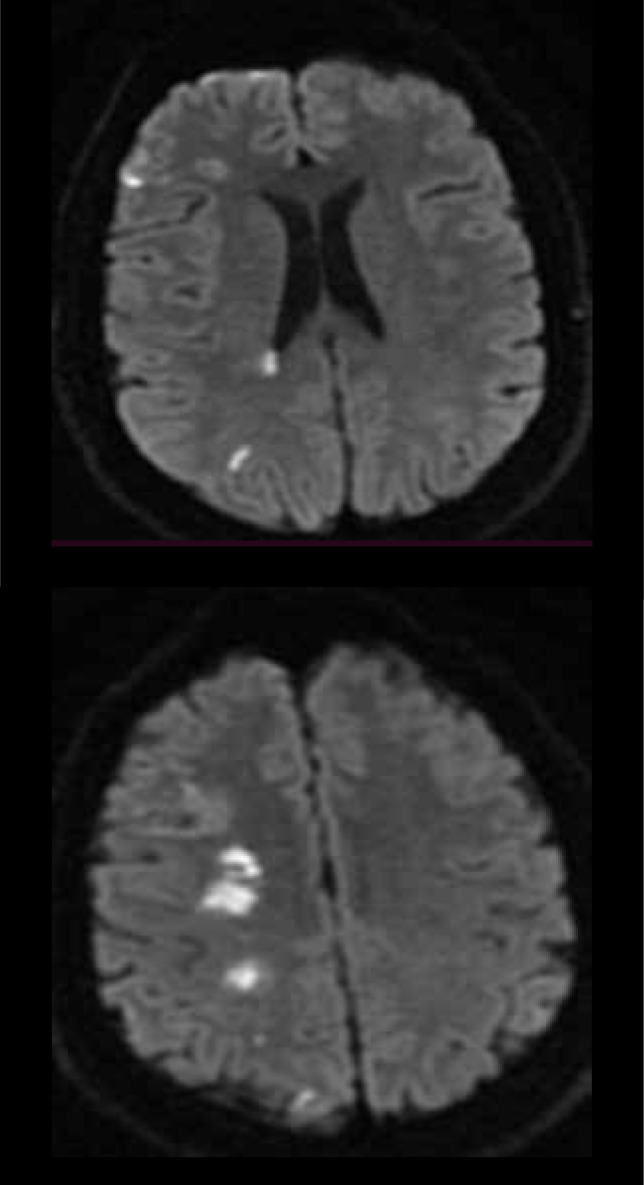
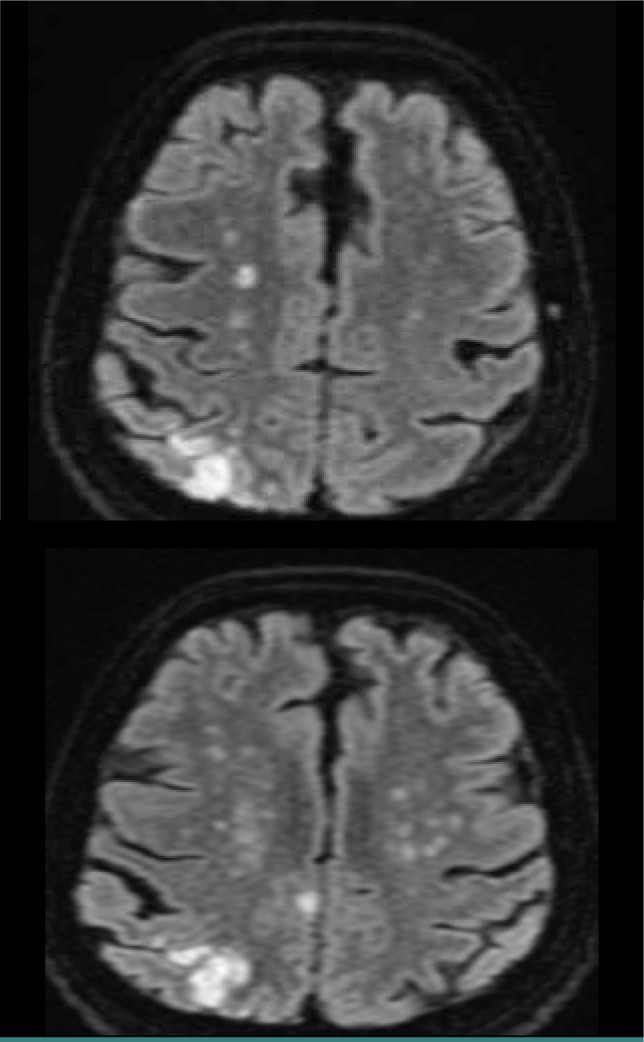
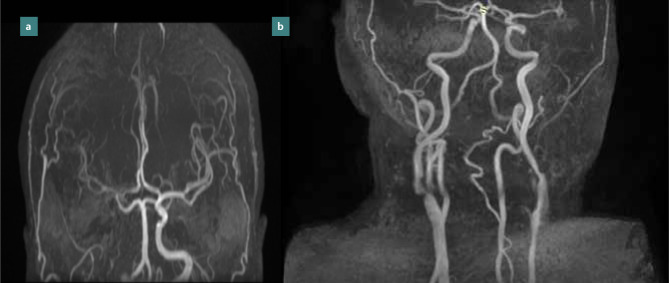
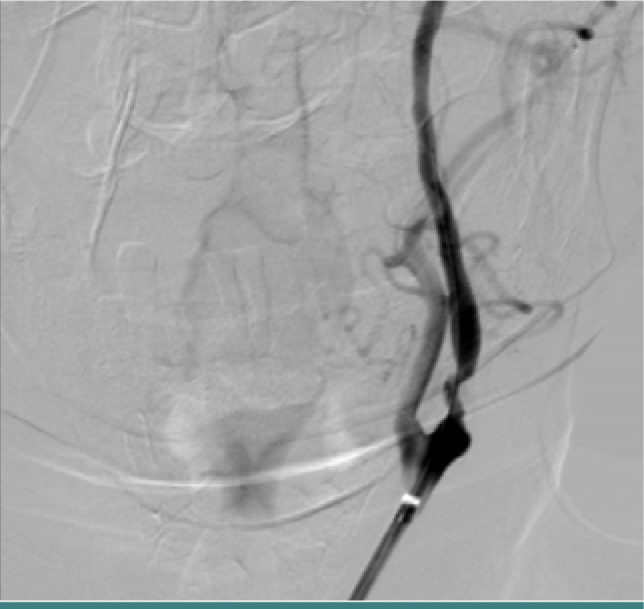
Watershed strokes have been described previously as ischemic strokes located in vulnerable border zones between brain tissue supplied by the anterior, posterior, and middle cerebral arteries in the distal junction between two non-anastomotic arterial territories. Ischemic strokes in border zones are well-recognized entities and well-described in terms of imaging features, but the pathophysiological mechanism of brain injury production is not fully defined. Border zone ischemia is caused by cerebral hypoperfusion through decreased cerebral blood flow and arterial embolism in unstable atheroma plaque. It is often difficult to say which mechanisms are fully responsible for producing cerebral ischemic lesions. This review aimed to highlight the imaging aspect of watershed strokes and to correlate the clinical characteristics of this type of stroke with the diagnostic algorithm for optimal therapeutic management. Neurologists should promptly recognize this type of stroke and investigate its etiology in the shortest possible time.
分水岭梗死此前被描述为位于大脑前、后、中动脉供血的脑组织之间的交界区,即两个非吻合动脉区域的远端交界处的缺血性脑卒中。交界区的缺血性脑卒中是一种公认的实体,在影像学特征方面有很好的描述,但脑损伤产生的病理生理机制尚未完全确定。交界区的缺血是由于脑灌注减少导致的,其原因包括脑血流量减少和不稳定粥样斑块中的动脉栓塞。通常很难确定哪些机制完全负责产生脑缺血性病变。本综述旨在强调分水岭梗死的影像学表现,并将这种类型的脑卒中的临床特征与最佳治疗管理的诊断算法相关联。神经科医生应该迅速识别这种类型的脑卒中,并在最短的时间内调查其病因。