Yang Jing, Lou Jiashu, Zhong Weiwei, Li Yaochen, He Yong, Su Shiwen, Chen Xianzhi, Zhu Biao
Key Laboratory of Quality and Safety Control for Subtropical Fruit and Vegetable, Ministry of Agriculture and Rural Affairs, Collaborative Innovation Center for Efficient and Green Production of Agriculture in Mountainous Areas of Zhejiang Province, College of Horticulture Science, Zhejiang A&F University, Hangzhou 311300, China.
Wenzhou Academy of Agricultural Sciences, Wenzhou 325006, China.
Foods. 2023 Aug 24;12(17):3195. doi: 10.3390/foods12173195.
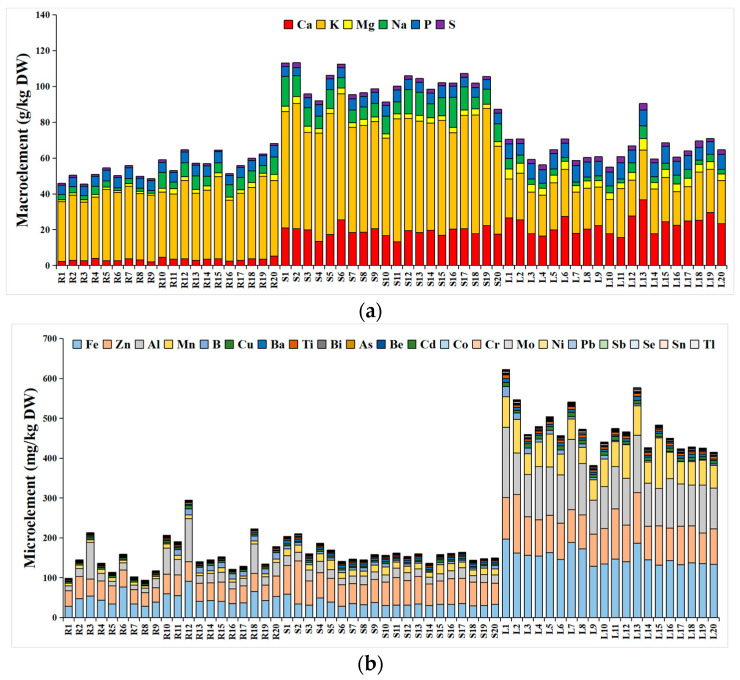
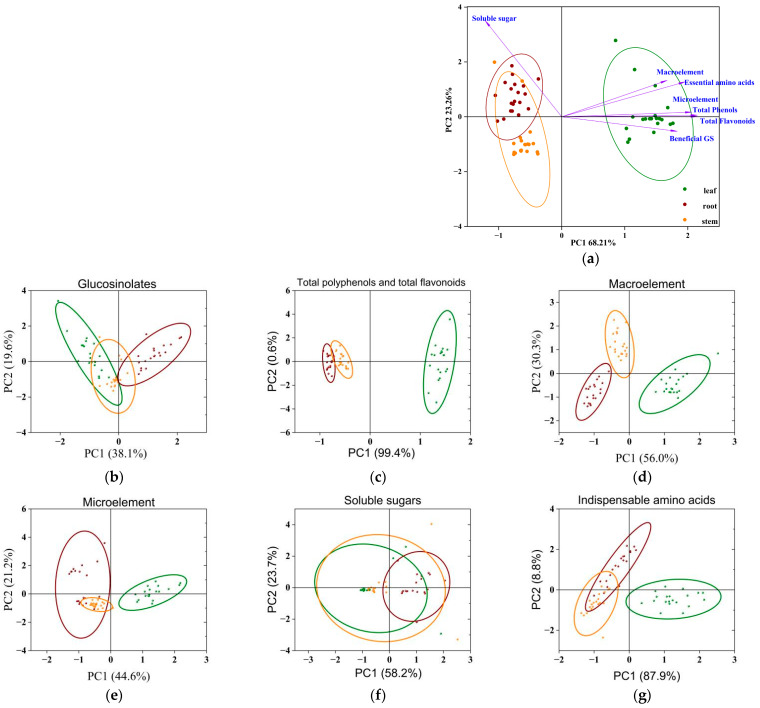
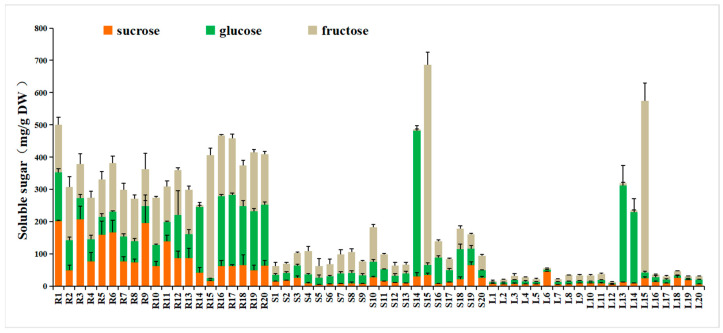
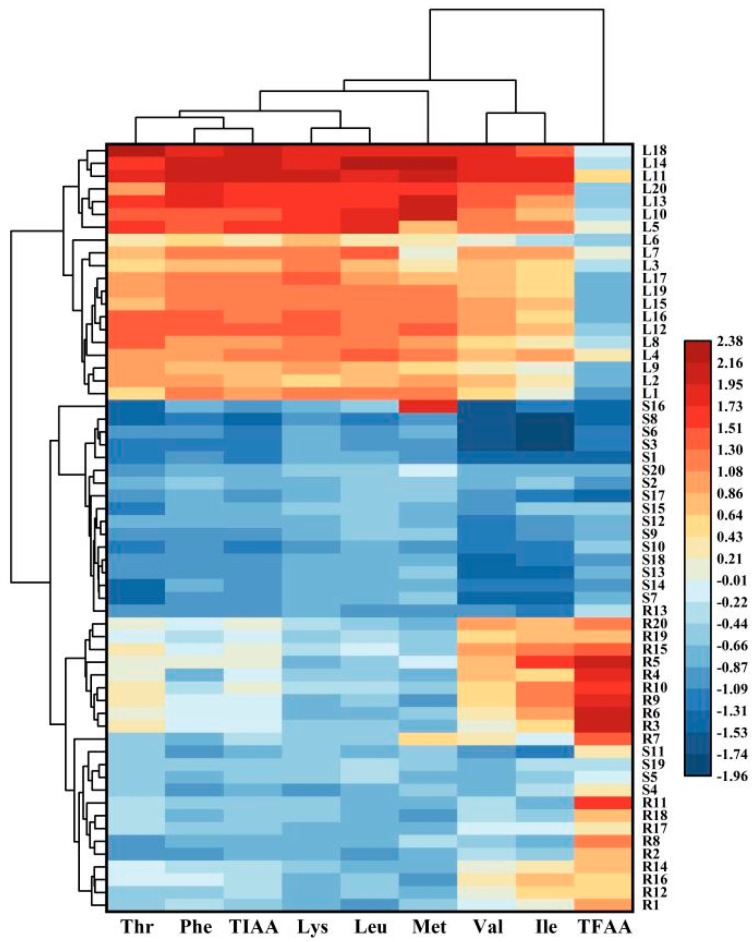
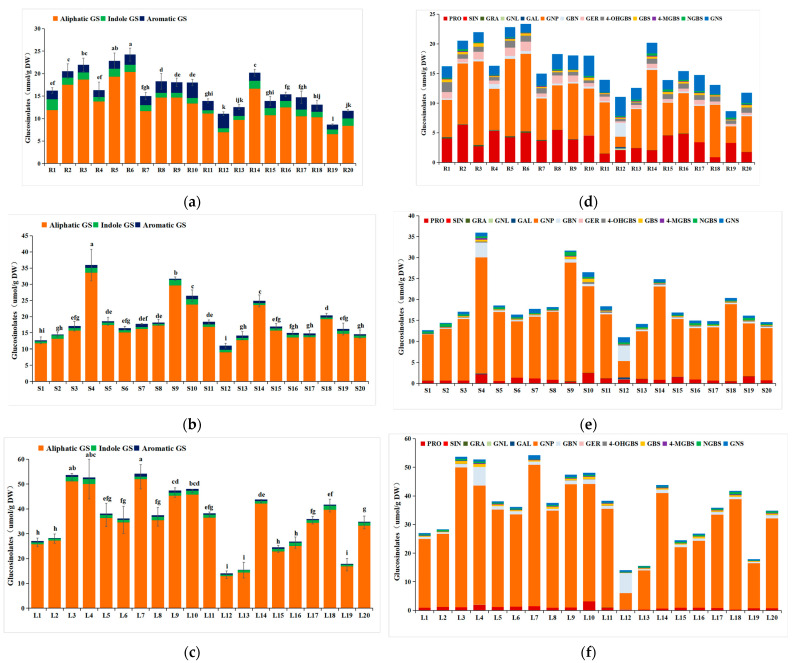
Turnip ( subsp. ) is a cruciferous plant cultivated worldwide that serves as a source of nutrients and bioactive compounds. Most turnip studies have focused on a few compounds or on part of the plant. The establishment of a complete chemical profile of different plant parts would facilitate its use for nutritional and medicinal purposes. In the current study, mineral elements, soluble sugars, free amino acids (FAA), total phenols (TP), total flavonoids (TF), and glucosinolates (GS) were quantified in the leaves, stems, and roots. Results were compared for 20 strains of turnip. The outcomes showed significant differences between parts of the plant and strains. The leaves exhibited the highest TF, TP, indispensable FAA, and microelement levels, and they showed a higher GS. Moreover, the stems had a high content of GS and macroelements. Furthermore, the roots showed high levels of free sugars and total FAA. The findings of this work provide the basis for utilizing each part of the turnip plant based on its chemical composition.
芜菁(亚种)是一种在全球范围内广泛种植的十字花科植物,是营养物质和生物活性化合物的来源。大多数芜菁研究都集中在少数几种化合物或植物的一部分上。建立不同植物部位的完整化学图谱将有助于其在营养和药用方面的应用。在本研究中,对芜菁的叶、茎和根中的矿质元素、可溶性糖、游离氨基酸(FAA)、总酚(TP)、总黄酮(TF)和硫代葡萄糖苷(GS)进行了定量分析。对20个芜菁品种的结果进行了比较。结果表明,植物各部位和不同品种之间存在显著差异。叶片中TF、TP、必需FAA和微量元素含量最高,且硫代葡萄糖苷含量也较高。此外,茎中硫代葡萄糖苷和大量元素含量较高。此外,根中游离糖和总FAA含量较高。这项工作的结果为根据芜菁植物各部位的化学成分加以利用提供了依据。