
多潜能谷氨酸 N1(NMDA NR1):在疼痛/伤害感受的细胞核中的功能意义。
Pluripotential GluN1 (NMDA NR1): Functional Significance in Cellular Nuclei in Pain/Nociception.
机构信息
Department of Neuroscience and Cell Biology, University of Texas Medical Branch Galveston, Galveston, TX 77555-1043, USA.
Department of Internal Medicine, University of Texas Medical Branch Galveston, Galveston, TX 77555-1043, USA.
出版信息
Int J Mol Sci. 2023 Aug 25;24(17):13196. doi: 10.3390/ijms241713196.
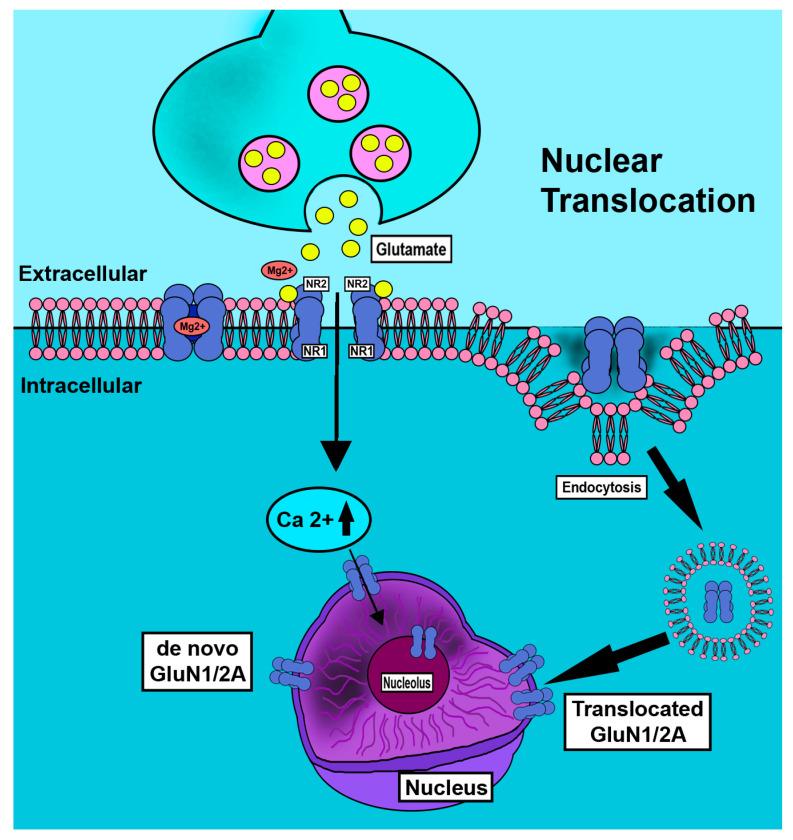
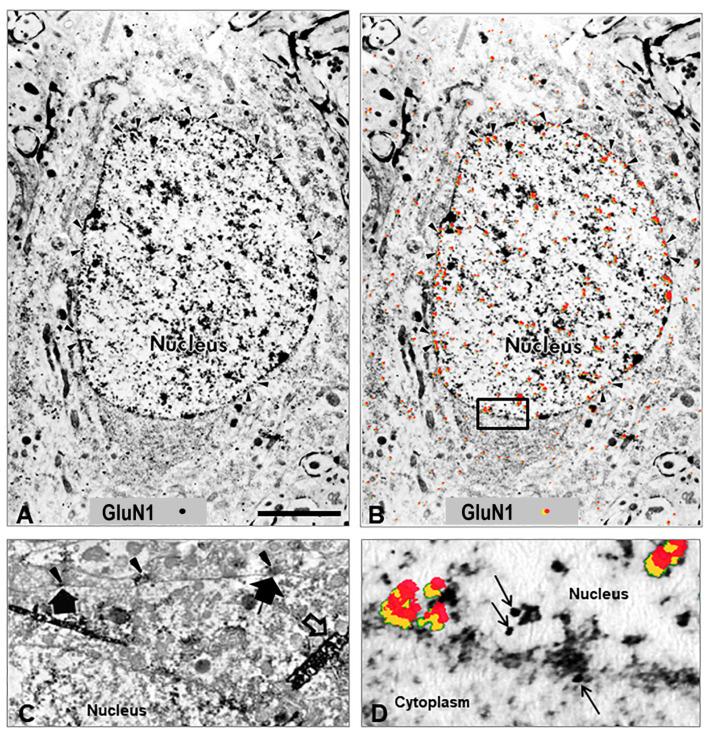
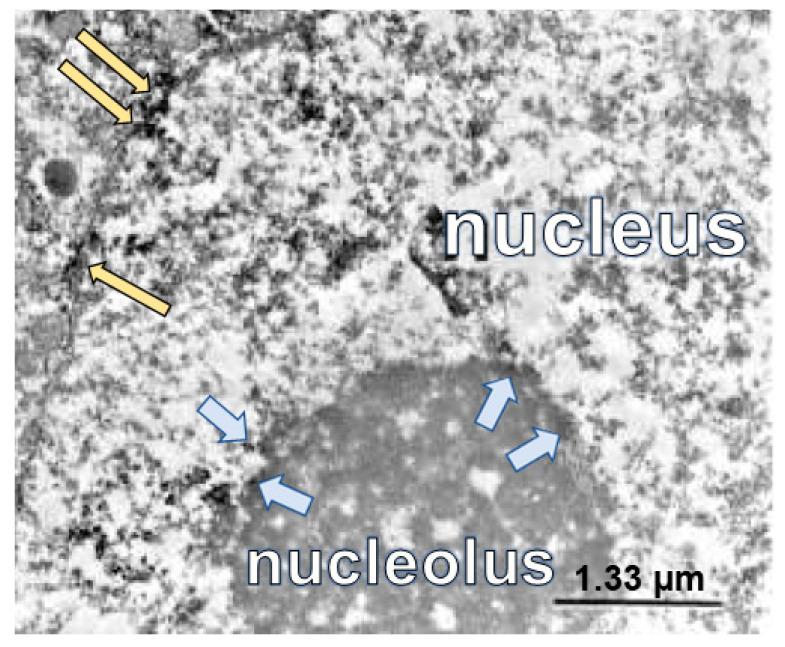
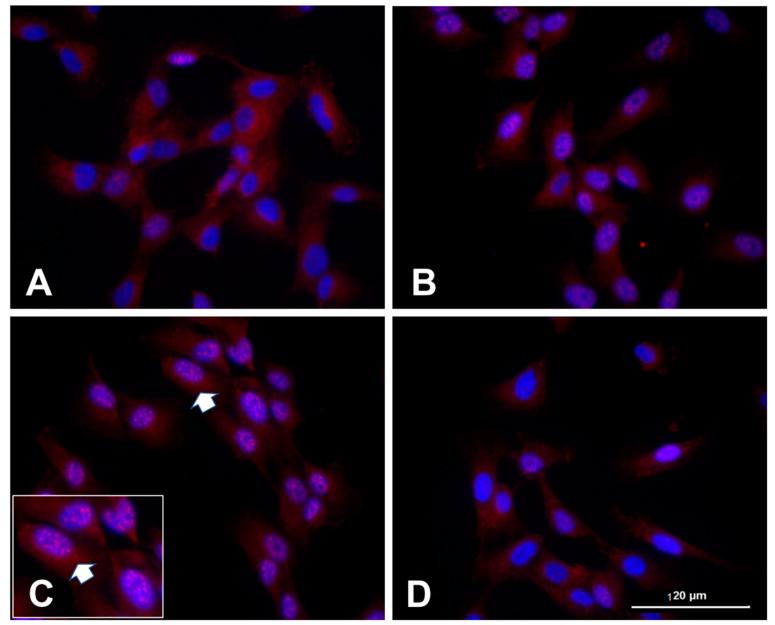
The -methyl-D-aspartate (NMDA) glutamate receptors function as plasma membrane ionic channels and take part in very tightly controlled cellular processes activating neurogenic and inflammatory pathways. In particular, the NR1 subunit (new terminology: GluN1) is required for many neuronal and non-neuronal cell functions, including plasticity, survival, and differentiation. Physiologic levels of glutamate agonists and NMDA receptor activation are required for normal neuronal functions such as neuronal development, learning, and memory. When glutamate receptor agonists are present in excess, binding to NMDA receptors produces neuronal/CNS/PNS long-term potentiation, conditions of acute pain, ongoing severe intractable pain, and potential excitotoxicity and pathology. The GluNR1 subunit (116 kD) is necessary as the anchor component directing ion channel heterodimer formation, cellular trafficking, and the nuclear localization that directs functionally specific heterodimer formation, cellular trafficking, and nuclear functions. Emerging studies report the relevance of GluN1 subunit composition and specifically that nuclear GluN1 has major physiologic potential in tissue and/or subnuclear functioning assignments. The shift of the GluN1 subunit from a surface cell membrane to nuclear localization assigns the GluN1 promoter immediate early gene behavior with access to nuclear and potentially nucleolar functions. The present narrative review addresses the nuclear translocation of GluN1, focusing particularly on examples of the role of GluN1 in nociceptive processes.
- 甲基-D-天冬氨酸(NMDA)谷氨酸受体作为质膜离子通道发挥作用,并参与非常严格控制的细胞过程,激活神经发生和炎症途径。特别是,NR1 亚基(新术语:GluN1)是许多神经元和非神经元细胞功能所必需的,包括可塑性、存活和分化。谷氨酸激动剂和 NMDA 受体激活的生理水平对于正常神经元功能是必需的,如神经元发育、学习和记忆。当谷氨酸受体激动剂过量存在时,与 NMDA 受体结合会导致神经元/CNS/PNS 长时程增强、急性疼痛、持续严重的难治性疼痛以及潜在的兴奋性毒性和病理学。GluNR1 亚基(116 kD)是必需的,作为锚定组件,指导离子通道异二聚体形成、细胞运输和核定位,指导功能特异性异二聚体形成、细胞运输和核功能。新出现的研究报告了 GluN1 亚基组成的相关性,特别是核 GluN1 在组织和/或亚核功能分配中具有主要的生理潜力。GluN1 亚基从细胞膜表面向核定位的转移赋予了 GluN1 启动子即时早期基因行为,可访问核和潜在的核仁功能。本叙述性综述探讨了 GluN1 的核易位,特别关注 GluN1 在伤害性过程中的作用的例子。
 Zotero 插件