Ceramic Physics Laboratory, Kyoto Institute of Technology, Sakyo-ku, Matsugasaki, Kyoto 606-8585, Japan.
Department of Immunology, Graduate School of Medical Science, Kyoto Prefectural University of Medicine, Kamigyo-ku, Kyoto 602-8566, Japan.
Int J Mol Sci. 2023 Aug 28;24(17):13351. doi: 10.3390/ijms241713351.
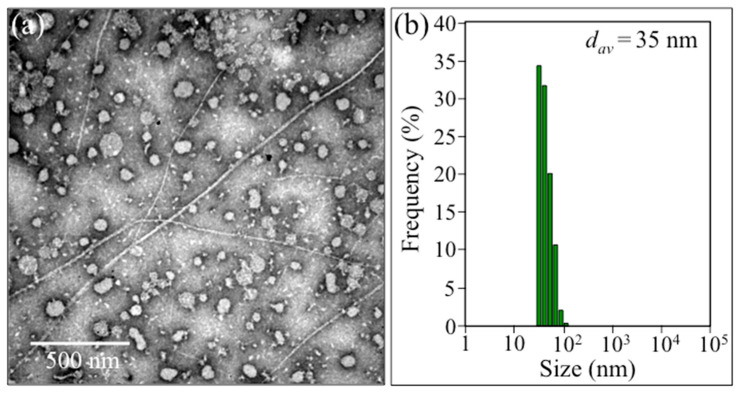
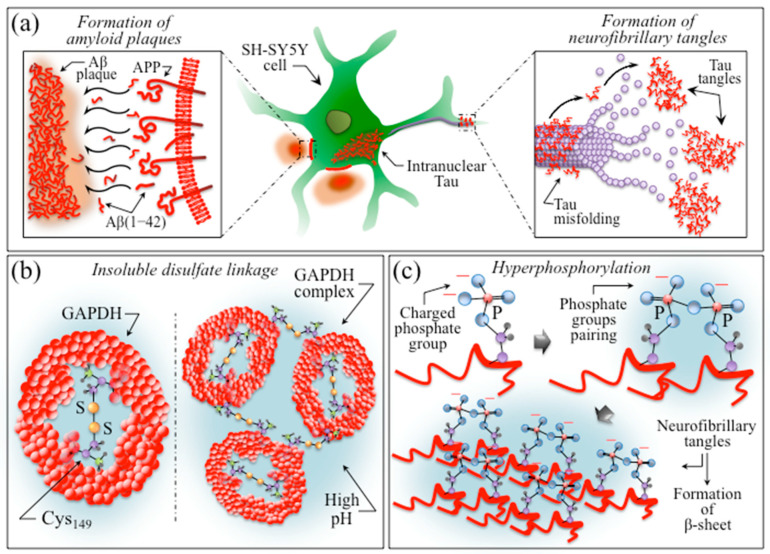
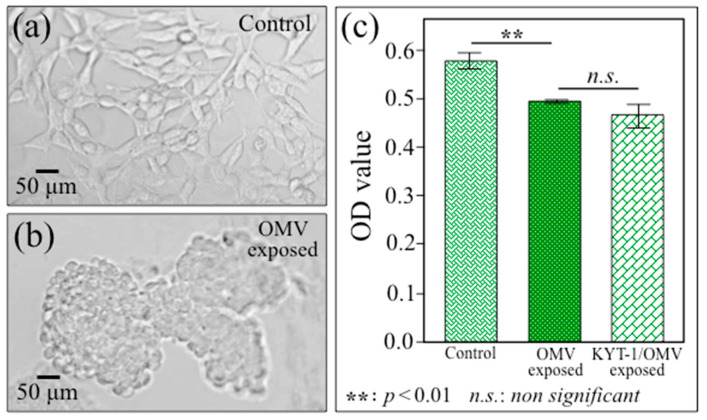
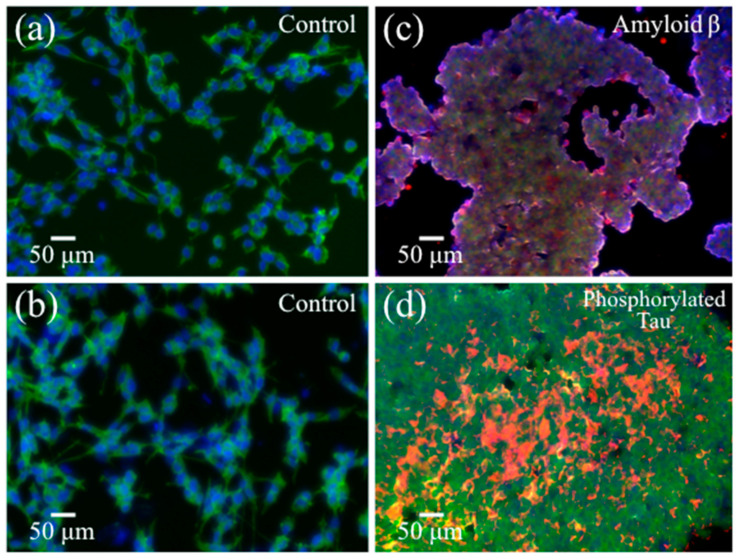
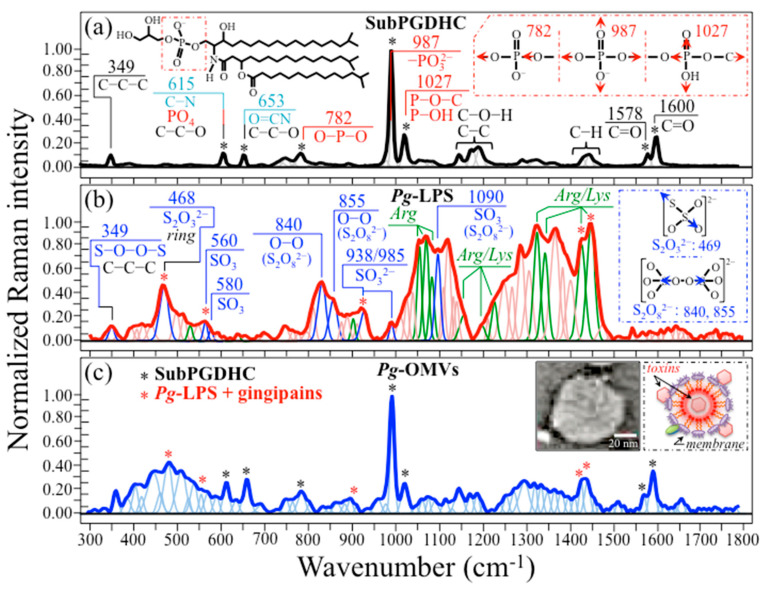
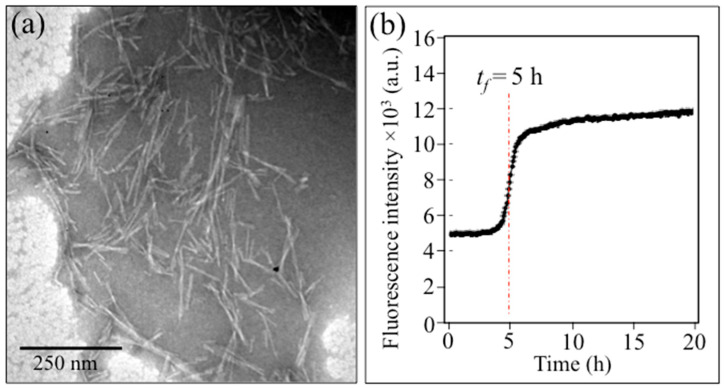
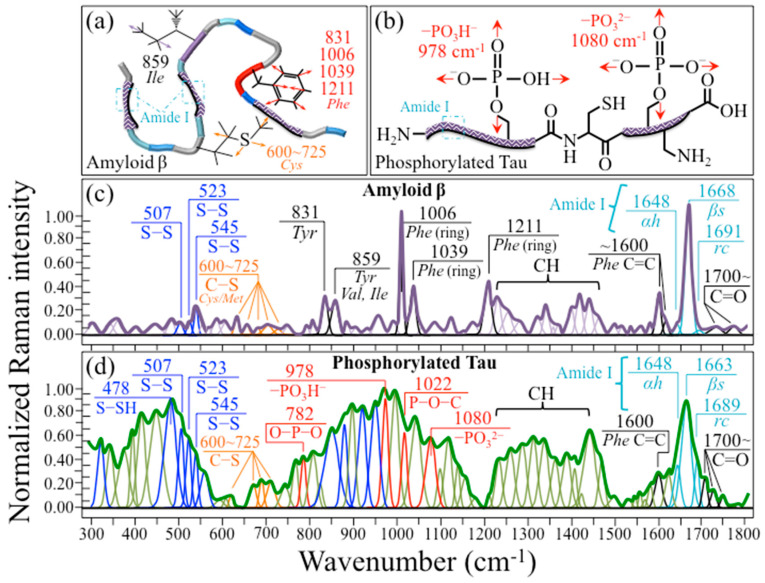
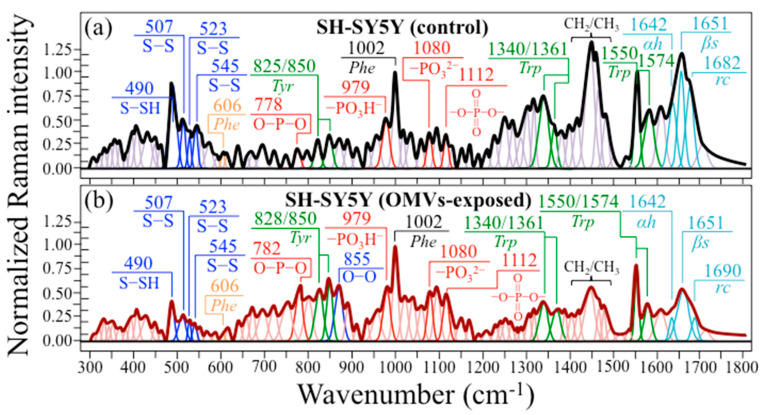
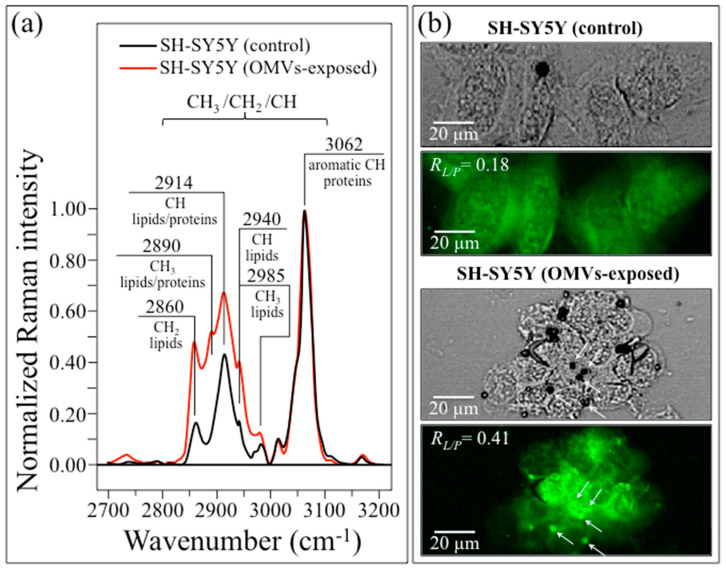
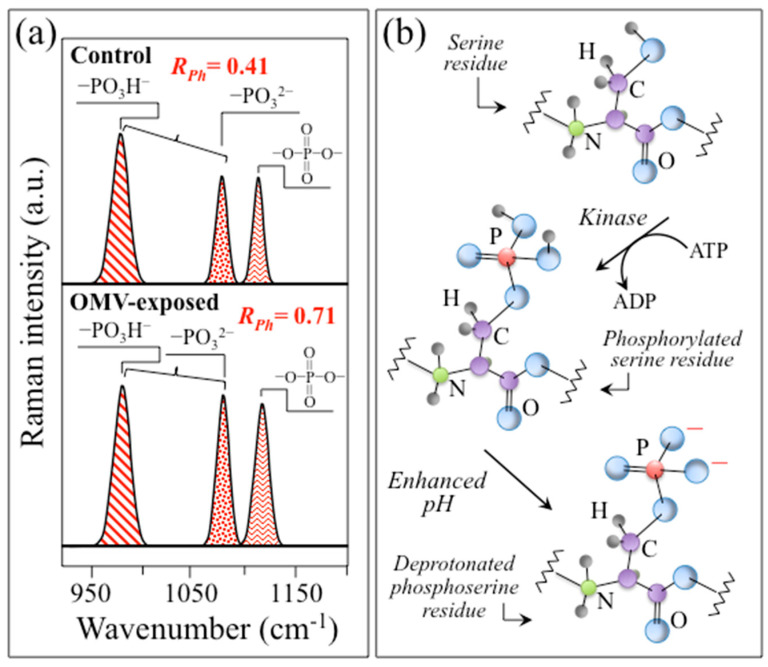
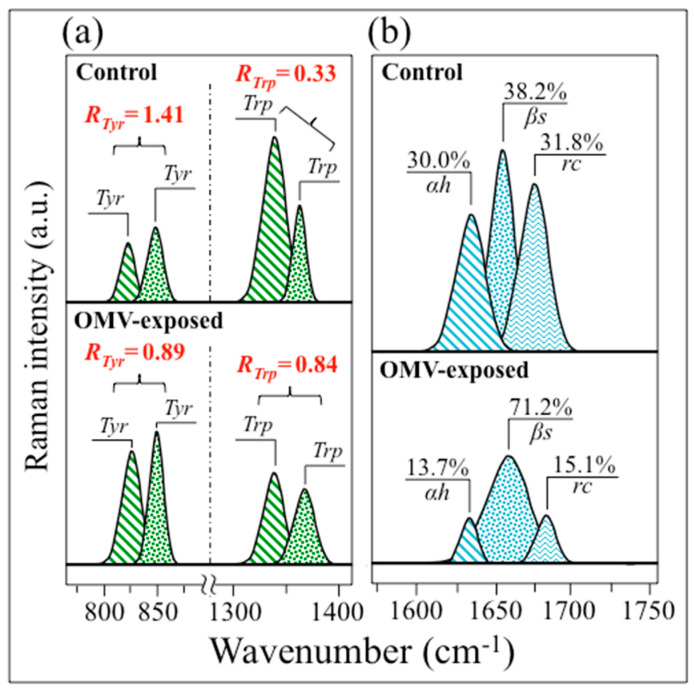
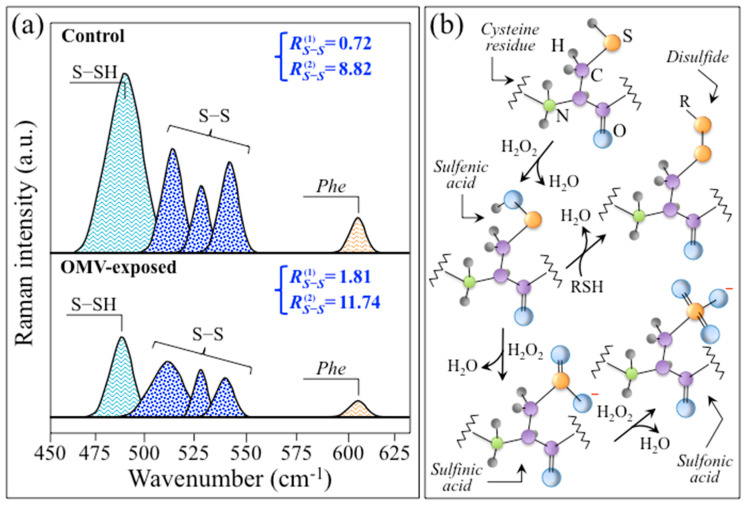
The aim of this study was to elucidate the chemistry of cellular degeneration in human neuroblastoma cells upon exposure to outer-membrane vesicles (OMVs) produced by () oral bacteria by monitoring their metabolomic evolution using in situ Raman spectroscopy. -OMVs are a key factor in Alzheimer's disease (AD) pathogenesis, as they act as efficient vectors for the delivery of toxins promoting neuronal damage. However, the chemical mechanisms underlying the direct impact of -OMVs on cell metabolites at the molecular scale still remain conspicuously unclear. A widely used in vitro model employing neuroblastoma SH-SY5Y cells (a sub-line of the SK-N-SH cell line) was spectroscopically analyzed in situ before and 6 h after -OMV contamination. Concurrently, Raman characterizations were also performed on isolated -OMVs, which included phosphorylated dihydroceramide (PDHC) lipids and lipopolysaccharide (LPS), the latter in turn being contaminated with a highly pathogenic class of cysteine proteases, a key factor in neuronal cell degradation. Raman characterizations located lipopolysaccharide fingerprints in the vesicle structure and unveiled so far unproved aspects of the chemistry behind protein degradation induced by -OMV contamination of SH-SY5Y cells. The observed alterations of cells' Raman profiles were then discussed in view of key factors including the formation of amyloid β (Aβ) plaques and hyperphosphorylated Tau neurofibrillary tangles, and the formation of cholesterol agglomerates that exacerbate AD pathologies.
本研究旨在通过原位拉曼光谱监测暴露于 ()口腔细菌外膜囊泡(OMVs)后人类神经母细胞瘤细胞的细胞退化化学变化,阐明其机制。OMVs 是阿尔茨海默病(AD)发病机制的一个关键因素,因为它们作为促进神经元损伤的毒素的有效载体。然而,-OMVs 对细胞代谢物的直接影响在分子水平上的化学机制仍然明显不清楚。本研究采用神经母细胞瘤 SH-SY5Y 细胞(SK-N-SH 细胞系的一个亚系)的广泛应用的体外模型进行了原位光谱分析,分别在 -OMV 污染前和污染后 6 小时进行分析。同时,还对分离的 -OMVs 进行了拉曼表征,其中包括磷酸二氢神经酰胺(PDHC)脂质和脂多糖(LPS),后者又被高度致病性的半胱氨酸蛋白酶类污染,这是神经元细胞降解的关键因素。拉曼特征定位了 LPS 在囊泡结构中的指纹,并揭示了 -OMV 污染 SH-SY5Y 细胞诱导蛋白降解背后的化学性质的一些以前未证明的方面。然后根据包括淀粉样β(Aβ)斑块和过度磷酸化 Tau 神经原纤维缠结形成以及胆固醇聚集物形成等关键因素,讨论了观察到的细胞拉曼图谱的变化,这些聚集物会加剧 AD 病理学。