Kandrotaitė Janutienė Rasa, Mažeika Darius, Dlouhý Jaromír, Syzonenko Olha, Torpakov Andrii, Lipian Evgenii, Baltušnikas Arūnas
Department of Production Engineering, Kaunas University of Technology, 44249 Kaunas, Lithuania.
COMTES FHT a.s., 33441 Dobřany, Czech Republic.
Materials (Basel). 2023 Aug 29;16(17):5894. doi: 10.3390/ma16175894.
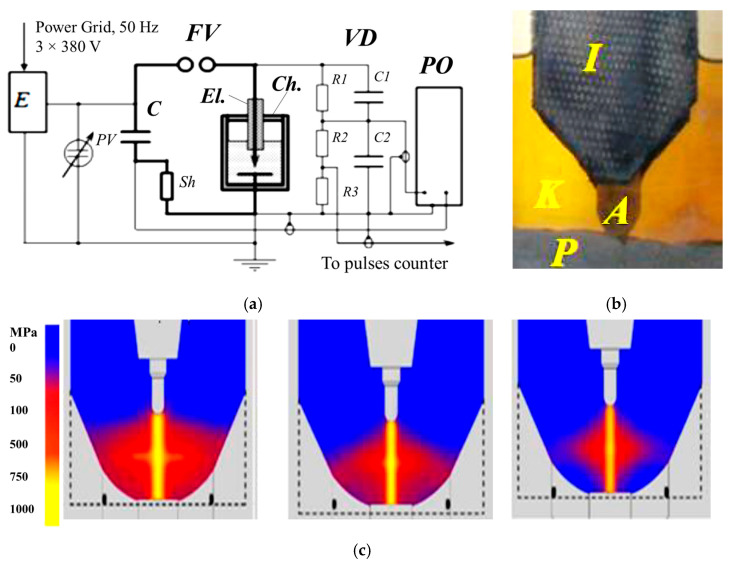
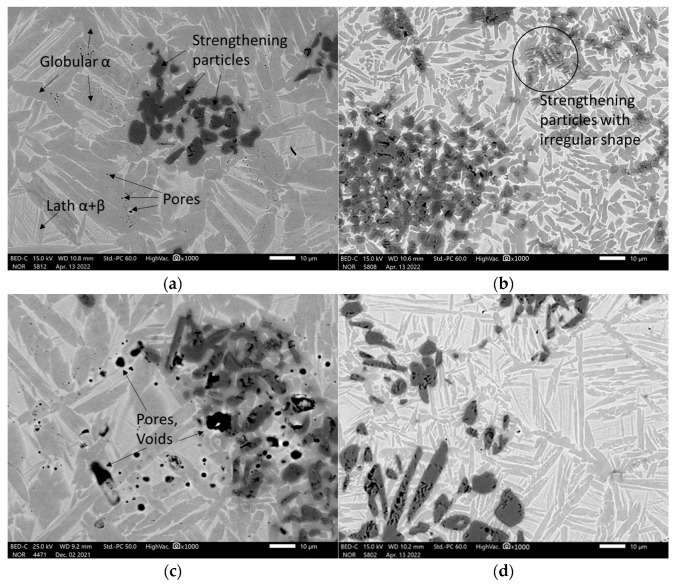
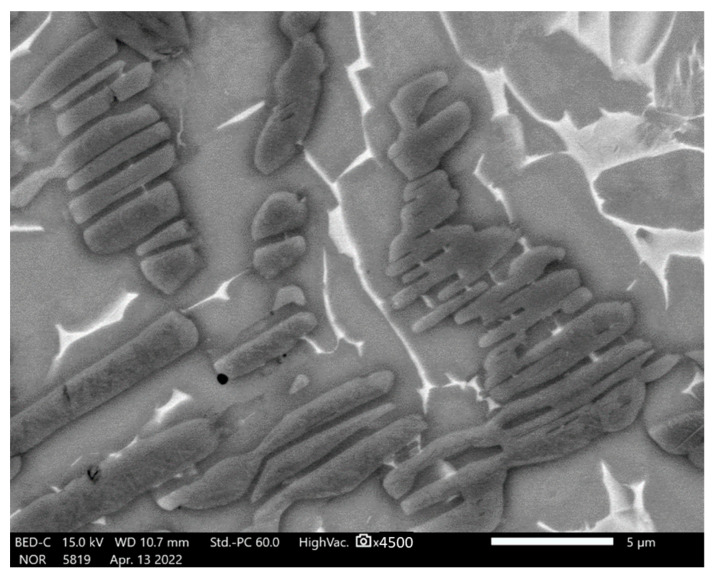
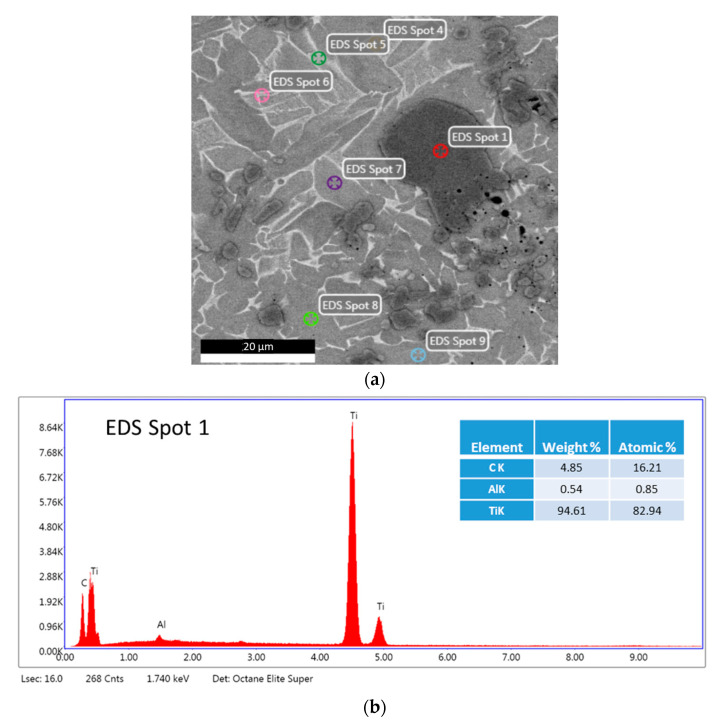
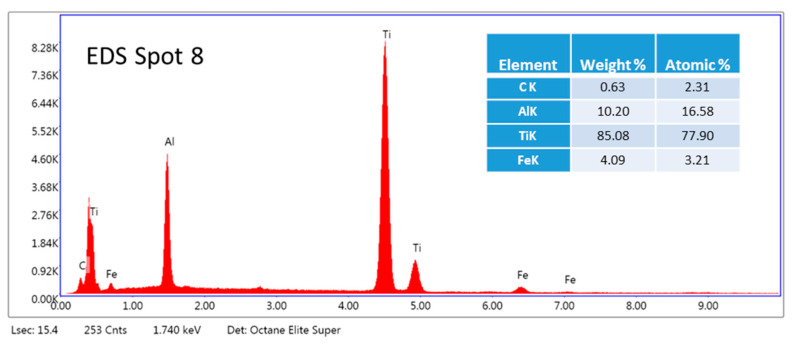
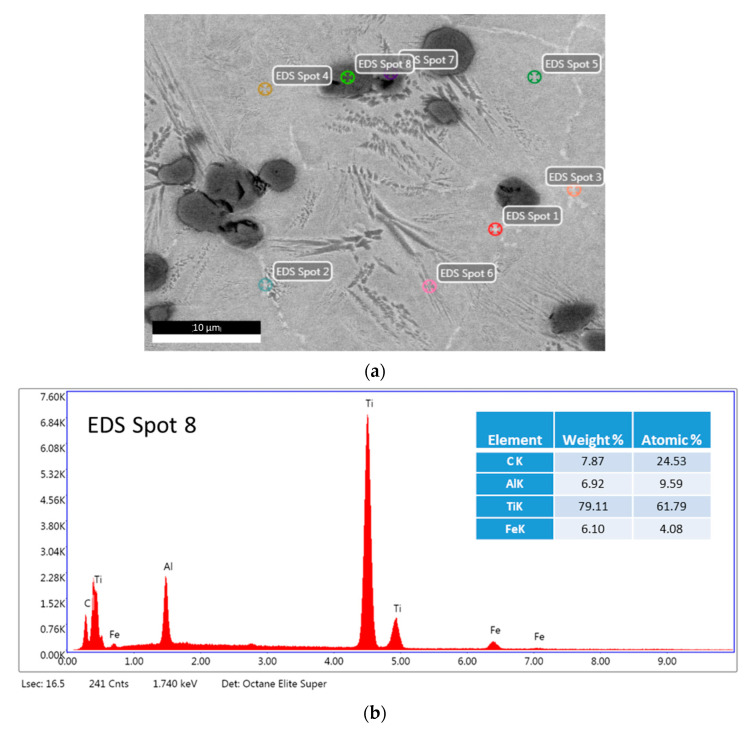
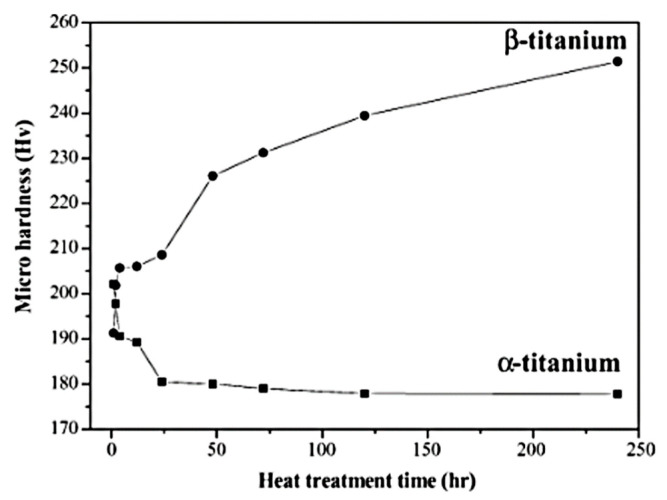
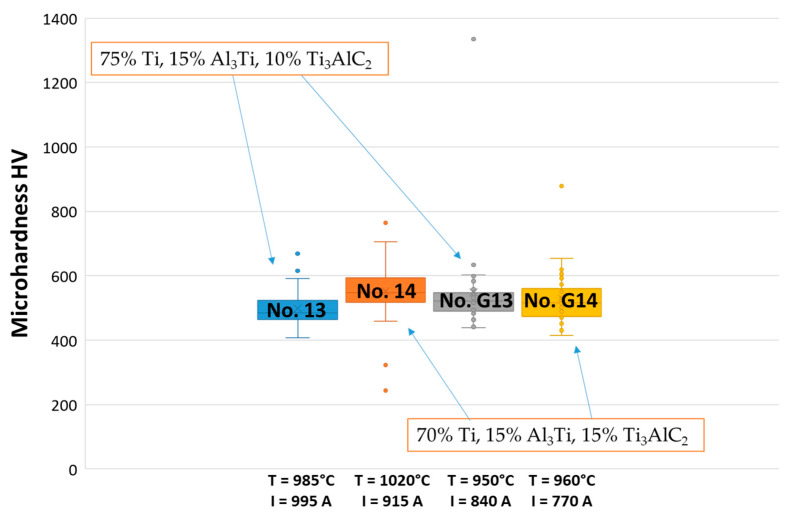
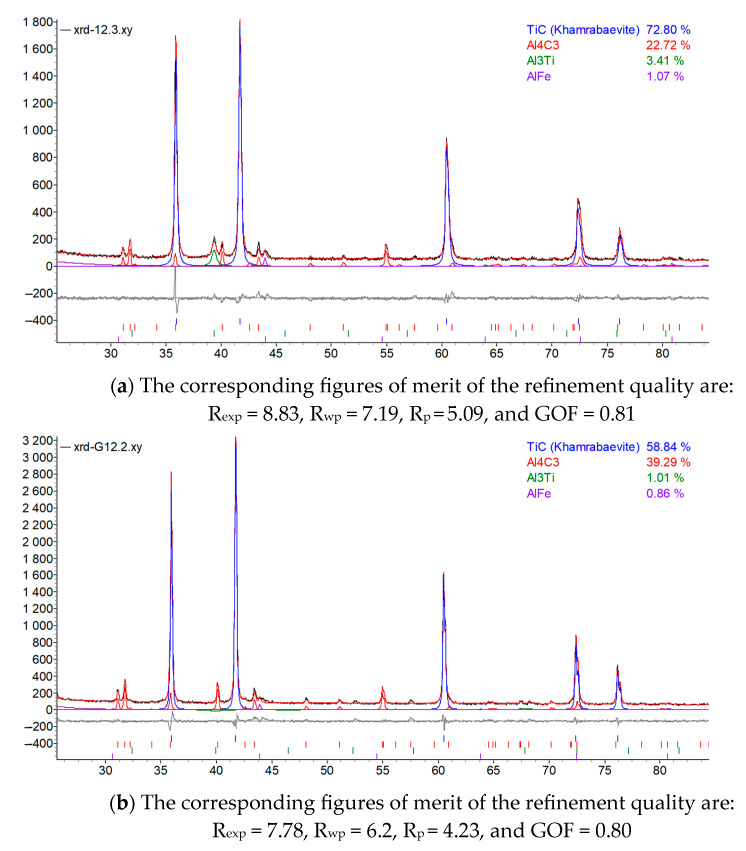
Dispersion-hardened materials based on TiC-AlnCn are alloys with high heat resistance, strength, and durability that can be used in aircraft and rocket technology as a hard lubricant. The titanium-rich composites of the Ti-Al-C system were synthesized via the spark plasma sintering process. Composite powder with 85% of Ti, 15% of Al, and MAX-phases was processed using high-voltage electrical discharge in kerosene at a specific energy of 25 MJ kg to obtain nanosized particles. This method allows us to analyze the most efficient, energy saving, and less waste-generating technological processes producing materials with improved mechanical and physical properties. An Innova test indentation machine was used to determine the hardness of the synthesized composites. The microhardness of Ti-Al-C system samples was determined as approximately 500-600 HV. Scanning electron microscopy and energy-dispersive X-ray spectroscopy were performed to identify the hard titanium matrix reinforced by intermetallic phases and the clusters of carbides. Three types of reinforcing phases were detected existing in the composites-TiC, AlC, and AlTi, as well as a matrix consisting of α- and β-titanium. The lattice parameters of all phases detected in the composites were calculated using Rietveld analysis. It was determined that by increasing the temperature of sintering, the amount of aluminum and carbon increases in the carbides and intermetallic phases, while the amount of titanium decreases.
基于TiC-AlnCn的弥散强化材料是具有高耐热性、强度和耐久性的合金,可作为硬质润滑剂用于航空航天技术。Ti-Al-C系统的富钛复合材料通过放电等离子烧结工艺合成。将含有85%钛、15%铝和MAX相的复合粉末在煤油中以25 MJ/kg的特定能量进行高压放电处理,以获得纳米级颗粒。这种方法使我们能够分析生产具有改善的机械和物理性能的材料的最有效、节能且产生废物较少的工艺流程。使用Innova测试压痕机测定合成复合材料的硬度。Ti-Al-C系统样品的显微硬度测定为约500-600 HV。进行扫描电子显微镜和能量色散X射线光谱分析,以识别由金属间相和碳化物簇增强的硬质钛基体。在复合材料中检测到三种增强相-TiC、AlC和AlTi,以及由α-钛和β-钛组成的基体。使用Rietveld分析计算复合材料中检测到的所有相的晶格参数。结果确定,通过提高烧结温度,碳化物和金属间相中的铝和碳含量增加,而钛含量降低。