State Key Laboratory of Microbial Technology, Marine Biotechnology Research Center, Shandong University, Qingdao, 266237, China.
Frontiers Science Center for Deep Ocean Multispheres and Earth System & College of Marine Life Sciences, Ocean University of China, Qingdao, 266003, China.
Microb Cell Fact. 2023 Sep 9;22(1):179. doi: 10.1186/s12934-023-02170-7.
Alginate oligosaccharides (AOs) are the degradation products of alginate, a natural polysaccharide abundant in brown algae. AOs generated by enzymatic hydrolysis have diverse bioactivities and show broad application potentials. AOs production via enzymolysis is now generally with sodium alginate as the raw material, which is chemically extracted from brown algae. In contrast, AOs production by direct degradation of brown algae is more advantageous on account of its cost reduction and is more eco-friendly. However, there have been only a few attempts reported in AOs production from direct degradation of brown algae.
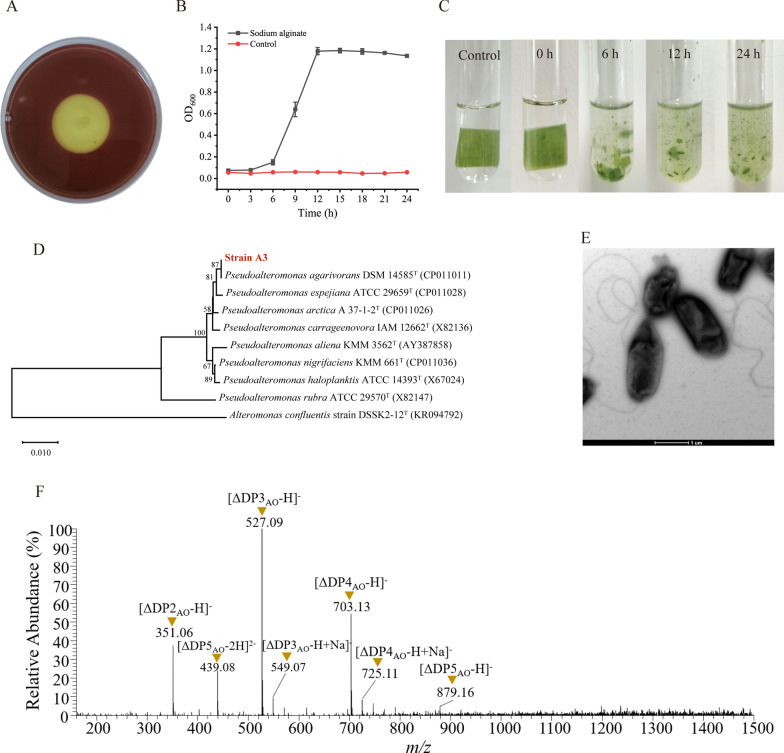
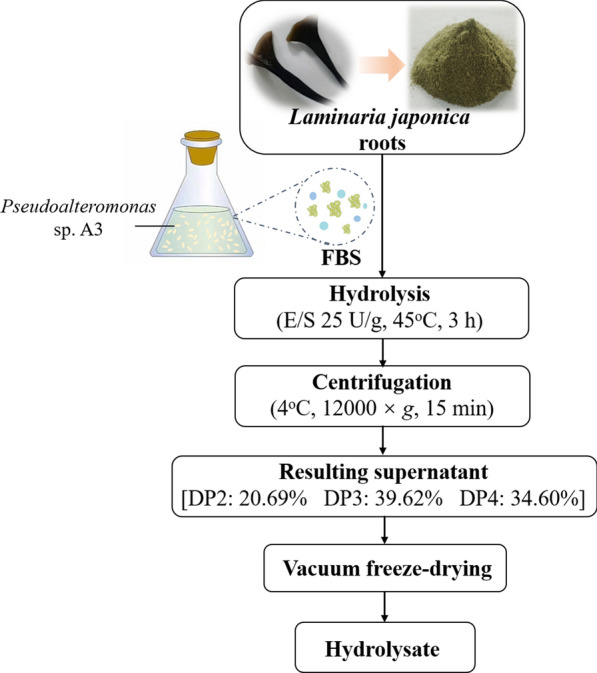
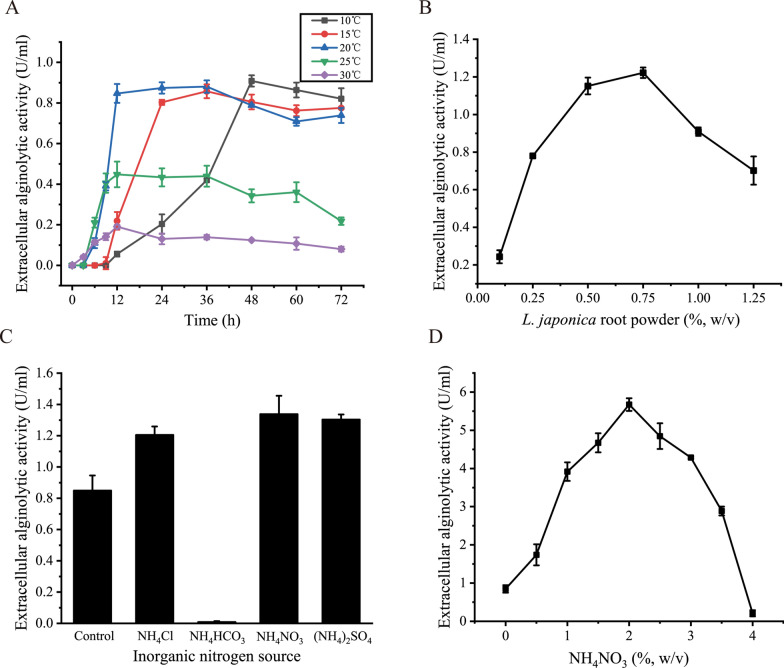
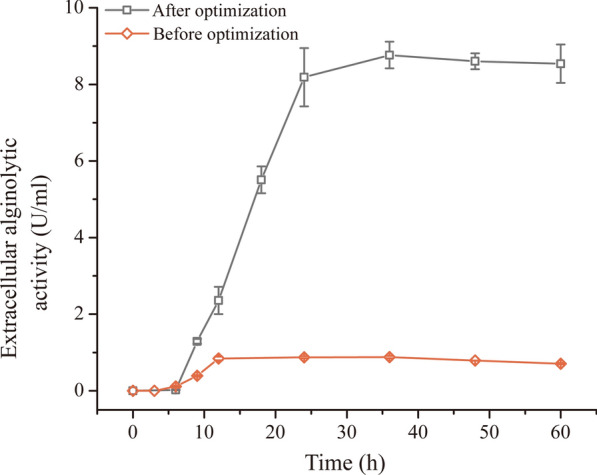
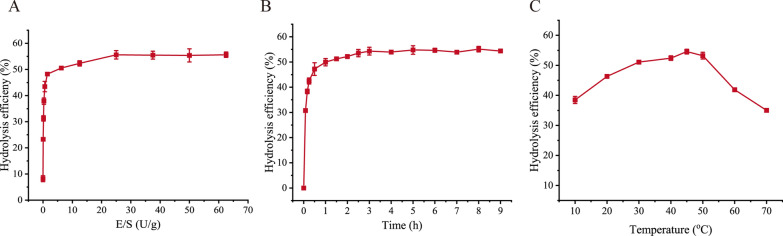
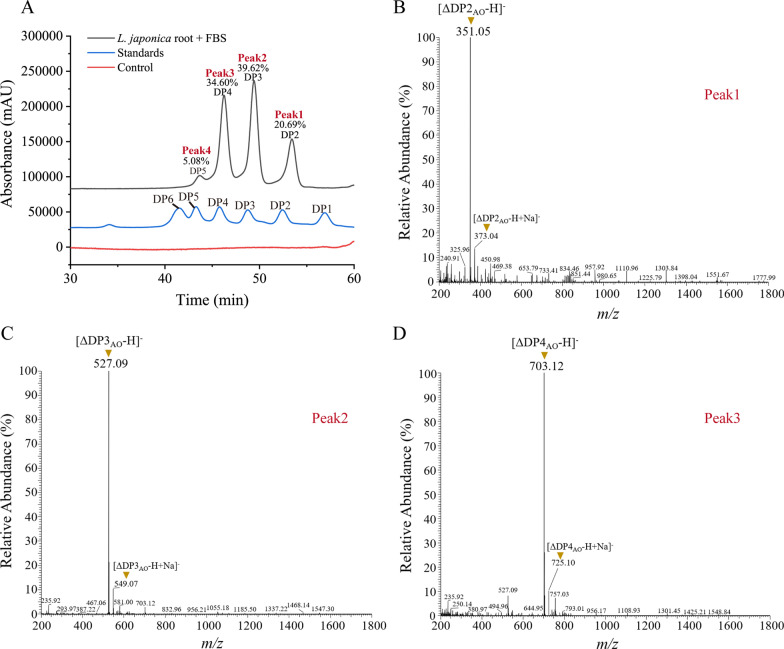
In this study, an efficient Laminaria japonica-decomposing strain Pseudoalteromonas agarivorans A3 was screened. Based on the secretome and mass spectrum analyses, strain A3 showed the potential as a cell factory for AOs production by secreting alginate lyases to directly degrade L. japonica. By using the L. japonica roots, which are normally discarded in the food industry, as the raw material for both fermentation and enzymatic hydrolysis, AOs were produced by the fermentation broth supernatant of strain A3 after optimization of the alginate lyase production and hydrolysis parameters. The generated AOs mainly ranged from dimers to tetramers, among which trimers and tetramers were predominant. The degradation efficiency of the roots reached 54.58%, the AOs production was 33.11%, and the AOs purity was 85.03%.
An efficient, cost-effective and green process for AOs production directly from the underutilized L. japonica roots by using strain A3 was set up, which differed from the reported processes in terms of the substrate and strain used for fermentation and the AOs composition. This study provides a promising platform for scalable production of AOs, which may have application potentials in industry and agriculture.
褐藻胶寡糖(AOs)是褐藻中天然多糖的降解产物。通过酶解生成的 AOs 具有多种生物活性,具有广阔的应用潜力。目前,通过酶解生产 AOs 一般以海藻酸钠为原料,海藻酸钠是从褐藻中化学提取的。相比之下,直接降解褐藻生产 AOs 在成本降低和更环保方面更具优势。然而,直接从褐藻降解生产 AOs 的尝试很少。
本研究筛选到一株高效降解裙带菜的解聚菌假交替单胞菌 A3。通过分泌的褐藻胶裂解酶直接降解裙带菜,A3 具有作为 AOs 生产的细胞工厂的潜力。利用食品工业中通常废弃的裙带菜根作为发酵和酶解的原料,在优化褐藻胶裂解酶生产和水解参数后,A3 发酵液上清液可生产 AOs。生成的 AOs 主要为二聚体至四聚体,其中三聚体和四聚体为主。根的降解效率达到 54.58%,AOs 产量为 33.11%,AOs 纯度为 85.03%。
利用 A3 建立了一种从未充分利用的裙带菜根直接生产 AOs 的高效、经济、绿色的方法,该方法在发酵用底物和菌株、AOs 组成方面与已报道的方法不同。本研究为 AOs 的规模化生产提供了一个有前景的平台,可能在工业和农业领域具有应用潜力。