Department of Biochemistry and Molecular Biology, School of Medicine, Xinjiang Endemic and Ethnic Disease and Education Ministry Key Laboratory, Shihezi University, Shihezi, Xinjiang, 832002, China.
Translational Medicine Center, Beijing Chest Hospital, Capital Medical University, Beijing, 101149, China.
BMC Cancer. 2023 Sep 11;23(1):853. doi: 10.1186/s12885-023-11129-1.
Cervical cancer is a common gynecological malignancy. Gene microarray found that TCP11 gene was highly expressed in cervical cancer. However, the effect of TCP11 gene on the proliferation, apoptosis and migration of cervical cancer cells and its underlying molecular mechanisms are unclear.
GEPIA database, tissue microarray, western blot and qRT-PCR were used to analyze the expression of TCP11 gene in cervical cancer tissues and cells and its relationship with patients' survival rate. The cell cycle and apoptosis were detected by flow cytometry, and the expressions of cell cycle and apoptosis related molecules and EMT-related molecules were detected by Western blot and qRT-PCR.
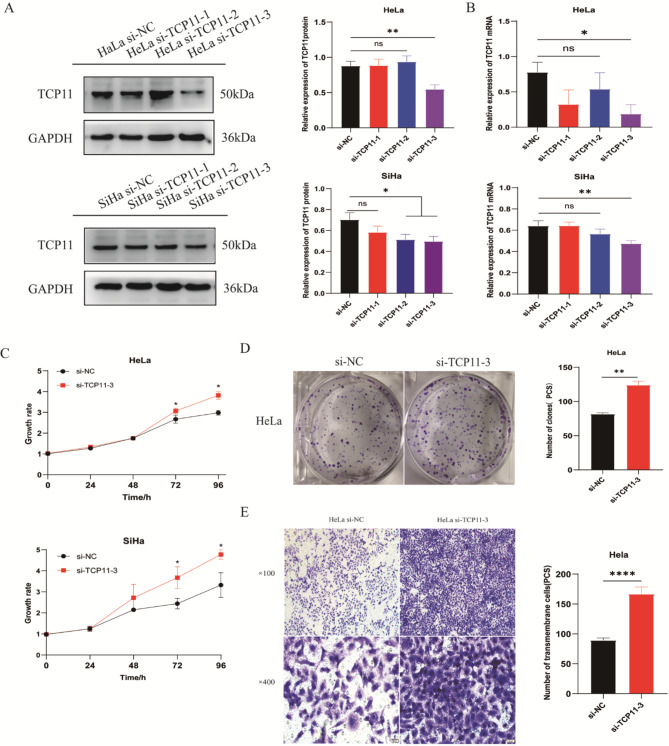
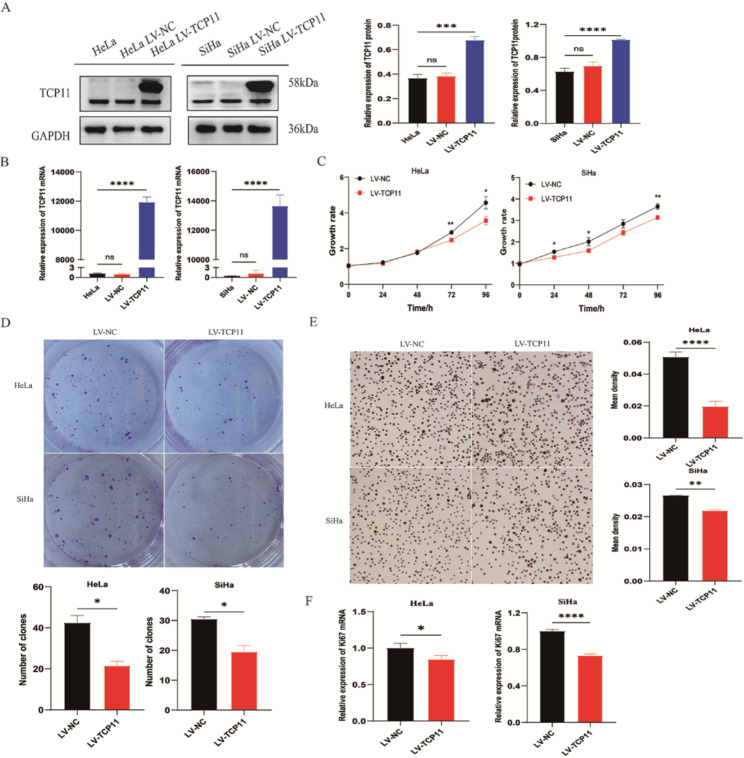
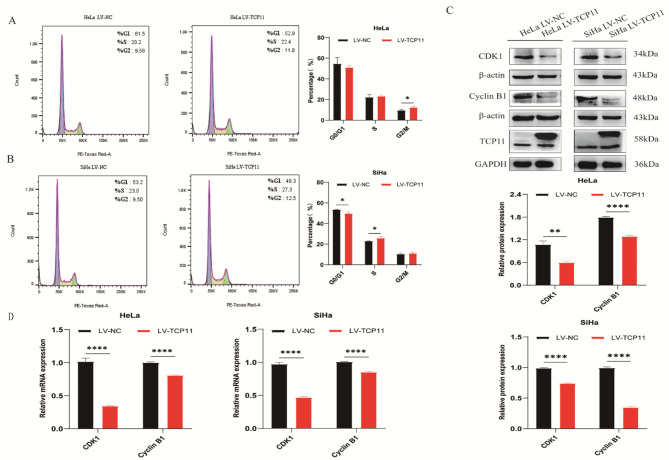
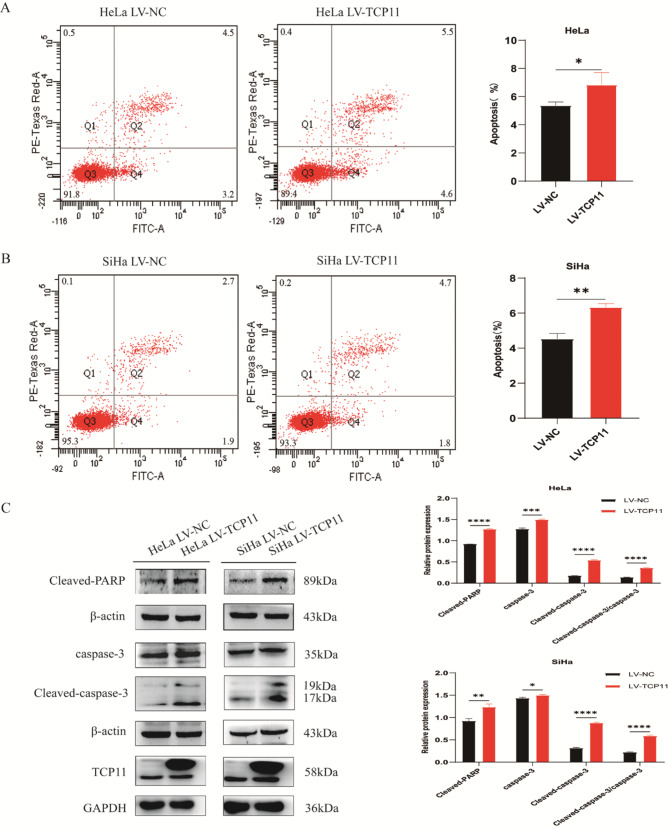
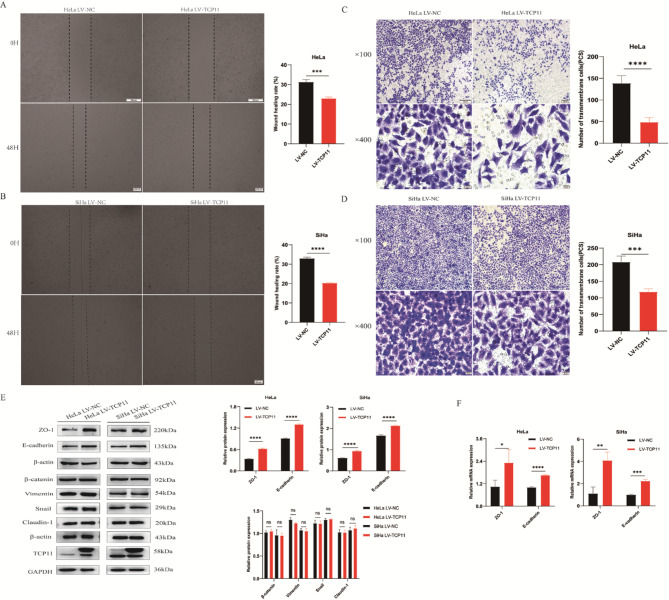
The results showed that TCP11 gene was highly expressed in cervical cancer tissues and cells compared with normal cervical tissues and cells, and its expression was positively correlated with patients' survival rate. The results of proliferation and migration assays showed that TCP11 overexpression inhibited the proliferation and migration of HeLa and SiHa cells. The results showed that TCP11 overexpression blocked the cell cycle of HeLa and SiHa cells, decreased the expression of CDK1 and Cyclin B1, and increased the apoptosis and the expression of caspase-3, cleaved-caspase-3 and cleaved-PARP. TCP11 overexpression increased the protein and mRNA expression of EMT-related molecules ZO-1 and E-cadherin. Conversely, TCP11 knockdown promoted the proliferation of HeLa and SiHa cells and the migration of HeLa cells.
TCP11 overexpression significantly inhibited the occurrence and development of cervical cancer cells, it may be a potentially beneficial biomarker for cervical cancer.
宫颈癌是一种常见的妇科恶性肿瘤。基因芯片发现 TCP11 基因在宫颈癌中高表达。然而,TCP11 基因对宫颈癌细胞增殖、凋亡和迁移的影响及其潜在的分子机制尚不清楚。
利用 GEPIA 数据库、组织微阵列、western blot 和 qRT-PCR 分析 TCP11 基因在宫颈癌组织和细胞中的表达及其与患者生存率的关系。通过流式细胞术检测细胞周期和凋亡,western blot 和 qRT-PCR 检测细胞周期和凋亡相关分子及 EMT 相关分子的表达。
结果表明,与正常宫颈组织和细胞相比,TCP11 基因在宫颈癌组织和细胞中高表达,其表达与患者生存率呈正相关。增殖和迁移实验结果表明,TCP11 过表达抑制 HeLa 和 SiHa 细胞的增殖和迁移。结果表明,TCP11 过表达阻断 HeLa 和 SiHa 细胞的细胞周期,降低 CDK1 和 Cyclin B1 的表达,增加细胞凋亡和 caspase-3、cleaved-caspase-3 和 cleaved-PARP 的表达。TCP11 过表达增加 EMT 相关分子 ZO-1 和 E-cadherin 的蛋白和 mRNA 表达。相反,TCP11 敲低促进 HeLa 和 SiHa 细胞的增殖和 HeLa 细胞的迁移。
TCP11 过表达显著抑制宫颈癌细胞的发生发展,可能是宫颈癌潜在的有益生物标志物。