Department of Otolaryngology, Xiangya Hospital, Central South University, Changsha, Hunan, China.
Key Laboratory of Otolaryngology Major Disease Research of Hunan Province, Changsha, Hunan, China.
PLoS One. 2023 Sep 14;18(9):e0288640. doi: 10.1371/journal.pone.0288640. eCollection 2023.
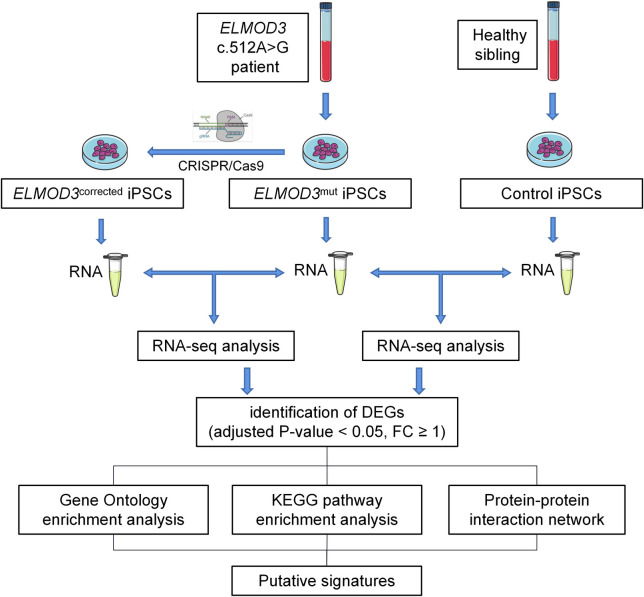
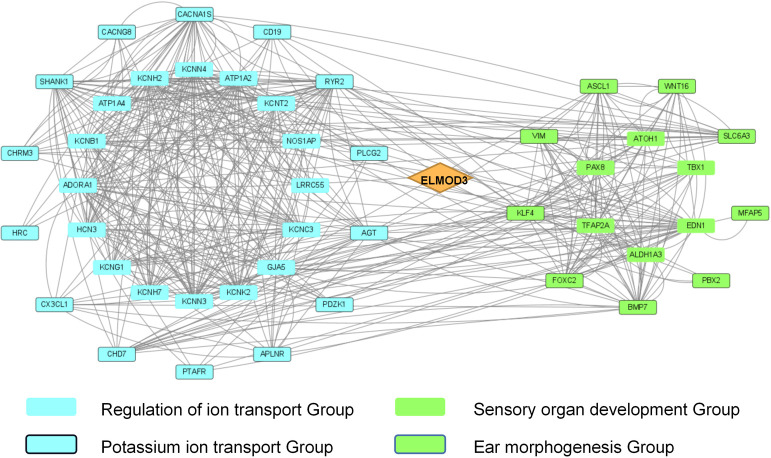
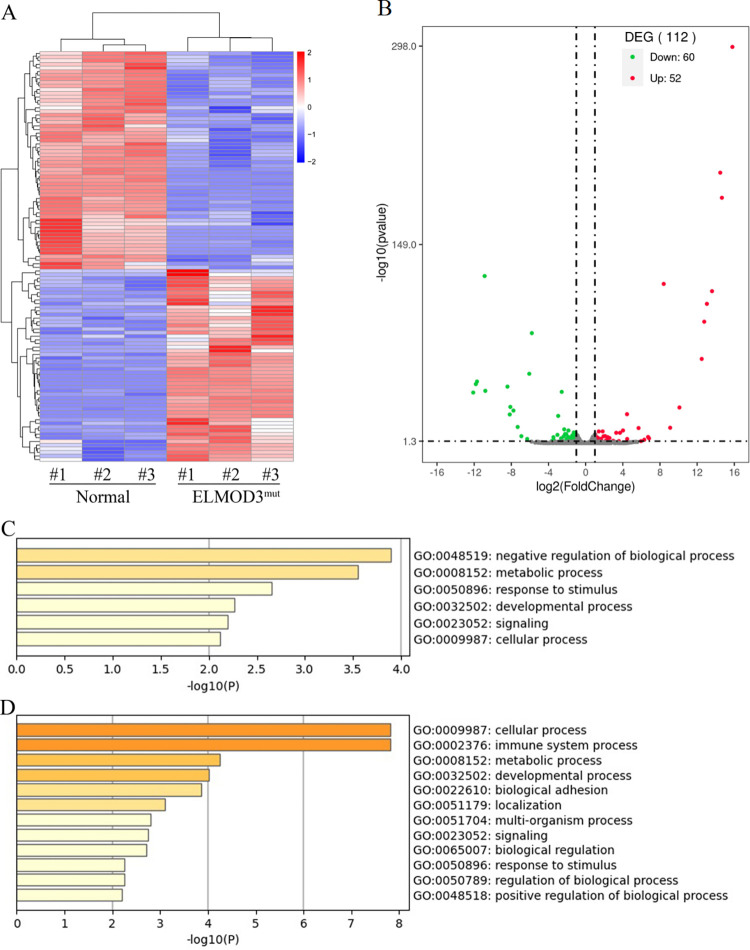
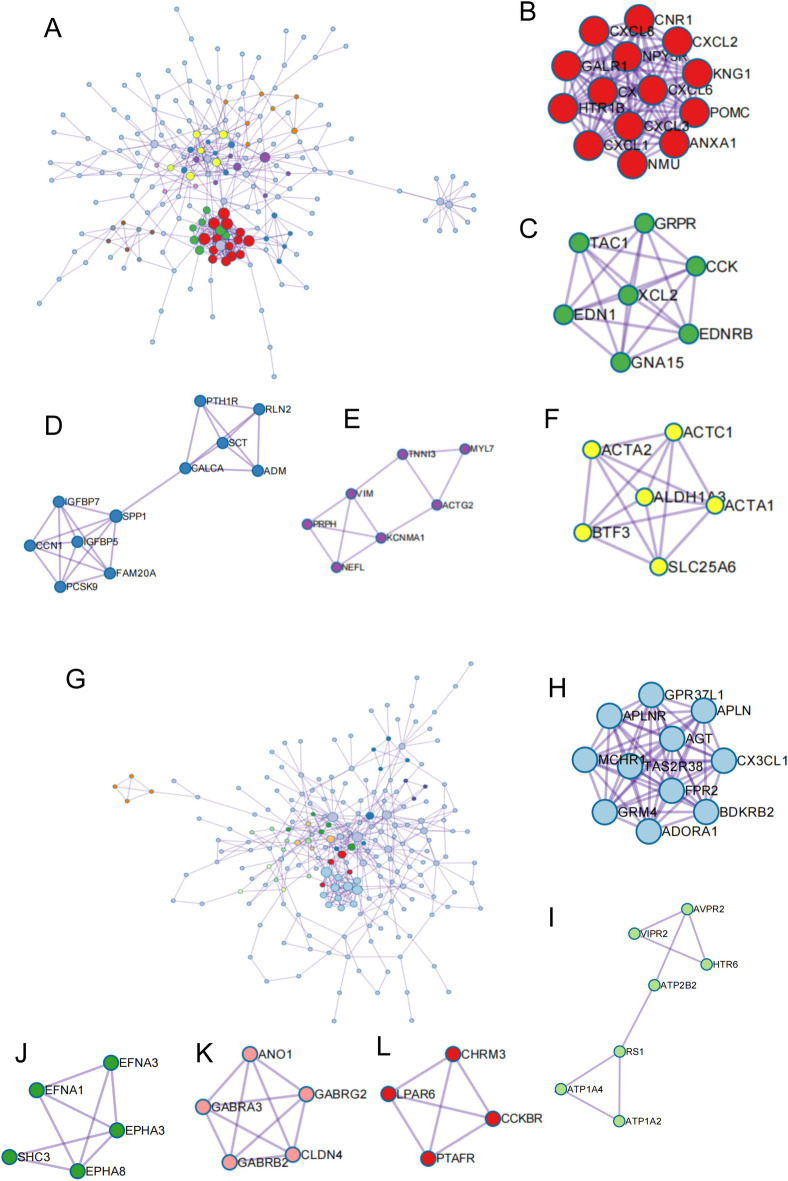
The ELMOD3 gene is implicated in causing autosomal recessive/dominant non-syndromic hearing loss in humans. However, the etiology has yet to be completely elucidated. In this study, we generated a patient-derived iPSC line carrying ELMOD3 c.512A>G mutation. In addition, the patient-derived iPSC line was corrected by CRISPR/Cas9 genome editing system. Then we applied RNA sequencing profiling to compare the patient-derived iPSC line with different controls, respectively (the healthy sibling-derived iPSCs and the CRISPR/Cas9 corrected iPSCs). Functional enrichment and PPI network analysis revealed that differentially expressed genes (DEGs) were enriched in the gene ontology, such as sensory epithelial development, intermediate filament cytoskeleton organization, and the regulation of ion transmembrane transport. Our current work provided a new tool for studying how disruption of ELMOD3 mechanistically drives hearing loss.
ELMOD3 基因与常染色体隐性/显性非综合征性听力损失有关。然而,其病因尚未完全阐明。在本研究中,我们构建了携带 ELMOD3 c.512A>G 突变的患者来源 iPSC 系。此外,我们还利用 CRISPR/Cas9 基因组编辑系统对患者来源 iPSC 系进行了校正。然后,我们应用 RNA 测序谱分别比较了患者来源 iPSC 系与不同对照之间的差异(健康同胞来源 iPSCs 和 CRISPR/Cas9 校正 iPSCs)。功能富集和 PPI 网络分析显示,差异表达基因(DEGs)在基因本体中富集,如感觉上皮发育、中间丝细胞骨架组织和离子跨膜转运的调节。我们的工作为研究 ELMOD3 如何导致听力损失的机制提供了一个新的工具。