Hepatobiliary Surgery Department, National Cancer Center/National Clinical Research Center for Cancer/Cancer Hospital, Chinese Academy of Medical Sciences and Peking Union Medical College, Beijing, 100021, China.
Jiangsu Center for the Collaboration and Innovation of Cancer Biotherapy, Cancer Institute, Xuzhou Medical College, Xuzhou, Jiangsu , 221002, China.
Cell Commun Signal. 2023 Sep 14;21(1):231. doi: 10.1186/s12964-023-01250-w.
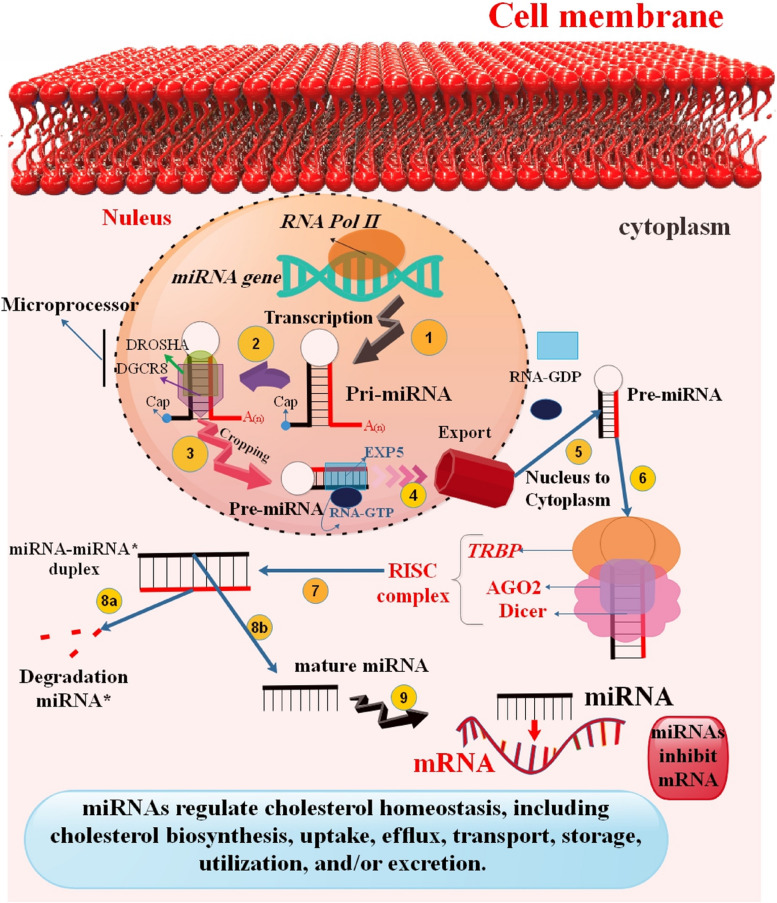
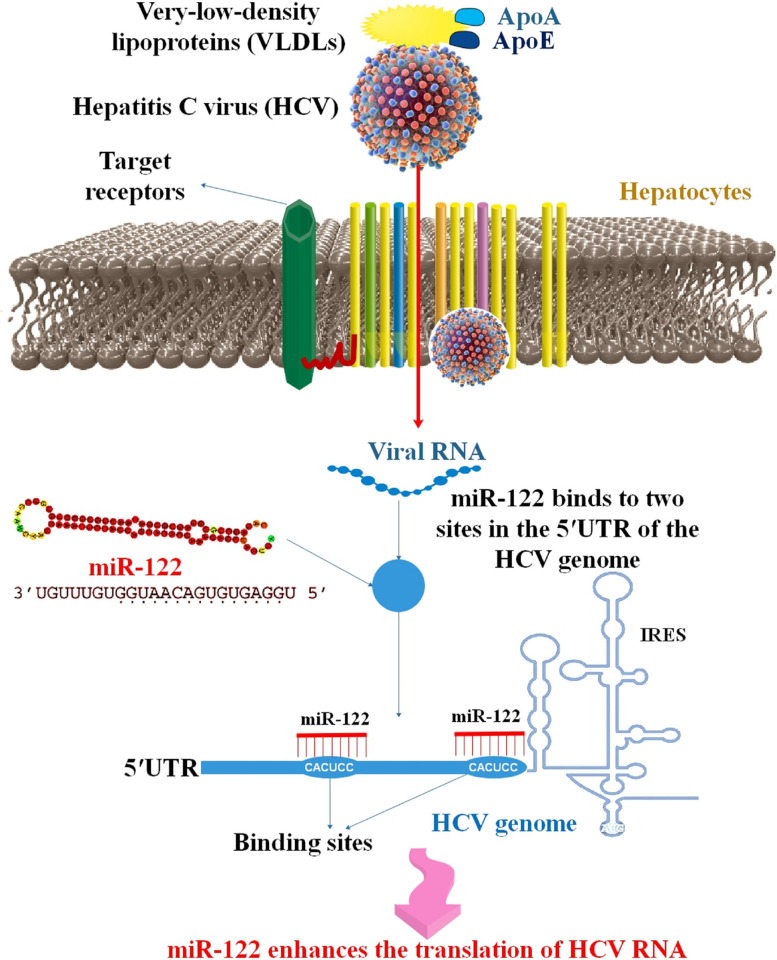
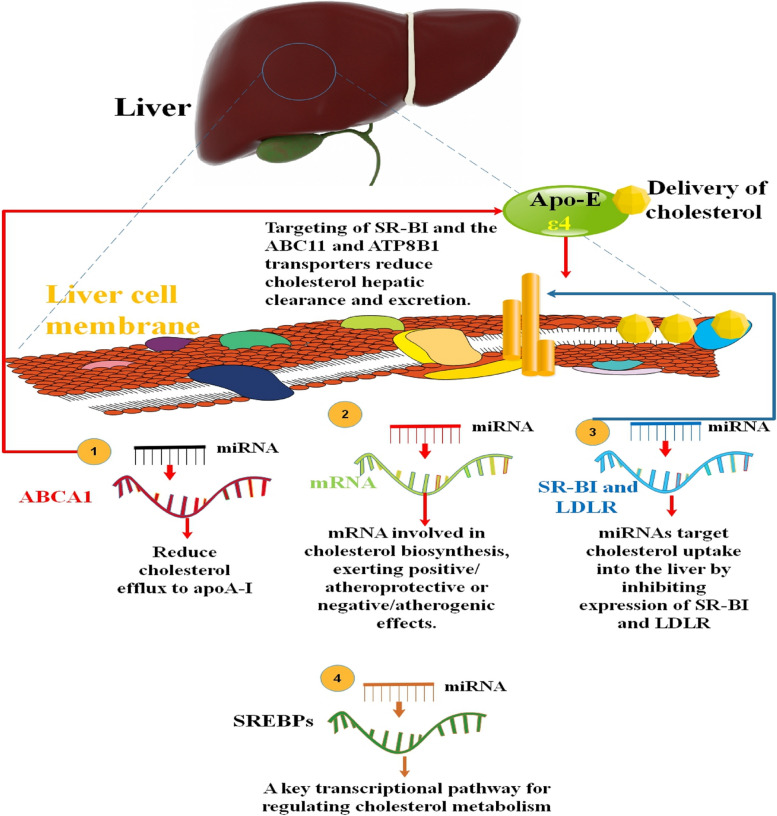
Cholesterol plays a significant role in stabilizing lipid or membrane rafts, which are specific cellular membrane structures. Cholesterol is involved in numerous cellular processes, including regulating virus entry into the host cell. Multiple viruses have been shown to rely on cholesterol for virus entry and/or morphogenesis. Research indicates that reprogramming of the host's lipid metabolism is associated with hepatitis B virus (HBV) and hepatitis C virus (HCV) infections in the progression to severe liver disease for viruses that cause chronic hepatitis. Moreover, knowing the precise mode of viral interaction with target cells sheds light on viral pathogenesis and aids in the development of vaccines and therapeutic targets. As a result, the area of cholesterol-lowering therapy is quickly evolving and has many novel antiviral targets and medications. It has been shown that microRNAs (miRNAs) either directly or indirectly target the viral genome, preventing viral replication. Moreover, miRNAs have recently been shown to be strong post-transcriptional regulators of the genes involved in lipid metabolism, particularly those involved in cholesterol homeostasis. As important regulators of lipid homeostasis in several viral infections, miRNAs have recently come to light. In addition, multiple studies demonstrated that during viral infection, miRNAs modulate several enzymes in the mevalonate/cholesterol pathway. As cholesterol metabolism is essential to the life cycle of viral hepatitis and other viruses, a sophisticated understanding of miRNA regulation may contribute to the development of a novel anti-HCV treatment. The mechanisms underlying the effectiveness of miRNAs as cholesterol regulators against viral hepatitis are explored in this review. Video Abstract.
胆固醇在稳定脂质或膜筏(特定的细胞膜结构)方面发挥着重要作用。胆固醇参与了许多细胞过程,包括调节病毒进入宿主细胞。多项研究表明,多种病毒依赖胆固醇进入宿主细胞和/或形态发生。研究表明,宿主脂质代谢的重编程与乙型肝炎病毒(HBV)和丙型肝炎病毒(HCV)感染有关,这些病毒会导致慢性肝炎进展为严重肝病。此外,了解病毒与靶细胞相互作用的确切模式有助于揭示病毒发病机制,并有助于开发疫苗和治疗靶点。因此,降脂治疗领域正在迅速发展,有许多新的抗病毒靶点和药物。研究表明,microRNAs(miRNAs)可以直接或间接靶向病毒基因组,从而阻止病毒复制。此外,miRNAs 最近被证明是参与脂质代谢的基因的强有力的转录后调节剂,特别是那些与胆固醇稳态相关的基因。miRNAs 作为几种病毒感染中脂质稳态的重要调节剂,最近引起了人们的关注。此外,多项研究表明,在病毒感染过程中,miRNAs 调节甲羟戊酸/胆固醇途径中的几种酶。由于胆固醇代谢对病毒性肝炎和其他病毒的生命周期至关重要,因此对 miRNA 调节的深入了解可能有助于开发新型抗 HCV 治疗方法。本综述探讨了 miRNA 作为胆固醇调节剂对抗病毒性肝炎的有效性的机制。