Queensland Alliance for Agriculture and Food Innovation, University of Queensland, Brisbane, 4072, Australia.
College of Agriculture and Food Sciences, King Faisal University, 36362, Al Hofuf, Saudi Arabia.
BMC Plant Biol. 2023 Sep 19;23(1):440. doi: 10.1186/s12870-023-04444-z.
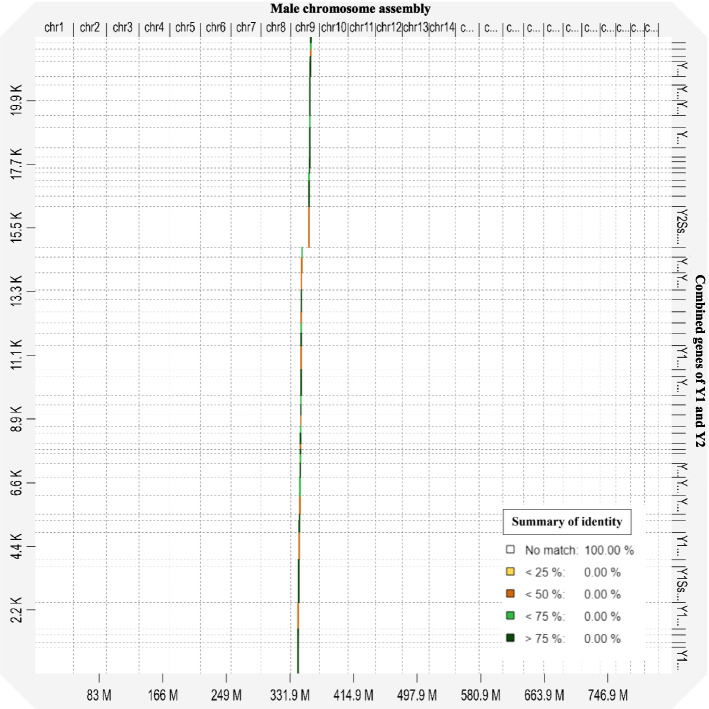
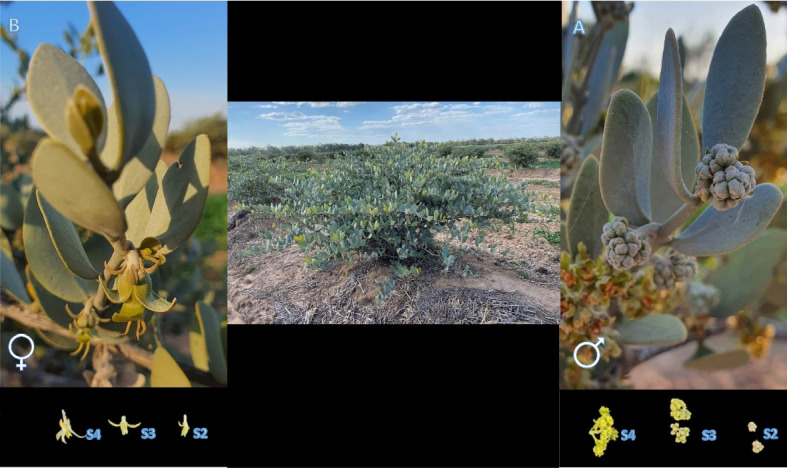
Dioecious plants have male and female flowers on separate plants. Jojoba is a dioecious plant that is drought-tolerant and native to arid areas. The genome sequence of male and female plants was recently reported and revealed an X and Y chromosome system, with two large male-specific insertions in the Y chromosome.
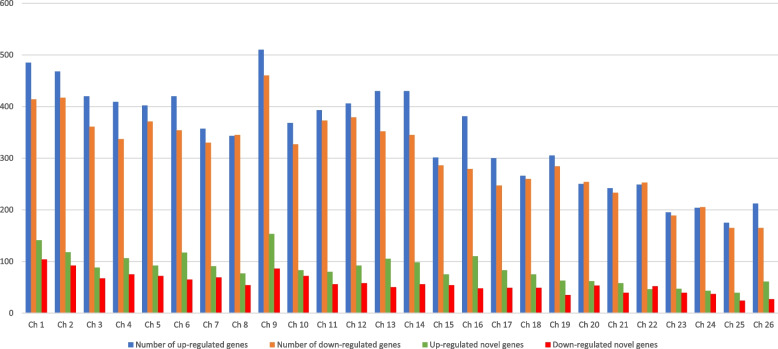
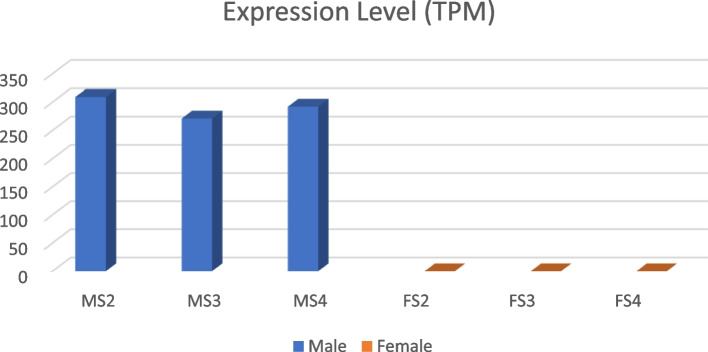
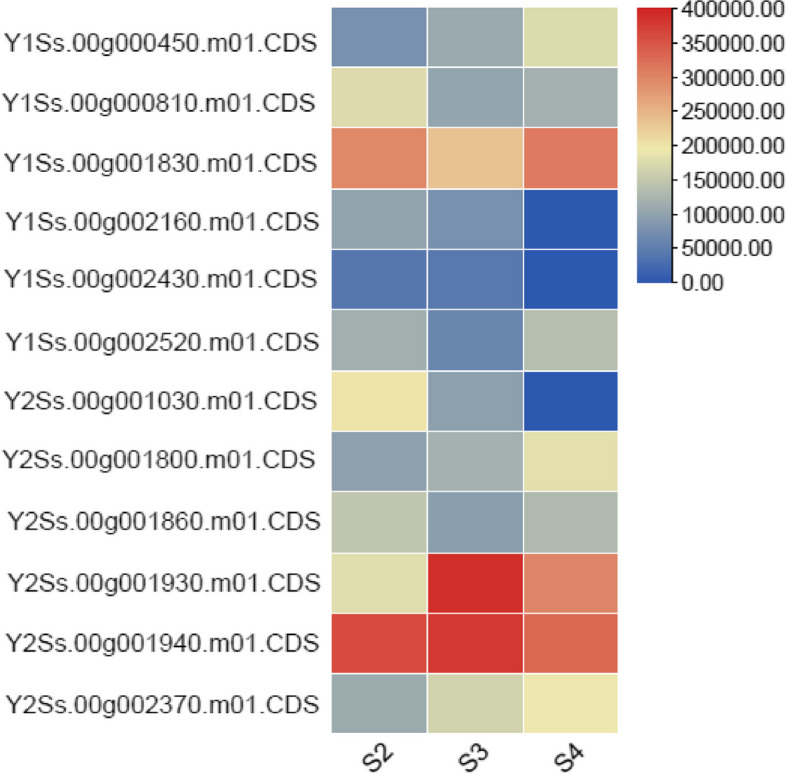
A total of 16,923 differentially expressed genes (DEG) were identified between the flowers of the male and female jojoba plants. This represented 40% of the annotated genes in the genome. Many genes, including those responsible for plant environmental responses and those encoding transcription factors (TFs), were specific to male or female reproductive organs. Genes involved in plant hormone metabolism were also found to be associated with flower and pollen development. A total of 8938 up-regulated and 7985 down-regulated genes were identified in comparison between male and female flowers, including many novel genes specific to the jojoba plant. The most differentially expressed genes were associated with reproductive organ development. The highest number of DEG were linked with the Y chromosome in male plants. The male specific parts of the Y chromosome encoded 12 very highly expressed genes including 9 novel genes and 3 known genes associated with TFs and a plant hormone which may play an important role in flower development.
Many genes, largely with unknown functions, may explain the sexual dimorphisms in jojoba plants and the differentiation of male and female flowers.
雌雄异株植物的雄花和雌花分别生长在不同的植株上。胡麻是一种耐旱的雌雄异株植物,原产于干旱地区。雌雄植株的基因组序列最近被报道,揭示了一个 X 和 Y 染色体系统,Y 染色体上有两个大的雄性特异性插入。
在雌雄胡麻植株的花之间共鉴定出 16923 个差异表达基因(DEG)。这代表了基因组中注释基因的 40%。许多基因,包括负责植物环境响应的基因和编码转录因子(TFs)的基因,是雄性或雌性生殖器官特有的。与花和花粉发育有关的植物激素代谢基因也被发现与花和花粉发育有关。在雄性和雌性花之间的比较中,共鉴定出 8938 个上调和 7985 个下调基因,包括许多与胡麻植物特异性相关的新基因。差异表达最显著的基因与生殖器官发育有关。在雄性植物中,与 Y 染色体相关的 DEG 数量最多。Y 染色体上的雄性特异性部分编码了 12 个高度表达的基因,包括 9 个新基因和 3 个与 TFs 和一种可能在花发育中起重要作用的植物激素相关的已知基因。
许多具有未知功能的基因可能解释了胡麻植物的性别二态性和雌雄花的分化。