Center for Regenerative Medicine of Boston University and Boston Medical Center, Boston, MA.
Section of Hematology and Medical Oncology, Boston University School of Medicine, Boston, MA.
Blood Adv. 2023 Nov 28;7(22):6898-6912. doi: 10.1182/bloodadvances.2022008347.
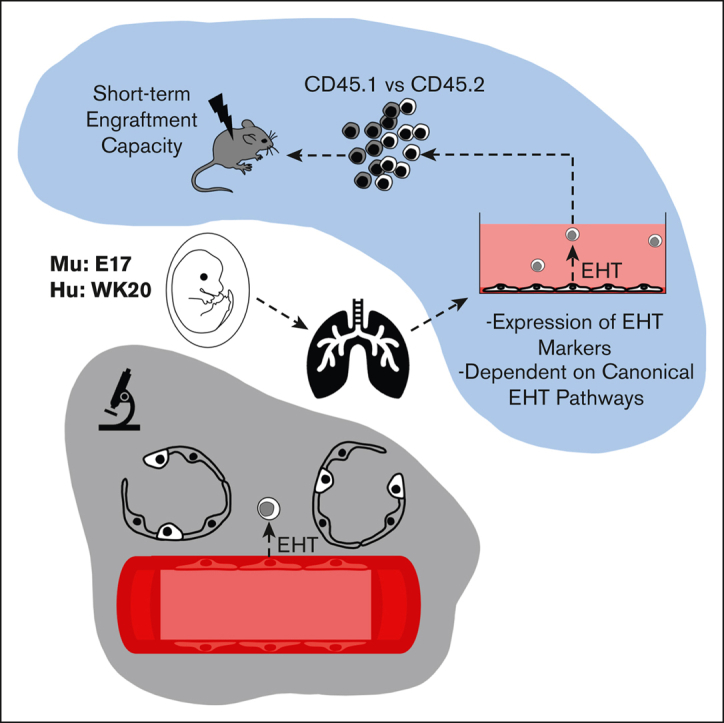
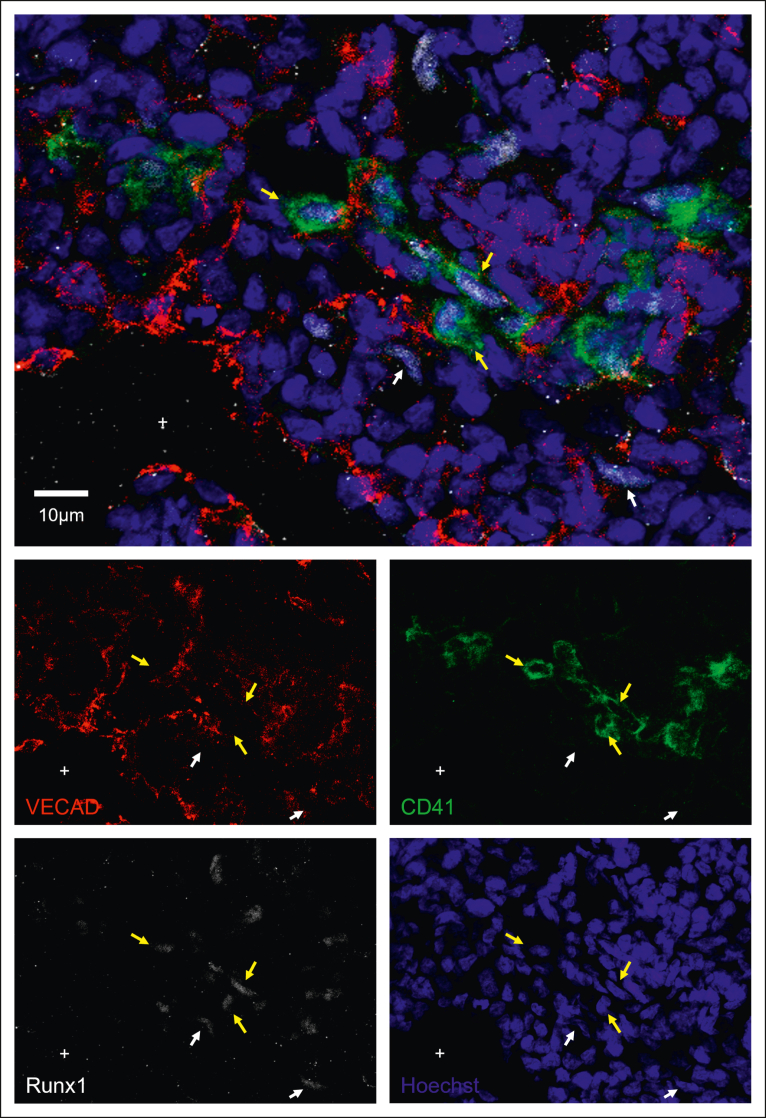
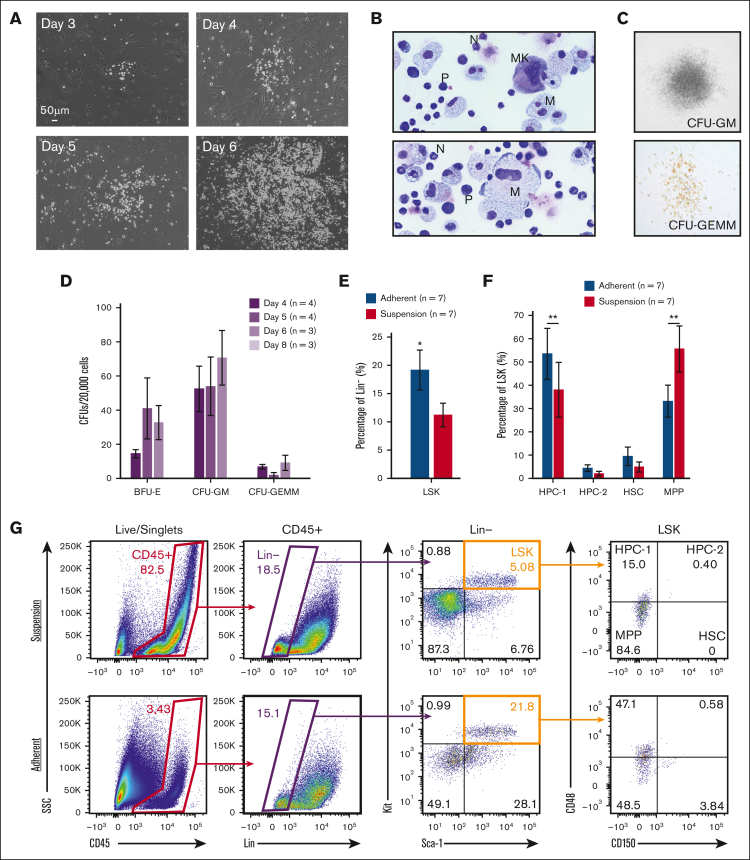
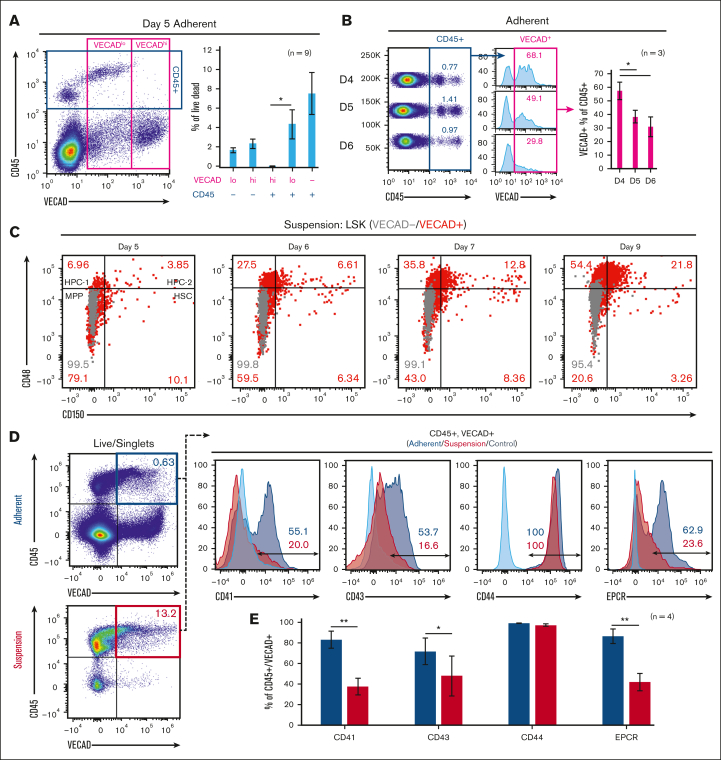
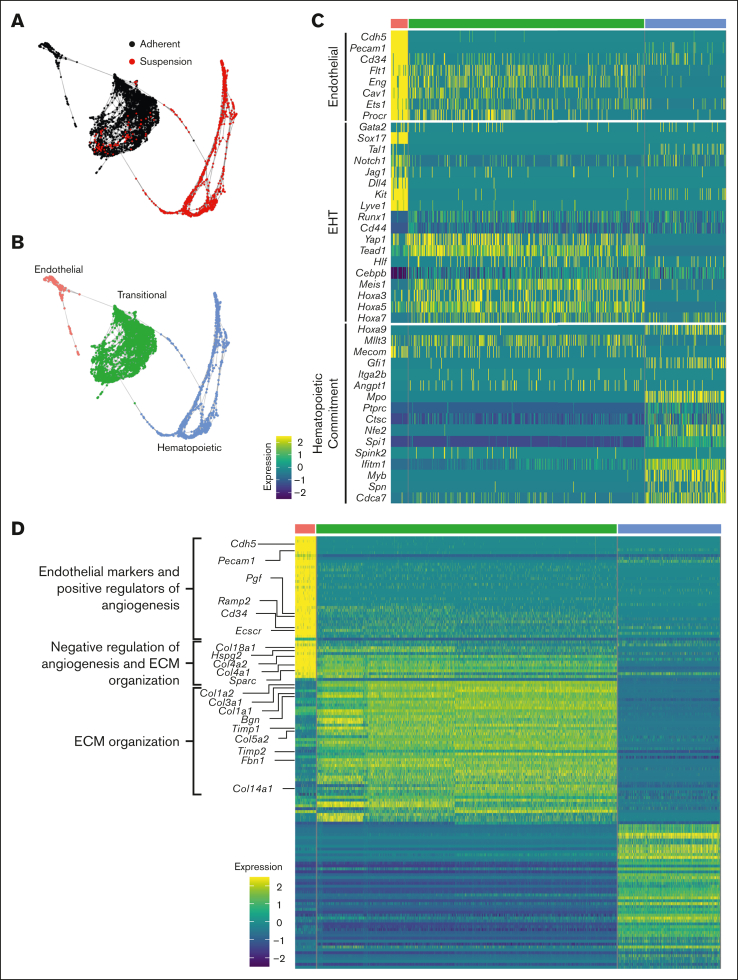
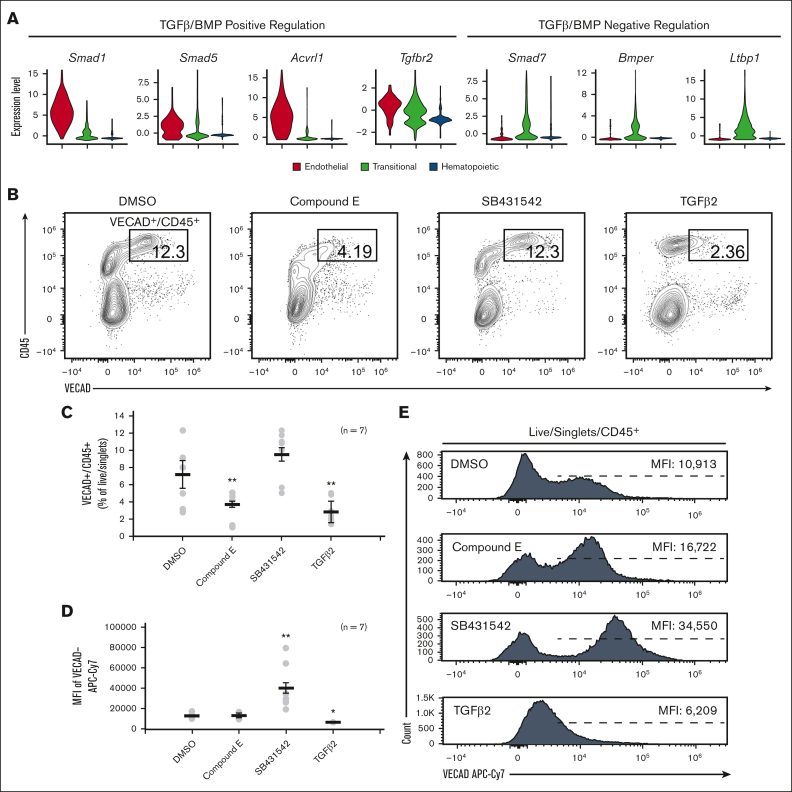
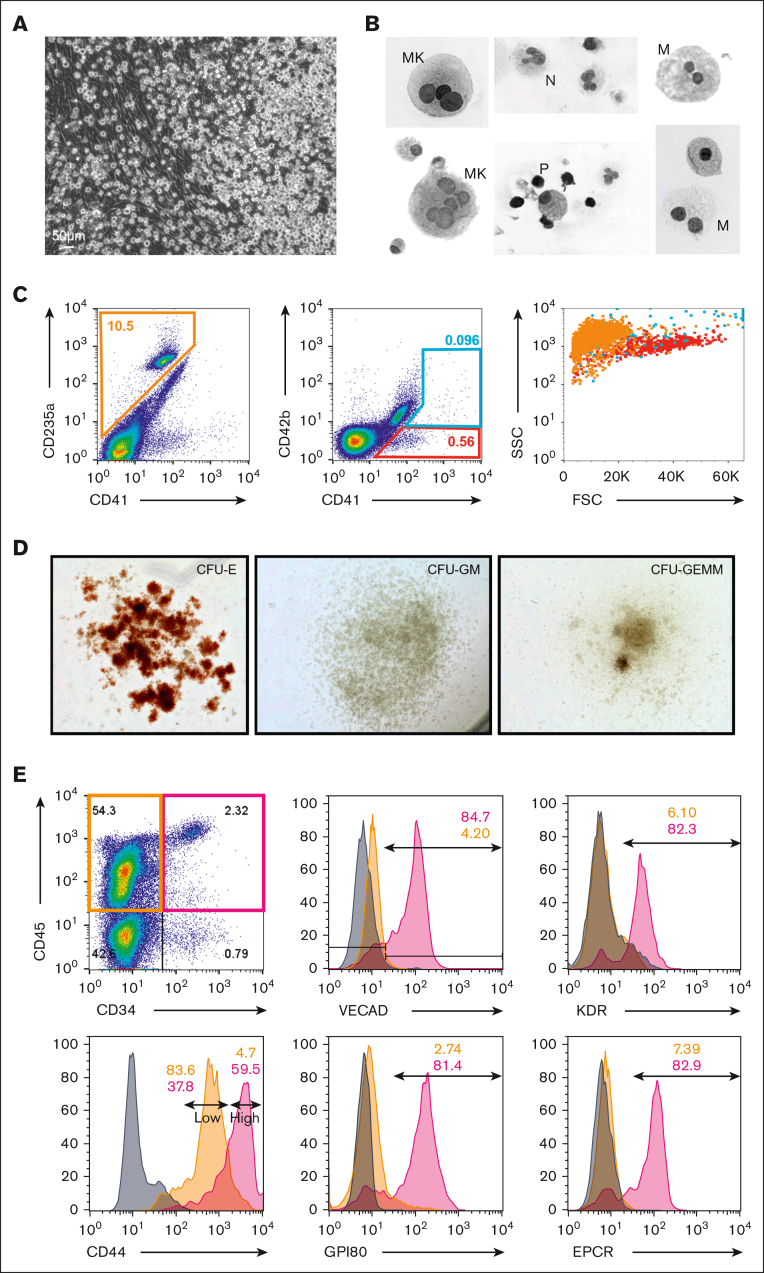
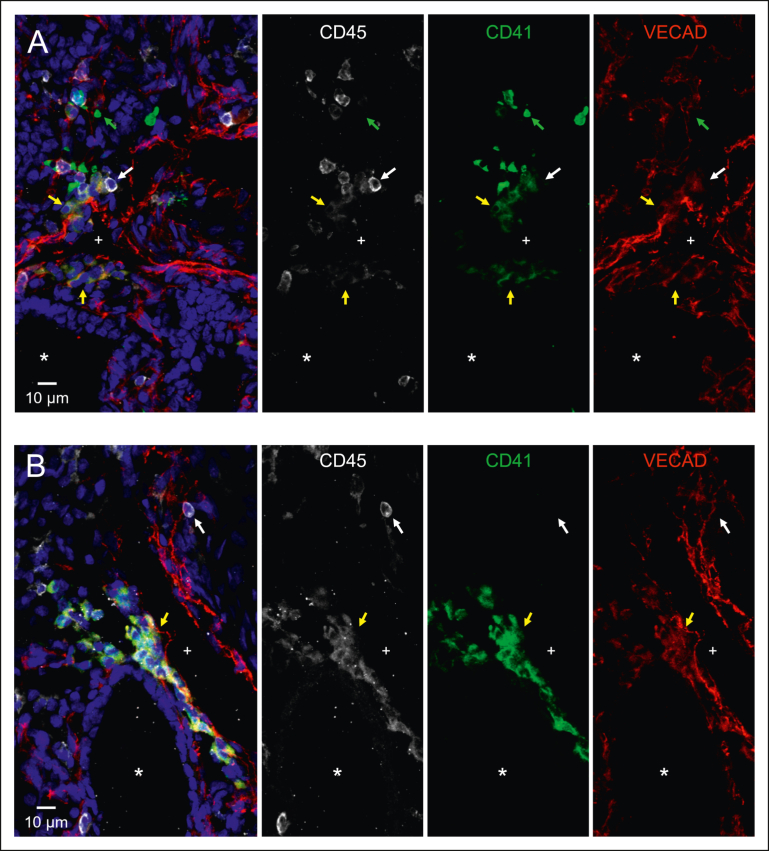
Hemogenic endothelial cells (HECs) are specialized cells that undergo endothelial-to-hematopoietic transition (EHT) to give rise to the earliest precursors of hematopoietic progenitors that will eventually sustain hematopoiesis throughout the lifetime of an organism. Although HECs are thought to be primarily limited to the aorta-gonad-mesonephros (AGM) during early development, EHT has been described in various other hematopoietic organs and embryonic vessels. Though not defined as a hematopoietic organ, the lung houses many resident hematopoietic cells, aids in platelet biogenesis, and is a reservoir for hematopoietic stem and progenitor cells (HSPCs). However, lung HECs have never been described. Here, we demonstrate that the fetal lung is a potential source of HECs that have the functional capacity to undergo EHT to produce de novo HSPCs and their resultant progeny. Explant cultures of murine and human fetal lungs display adherent endothelial cells transitioning into floating hematopoietic cells, accompanied by the gradual loss of an endothelial signature. Flow cytometric and functional assessment of fetal-lung explants showed the production of multipotent HSPCs that expressed the EHT and pre-HSPC markers EPCR, CD41, CD43, and CD44. scRNA-seq and small molecule modulation demonstrated that fetal lung HECs rely on canonical signaling pathways to undergo EHT, including TGFβ/BMP, Notch, and YAP. Collectively, these data support the possibility that post-AGM development, functional HECs are present in the fetal lung, establishing this location as a potential extramedullary site of de novo hematopoiesis.
成血管内皮细胞(HEC)是一种特化的细胞,它们经历内皮细胞向造血细胞的转变(EHT),产生造血祖细胞的最早前体细胞,这些前体细胞将在生物体的整个生命周期中维持造血。尽管人们认为 HEC 主要局限于早期发育中的主动脉-性腺-中肾(AGM),但 EHT 已在各种其他造血器官和胚胎血管中被描述。虽然肺不被定义为造血器官,但它容纳许多常驻造血细胞,有助于血小板的生成,并且是造血干细胞和祖细胞(HSPC)的储存库。然而,肺 HEC 从未被描述过。在这里,我们证明胎儿肺是 HEC 的潜在来源,这些 HEC 具有进行 EHT 的功能能力,以产生新的 HSPC 及其后代。对鼠和人胎儿肺的外植体培养显示,贴壁的内皮细胞转化为漂浮的造血细胞,同时内皮细胞特征逐渐丧失。对胎儿肺外植体的流式细胞术和功能评估显示,产生了多能性 HSPC,这些 HSPC 表达 EHT 和前 HSPC 标记物 EPCR、CD41、CD43 和 CD44。scRNA-seq 和小分子调节表明,胎儿肺 HEC 依赖于经典信号通路来进行 EHT,包括 TGFβ/BMP、Notch 和 YAP。总的来说,这些数据支持这样一种可能性,即在 AGM 后发育中,功能性 HEC 存在于胎儿肺中,使该部位成为新发生造血的潜在骨髓外部位。