Ruan Dan Fu, Fribourg Miguel, Yuki Yuko, Park Yeon-Hwa, Martin Maureen, Kelly Geoffrey, Lee Brian, Miguel de Real Ronaldo, Lee Rachel, Geanon Daniel, Kim-Schulze Seunghee, McCarthy Melissa, Chun Nicholas, Cravedi Paolo, Carrington Mary, Heeger Peter S, Horowitz Amir
Department of Immunology, Icahn School of Medicine at Mount Sinai, New York, NY, USA.
Department of Oncological Sciences, Icahn School of Medicine at Mount Sinai, New York, NY, USA.
bioRxiv. 2023 Sep 5:2023.09.01.555962. doi: 10.1101/2023.09.01.555962.
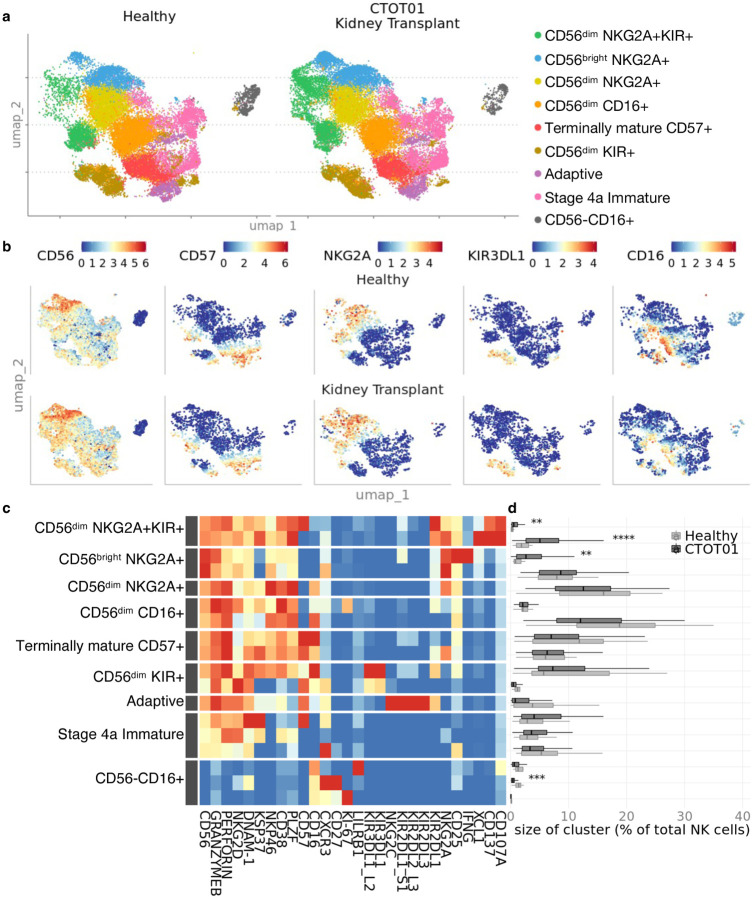
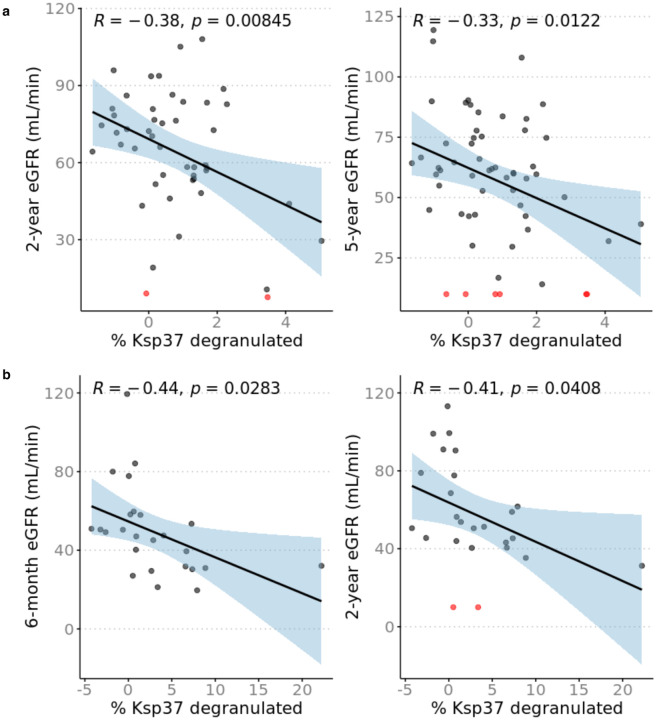
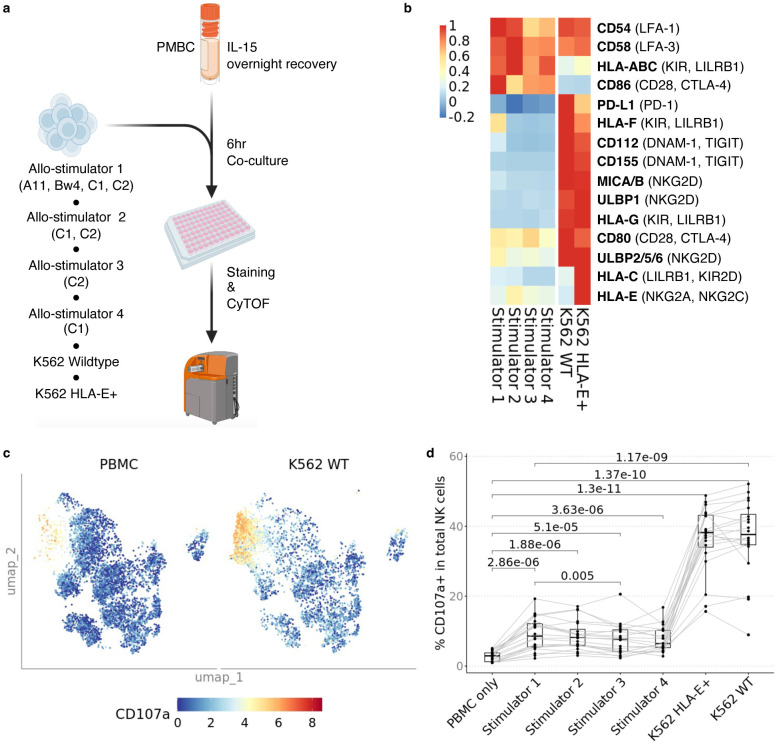
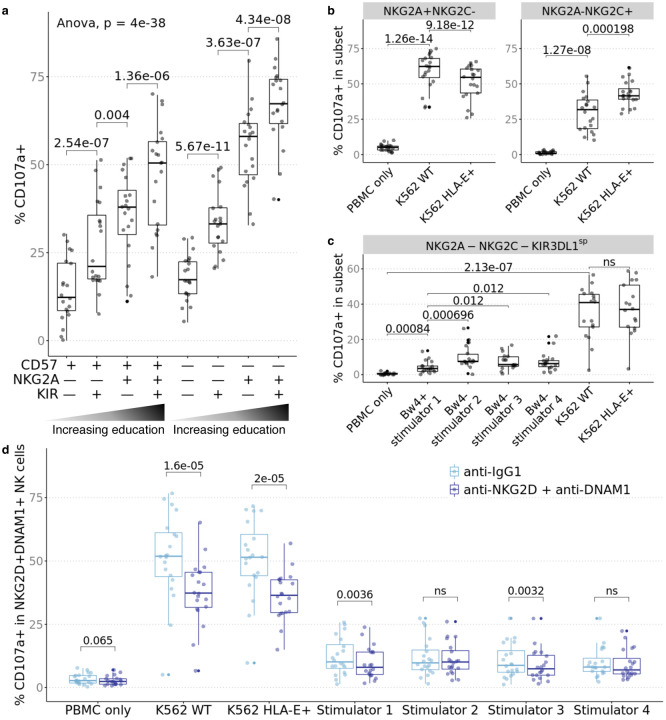
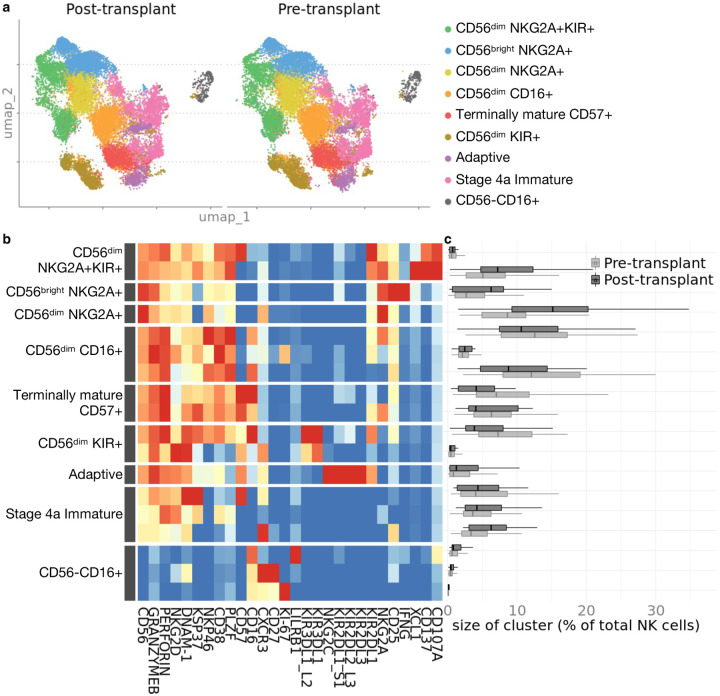
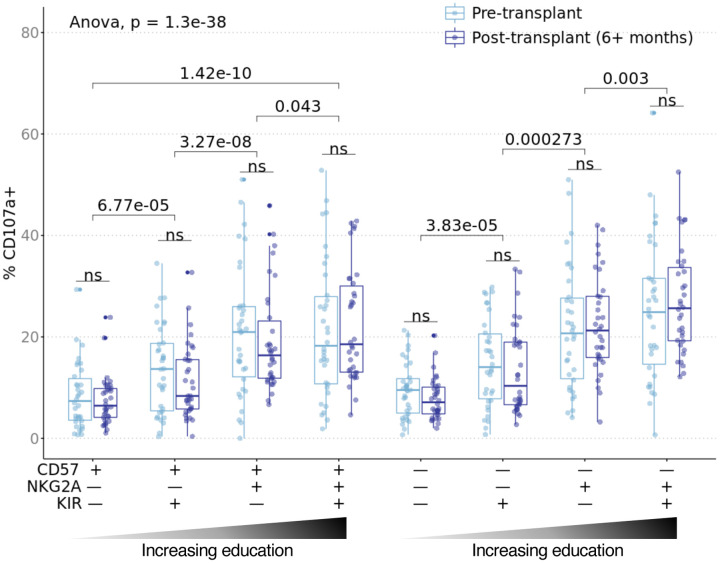
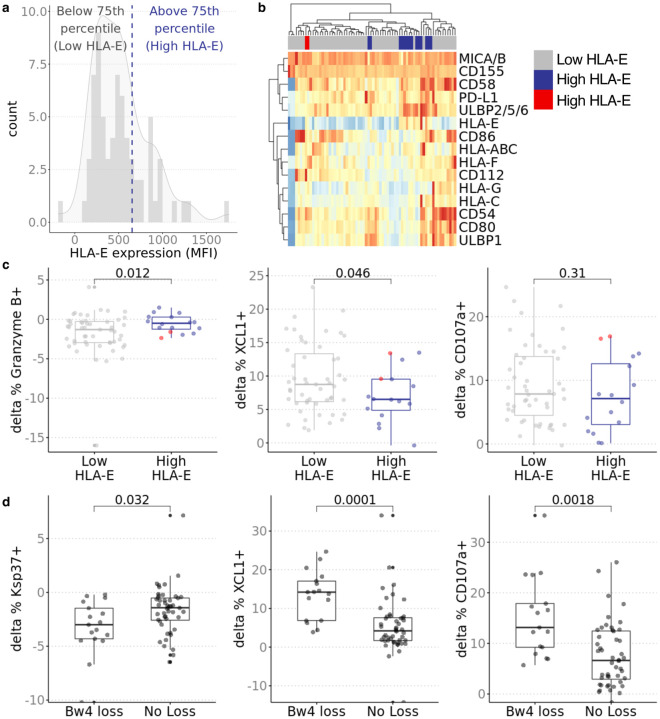
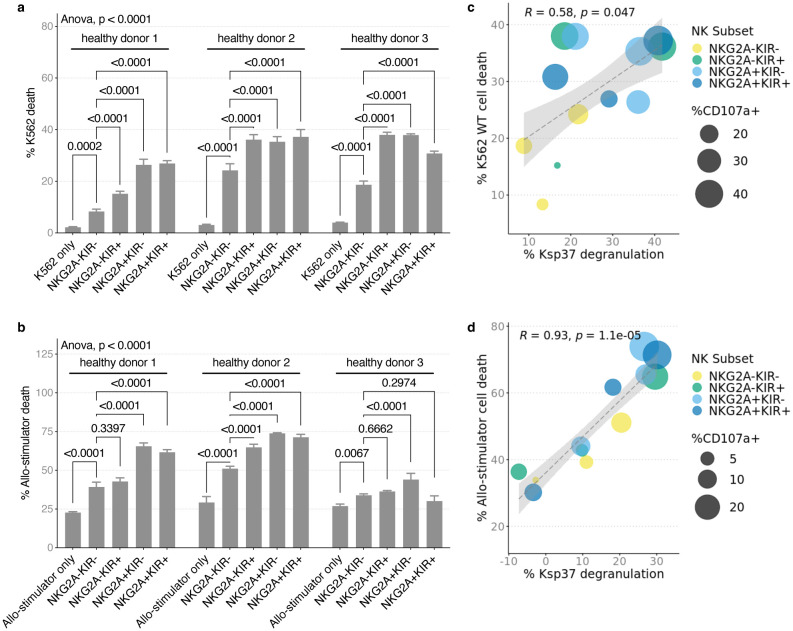
Human Natural Killer (NK) cells are heterogeneous lymphocytes regulated by variegated arrays of germline-encoded activating and inhibitory receptors. They acquire the ability to detect polymorphic self-antigen via NKG2A/HLA-E or KIR/HLA-I ligand interactions through an education process. Correlations among HLA/KIR genes, kidney transplantation pathology and outcomes suggest that NK cells participate in allograft injury, but mechanisms linking NK HLA/KIR education to antibody-independent pathological functions remain unclear. We used CyTOF to characterize pre- and post-transplant peripheral blood NK cell phenotypes/functions before and after stimulation with allogeneic donor cells. Unsupervised clustering identified unique NK cell subpopulations present in varying proportions across patients, each of which responded heterogeneously to donor cells based on donor ligand expression patterns. Analyses of pre-transplant blood showed that educated, NKG2A/KIR-expressing NK cells responded greater than non-educated subsets to donor stimulators, and this heightened alloreactivity persisted > 6 months post-transplant despite immunosuppression. In distinct test and validation sets of patients participating in two clinical trials, pre-transplant donor-induced release of NK cell Ksp37, a cytotoxicity mediator, correlated with 2-year and 5-year eGFR. The findings explain previously reported associations between NK cell genotypes and transplant outcomes and suggest that pre-transplant NK cell analysis could function as a risk-assessment biomarker for transplant outcomes.
人类自然杀伤(NK)细胞是一种异质性淋巴细胞,受一系列由种系编码的激活和抑制性受体调控。它们通过一个“教育”过程,经由NKG2A/HLA-E或KIR/HLA-I配体相互作用,获得检测多态性自身抗原的能力。HLA/KIR基因、肾移植病理学和移植结果之间的相关性表明,NK细胞参与同种异体移植物损伤,但将NK HLA/KIR“教育”与非抗体依赖性病理功能联系起来的机制仍不清楚。我们使用质谱流式细胞技术(CyTOF)来表征同种异体供体细胞刺激前后移植外周血NK细胞的表型/功能。无监督聚类确定了不同患者中比例各异的独特NK细胞亚群,每个亚群根据供体配体表达模式对供体细胞产生异质性反应。对移植前血液的分析表明,经过“教育”、表达NKG2A/KIR的NK细胞对供体刺激物的反应比未经过“教育”的亚群更强烈,并且尽管进行了免疫抑制,这种增强的同种异体反应性在移植后仍持续超过6个月。在参与两项临床试验的不同测试和验证患者组中,移植前供体诱导的细胞毒性介质NK细胞Ksp37的释放与2年和5年的估算肾小球滤过率(eGFR)相关。这些发现解释了先前报道的NK细胞基因型与移植结果之间的关联,并表明移植前NK细胞分析可作为移植结果的风险评估生物标志物。