Division of Hepatitis and Enterovirus Vaccines, NHC Key Laboratory of Research on Quality and Standardization of Biotech Products, NMPA Key Laboratory for Quality Research and Evaluation of Biological Products, Institute of Biological Products, National Institutes for Food and Drug Control, Beijing, China.
National Engineering Technology Research Center for Combined Vaccines, Wuhan, China.
Signal Transduct Target Ther. 2023 Sep 25;8(1):366. doi: 10.1038/s41392-023-01603-4.
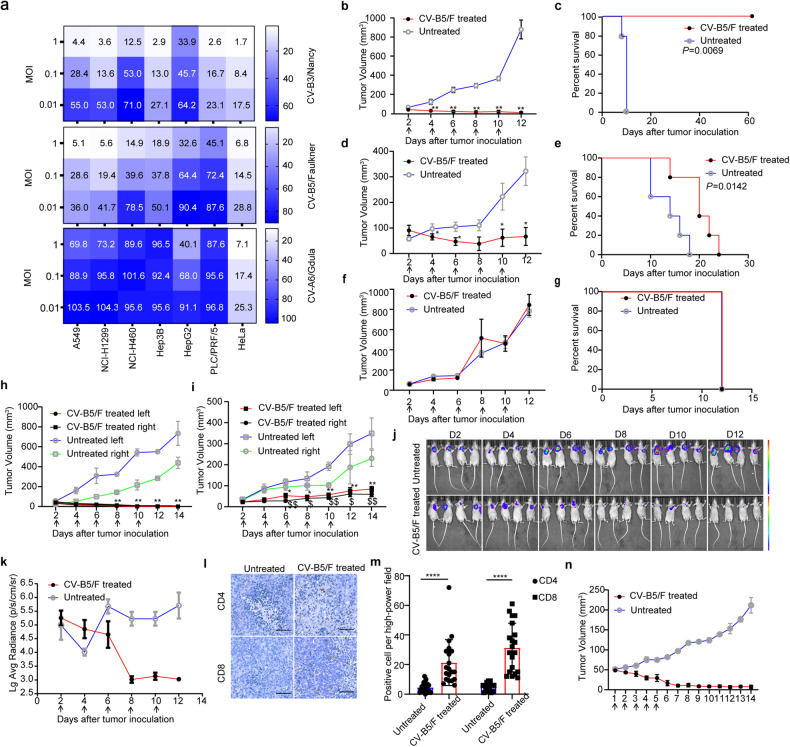
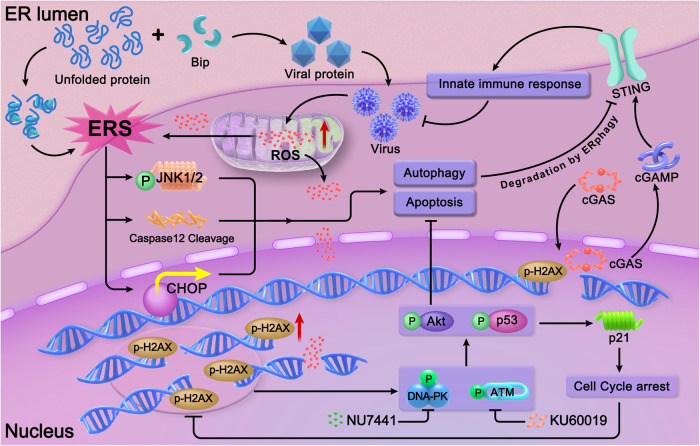
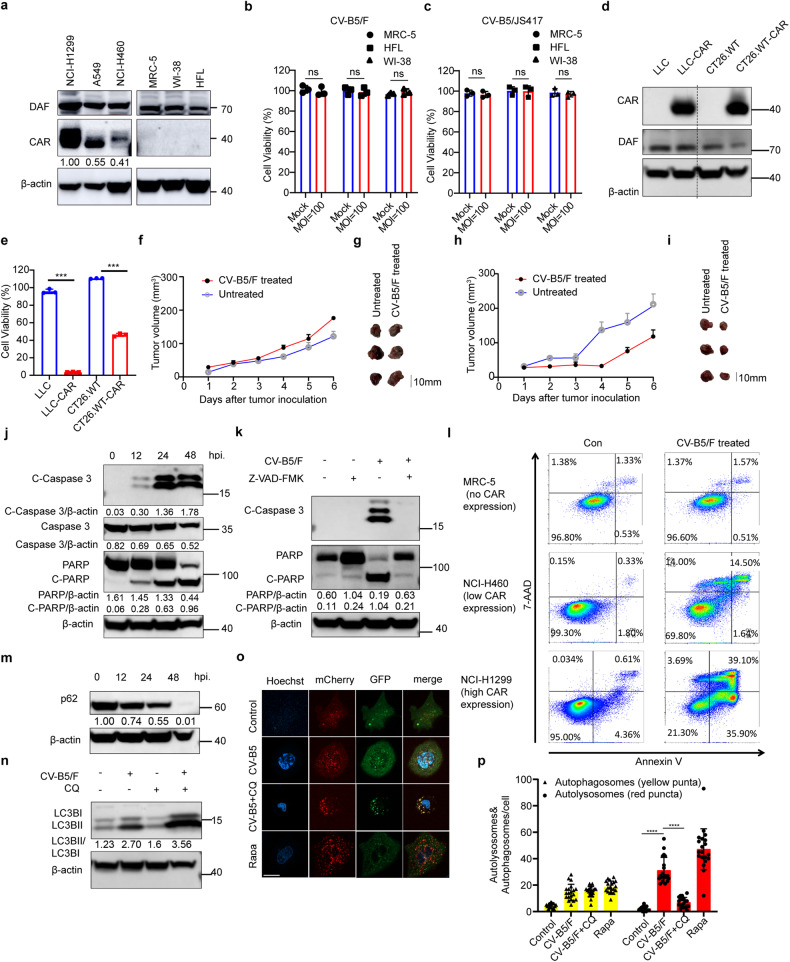
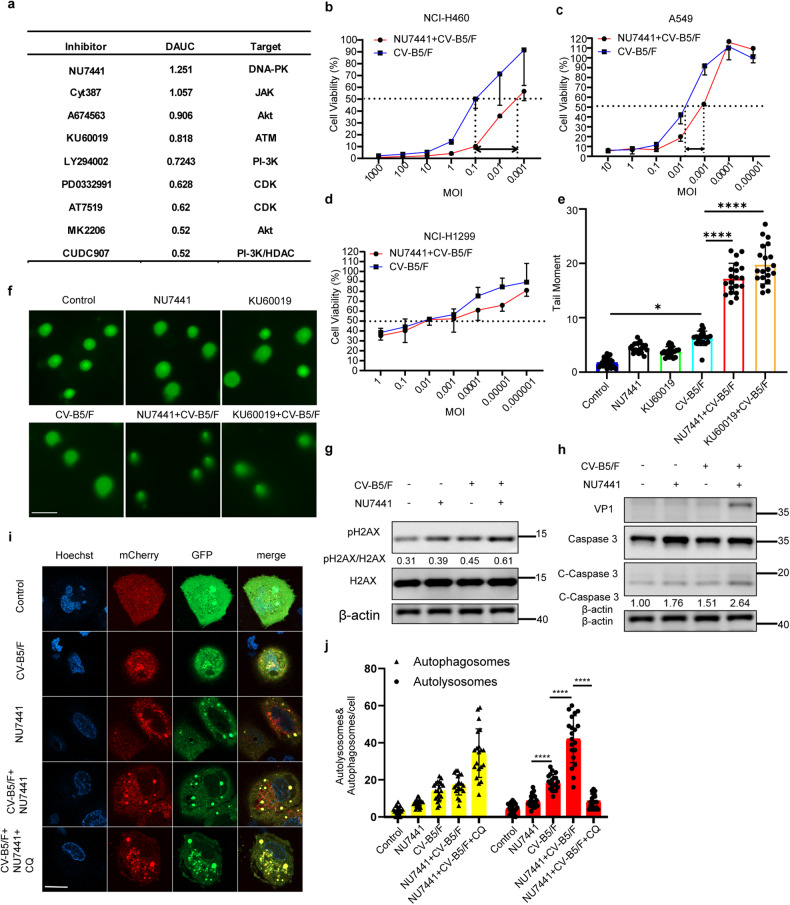
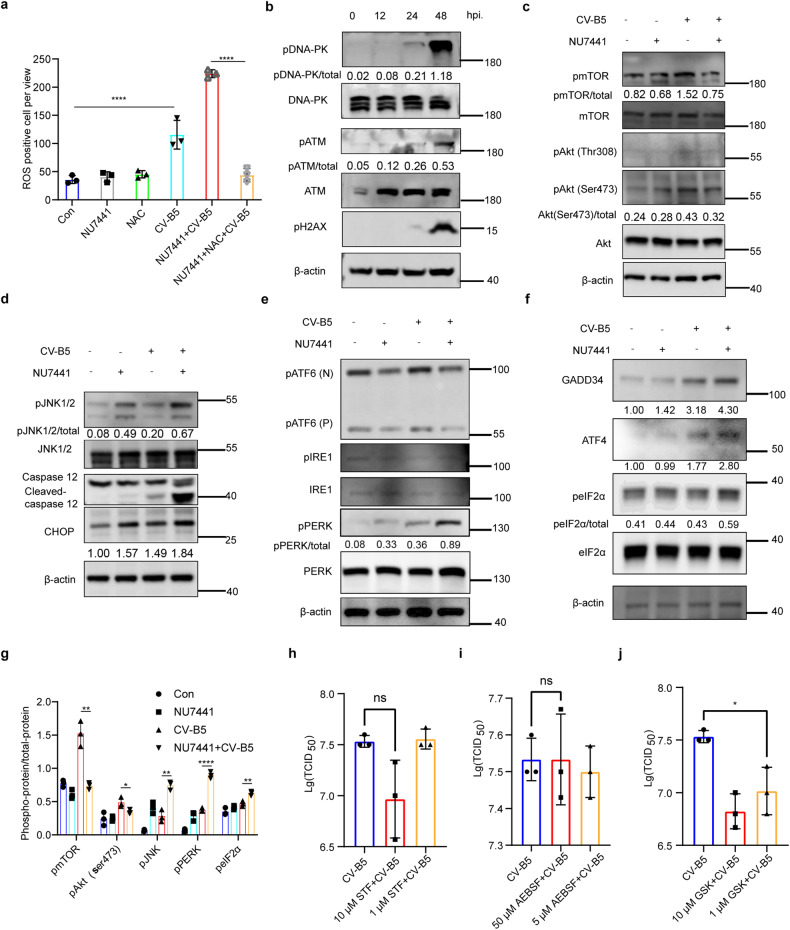
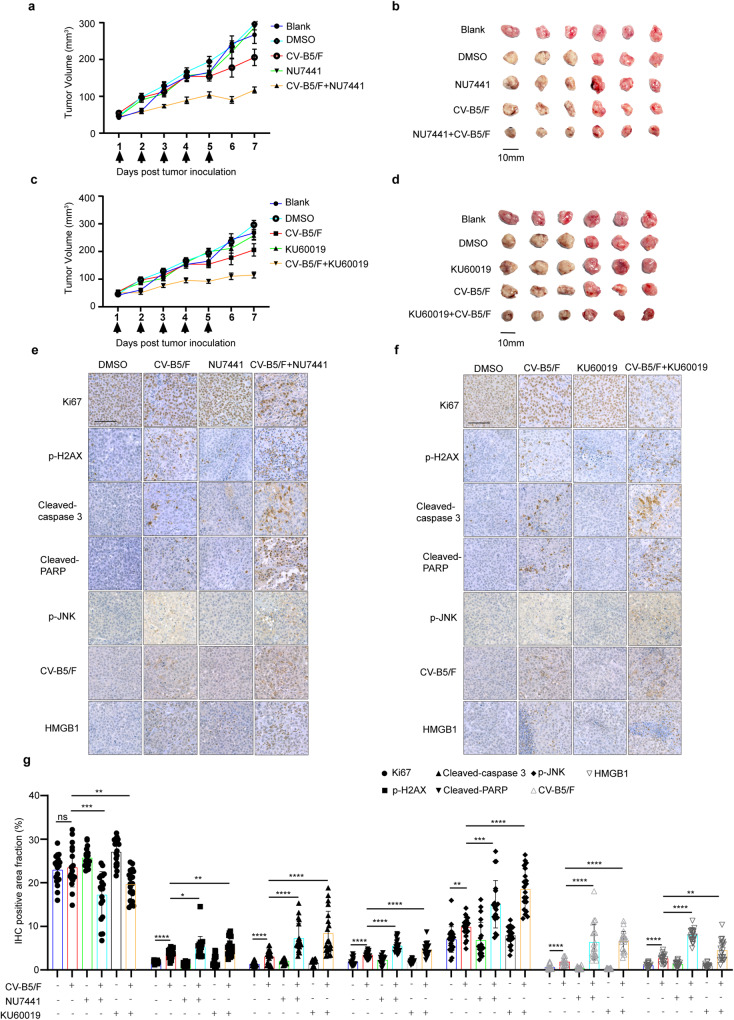
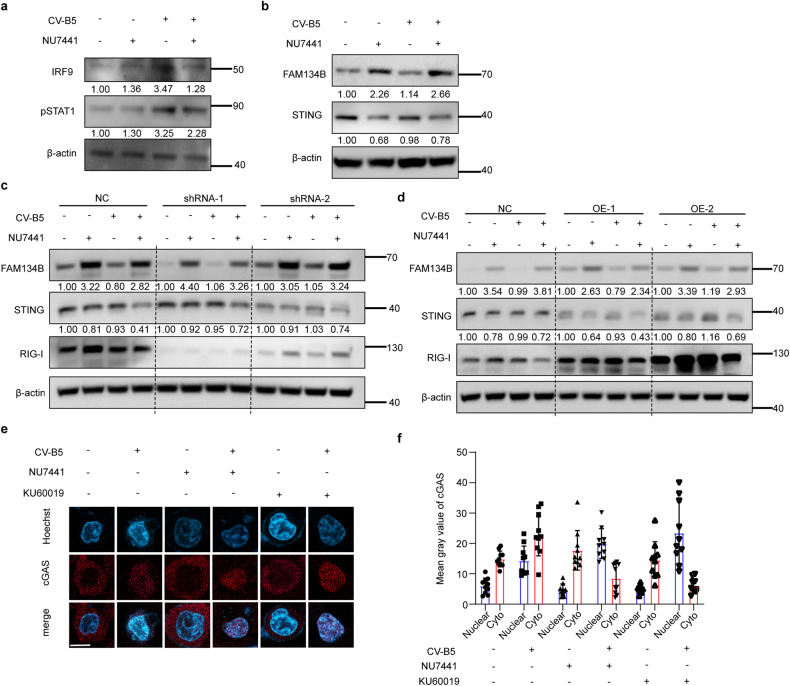
With the continuous in-depth study of the interaction mechanism between viruses and hosts, the virus has become a promising tool in cancer treatment. In fact, many oncolytic viruses with selectivity and effectiveness have been used in cancer therapy. Human enterovirus is one of the most convenient sources to generate oncolytic viruses, however, the high seroprevalence of some enteroviruses limits its application which urges to exploit more oncolytic enteroviruses. In this study, coxsackievirus B5/Faulkner (CV-B5/F) was screened for its potential oncolytic effect against non-small cell lung cancers (NSCLCs) through inducing apoptosis and autophagy. For refractory NSCLCs, DNA-dependent protein kinase (DNA-PK) or ataxia telangiectasia mutated protein (ATM) inhibitors can synergize with CV-B5/F to promote refractory cell death. Here, we showed that viral infection triggered endoplasmic reticulum (ER) stress-related pro-apoptosis and autophagy signals, whereas repair for double-stranded DNA breaks (DSBs) contributed to cell survival which can be antagonized by inhibitor-induced cell death, manifesting exacerbated DSBs, apoptosis, and autophagy. Mechanistically, PERK pathway was activated by the combination of CV-B5/F and inhibitor, and the irreversible ER stress-induced exacerbated cell death. Furthermore, the degradation of activated STING by ERphagy promoted viral replication. Meanwhile, no treatment-related deaths due to CV-B5/F and/or inhibitors occurred. Conclusively, our study identifies an oncolytic CV-B5/F and the synergistic effects of inhibitors of DNA-PK or ATM, which is a potential therapy for NSCLCs.
随着病毒与宿主相互作用机制的不断深入研究,病毒已成为癌症治疗中极具前景的工具。事实上,已有许多具有选择性和有效性的溶瘤病毒被用于癌症治疗。人类肠道病毒是生成溶瘤病毒最方便的来源之一,然而,某些肠道病毒的高血清阳性率限制了其应用,这促使人们开发更多的溶瘤肠道病毒。在这项研究中,柯萨奇病毒 B5/福克纳(CV-B5/F)通过诱导细胞凋亡和自噬,被筛选用于治疗非小细胞肺癌(NSCLCs)的溶瘤作用。对于耐药的非小细胞肺癌,DNA 依赖性蛋白激酶(DNA-PK)或共济失调毛细血管扩张突变蛋白(ATM)抑制剂可以与 CV-B5/F 协同作用,促进耐药细胞死亡。在这里,我们表明病毒感染触发了内质网(ER)应激相关的促凋亡和自噬信号,而双链 DNA 断裂(DSBs)的修复有助于细胞存活,这可以被抑制剂诱导的细胞死亡拮抗,表现为加剧的 DSBs、凋亡和自噬。在机制上,CV-B5/F 和抑制剂的结合激活了 PERK 通路,导致不可逆转的 ER 应激诱导的加剧的细胞死亡。此外,ERphagy 促进了激活的 STING 的降解,从而促进了病毒复制。同时,CV-B5/F 和/或抑制剂的治疗没有导致与治疗相关的死亡。总之,本研究鉴定了一种溶瘤 CV-B5/F 和 DNA-PK 或 ATM 抑制剂的协同作用,这为非小细胞肺癌的治疗提供了一种潜在的方法。