Groen Marloes A, Jacobs Ruud S
Communication Science Research Group, University of Twente, Enschede, Netherlands.
Front Psychol. 2023 Sep 8;14:1173429. doi: 10.3389/fpsyg.2023.1173429. eCollection 2023.
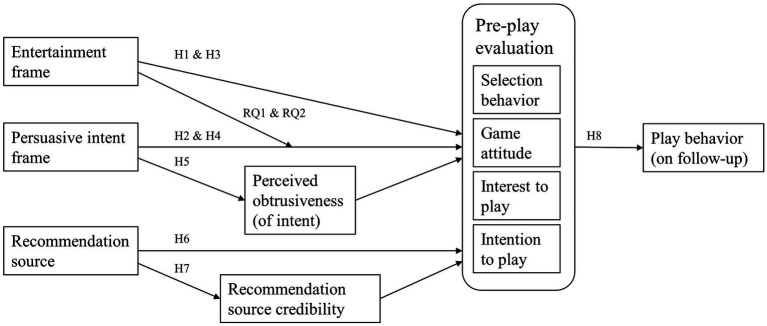
As games made with the explicit or implicit purpose of influencing players' attitudes, persuasive games afford a new way for individuals to reflect and elaborate on real-world issues or topics. While research points to effects of these games on their players, little is known about their practical impact. The current study focuses on the decision-making process that takes place between first hearing about a game and deciding to play it. Three elements in a game's presentation to potential players were explored: (1) the way it is framed as an entertaining experience, (2) the way it is framed as intending to persuade its players, and (3) whether it comes recommended by automated systems or through electronic word-of-mouth. These factors were chosen in line with theoretical arguments around framing, eudaimonia, and source credibility.
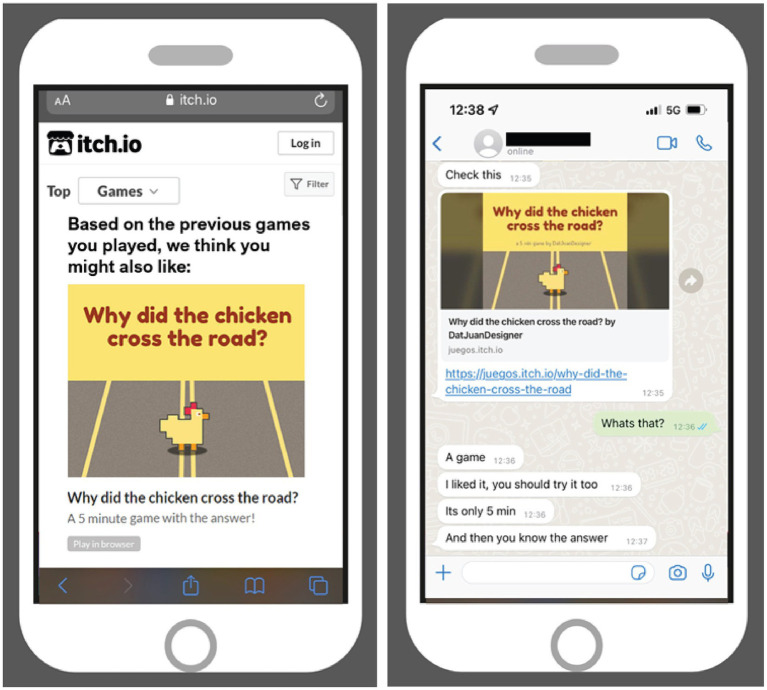
A two (entertainment frame: hedonic versus eudaimonic) by two (persuasive intent frame: obfuscated versus explicit) by two (source of recommendation: system- versus peer-based) between-subjects experimental design was performed across ( = 310) randomly distributed participants. Measures were adapted from previous research and included selection and play behavior, attitudes, and obtrusiveness of persuasive intent, among others.
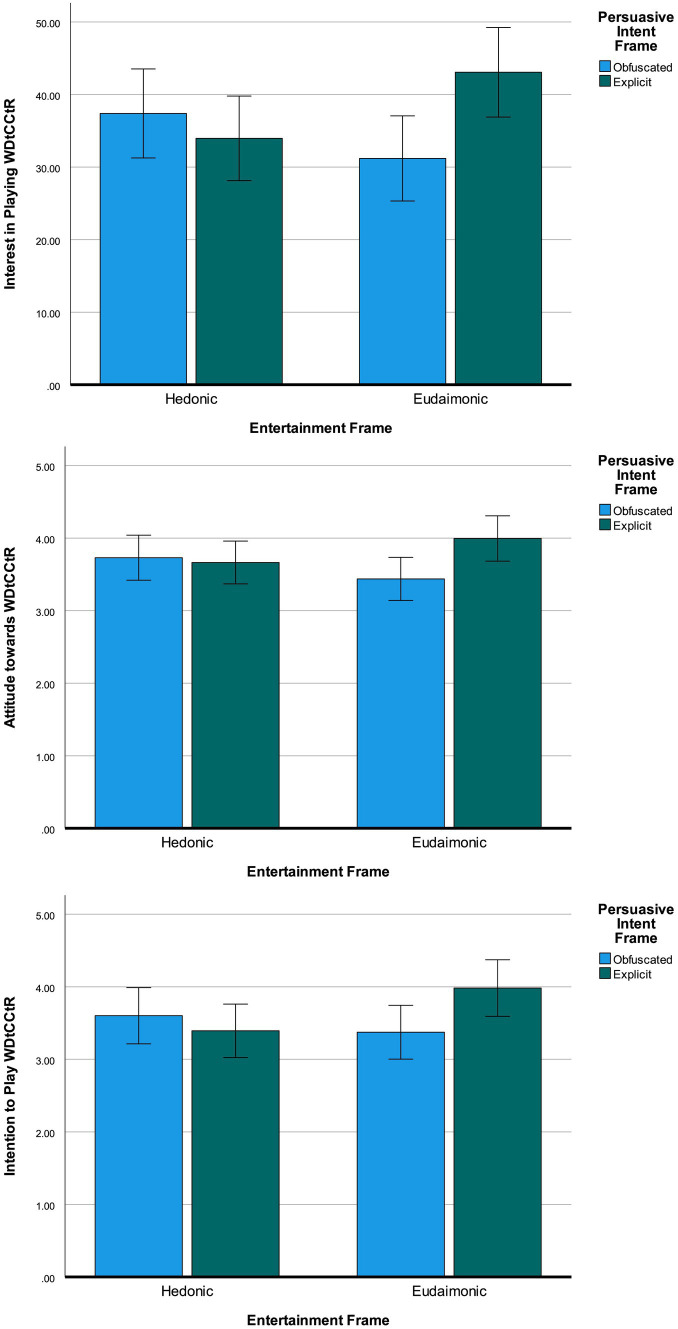
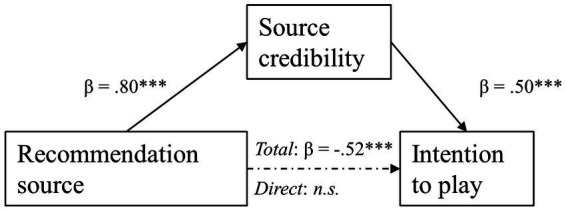
Results show that frames need to be congruent to be effective, with the most effective stimuli being those where persuasive intent was clear and players could expect to engage meaningfully. Peer recommendations led to greater play intention than system-based varieties. While intention to play positively related to actual play behavior, this relationship was likely the result of avid game players displaying more interest in the game regardless of the study's manipulations. Implications are drawn from the advantages of being open about persuasive intent and the composition and drivers of a persuasive game's target audience.
作为以明确或隐含影响玩家态度为目的而制作的游戏,劝服性游戏为个人反思和阐述现实世界问题或话题提供了一种新方式。虽然研究指出了这些游戏对玩家的影响,但对其实际影响却知之甚少。当前研究聚焦于从首次听闻一款游戏到决定玩这款游戏之间发生的决策过程。探讨了游戏向潜在玩家展示时的三个要素:(1)将其构建为一种娱乐体验的方式;(2)将其构建为意图劝服玩家的方式;(3)它是由自动化系统推荐还是通过电子口碑推荐。选择这些因素是基于围绕框架、幸福论和来源可信度的理论论证。
对310名随机分配的参与者进行了一项两因素(娱乐框架:享乐主义与幸福主义)×两因素(劝服意图框架:模糊与明确)×两因素(推荐来源:基于系统与基于同伴)的被试间实验设计。测量方法改编自先前研究,包括选择和游戏行为、态度以及劝服意图的突兀程度等。
结果表明,框架需要一致才能有效,最有效的刺激是那些劝服意图清晰且玩家能够预期进行有意义参与的刺激。同伴推荐比基于系统的推荐导致更高的游戏意愿。虽然游戏意愿与实际游戏行为呈正相关,但这种关系可能是由于狂热游戏玩家无论研究操纵如何都对游戏表现出更大兴趣的结果。从公开劝服意图的优势以及劝服性游戏目标受众的构成和驱动因素中得出了相关启示。