Ahmed Abdelrahman R, Alqahtani Nashi K, Ramadan Khaled M A, Mohamed Heba I, Mahmoud Mohamed A A, Elkatry Haiam O
Food and Nutrition Science Department, Agricultural Science and Food, King Faisal University, Al-Ahsa 31982, Saudi Arabia.
Home Economics Department, Faculty of Specific Education, Ain Shams University, Abassia, Cairo 11772, Egypt.
ACS Omega. 2023 Sep 11;8(37):33593-33609. doi: 10.1021/acsomega.3c03747. eCollection 2023 Sep 19.
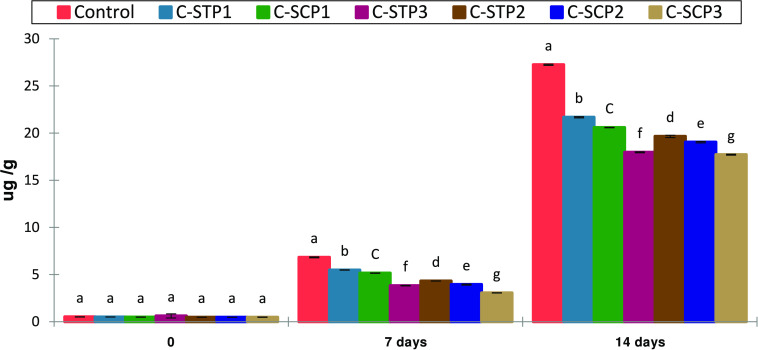
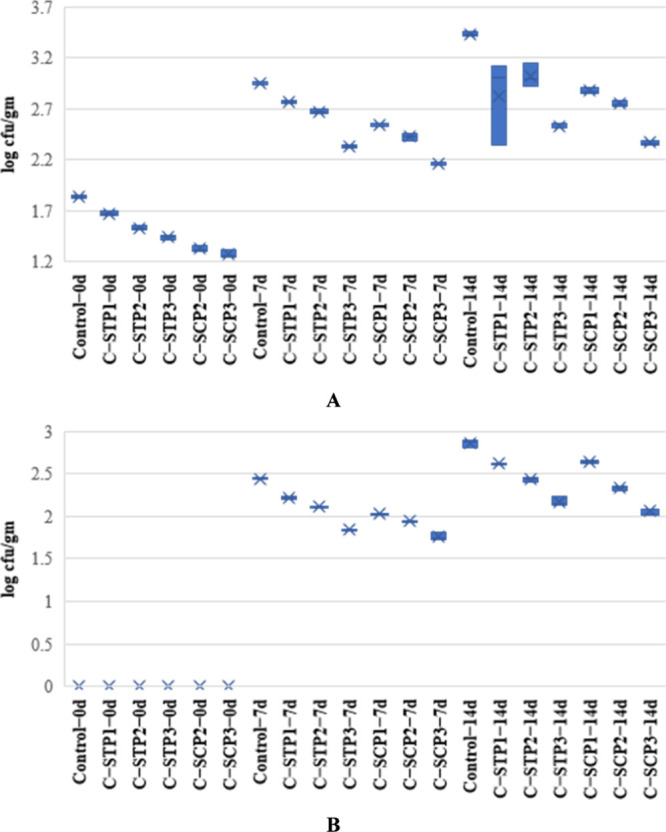
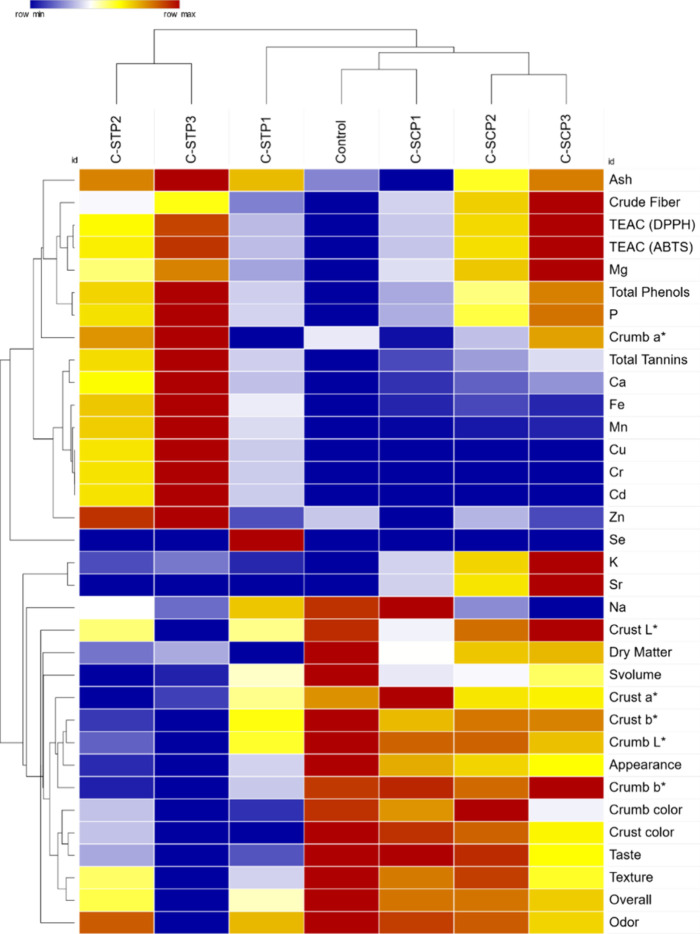
The study aimed to evaluate the potential use of spent coffee powder (SCP) and spent tea powder (STP) as bioactive supplements for sponge cake. To achieve this aim, we initially compared the chemical properties of spent tea and coffee powders with those of their raw forms. Subsequently, three supplemented cake blends were prepared (1, 2, and 3% of SCP and STP) to test the effect of their addition on the chemophysical characteristics, sensory attributes, and shelf life of the final products. Our results indicated that spent tea and coffee are prospective materials for polyphenols. Spent tea powder could retain up to 72% (theaflavin trigallate), while spent coffee powder could retain up to 63.9% (1-caffeoylquinic acid) of the identified compounds compared to the raw materials. Furthermore, spent tea and coffee powders contained high levels of dietary fiber (18.95 and 31.65 g/100 g dry weight) and the elements potassium (254.6 and 1218.2 mg/100 g of DW), phosphorus (189.8 and 161.3 mg/100 g of DW), calcium (904.1 and 237.8 mg/100 g of DW), and magnesium (158.8 and 199.6 mg/100 g of DW). In addition, the fortified samples with SCP and STP significantly enhanced the nutritional values while retaining good sensory qualities compared to those of the control sample. Moreover, cakes fortified with the highest concentrations of SCP and STP (3%) showed a significant decrease in malondialdehyde content (MDA; 17.7 and 18.0 μg/g) and microbiological counts (2.4 and 2.5 log cfu/g) compared to the control cake after 14 days of storage. These findings suggest that incorporating SCP and STP into cakes not only enhances their nutritional value but also extends their shelf life. By utilizing these waste products, we can contribute to a more sustainable and ecofriendly food industry.
该研究旨在评估咖啡渣粉(SCP)和茶渣粉(STP)作为海绵蛋糕生物活性补充剂的潜在用途。为实现这一目标,我们首先比较了茶渣粉和咖啡渣粉与其原始形态的化学性质。随后,制备了三种添加型蛋糕混合物(SCP和STP各占1%、2%和3%),以测试它们的添加对最终产品的化学物理特性、感官属性和保质期的影响。我们的结果表明,茶渣和咖啡渣是多酚的潜在来源。与原材料相比,茶渣粉最多可保留72%的成分(茶黄素三没食子酸酯),而咖啡渣粉最多可保留63.9%的成分(1-咖啡酰奎尼酸)。此外,茶渣粉和咖啡渣粉含有高水平的膳食纤维(干重分别为18.95和31.65克/100克)以及钾(254.6和1218.2毫克/100克干重)、磷(189.8和161.3毫克/100克干重)、钙(904.1和237.8毫克/100克干重)和镁(158.8和199.6毫克/100克干重)等元素。此外,与对照样品相比,添加了SCP和STP的样品显著提高了营养价值,同时保持了良好的感官品质。此外,在储存14天后,添加最高浓度SCP和STP(3%)的蛋糕与对照蛋糕相比,丙二醛含量(MDA;分别为17.7和18.0微克/克)和微生物计数(分别为2.4和2.5 log cfu/克)显著降低。这些发现表明,将SCP和STP加入蛋糕中不仅能提高其营养价值,还能延长其保质期。通过利用这些废弃物,我们可以为更可持续和环保的食品工业做出贡献。