Katwal Shailendra, Suwal Sundar, Lamichhane Suman, Bhusal Amrit, Ghimire Aastha
Department of Radiology, Dadeldhura Subregional Hospital, Dadeldhura, Nepal.
Department of Radiology, Maharajgunj Medical College, Kathmandu, Nepal.
Radiol Case Rep. 2023 Sep 16;18(11):4182-4186. doi: 10.1016/j.radcr.2023.08.087. eCollection 2023 Nov.
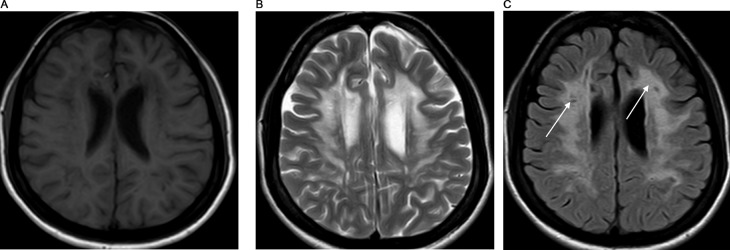
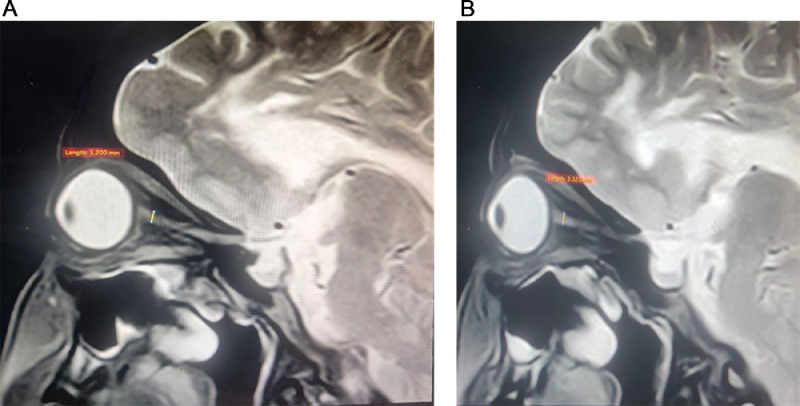
This abstract provides an overview of metachromatic leukodystrophy (MLD), an autosomal recessive disorder stemming from arylsulfatase A deficiency. MLD leads to cerebroside sulfate accumulation, causing central and peripheral demyelination. Clinical manifestations vary by age group: late-infantile (rapid progression), juvenile (slower progression), and adult-onset (psychiatric symptoms). A case study details a 23-year-old with progressive vision impairment, motor weakness, and cognitive changes. Examination and MRI findings led to suspicion of MLD, later confirmed by enzyme testing. Optic nerve involvement is emphasized, along with diagnostic criteria involving enzyme assays, imaging, and urinary sulfatide excretion tests. While no cure exists, symptomatic and supportive care, including hematopoietic stem cell transplantation, remains key in MLD management
本摘要概述了异染性脑白质营养不良(MLD),这是一种由芳基硫酸酯酶A缺乏引起的常染色体隐性疾病。MLD会导致脑硫脂蓄积,引起中枢和外周脱髓鞘。临床表现因年龄组而异:晚发型婴儿型(进展迅速)、青少年型(进展较慢)和成人发病型(精神症状)。一项病例研究详细介绍了一名23岁患者,其患有进行性视力损害、运动无力和认知改变。检查和MRI结果引发了对MLD的怀疑,后来通过酶检测得以确诊。强调了视神经受累情况,以及涉及酶测定、成像和尿硫脂排泄试验的诊断标准。虽然尚无治愈方法,但对症和支持性治疗,包括造血干细胞移植,仍然是MLD管理的关键。