Breitenecker Kristina, Hedrich Viola, Pupp Franziska, Chen Doris, Řezníčková Eva, Ortmayr Gregor, Huber Heidemarie, Weber Gerhard, Balcar Lorenz, Pinter Matthias, Mikulits Wolfgang
Center for Cancer Research, Comprehensive Cancer Center, Medical University of Vienna, Vienna, Austria.
Department of Chromosome Biology, Max Perutz Labs Vienna, University of Vienna, Vienna, Austria.
Front Oncol. 2023 Sep 8;13:1238883. doi: 10.3389/fonc.2023.1238883. eCollection 2023.
Hepatocellular carcinoma (HCC) patients at advanced stages receive immunotherapy or treatment with tyrosine kinase inhibitors (TKIs) such as Sorafenib (Sora) or Lenvatinib in frontline as well as Regorafenib (Rego) or Cabozantinib in second-line. A major hindrance of TKI therapies is the development of resistance, which renders drug treatment futile and results in HCC progression.
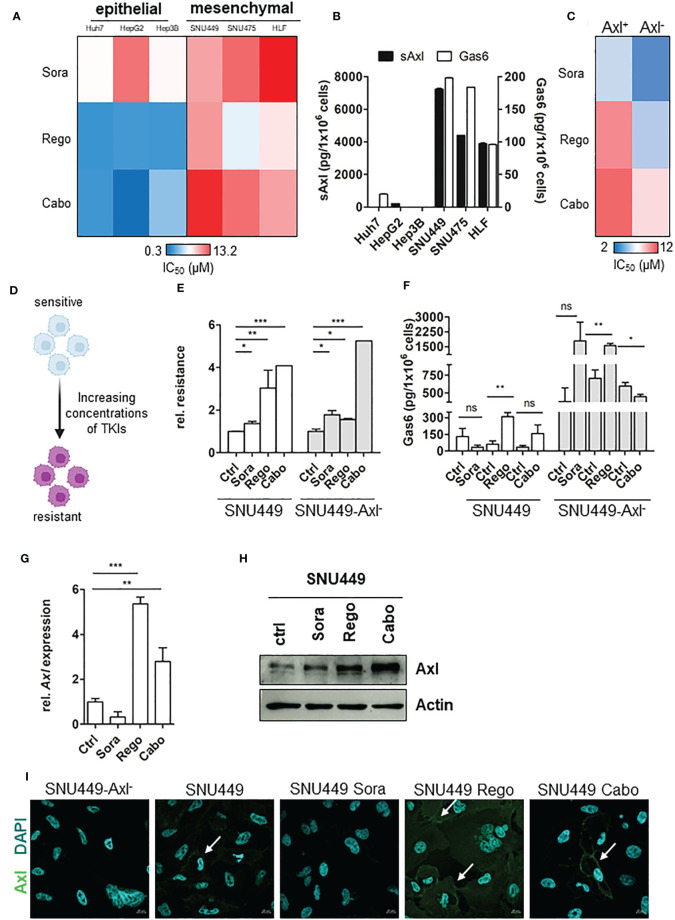
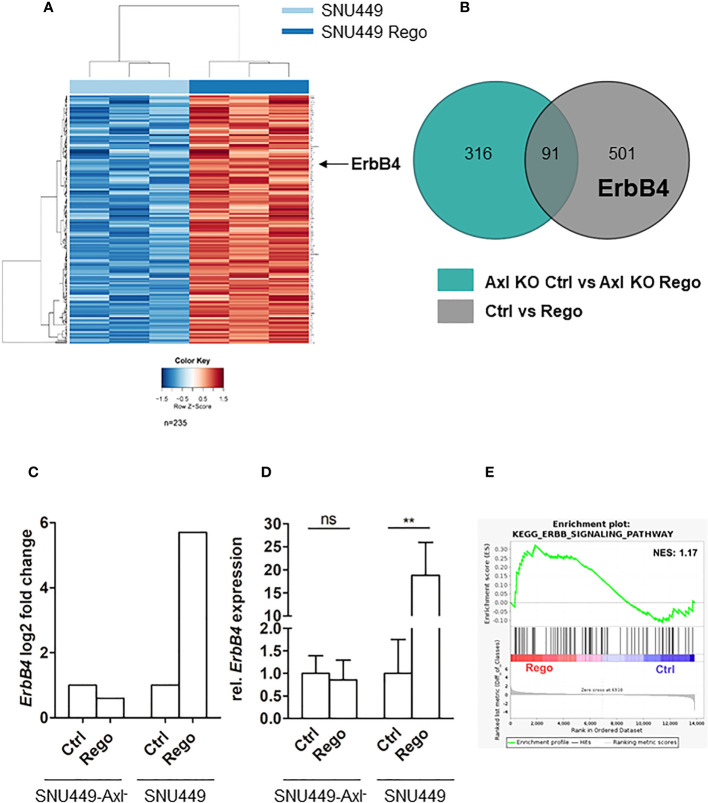
In this study, we addressed the impact of the receptor tyrosine kinase Axl binding to its ligand Gas6 in acquiring refractoriness to TKIs. The initial responses of Axl-positive and Axl-negative cell lines to different TKIs were assessed. Upon inducing resistance, RNA-Seq, gain- and loss-of-function studies were applied to understand and intervene with the molecular basis of refractoriness. Secretome analysis was performed to identify potential biomarkers of resistance.
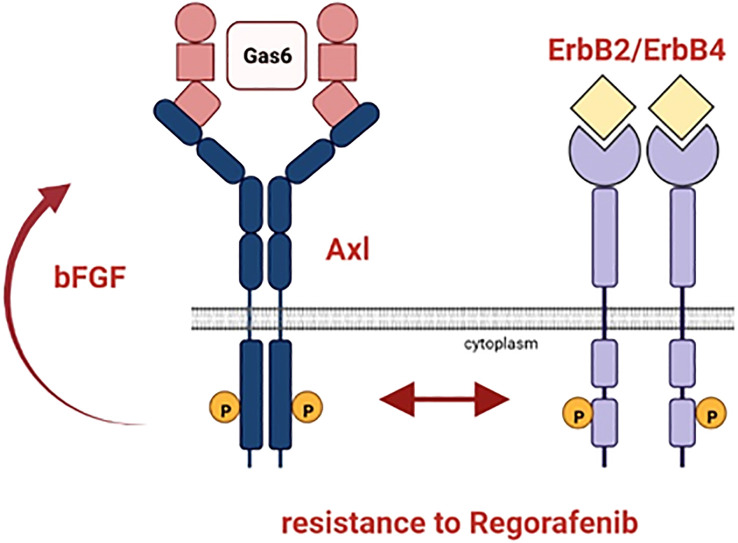
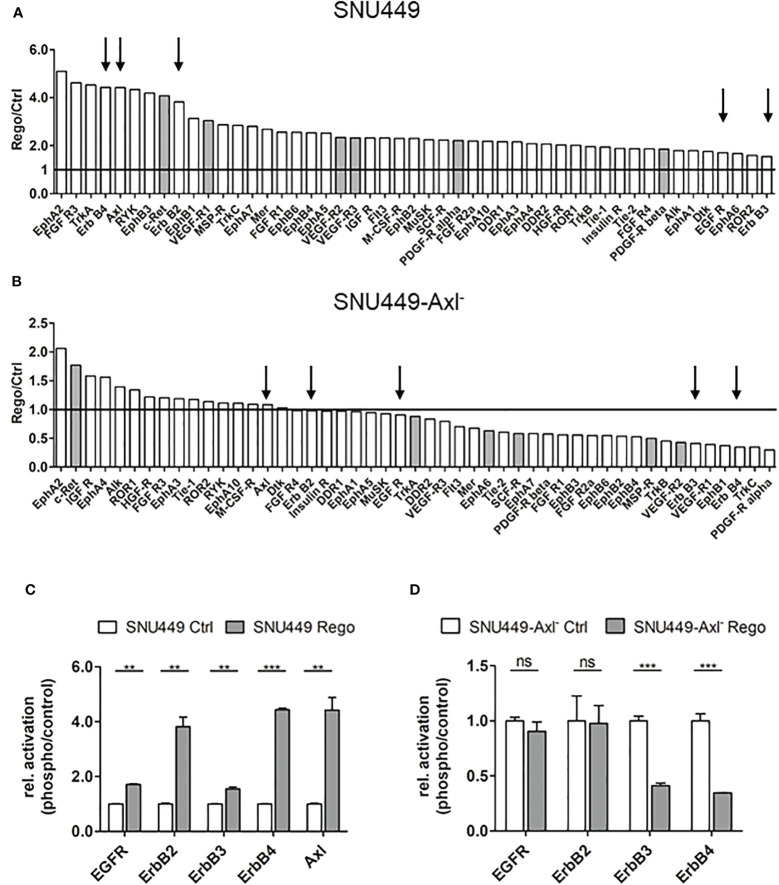
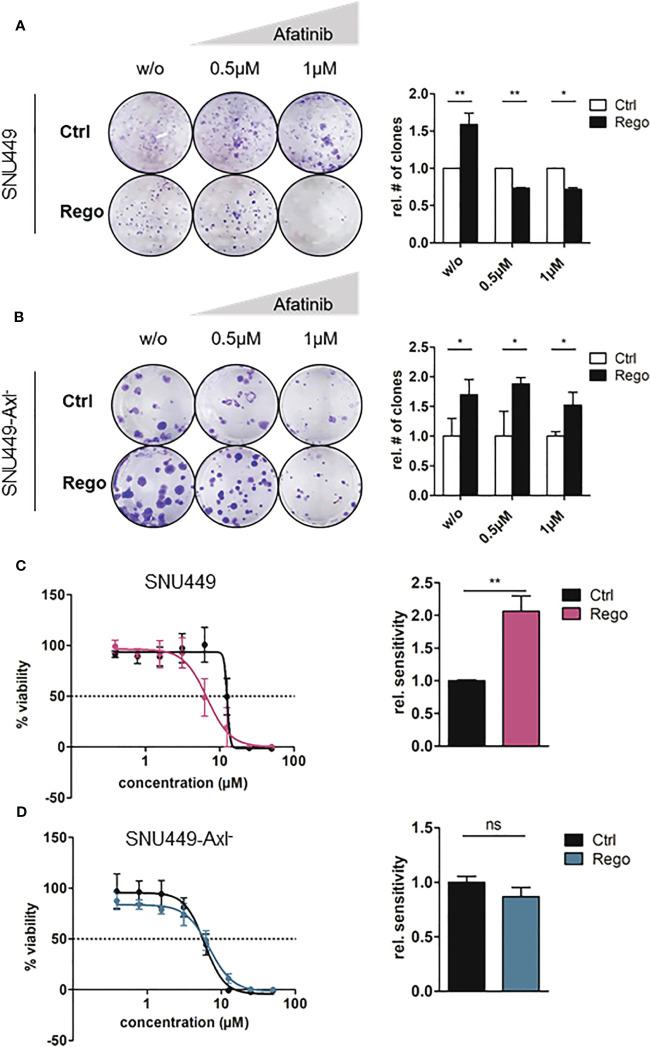
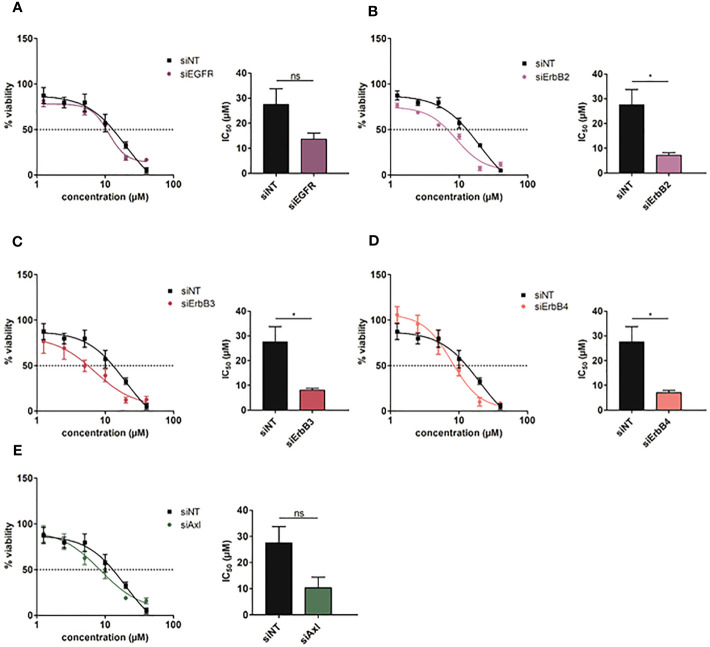
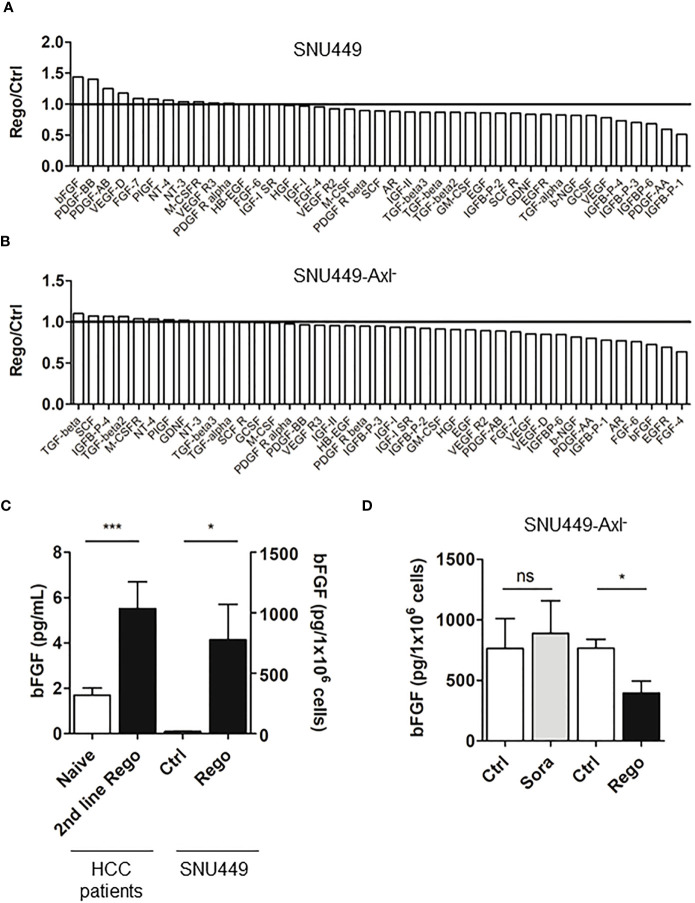
We show that HCC cells exhibiting a mesenchymal-like phenotype were less sensitive to drug treatment, linking TKI resistance to changes in epithelial plasticity. Gas6/Axl expression and activation were upregulated in Rego-resistant HCC cells together with the induction of ErbB receptors, whereas HCC cells lacking Axl failed to stimulate ErbBs. Treatment of Rego-insensitive HCC cells with the pan-ErbB family inhibitor Afatinib rather than with Erlotinib blocking ErbB1 reduced cell viability and clonogenicity. Genetic intervention with ErbB2-4 but not ErbB1 confirmed their crucial involvement in refractoriness to Rego. Furthermore, Rego-resistant HCC cells secreted basic fibroblast growth factor (bFGF) depending on Axl expression. HCC patients treated with Sora in first-line and with Rego in second-line displayed elevated serum levels of bFGF, emphasizing bFGF as a predictive biomarker of TKI treatment.
Together, these data suggest that the inhibition of ErbBs is synthetic lethal with Rego in Axl-expressing HCC cells, showing a novel vulnerability of HCC.
晚期肝细胞癌(HCC)患者一线接受免疫治疗或使用酪氨酸激酶抑制剂(TKI)如索拉非尼(Sora)或仑伐替尼治疗,二线则使用瑞戈非尼(Rego)或卡博替尼治疗。TKI治疗的一个主要障碍是耐药性的产生,这使得药物治疗无效并导致HCC进展。
在本研究中,我们探讨了受体酪氨酸激酶Axl与其配体Gas6结合在获得对TKI耐药性中的作用。评估了Axl阳性和Axl阴性细胞系对不同TKI的初始反应。在诱导耐药后,应用RNA测序、功能获得和功能缺失研究来理解和干预耐药性的分子基础。进行分泌组分析以鉴定潜在的耐药生物标志物。
我们发现表现出间充质样表型的HCC细胞对药物治疗不太敏感,将TKI耐药性与上皮可塑性的变化联系起来。在瑞戈非尼耐药的HCC细胞中,Gas6/Axl的表达和激活上调,同时erbB受体被诱导,而缺乏Axl的HCC细胞未能刺激erbB。用泛erbB家族抑制剂阿法替尼而非阻断erbB1的厄洛替尼处理对瑞戈非尼不敏感的HCC细胞,可降低细胞活力和克隆形成能力。对erbB2 - 4而非erbB1进行基因干预证实了它们在对瑞戈非尼耐药中的关键作用。此外,瑞戈非尼耐药的HCC细胞根据Axl表达分泌碱性成纤维细胞生长因子(bFGF)。一线接受索拉非尼治疗且二线接受瑞戈非尼治疗的HCC患者血清bFGF水平升高,强调bFGF作为TKI治疗的预测生物标志物。
总之,这些数据表明在表达Axl的HCC细胞中,抑制erbB与瑞戈非尼具有合成致死性,显示出HCC的一种新的易损性。