Department of Biochemistry, Microbiology and Immunology, Faculty of Medicine, University of Ottawa, Ottawa, Ontario, Canada.
Centre for Infection, Immunity and Inflammation, University of Ottawa, Ottawa, Ontario, Canada.
PLoS Pathog. 2023 Sep 25;19(9):e1011658. doi: 10.1371/journal.ppat.1011658. eCollection 2023 Sep.
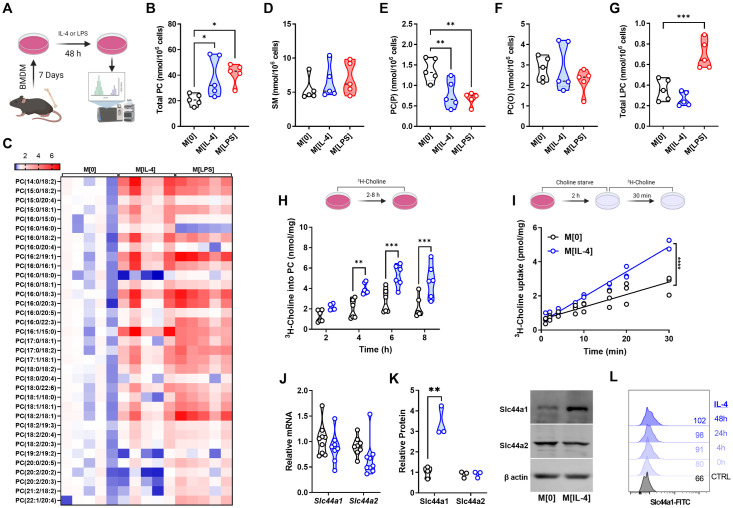
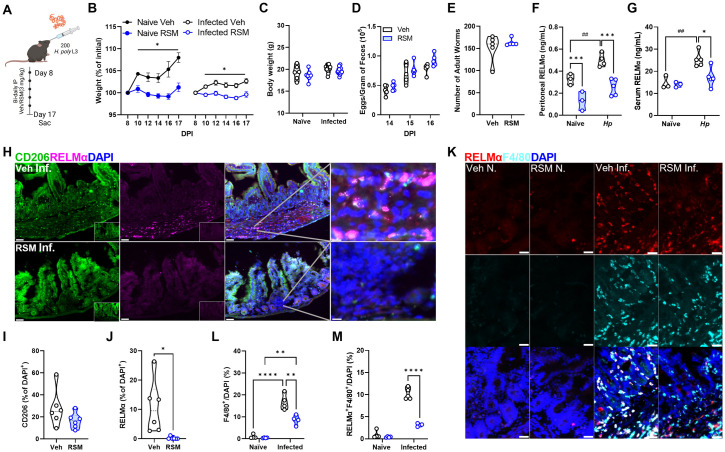
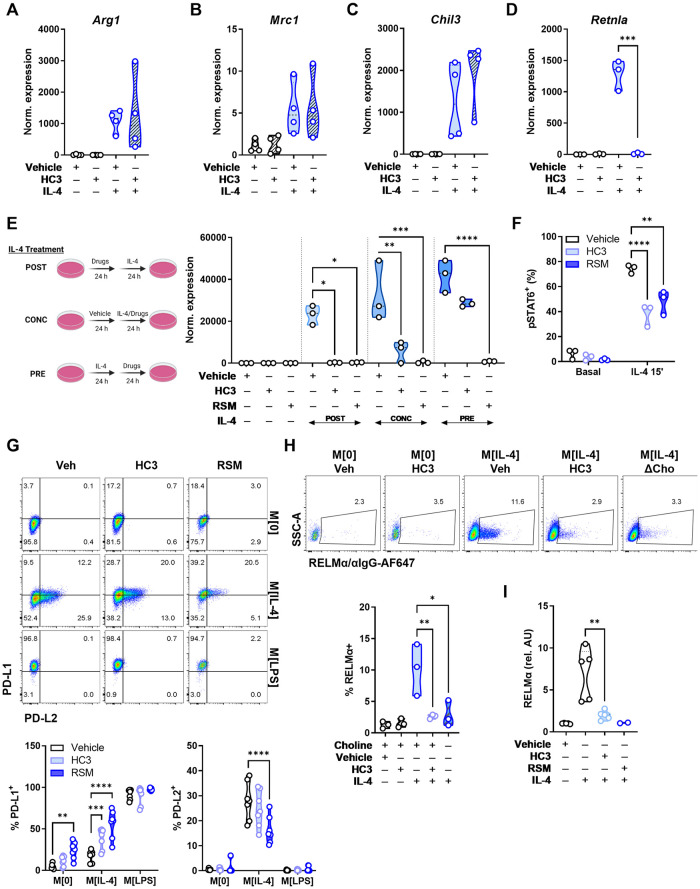
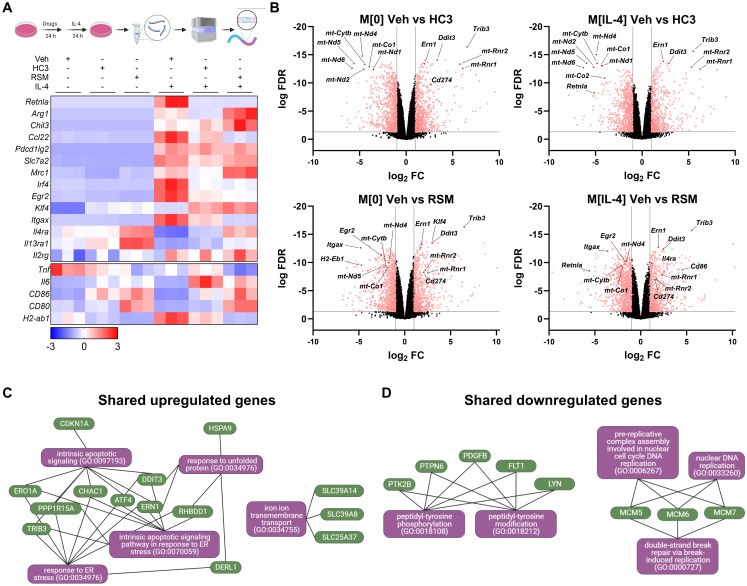
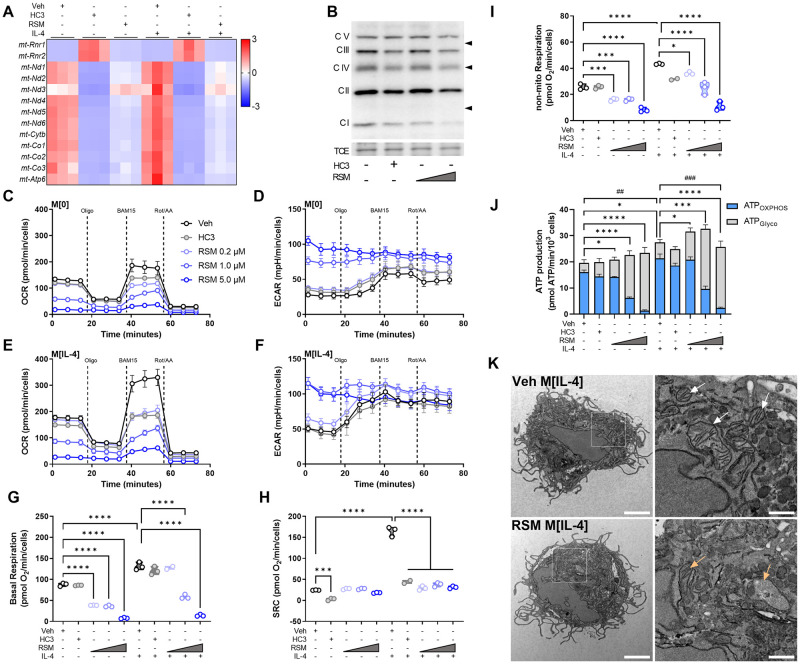
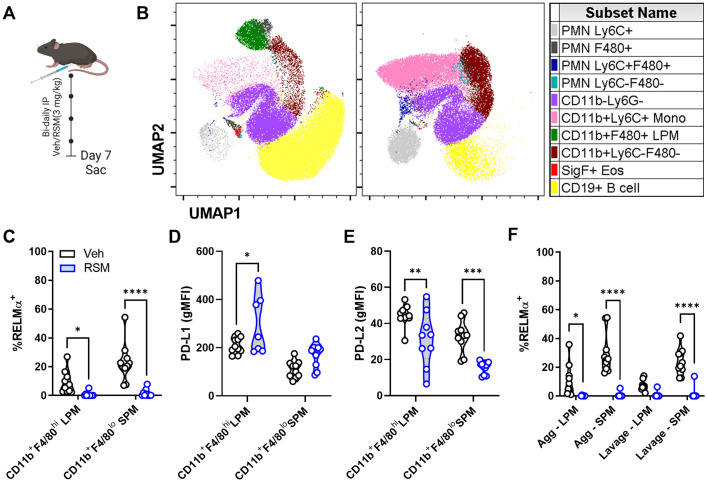
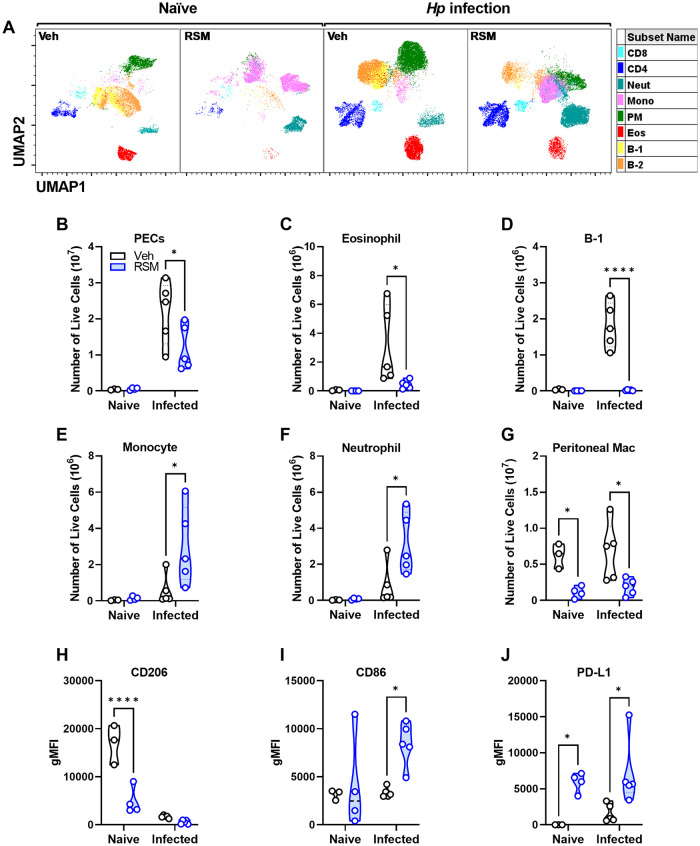
Type 2 cytokines like IL-4 are hallmarks of helminth infection and activate macrophages to limit immunopathology and mediate helminth clearance. In addition to cytokines, nutrients and metabolites critically influence macrophage polarization. Choline is an essential nutrient known to support normal macrophage responses to lipopolysaccharide; however, its function in macrophages polarized by type 2 cytokines is unknown. Using murine IL-4-polarized macrophages, targeted lipidomics revealed significantly elevated levels of phosphatidylcholine, with select changes to other choline-containing lipid species. These changes were supported by the coordinated up-regulation of choline transport compared to naïve macrophages. Pharmacological inhibition of choline metabolism significantly suppressed several mitochondrial transcripts and dramatically inhibited select IL-4-responsive transcripts, most notably, Retnla. We further confirmed that blocking choline metabolism diminished IL-4-induced RELMα (encoded by Retnla) protein content and secretion and caused a dramatic reprogramming toward glycolytic metabolism. To better understand the physiological implications of these observations, naïve or mice infected with the intestinal helminth Heligmosomoides polygyrus were treated with the choline kinase α inhibitor, RSM-932A, to limit choline metabolism in vivo. Pharmacological inhibition of choline metabolism lowered RELMα expression across cell-types and tissues and led to the disappearance of peritoneal macrophages and B-1 lymphocytes and an influx of infiltrating monocytes. The impaired macrophage activation was associated with some loss in optimal immunity to H. polygyrus, with increased egg burden. Together, these data demonstrate that choline metabolism is required for macrophage RELMα induction, metabolic programming, and peritoneal immune homeostasis, which could have important implications in the context of other models of infection or cancer immunity.
2 型细胞因子,如 IL-4,是寄生虫感染的标志,能激活巨噬细胞以限制免疫病理学并介导寄生虫清除。除细胞因子外,营养物质和代谢物也会对巨噬细胞极化产生重要影响。胆碱是一种必需的营养物质,已知它能支持巨噬细胞对脂多糖的正常反应;然而,其在 2 型细胞因子极化的巨噬细胞中的功能尚不清楚。使用鼠源 IL-4 极化的巨噬细胞,靶向脂质组学显示出磷脂酰胆碱水平显著升高,其他含胆碱的脂质种类也有选择性变化。这些变化与幼稚巨噬细胞相比,胆碱转运的协调上调相支持。胆碱代谢的药理学抑制显著抑制了几种线粒体转录物,并显著抑制了几种 IL-4 反应性转录物,尤其是 Retnla。我们进一步证实,阻断胆碱代谢会降低 IL-4 诱导的 RELMα(由 Retnla 编码)蛋白含量和分泌,并导致向糖酵解代谢的显著重编程。为了更好地理解这些观察结果的生理意义,用肠道寄生虫 Heligmosomoides polygyrus 感染的幼稚或小鼠进行胆碱激酶α抑制剂 RSM-932A 处理,以限制体内胆碱代谢。胆碱代谢的药理学抑制降低了跨细胞类型和组织的 RELMα 表达,并导致腹膜巨噬细胞和 B-1 淋巴细胞消失,浸润性单核细胞增多。巨噬细胞激活受损与最佳免疫 H. polygyrus 相关的一些丧失有关,导致卵载量增加。总之,这些数据表明,胆碱代谢对于巨噬细胞 RELMα 诱导、代谢编程和腹膜免疫稳态是必需的,这在其他感染或癌症免疫模型的背景下可能具有重要意义。