Oligonucleotide Discovery, Discovery Sciences Research and Development, AstraZeneca, 431 38 Gothenburg, Sweden.
Department of Laboratory Medicine, Clinical Research Centre, Karolinska Institute, 141 57 Stockholm, Sweden.
Cells. 2023 Sep 11;12(18):2253. doi: 10.3390/cells12182253.
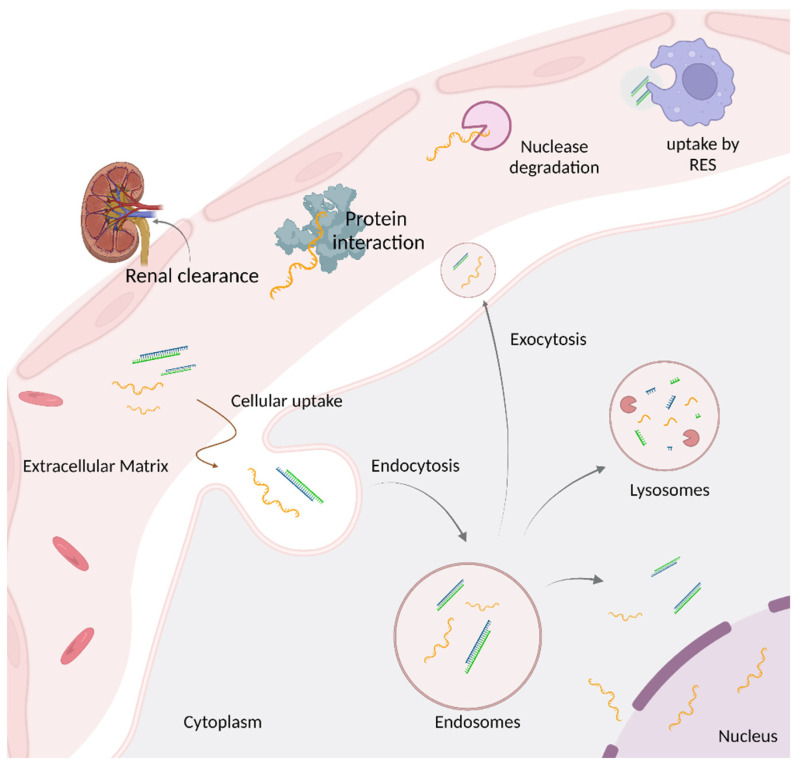
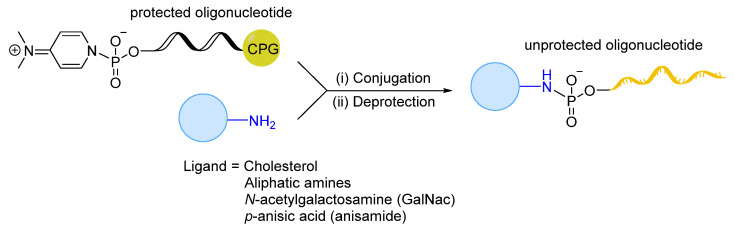
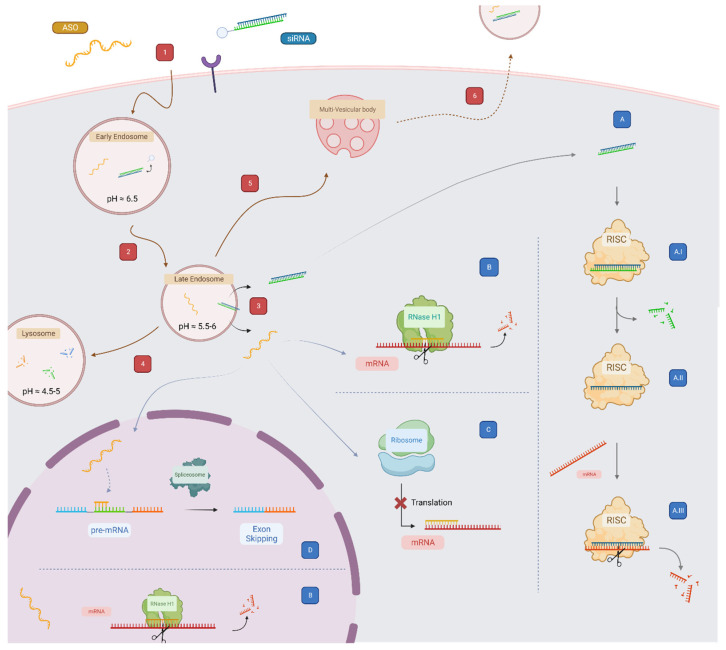
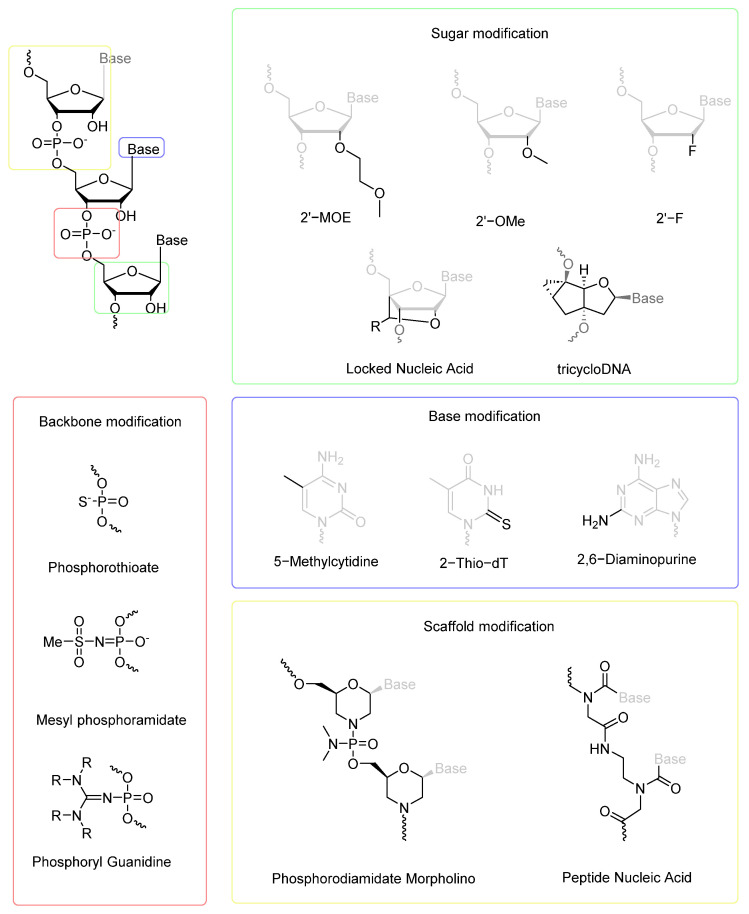
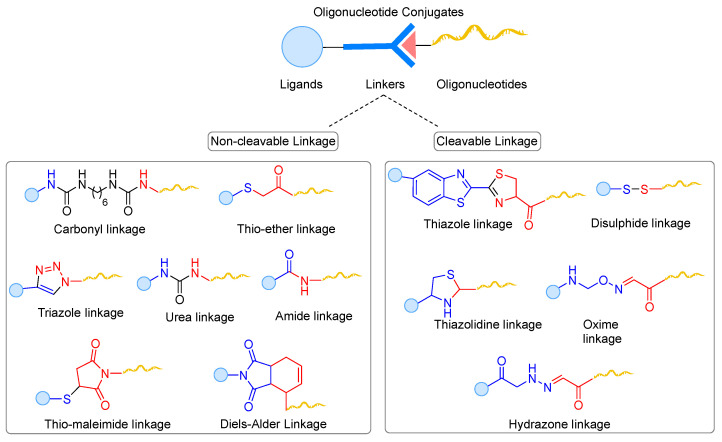
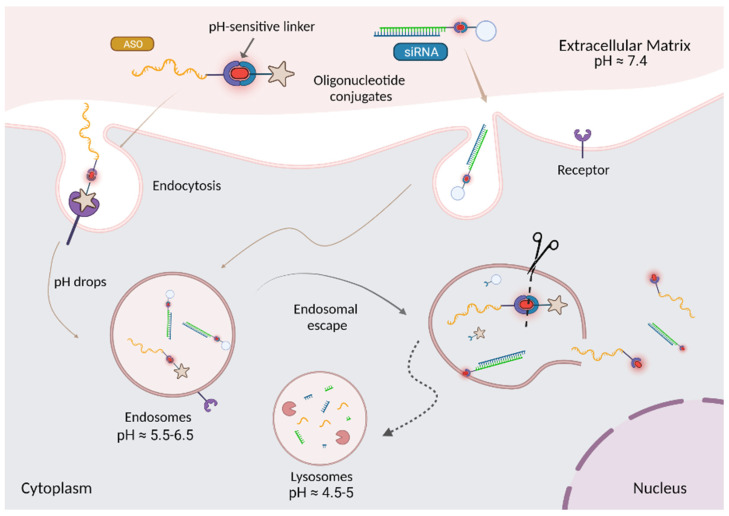
The potential of oligonucleotide therapeutics is undeniable as more than 15 drugs have been approved to treat various diseases in the liver, central nervous system (CNS), and muscles. However, achieving effective delivery of oligonucleotide therapeutics to specific tissues still remains a major challenge, limiting their widespread use. Chemical modifications play a crucial role to overcome biological barriers to enable efficient oligonucleotide delivery to the tissues/cells of interest. They provide oligonucleotide metabolic stability and confer favourable pharmacokinetic/pharmacodynamic properties. This review focuses on the various chemical approaches implicated in mitigating the delivery problem of oligonucleotides and their limitations. It highlights the importance of linkers in designing oligonucleotide conjugates and discusses their potential role in escaping the endosomal barrier, a bottleneck in the development of oligonucleotide therapeutics.
寡核苷酸疗法的潜力不可否认,已经有超过 15 种药物被批准用于治疗肝脏、中枢神经系统 (CNS) 和肌肉中的各种疾病。然而,将寡核苷酸疗法有效递送到特定组织仍然是一个主要挑战,限制了它们的广泛应用。化学修饰对于克服生物屏障以实现有效的寡核苷酸递送到感兴趣的组织/细胞至关重要。它们提供了寡核苷酸的代谢稳定性,并赋予了有利的药代动力学/药效学特性。本文综述了各种化学方法在减轻寡核苷酸递送问题及其局限性方面的作用。它强调了接头在设计寡核苷酸缀合物中的重要性,并讨论了它们在逃避内体屏障方面的潜在作用,内体屏障是寡核苷酸疗法发展的一个瓶颈。