Yan Li, Dwiggins Cole W, Gupta Udit, Stroka Kimberly M
Fischell Department of Bioengineering, University of Maryland, College Park, MD 20742, USA.
Biophysics Program, University of Maryland, College Park, MD 20742, USA.
Bioengineering (Basel). 2023 Sep 13;10(9):1080. doi: 10.3390/bioengineering10091080.
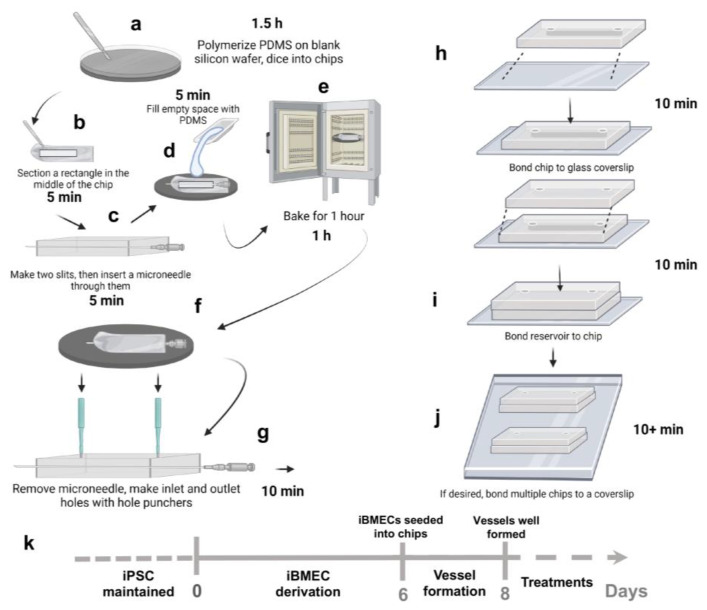
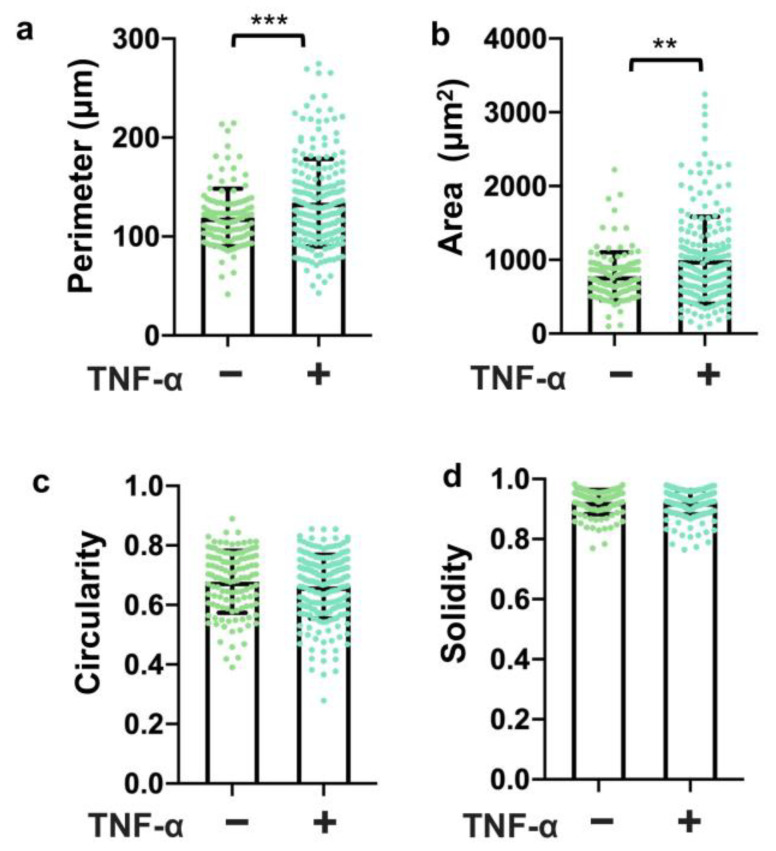
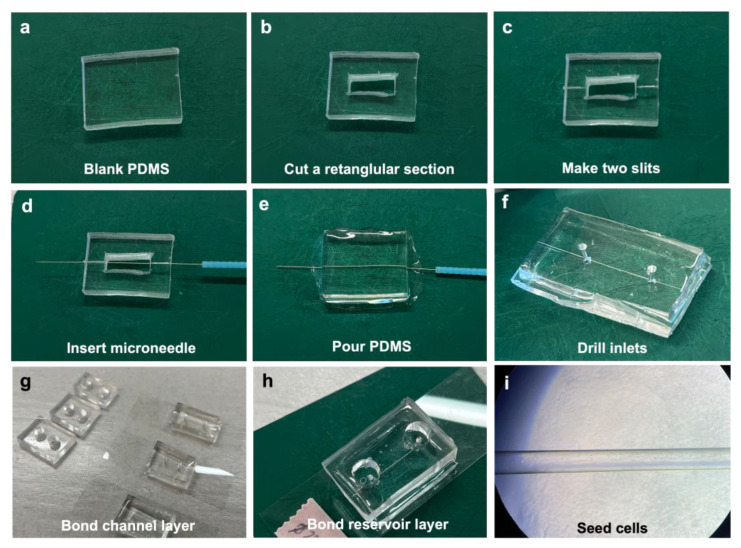
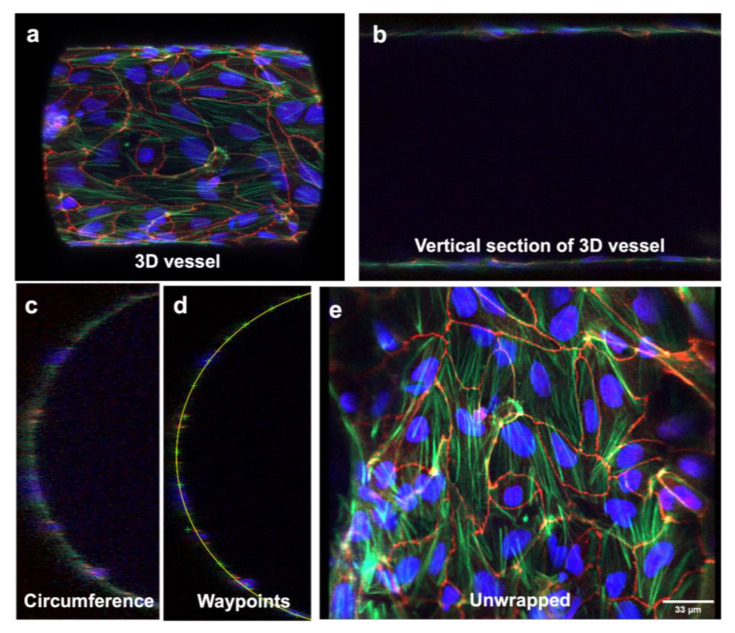
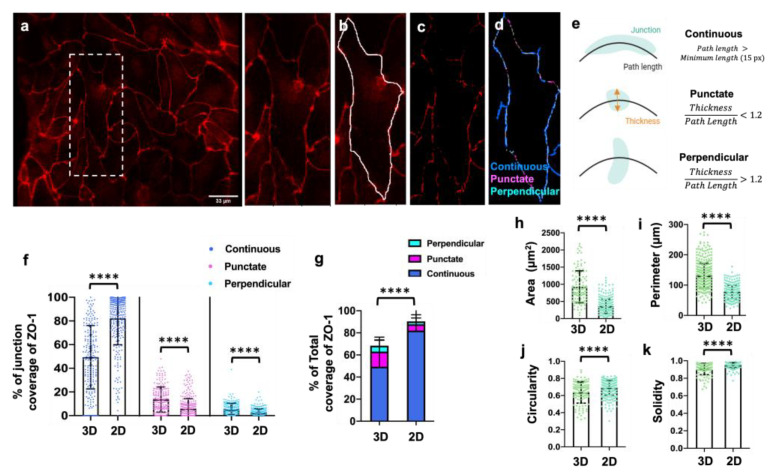
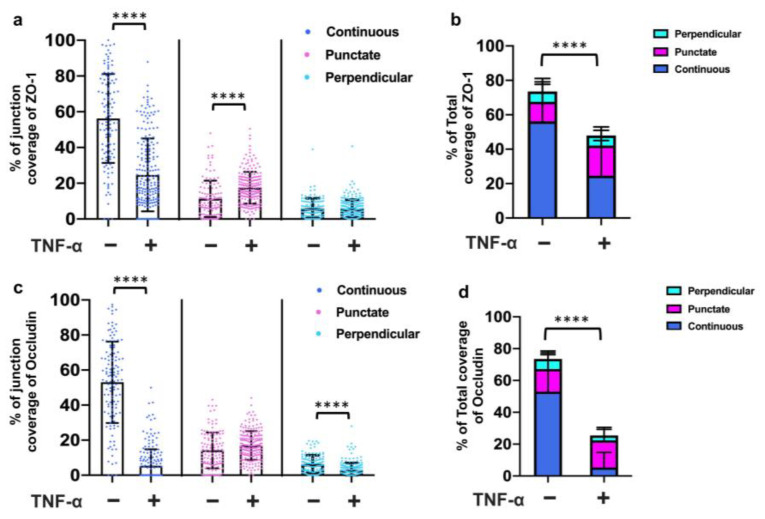
The blood-brain barrier (BBB) is a dynamic interface that regulates the molecular exchanges between the brain and peripheral blood. The permeability of the BBB is primarily regulated by the junction proteins on the brain endothelial cells. In vitro BBB models have shown great potential for the investigation of the mechanisms of physiological function, pathologies, and drug delivery in the brain. However, few studies have demonstrated the ability to monitor and evaluate the barrier integrity by quantitatively analyzing the junction presentation in 3D microvessels. This study aimed to fabricate a simple vessel-on-chip, which allows for a rigorous quantitative investigation of junction presentation in 3D microvessels. To this end, we developed a rapid protocol that creates 3D microvessels with polydimethylsiloxane and microneedles. We established a simple vessel-on-chip model lined with human iPSC-derived brain microvascular endothelial-like cells (iBMEC-like cells). The 3D image of the vessel structure can then be "unwrapped" and converted to 2D images for quantitative analysis of cell-cell junction phenotypes. Our findings revealed that 3D cylindrical structures altered the phenotype of tight junction proteins, along with the morphology of cells. Additionally, the cell-cell junction integrity in our 3D models was disrupted by the tumor necrosis factor α. This work presents a "quick and easy" 3D vessel-on-chip model and analysis pipeline, together allowing for the capability of screening and evaluating the cell-cell junction integrity of endothelial cells under various microenvironment conditions and treatments.
血脑屏障(BBB)是一个动态界面,可调节大脑与外周血之间的分子交换。血脑屏障的通透性主要由脑内皮细胞上的连接蛋白调节。体外血脑屏障模型在研究大脑生理功能、病理机制和药物递送方面显示出巨大潜力。然而,很少有研究能够通过定量分析三维微血管中的连接蛋白表达来监测和评估屏障的完整性。本研究旨在制造一种简单的芯片上血管,以便对三维微血管中的连接蛋白表达进行严格的定量研究。为此,我们开发了一种快速方法,利用聚二甲基硅氧烷和微针创建三维微血管。我们建立了一个简单的芯片上血管模型,内衬人诱导多能干细胞衍生的脑微血管内皮样细胞(iBMEC样细胞)。然后可以将血管结构的三维图像“展开”并转换为二维图像,以定量分析细胞间连接表型。我们的研究结果表明,三维圆柱形结构改变了紧密连接蛋白的表型以及细胞形态。此外,肿瘤坏死因子α破坏了我们三维模型中的细胞间连接完整性。这项工作展示了一种“快速简便”的三维芯片上血管模型和分析流程,共同实现了在各种微环境条件和处理下筛选和评估内皮细胞间连接完整性的能力。