Philippe Virginie, Jeannerat Annick, Peneveyre Cédric, Jaccoud Sandra, Scaletta Corinne, Hirt-Burri Nathalie, Abdel-Sayed Philippe, Raffoul Wassim, Darwiche Salim, Applegate Lee Ann, Martin Robin, Laurent Alexis
Orthopedics and Traumatology Service, Lausanne University Hospital, University of Lausanne, CH-1011 Lausanne, Switzerland.
Regenerative Therapy Unit, Plastic, Reconstructive and Hand Surgery Service, Lausanne University Hospital, University of Lausanne, CH-1066 Epalinges, Switzerland.
Pharmaceutics. 2023 Sep 16;15(9):2333. doi: 10.3390/pharmaceutics15092333.
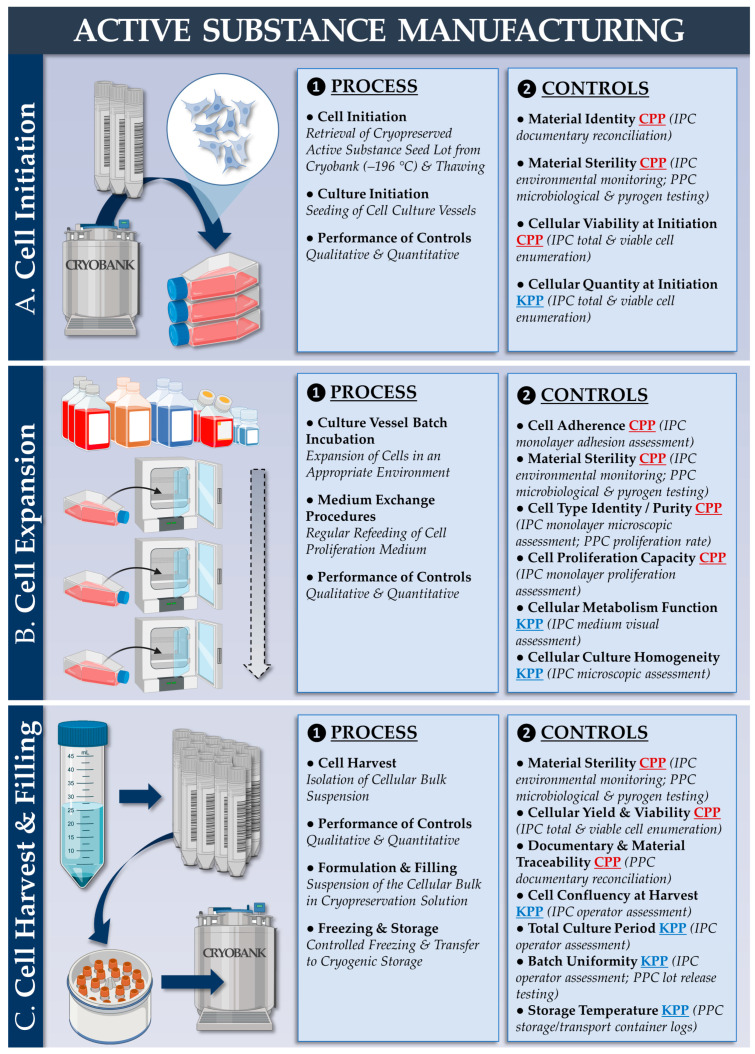
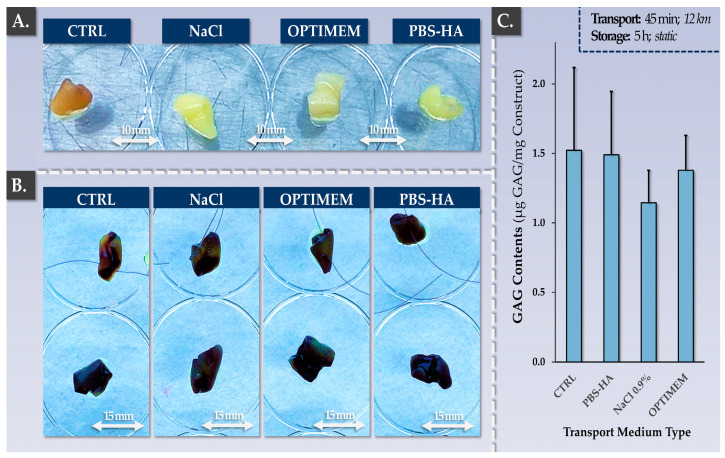
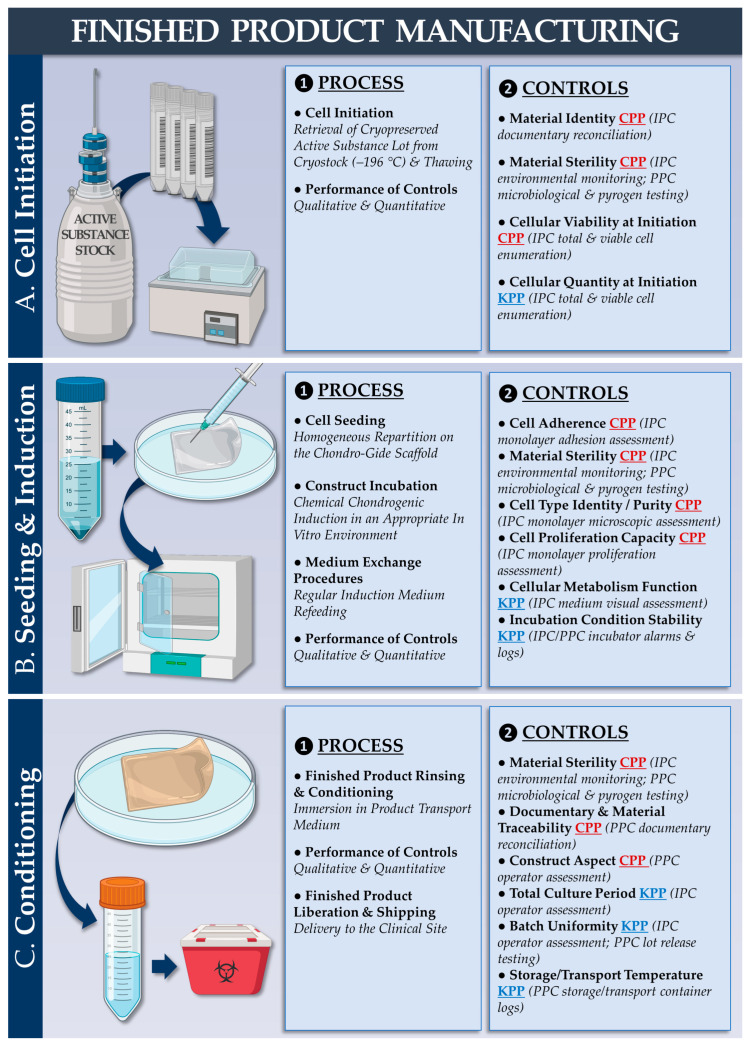
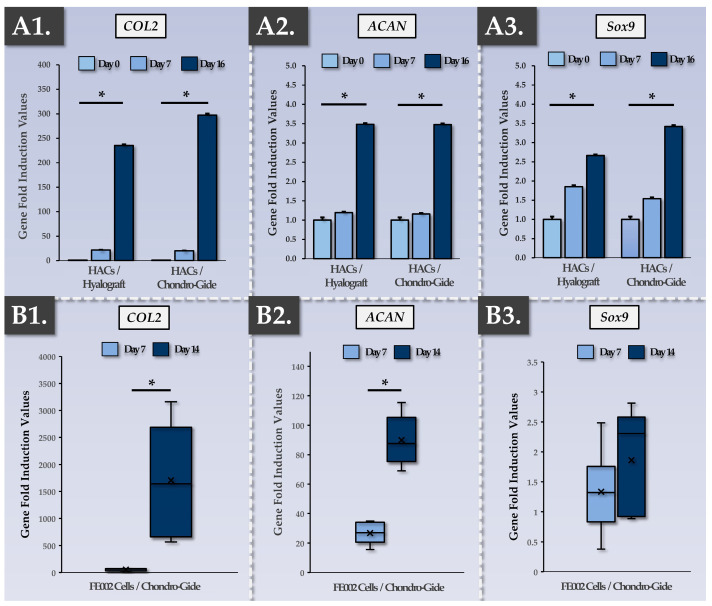
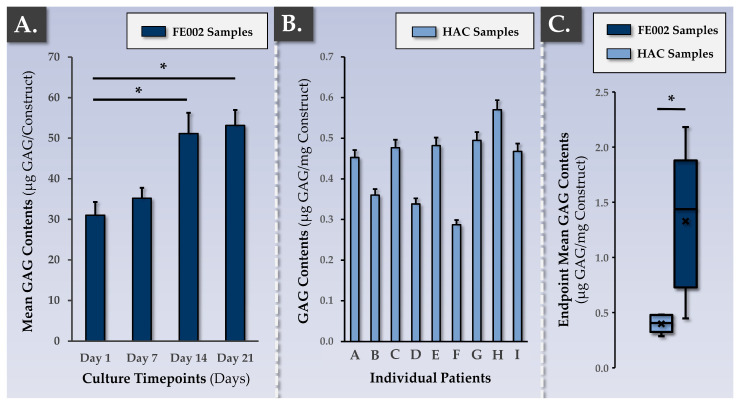
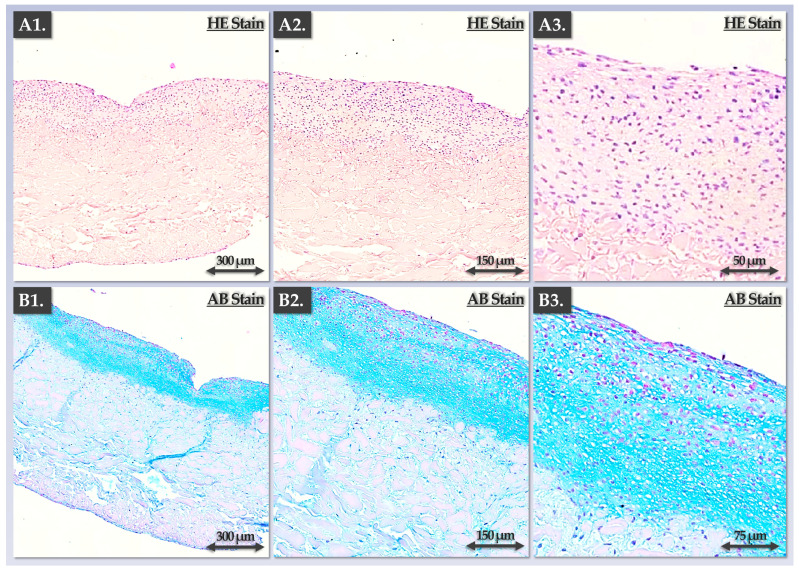
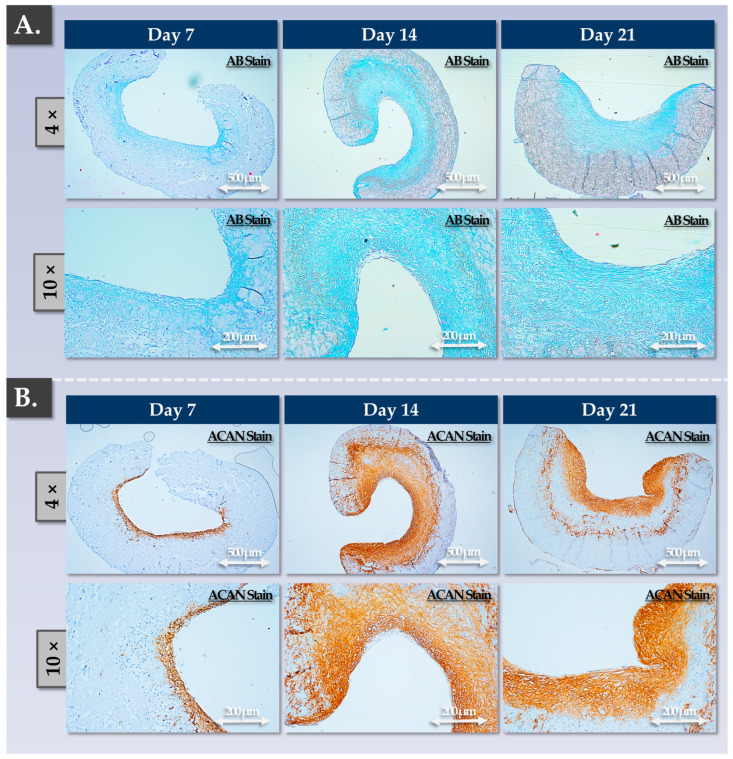
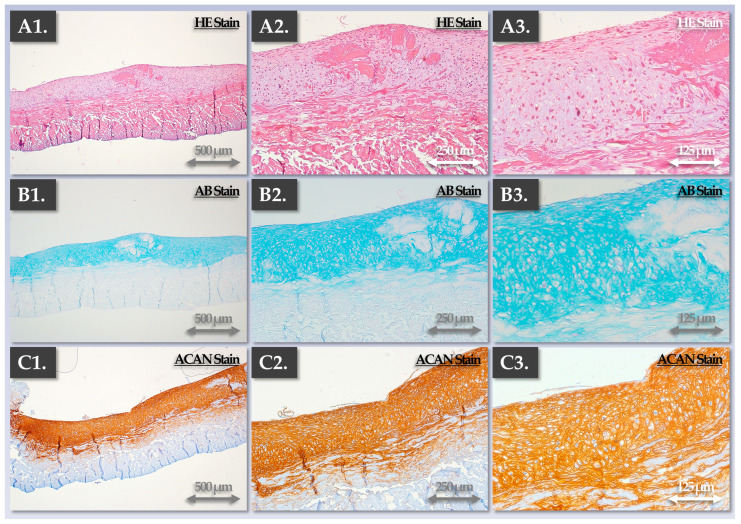
Cytotherapies are often necessary for the management of symptomatic large knee (osteo)-chondral defects. While autologous chondrocyte implantation (ACI) has been clinically used for 30 years, allogeneic cells (clinical-grade FE002 primary chondroprogenitors) have been investigated in translational settings (Swiss progenitor cell transplantation program). The aim of this study was to comparatively assess autologous and allogeneic approaches (quality, safety, functional attributes) to cell-based knee chondrotherapies developed for clinical use. Protocol benchmarking from a manufacturing process and control viewpoint enabled us to highlight the respective advantages and risks. Safety data (telomerase and soft agarose colony formation assays, high passage cell senescence) and risk analyses were reported for the allogeneic FE002 cellular active substance in preparation for an autologous to allogeneic clinical protocol transposition. Validation results on autologous bioengineered grafts (autologous chondrocyte-bearing Chondro-Gide scaffolds) confirmed significant chondrogenic induction ( and upregulation, extracellular matrix synthesis) after 2 weeks of co-culture. Allogeneic grafts (bearing FE002 primary chondroprogenitors) displayed comparable endpoint quality and functionality attributes. Parameters of translational relevance (transport medium, finished product suturability) were validated for the allogeneic protocol. Notably, the process-based benchmarking of both approaches highlighted the key advantages of allogeneic FE002 cell-bearing grafts (reduced cellular variability, enhanced process standardization, rationalized logistical and clinical pathways). Overall, this study built on our robust knowledge and local experience with ACI (long-term safety and efficacy), setting an appropriate standard for further clinical investigations into allogeneic progenitor cell-based orthopedic protocols.
细胞疗法对于有症状的大型膝关节(骨)软骨缺损的治疗通常是必要的。虽然自体软骨细胞植入(ACI)已在临床上使用了30年,但同种异体细胞(临床级FE002原代软骨祖细胞)已在转化研究环境中(瑞士祖细胞移植项目)进行了研究。本研究的目的是比较评估为临床应用开发的基于细胞的膝关节软骨治疗的自体和同种异体方法(质量、安全性、功能属性)。从制造过程和控制的角度进行方案基准测试,使我们能够突出各自的优势和风险。报告了同种异体FE002细胞活性物质的安全性数据(端粒酶和软琼脂糖集落形成试验、高传代细胞衰老)和风险分析,为从自体到同种异体临床方案的转换做准备。自体生物工程移植物(含自体软骨细胞的Chondro-Gide支架)的验证结果证实,共培养2周后有显著的软骨形成诱导( 和 上调、细胞外基质合成)。同种异体移植物(含FE002原代软骨祖细胞)显示出可比的终点质量和功能属性。对同种异体方案的转化相关参数(运输培养基、成品可缝合性)进行了验证。值得注意的是,两种方法基于过程的基准测试突出了含同种异体FE002细胞移植物的关键优势(细胞变异性降低、过程标准化增强、后勤和临床途径合理化)。总体而言,本研究基于我们在ACI方面的丰富知识和本地经验(长期安全性和有效性),为进一步临床研究基于同种异体祖细胞的骨科方案设定了适当的标准。