Almeida Manuel Barbosa, Póvoa Rita, Tavares Duarte, Alves Paula Moleirinho, Oliveira Raúl
Neuromuscular Research Lab, Interdisciplinary Centre for the Study of Human Performance (CIPER), Faculty of Human Kinetics, University of Lisbon, Estrada da Costa, Cruz Quebrada, 1499-002, Dafundo, Oeiras, Portugal.
Department of Physiotherapy, Egas Moniz School of Health & Science, Campus Universitario, Quinta da Granja, 2829-511, Monte da Caparica, Almada, Portugal.
Heliyon. 2023 Sep 11;9(10):e19956. doi: 10.1016/j.heliyon.2023.e19956. eCollection 2023 Oct.
This study aimed to determine the prevalence of work-related musculoskeletal disorders (WMSDs) in dental students and analyze the potential associated risk factors.
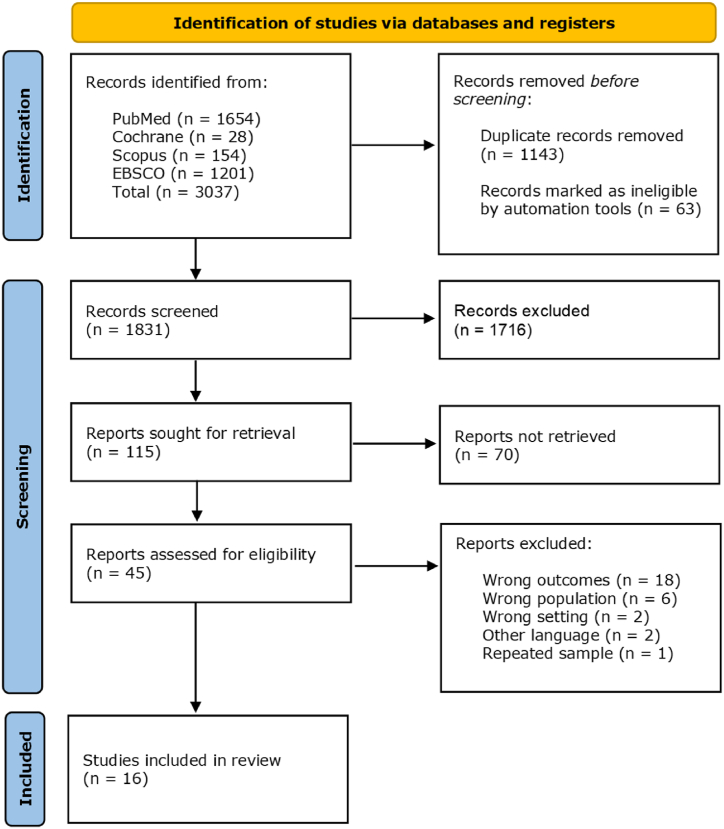
This review was registered in PROSPERO with the number CRD42022349864. We performed a meta-analysis calculating event rates with relative 95% confidence intervals for each body region. Two investigators systematically searched Cochrane, Pubmed, Scopus, and EBSCO databases following the Preferred Reporting Items for Systematic Reviews and Meta-Analyses (PRISMA).
Sixteen studies, with 3761 dental students, were included. The highest 7-day prevalence was in the lower back (27.2%; 95% CI 20-35), neck (27%; 95% CI 19.1-35.8), and upper back (24.2%; 95% CI 17.2-32). Yearly occurrence was mainly in the neck (51%; 95% CI 41-61), followed by shoulders (45.3%; 95% CI 37.6-53.1) and lower back (42%; 95% CI 34.1-50.2) and a fraction of these reported that symptoms in lower-back (15.2%; 95% CI 12.1-18.5), neck (13.9%; 95% CI 10.6-17.5) and shoulders (12.2%; 95% CI 8.7-16.3) affected work or normal activities. Associated contributing factors include female sex, poor posture habits, inadequate ergonomics knowledge, sedentary lifestyle, high physical activity levels, poor quality of life, and smoking. In contrast, engaging in physical exercise has positively impacted mitigating the risk of musculoskeletal disorders.
WMSDs have a high prevalence among dental students, particularly in the cervicothoracic, lumbar, and shoulder regions, having a significant impact since training years. Further research with a multidimensional approach with psychosocial and physical assessments is recommended to understand this issue thoroughly.
本研究旨在确定牙科学生中与工作相关的肌肉骨骼疾病(WMSDs)的患病率,并分析潜在的相关风险因素。
本综述已在PROSPERO注册,注册号为CRD42022349864。我们进行了一项荟萃分析,计算每个身体部位的事件发生率及相对95%置信区间。两名研究人员按照系统评价和荟萃分析的首选报告项目(PRISMA),系统检索了Cochrane、Pubmed、Scopus和EBSCO数据库。
纳入了16项研究,涉及3761名牙科学生。7天患病率最高的部位是下背部(27.2%;95%置信区间20 - 35)、颈部(27%;95%置信区间19.1 - 35.8)和上背部(24.2%;95%置信区间17.2 - 32)。年发生率主要在颈部(51%;95%置信区间41 - 61),其次是肩部(45.3%;95%置信区间37.6 - 53.1)和下背部(42%;95%置信区间34.1 - 50.2),其中一部分报告称下背部(15.2%;95%置信区间12.1 - 18.5)、颈部(13.9%;95%置信区间10.6 - 17.5)和肩部(12.2%;95%置信区间8.7 - 16.3)的症状影响了工作或正常活动。相关的促成因素包括女性、不良姿势习惯、人体工程学知识不足、久坐的生活方式、高体力活动水平、生活质量差和吸烟。相比之下,进行体育锻炼对降低肌肉骨骼疾病风险有积极影响。
WMSDs在牙科学生中患病率较高,尤其是在颈胸、腰椎和肩部区域,自培训阶段起就有显著影响。建议采用多维度方法进行进一步研究,包括心理社会和身体评估,以全面了解这一问题。