Huang Wei-Jian, Qiu Bi-Jun, Qi Xiao-Shu, Chen Cai-Yang, Liu Wen-Ming, Zhou Shen-Ao, Ding Min, Lu Feng-Feng, Zhao Jie, Tang Dan, Zhou Xu, Fu Gong-Bo, Wang Zhen-Yu, Ma Hong-Qian, Wu Yu-Ling, Wu Hong-Ping, Chen Xiao-Song, Yu Wei-Feng, Yan He-Xin
Department of Anesthesiology and Critical Care Medicine, School of Medicine, Renji Hospital, Shanghai Jiaotong University, Shanghai, 200120, China.
Key Laboratory of Anesthesiology (Shanghai Jiao Tong University), Ministry of Education, Shanghai, China.
Cell Biosci. 2023 Oct 2;13(1):184. doi: 10.1186/s13578-023-01123-2.
CD24CK19/CD24SOX9 resident liver cells are activated and expanded after chronic liver injury in a ductular reaction. However, the sources and functions of these cells in liver damage remain disputed.
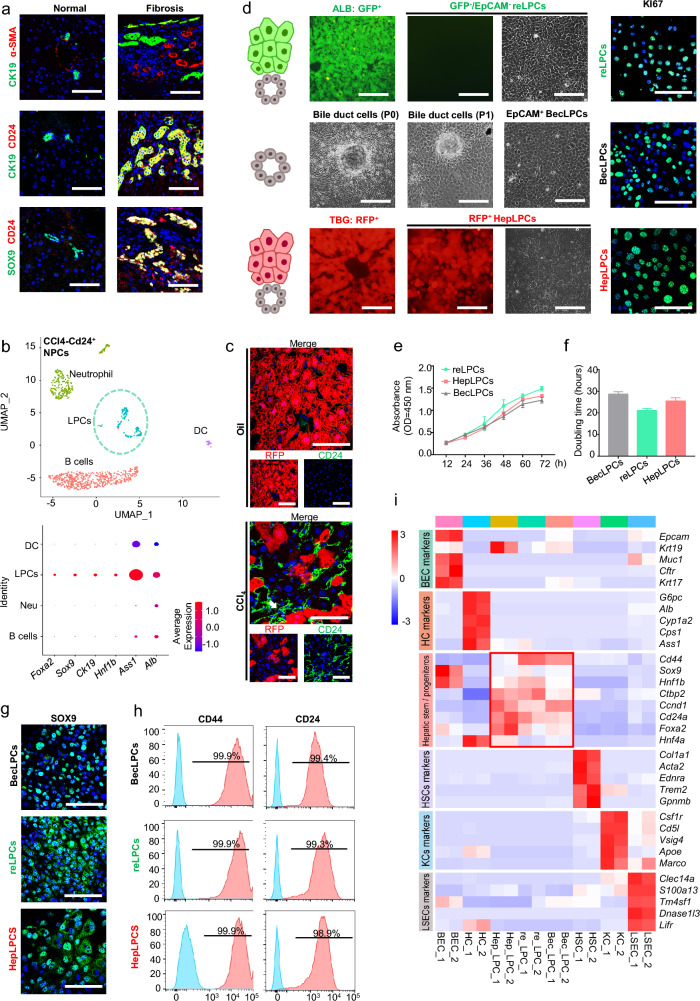
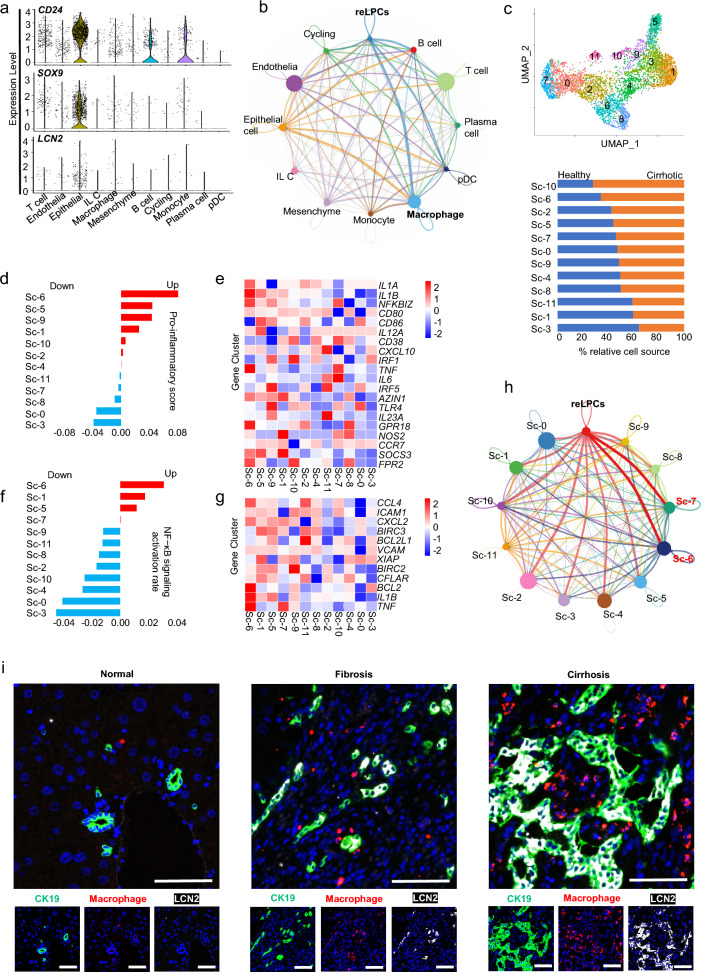
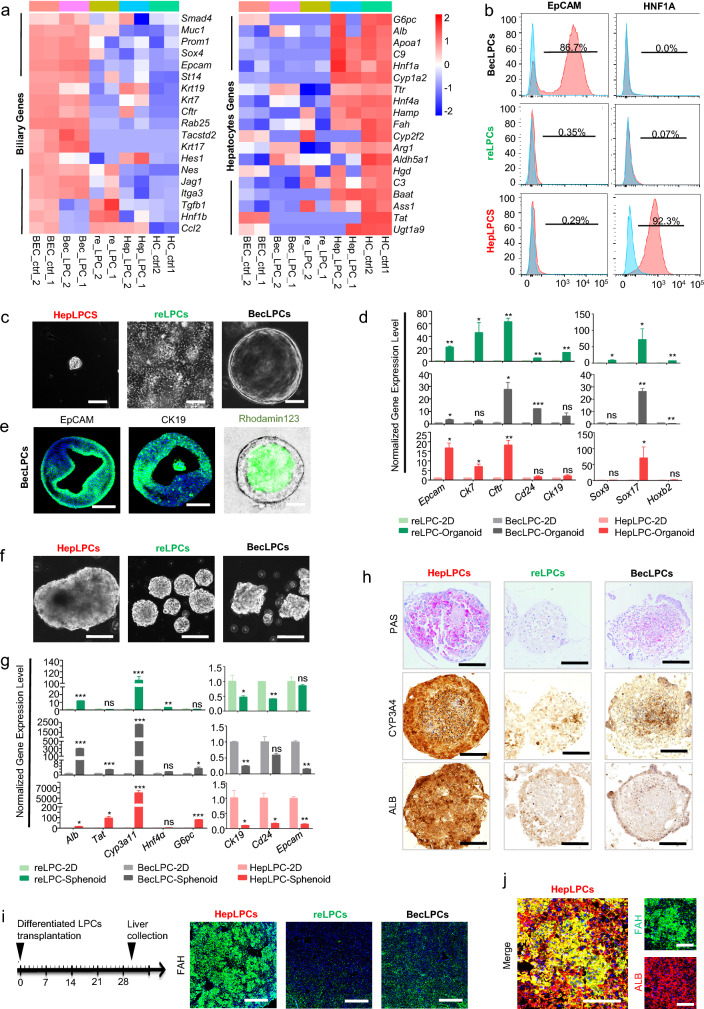
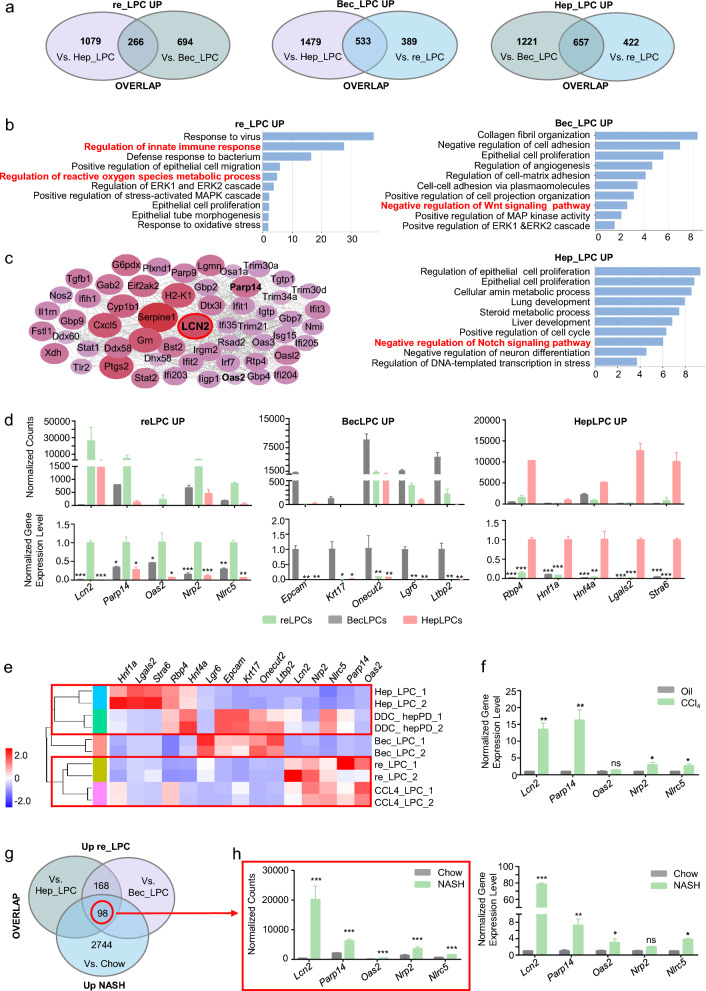
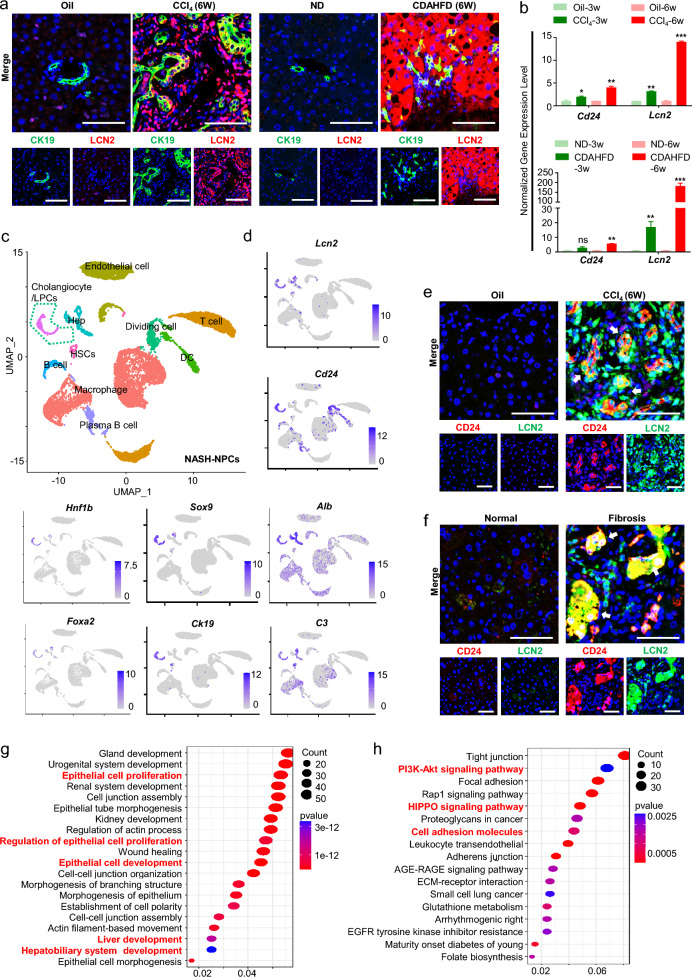
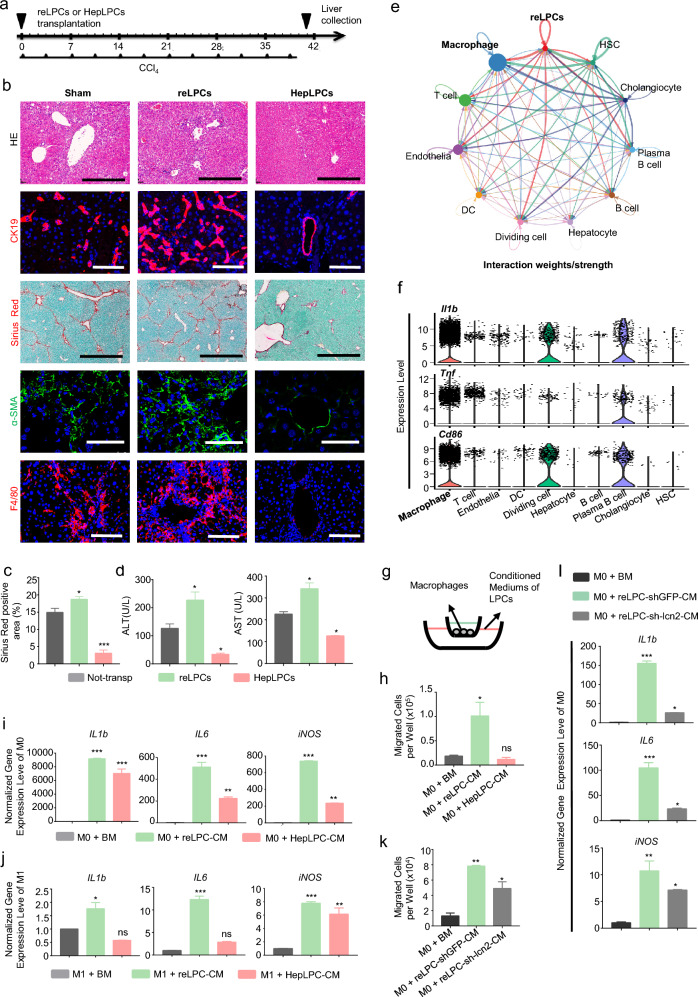
The current study combined genetic lineage tracing with in vitro small-molecule-based reprogramming to define liver progenitor cells (LPCs) derived from hepatic parenchymal and non-parenchymal tissues. tdTom hepatocytes were isolated from ROSA26 mice following AAV8-Tbg-Cre-mediated recombination, EpCAM biliary epithelial cells (BECs) from wild-type intrahepatic bile ducts and ALB/GFPEpCAM cells were isolated from Alb/R26 mice. A cocktail of small molecules was used to convert the isolated cells into LPCs. These in vitro cultured LPCs with CD24 and SOX9 expression regained the ability to proliferate. Transcriptional profiling showed that the in-vitro cultured LPCs derived from the resident LPCs in non-parenchymal tissues expressed Lipocalin-2 (Lcn2) at high levels. Accordingly, endogenous Cd24aLcn2 LPCs were identified by integration of sc-RNA-sequencing and pathological datasets of liver dysfunction which indicates that LPCs produced by ductular reactions might also originate from the resident LPCs. Transplantation of in-vitro cultured Cd24aLcn2 LPCs into CCl-induced fibrotic livers exacerbated liver damage and dysfunction, possibly due to LCN2-dependent macrophage inflammatory response.
CD24LCN2 LPCs constituted the expanding ductular reaction and contributed to macrophage-mediated inflammation in chronic liver damage. The current findings highlight the roles of LPCs from distinct origins and expose the possibility of targeting LPCs in the treatment of chronic hepatic diseases.
在慢性肝损伤后的小胆管反应中,CD24CK19/CD24SOX9 肝内驻留细胞被激活并扩增。然而,这些细胞在肝损伤中的来源和功能仍存在争议。
本研究将基因谱系追踪与基于小分子的体外重编程相结合,以定义源自肝实质和非实质组织的肝祖细胞(LPCs)。通过 AAV8-Tbg-Cre 介导的重组从 ROSA26 小鼠中分离出 tdTom 肝细胞,从野生型肝内胆管中分离出 EpCAM 胆管上皮细胞(BECs),并从 Alb/R26 小鼠中分离出 ALB/GFPEpCAM 细胞。使用小分子混合物将分离出的细胞转化为 LPCs。这些体外培养的具有 CD24 和 SOX9 表达的 LPCs 恢复了增殖能力。转录谱分析表明,源自非实质组织中驻留 LPCs 的体外培养 LPCs 高水平表达 Lipocalin-2(Lcn2)。因此,通过整合肝损伤功能障碍的单细胞 RNA 测序和病理数据集,鉴定出内源性 Cd24aLcn2 LPCs,这表明小胆管反应产生的 LPCs 可能也源自驻留 LPCs。将体外培养的 Cd24aLcn2 LPCs 移植到 CCl 诱导的纤维化肝脏中会加剧肝损伤和功能障碍,这可能是由于 LCN2 依赖性巨噬细胞炎症反应所致。
CD24LCN2 LPCs 构成了不断扩大的小胆管反应,并在慢性肝损伤中介导巨噬细胞炎症。当前研究结果突出了不同来源 LPCs 的作用,并揭示了在慢性肝病治疗中靶向 LPCs 的可能性。