Faculty of Veterinary Medicine, Department of Genetics, Ankara University, Ankara, Türkiye.
Faculty of Veterinary Medicine, Department of Anatomy, Ankara University, Ankara, Türkiye.
J Feline Med Surg. 2023 Oct;25(10):1098612X231193557. doi: 10.1177/1098612X231193557.
The present study aimed to determine the inheritance pattern and genetic cause of congenital radial hemimelia (RH) in cats.
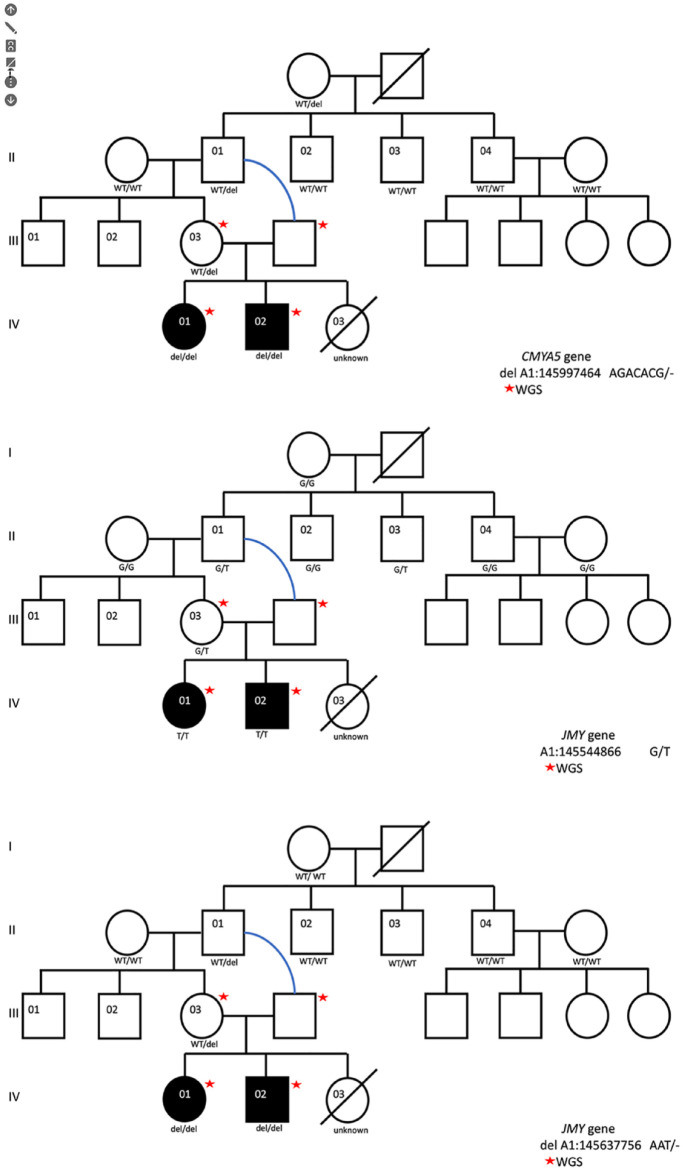
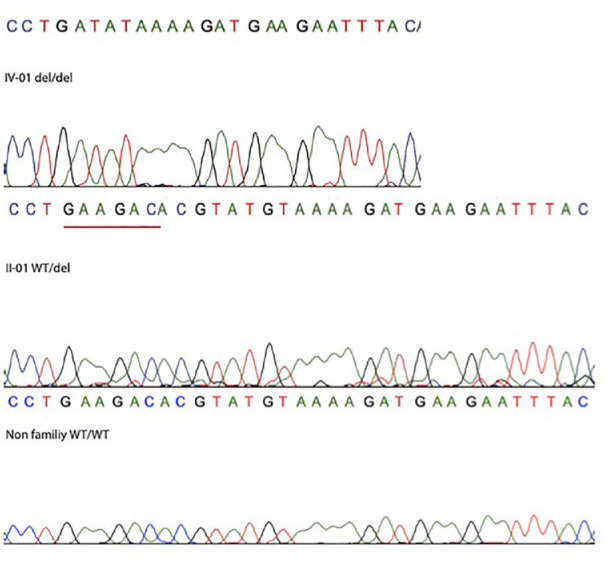
Clinical and genetic analyses were conducted on a Siamese cat family (n = 18), including two siblings with RH. Radiographs were obtained for the affected kittens and echocardiograms of an affected kitten and sire. Whole genome sequencing was completed on the two cases and the parents. Genomic data were compared with the 99 Lives Cat Genome data set of 420 additional domestic cats with whole genome and whole exome sequencing data. Variants were considered as homozygous in the two cases of the siblings with RH and heterozygous in the parents. Candidate variants were genotyped by Sanger sequencing in the extended pedigree.
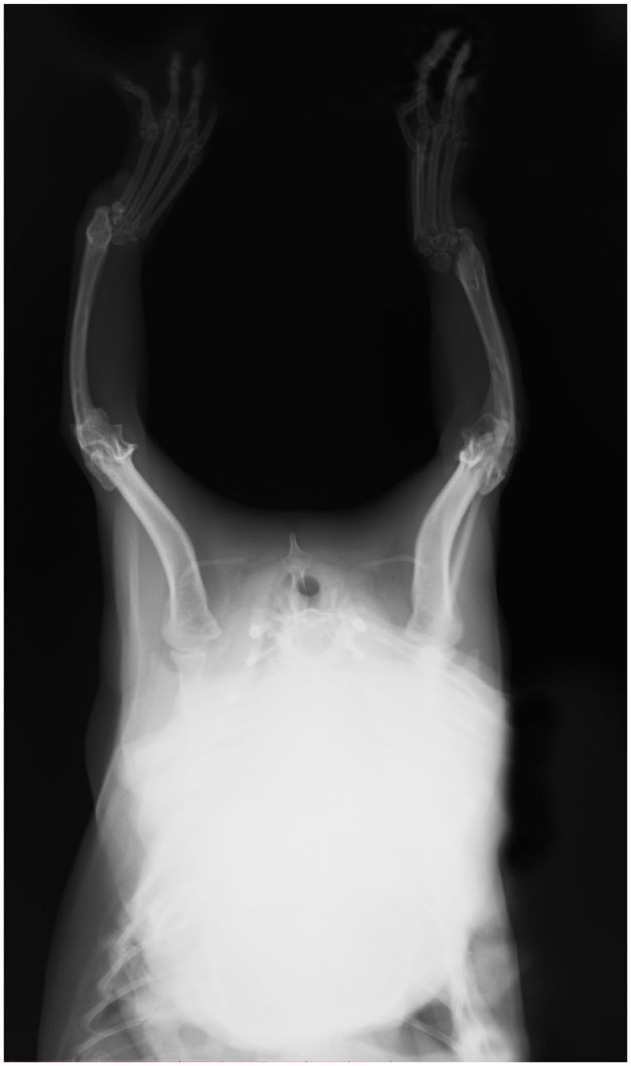
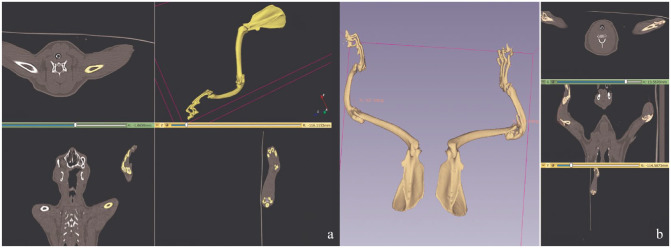
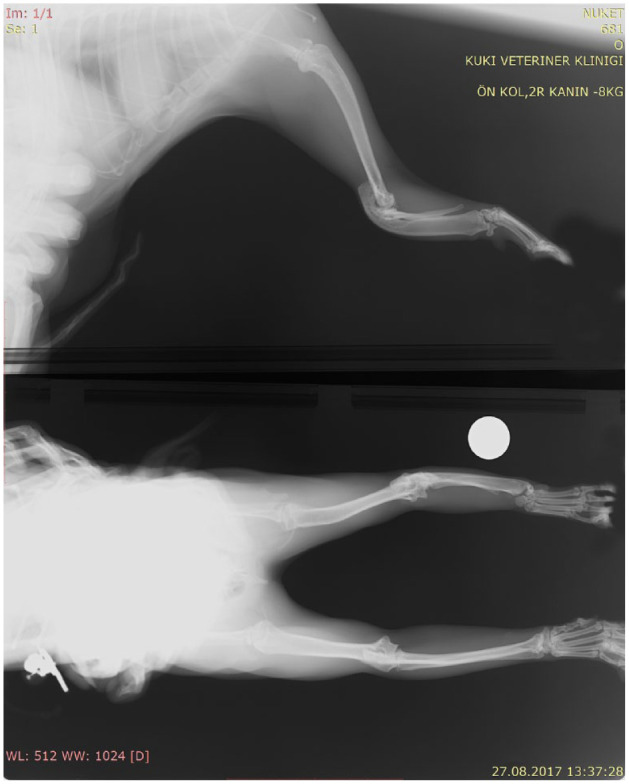
Radiographs of the female kitten revealed bilateral absence of the radii and bowing of the humeri, while the male kitten showed a dysplastic right radius. Echocardiography suggested the female kitten had restrictive cardiomyopathy with a positive left atrial-to-aortic root ratio (LA:Ao = 1.83 cm), whereas hypertrophic cardiomyopathy was more likely in the sire, showing diastolic dysfunction using tissue Doppler imaging (59.06 cm/s). Twenty-two DNA variants were unique and homozygous in the affected kittens and heterozygous in the parents. Seven variants clustered in one chromosomal region, including two frameshift variants in () and five variants in , ( ), including a missense and an in-frame deletion.
The present study suggested an autosomal recessive mode of inheritance with variable expression for RH in the Siamese cat family. Candidate variants for the phenotype were identified, implicating their roles in bone development. These genes should be considered as potentially causal for other cats with RH. Siamese cat breeders should consider genetically testing their cats for these variants to prevent further dissemination of the suspected variants within the breed.
本研究旨在确定猫先天性桡骨半肢畸形(RH)的遗传模式和遗传原因。
对一个暹罗猫家族(n=18)进行临床和遗传分析,包括两只患有 RH 的兄弟姐妹。对受影响的小猫进行 X 光检查,对受影响的小猫和父亲进行超声心动图检查。对两个病例和父母进行全基因组测序。将基因组数据与 420 只具有全基因组和全外显子组测序数据的其他 99 只猫的基因组数据集进行比较。在患有 RH 的两例兄弟姐妹中,将变体视为纯合的,在父母中视为杂合的。在扩展的家系中,通过 Sanger 测序对候选变体进行基因分型。
雌性小猫的 X 光片显示双侧桡骨缺失和肱骨弯曲,而雄性小猫的右桡骨发育不良。超声心动图提示雌性小猫患有限制性心肌病,左心房与主动脉根部比值(LA:Ao=1.83cm)阳性,而父亲更可能患有肥厚型心肌病,组织多普勒成像显示舒张功能障碍(59.06cm/s)。22 个 DNA 变体在受影响的小猫中是独特的和纯合的,在父母中是杂合的。七个变体聚集在一个染色体区域内,包括 中的两个移码变体和 中的五个变体,包括一个错义变体和一个框内缺失。
本研究表明,暹罗猫家族的 RH 具有常染色体隐性遗传模式和可变表达。确定了与表型相关的候选变体,提示它们在骨骼发育中的作用。这些基因应被视为其他患有 RH 的猫的潜在致病基因。暹罗猫饲养者应考虑对其猫进行这些变体的基因检测,以防止疑似变体在该品种中的进一步传播。