Castillo-González Julia, Ruiz José Luis, Serrano-Martínez Ignacio, Forte-Lago Irene, Ubago-Rodriguez Ana, Caro Marta, Pérez-Gómez Jesús Miguel, Benítez-Troncoso Alejandro, Andrés-León Eduardo, Sánchez-Navarro Macarena, Luque Raúl M, González-Rey Elena
Institute of Parasitology and Biomedicine Lopez-Neyra (IPBLN), CSIC, PT Salud, 18016, Granada, Spain.
Maimonides Biomedical Research Institute of Cordoba (IMIBIC), 14004, Cordoba, Spain.
J Neuroinflammation. 2023 Oct 4;20(1):226. doi: 10.1186/s12974-023-02908-5.
Brain activity governing cognition and behaviour depends on the fine-tuned microenvironment provided by a tightly controlled blood-brain barrier (BBB). Brain endothelium dysfunction is a hallmark of BBB breakdown in most neurodegenerative/neuroinflammatory disorders. Therefore, the identification of new endogenous molecules involved in endothelial cell disruption is essential to better understand BBB dynamics. Cortistatin is a neuroimmune mediator with anti-inflammatory and neuroprotective properties that exerts beneficial effects on the peripheral endothelium. However, its role in the healthy and injured brain endothelium remains to be evaluated. Herein, this study aimed to investigate the potential function of endogenous and therapeutic cortistatin in regulating brain endothelium dysfunction in a neuroinflammatory/neurodegenerative environment.
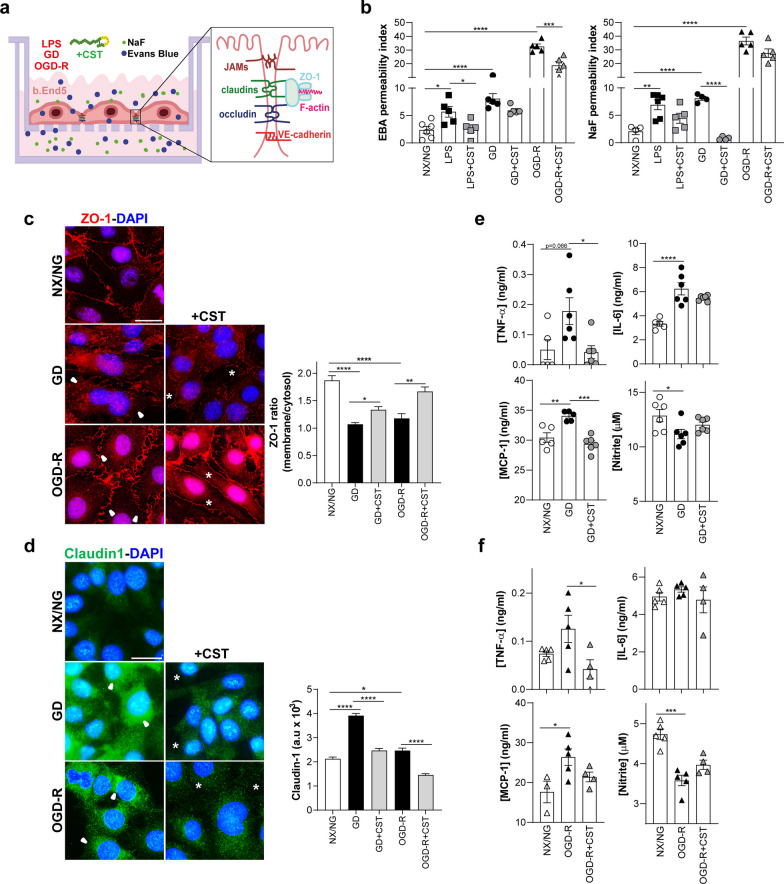
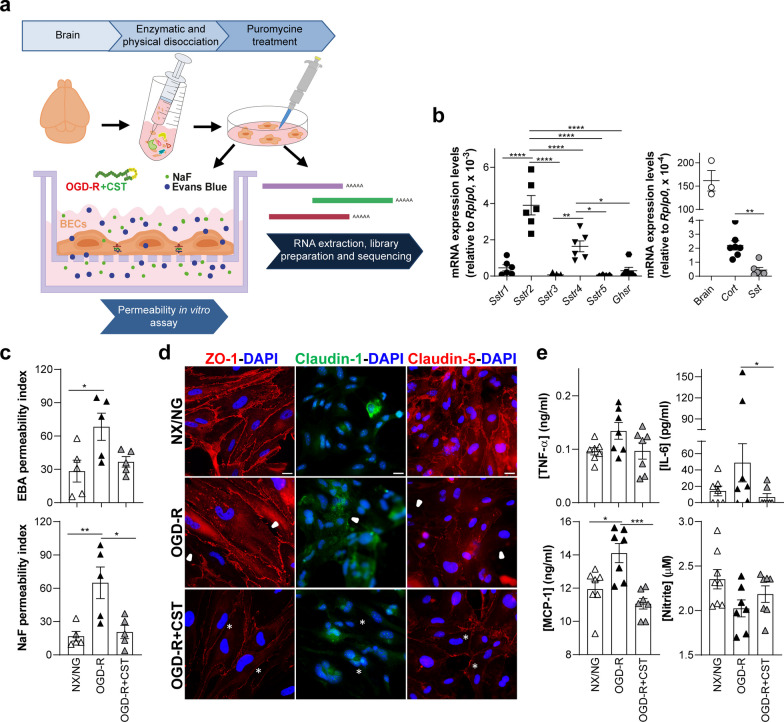
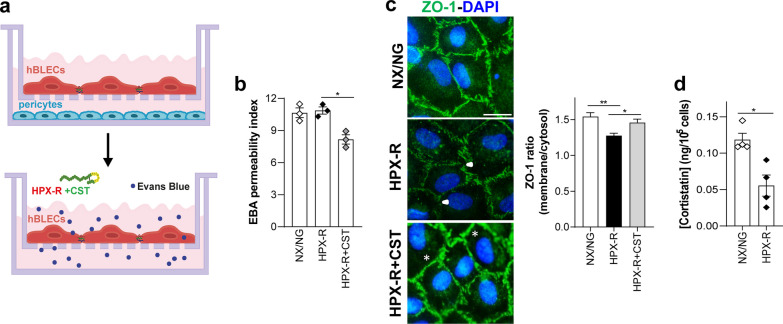
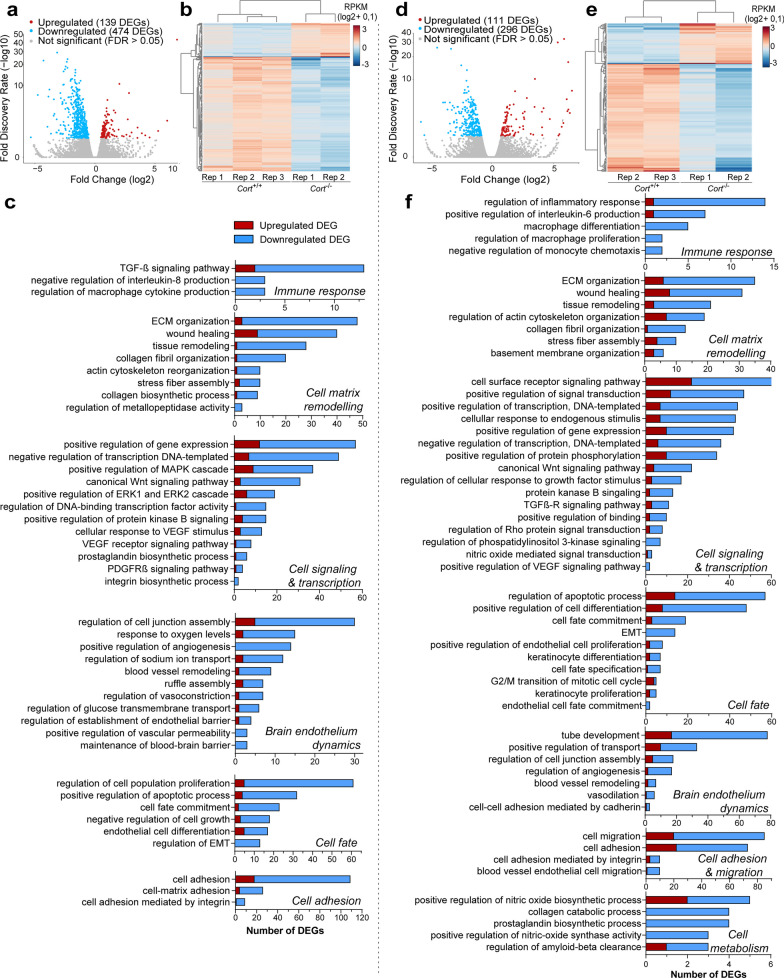
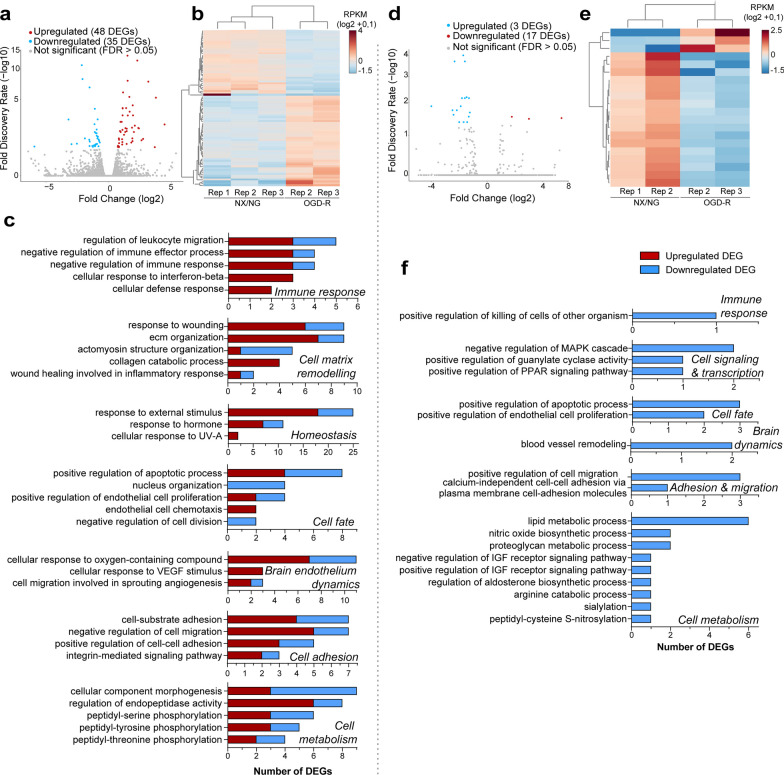
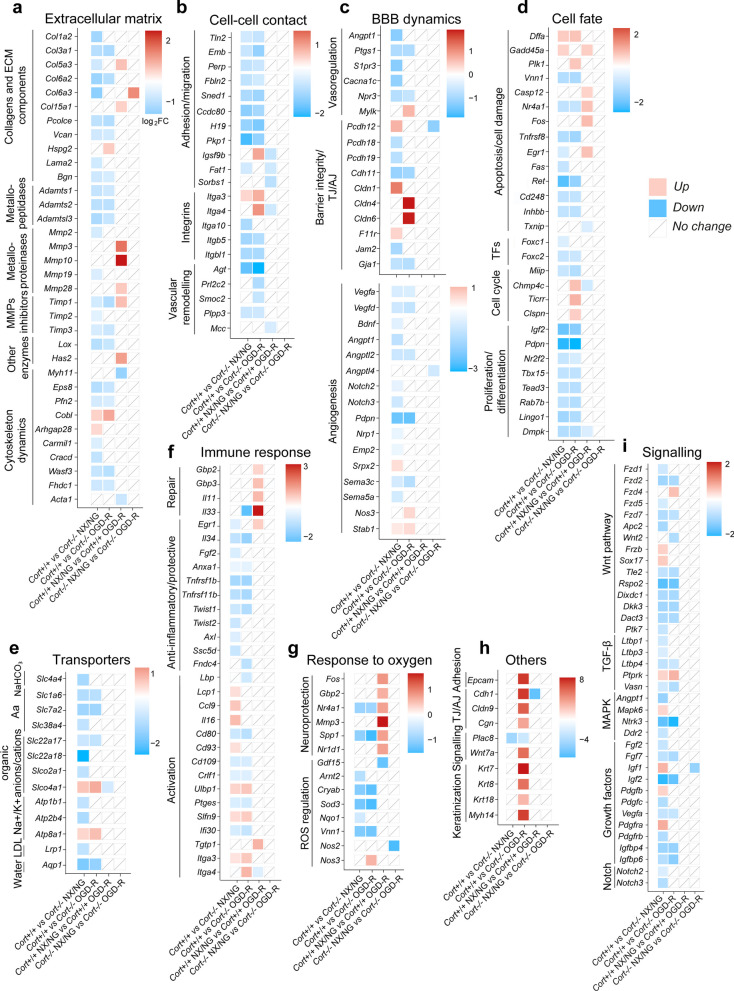
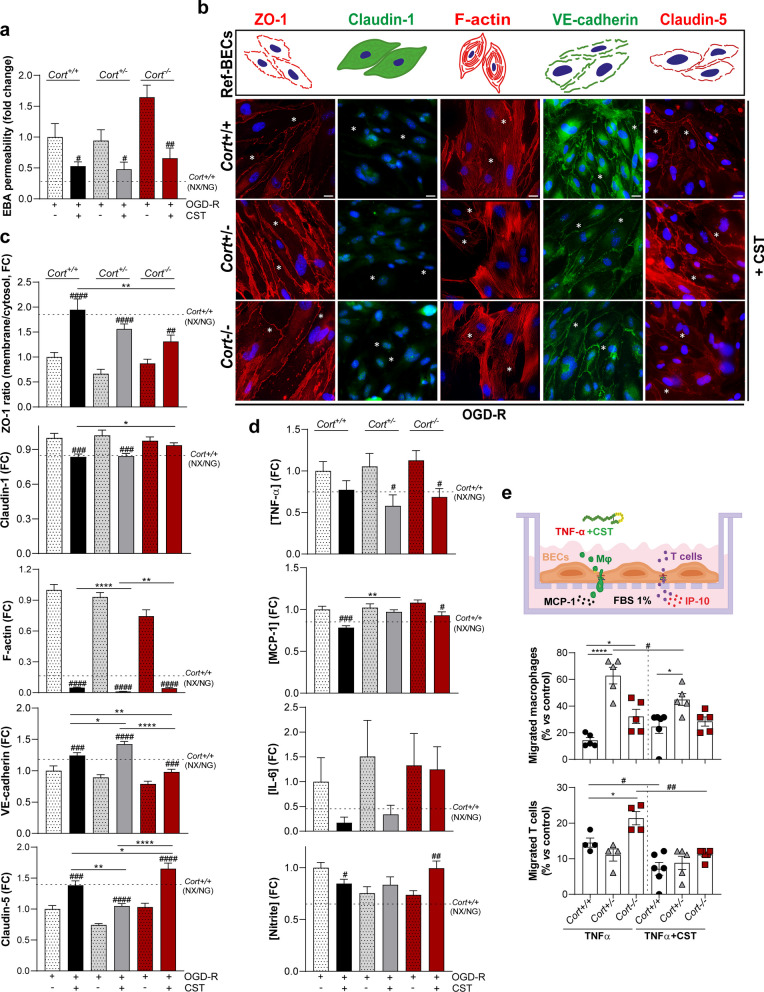
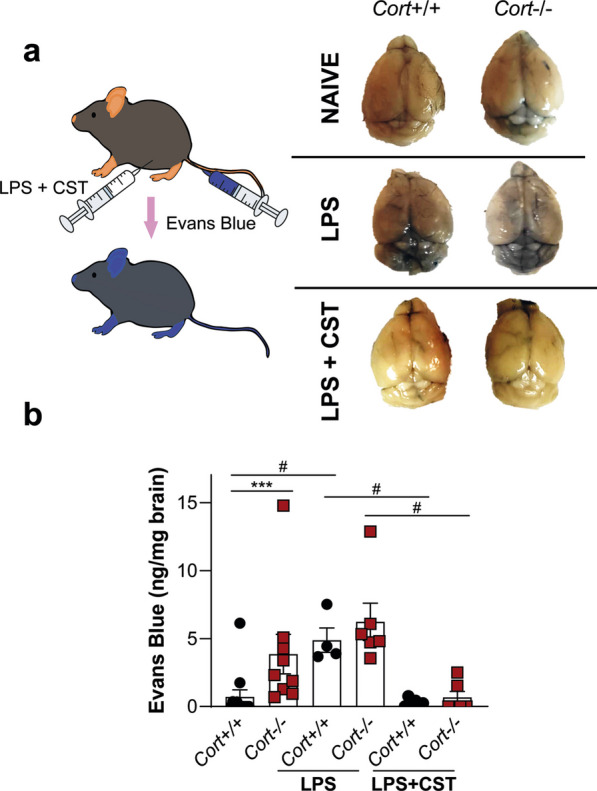
Wild-type and cortistatin-deficient murine brain endothelium and human cells were used for an in vitro barrier model, where a simulated ischemia-like environment was mimicked. Endothelial permeability, junction integrity, and immune response in the presence and absence of cortistatin were evaluated using different size tracers, immunofluorescence labelling, qPCR, and ELISA. Cortistatin molecular mechanisms underlying brain endothelium dynamics were assessed by RNA-sequencing analysis. Cortistatin role in BBB leakage was evaluated in adult mice injected with LPS.
The endogenous lack of cortistatin predisposes endothelium weakening with increased permeability, tight-junctions breakdown, and dysregulated immune activity. We demonstrated that both damaged and uninjured brain endothelial cells isolated from cortistatin-deficient mice, present a dysregulated and/or deactivated genetic programming. These pathways, related to basic physiology but also crucial for the repair after damage (e.g., extracellular matrix remodelling, angiogenesis, response to oxygen, signalling, and metabolites transport), are dysfunctional and make brain endothelial barrier lacking cortistatin non-responsive to any further injury. Treatment with cortistatin reversed in vitro hyperpermeability, tight-junctions disruption, inflammatory response, and reduced in vivo BBB leakage.
The neuropeptide cortistatin has a key role in the physiology of the cerebral microvasculature and its presence is crucial to develop a canonical balanced response to damage. The reparative effects of cortistatin in the brain endothelium were accompanied by the modulation of the immune function and the rescue of barrier integrity. Cortistatin-based therapies could emerge as a novel pleiotropic strategy to ameliorate neuroinflammatory/neurodegenerative disorders with disrupted BBB.
支配认知和行为的大脑活动依赖于由严格控制的血脑屏障(BBB)所提供的精细微环境。在大多数神经退行性/神经炎症性疾病中,脑内皮功能障碍是血脑屏障破坏的一个标志。因此,鉴定参与内皮细胞破坏的新内源性分子对于更好地理解血脑屏障动态至关重要。促皮质素是一种具有抗炎和神经保护特性的神经免疫介质,对外周内皮具有有益作用。然而,其在健康和受损脑内皮中的作用仍有待评估。在此,本研究旨在探讨内源性和治疗性促皮质素在神经炎症/神经退行性环境中调节脑内皮功能障碍的潜在功能。
使用野生型和促皮质素缺陷型小鼠脑内皮细胞及人类细胞建立体外屏障模型,模拟缺血样环境。使用不同大小的示踪剂、免疫荧光标记、qPCR和ELISA评估有无促皮质素时的内皮通透性、连接完整性和免疫反应。通过RNA测序分析评估促皮质素影响脑内皮动态的分子机制。在注射脂多糖的成年小鼠中评估促皮质素在血脑屏障渗漏中的作用。
内源性促皮质素缺乏使内皮易出现功能减弱,表现为通透性增加、紧密连接破坏和免疫活性失调。我们证明,从促皮质素缺陷型小鼠分离的受损和未受损脑内皮细胞均存在失调和/或失活的基因程序。这些途径与基本生理学相关,但对损伤后的修复也至关重要(例如,细胞外基质重塑、血管生成、对氧的反应、信号传导和代谢物转运),功能失调使得缺乏促皮质素的脑内皮屏障对任何进一步损伤均无反应。促皮质素治疗可逆转体外高通透性、紧密连接破坏、炎症反应,并减少体内血脑屏障渗漏。
神经肽促皮质素在脑微血管生理学中起关键作用,其存在对于形成对损伤的标准平衡反应至关重要。促皮质素在脑内皮中的修复作用伴随着免疫功能的调节和屏障完整性的恢复。基于促皮质素的疗法可能成为一种新型多效性策略,用于改善血脑屏障破坏的神经炎症/神经退行性疾病。