Wan Teng, Bai Bin, Zhou Weihong
School of Civil Engineering, University of Science and Technology Liaoning, Anshan, 114051, China.
Heliyon. 2023 Aug 24;9(9):e19393. doi: 10.1016/j.heliyon.2023.e19393. eCollection 2023 Sep.
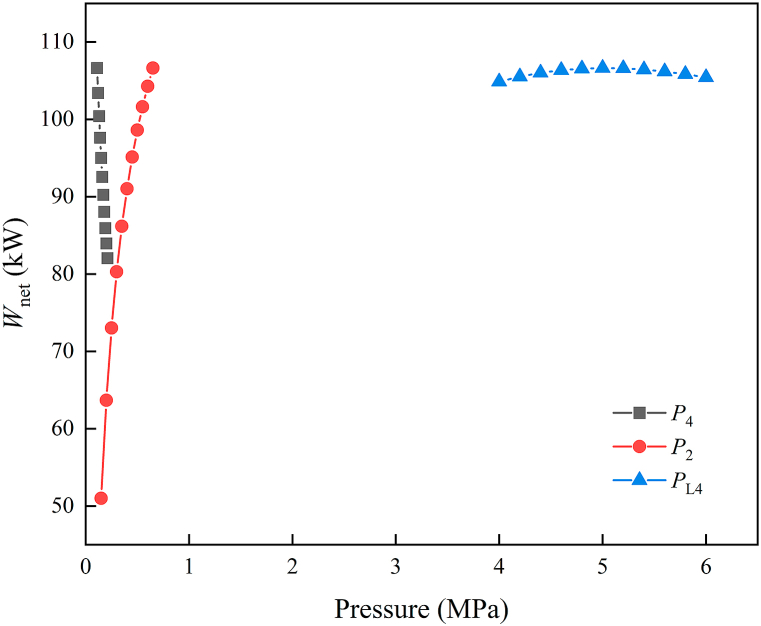
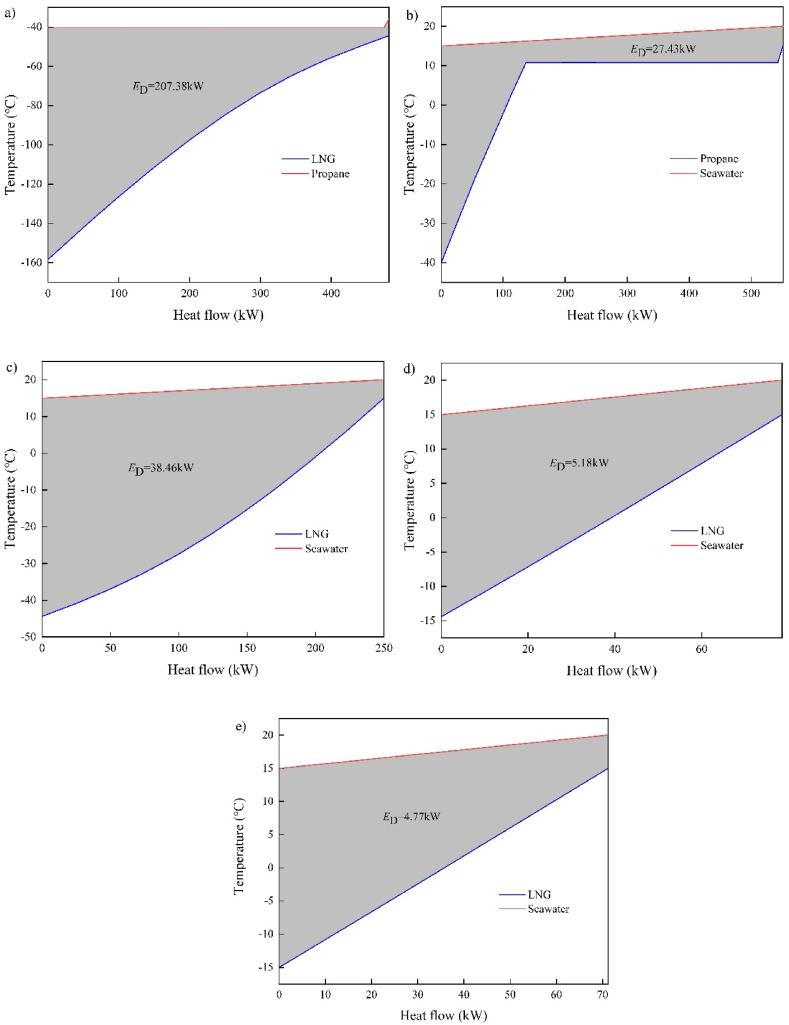
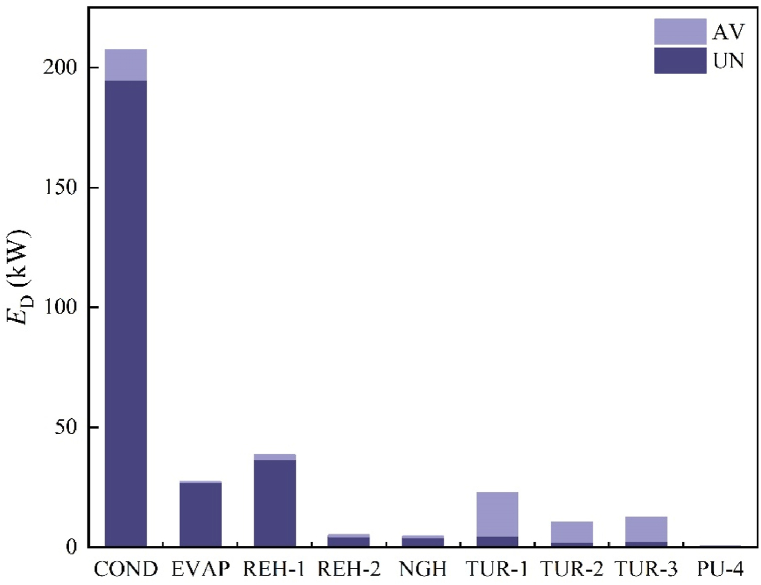
The purpose of this research is in-depth understanding of the internal causes of exergy destruction in various parts of the system and to identify potential improvements for the components. The focus is on a combined cycle power generation system that utilizes the organic Rankine cycle (ORC) and direct expansion cycle (DEC). To investigate the primary sources of exergy destruction in each component, advanced exergy analysis (AEA) is utilized. The result demonstrates that the net out power of the proposed system can reach 106.64 kW with energy efficiency of 11.22%, and exergy efficiency of 21.40%. The heat exchanger is identified as the primary contributor to exergy destruction, constituting 81.70% of the total ratio. Specifically, the condenser exhibits the highest exergy destruction ratio at 59.82%, indicating a need for prioritized optimization efforts. The findings of AEA reveal that the primary source of component irreversibility stems from the endogenous part. This shows that, while most exergy destruction is unavoidable, there remains room for system improvement. Regarding the turbine, its exergy destruction is primarily attributed to inefficiencies, leading to irreversibility. Nevertheless, there is exergy destruction that may be avoidable and can be reduced by 25.93 kW, which is 2.5 times greater than that of the heat exchanger. This finding underscores the high potential for improvement in ORC and DEC turbines, making them a priority for optimization efforts.
本研究的目的是深入了解系统各部分火用损失的内在原因,并确定组件的潜在改进方向。重点是一个利用有机朗肯循环(ORC)和直接膨胀循环(DEC)的联合循环发电系统。为了研究各组件中火用损失的主要来源,采用了先进火用分析(AEA)。结果表明,所提出系统的净输出功率可达106.64千瓦,能量效率为11.22%,火用效率为21.40%。热交换器被确定为火用损失的主要贡献者,占总比例的81.70%。具体而言,冷凝器的火用损失率最高,为59.82%,这表明需要优先进行优化。AEA的结果表明,组件不可逆性的主要来源是内源性部分。这表明,虽然大部分火用损失是不可避免的,但系统仍有改进空间。对于涡轮机,其火用损失主要归因于效率低下,导致不可逆性。然而,存在一些可以避免的火用损失,可减少25.93千瓦,这比热交换器的可避免火用损失大2.5倍。这一发现突出了ORC和DEC涡轮机的高改进潜力,使其成为优化工作的重点。