Chakraborty Shubhashish, Baruah Reshita, Mishra Neha, Varma Ashok K
Advanced Centre for Treatment, Research and Education in Cancer, Kharghar, Navi Mumbai, Maharashtra 410210, India.
Homi Bhabha National Institute, Training School Complex, Anushaktinagar, Mumbai, Maharashtra 400094, India.
Genomics Inform. 2023 Sep;21(3):e30. doi: 10.5808/gi.22069. Epub 2023 Sep 27.
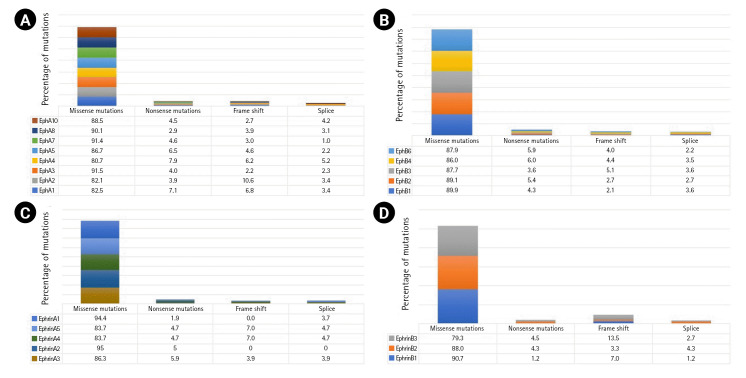
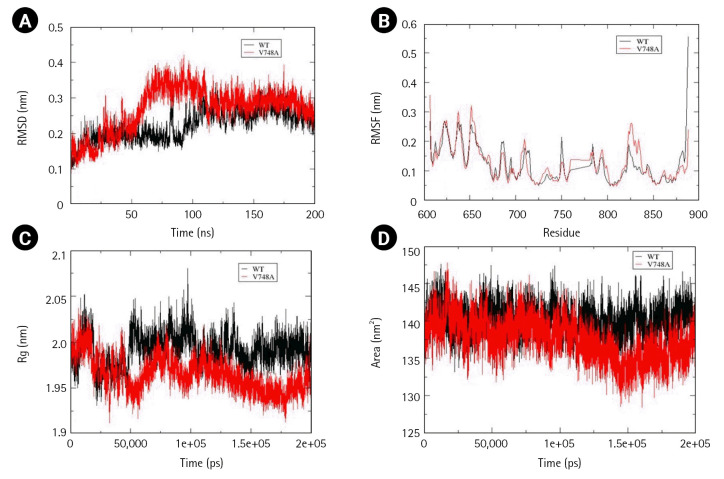
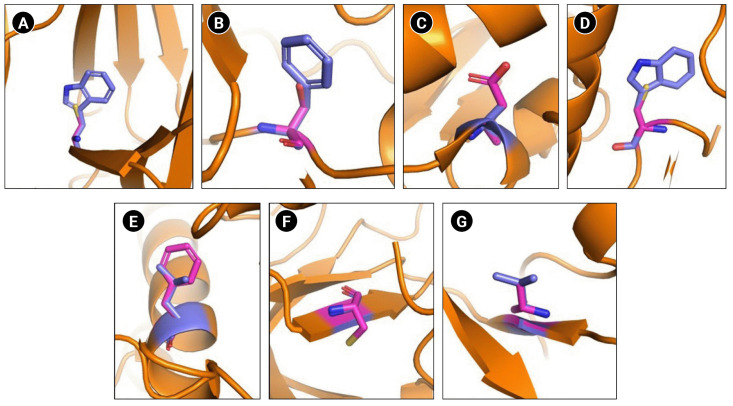
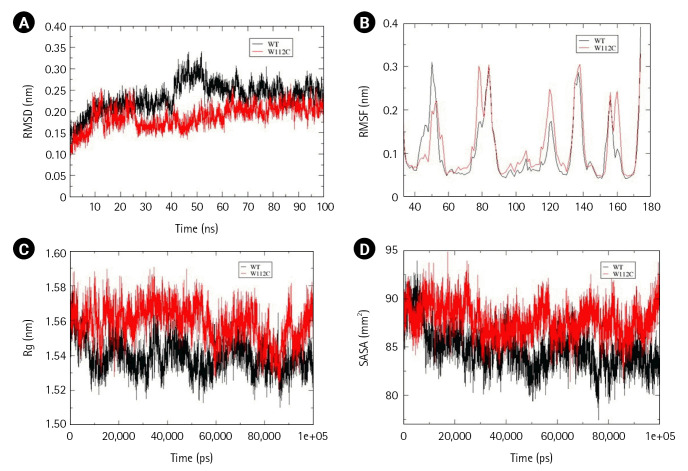
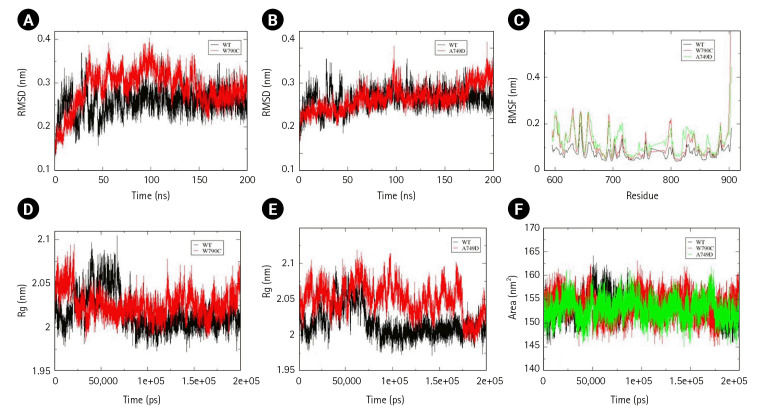
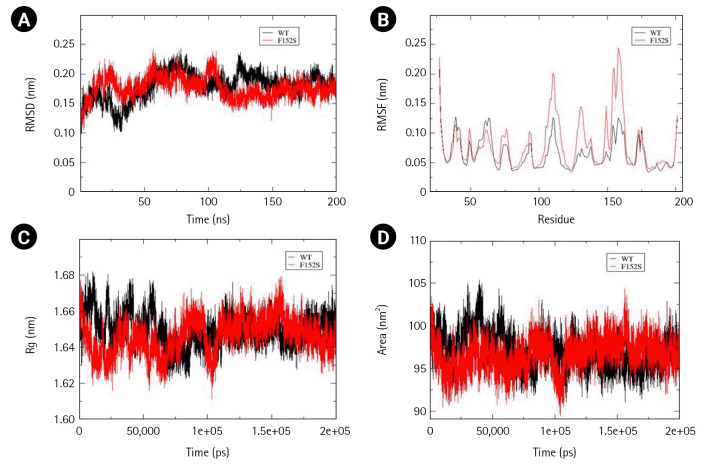
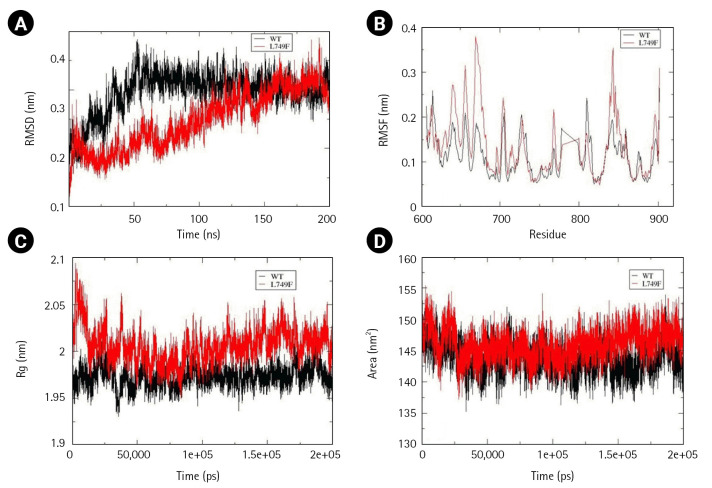
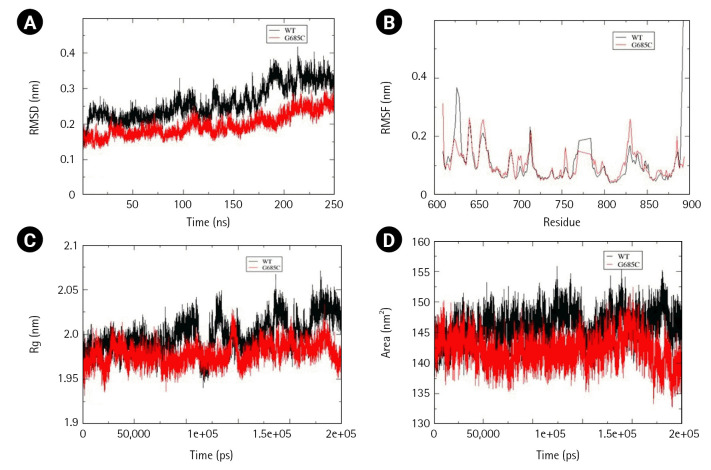
Ephs belong to the largest family of receptor tyrosine kinase and are highly conserved both sequentially and structurally. The structural organization of Eph is similar to other receptor tyrosine kinases; constituting the extracellular ligand binding domain, a fibronectin domain followed by intracellular juxtamembrane kinase, and SAM domain. Eph binds to respective ephrin ligand, through the ligand binding domain and forms a tetrameric complex to activate the kinase domain. Eph-ephrin regulates many downstream pathways that lead to physiological events such as cell migration, proliferation, and growth. Therefore, considering the importance of Eph-ephrin class of protein in tumorigenesis, 7,620 clinically reported missense mutations belonging to the class of variables of unknown significance were retrieved from cBioPortal and evaluated for pathogenicity. Thirty-two mutations predicted to be pathogenic using SIFT, Polyphen-2, PROVEAN, SNPs&GO, PMut, iSTABLE, and PremPS in-silico tools were found located either in critical functional regions or encompassing interactions at the binding interface of Eph-ephrin. However, seven were reported in nonsmall cell lung cancer (NSCLC). Considering the relevance of receptor tyrosine kinases and Eph in NSCLC, these seven mutations were assessed for change in the folding pattern using molecular dynamic simulation. Structural alterations, stability, flexibility, compactness, and solvent-exposed area was observed in EphA3 Trp790Cys, EphA7 Leu749Phe, EphB1 Gly685Cys, EphB4 Val748Ala, and Ephrin A2 Trp112Cys. Hence, it can be concluded that the evaluated mutations have potential to alter the folding pattern and thus can be further validated by in-vitro, structural and in-vivo studies for clinical management.
Eph 属于受体酪氨酸激酶的最大家族,在序列和结构上都高度保守。Eph 的结构组织与其他受体酪氨酸激酶相似;由细胞外配体结合结构域、一个纤连蛋白结构域,接着是细胞内近膜激酶结构域和 SAM 结构域组成。Eph 通过配体结合结构域与各自的 ephrin 配体结合,形成四聚体复合物以激活激酶结构域。Eph-ephrin 调节许多下游通路,这些通路会导致细胞迁移、增殖和生长等生理事件。因此,鉴于 Eph-ephrin 类蛋白在肿瘤发生中的重要性,从 cBioPortal 中检索了 7620 个临床报告的意义未明的错义突变,并对其致病性进行了评估。使用 SIFT、Polyphen-2、PROVEAN、SNPs&GO、PMut、iSTABLE 和 PremPS 等生物信息学工具预测为致病性的 32 个突变,被发现位于关键功能区域或涉及 Eph-ephrin 结合界面的相互作用。然而,其中 7 个在非小细胞肺癌(NSCLC)中被报道。考虑到受体酪氨酸激酶和 Eph 在 NSCLC 中的相关性,使用分子动力学模拟评估了这 7 个突变对折叠模式的影响。在 EphA3 Trp790Cys、EphA7 Leu749Phe、EphB1 Gly685Cys、EphB4 Val748Ala 和 Ephrin A2 Trp112Cys 中观察到了结构改变、稳定性、灵活性、紧凑性和溶剂暴露面积的变化。因此,可以得出结论,所评估的突变有可能改变折叠模式,因此可以通过体外、结构和体内研究进一步验证,以用于临床管理。