Gaudin Julie, Thayalakulasingam Theepha
Internal Medicine, Edward Via College of Osteopathic Medicine, Monroe, USA.
Pulmonary and Critical Care Medicine, North Oaks Medical Center, Hammond, USA.
Cureus. 2023 Sep 7;15(9):e44869. doi: 10.7759/cureus.44869. eCollection 2023 Sep.
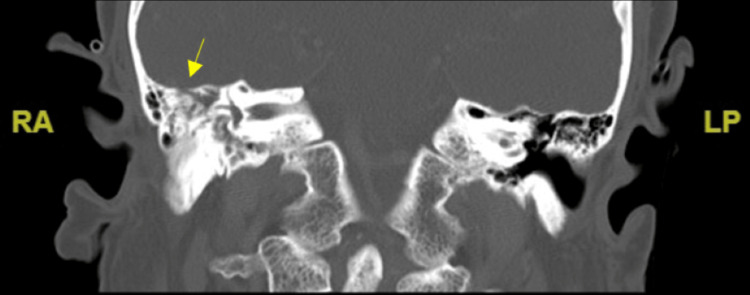
is a leading cause of otitis media, pneumonia, sinusitis, and meningitis. This encapsulated, gram-positive bacterium colonizes the nasopharynx. Major risk factors, including age, hyposplenism, and immunosuppression, predispose to serious infections. Viral infections are known to increase the risk of secondary bacterial infections as the initial immune response can compromise defenses against bacteria. Coronavirus disease 2019 (COVID-19) similarly poses a risk for secondary bacterial infections and coinfections, such as invasive pneumococcal disease (IPD). Still, temporal relationships between IPD and COVID-19 are not fully understood. IPD may also be a complication of untreated acute otitis media. COVID-19 and pneumococcal bacteremia, a form of IPD, have both been shown to damage the blood-brain barrier and gain access to the central nervous system, resulting in deep infections, namely, meningitis and encephalitis. Presented here is the case of a 70-year-old female partially vaccinated against pneumococcal disease, who was initially evaluated for an elevated temperature, acute encephalopathy, and COVID-19. Further investigation confirmed IPD in the form of bacteremia and meningitis. The patient had a protracted disease course complicated by sick sinus syndrome and altered mental status, which led to the identification of otitis media and a right tegmen tympani defect. Emergent implantation of a single-chamber temporary pacemaker and myringotomy with tube placement was performed. Lumbar puncture showed evidence of meningitis. Antibiotic therapy eventually narrowed to ceftriaxone and continued for a total of six weeks. The presence of comorbidities, history of incomplete pneumococcal vaccination series, and concomitant infection with COVID-19 may explain the development of IPD and other complications seen in this case. Furthermore, tegmen tympani defects and damage to the blood-brain barrier can serve as a route for otogenic intracranial sepsis and meningitis. This case serves to reinforce the importance of pneumococcal vaccination and the high clinical suspicion necessary for the prompt diagnosis and treatment of IPD. However, despite vaccination, IPD remains a life-threatening disease due to poor antibiotic penetration in the central nervous system and overlapping presentations with coinfections, such as COVID-19.
是中耳炎、肺炎、鼻窦炎和脑膜炎的主要病因。这种包膜革兰氏阳性菌定植于鼻咽部。主要危险因素,包括年龄、脾功能减退和免疫抑制,易引发严重感染。已知病毒感染会增加继发性细菌感染的风险,因为初始免疫反应会削弱对细菌的防御能力。2019冠状病毒病(COVID-19)同样会引发继发性细菌感染和合并感染的风险,如侵袭性肺炎球菌病(IPD)。然而,IPD与COVID-19之间的时间关系尚未完全明确。IPD也可能是未经治疗的急性中耳炎的并发症。COVID-19和肺炎球菌菌血症(一种IPD形式)均已被证明会破坏血脑屏障并进入中枢神经系统,导致深部感染,即脑膜炎和脑炎。本文介绍了一例70岁部分接种肺炎球菌病疫苗的女性病例,该患者最初因体温升高、急性脑病和COVID-19接受评估。进一步检查确诊为菌血症和脑膜炎形式的IPD。患者病程迁延,并发病态窦房结综合征和精神状态改变,进而发现中耳炎和右侧鼓室盖缺损。紧急植入单腔临时起搏器并进行鼓膜切开置管术。腰椎穿刺显示有脑膜炎迹象。抗生素治疗最终确定为头孢曲松,并持续了六周。合并症的存在、肺炎球菌疫苗接种系列不完全的病史以及同时感染COVID-19可能解释了该病例中IPD及其他并发症的发生。此外,鼓室盖缺损和血脑屏障受损可作为耳源性颅内脓毒症和脑膜炎的途径。该病例强化了肺炎球菌疫苗接种的重要性以及对IPD进行及时诊断和治疗所需的高度临床怀疑。然而,尽管接种了疫苗,但由于抗生素在中枢神经系统中的渗透性差以及与合并感染(如COVID-19)的表现重叠,IPD仍然是一种危及生命的疾病。