Wakid Marina, Almeida Daniel, Aouabed Zahia, Rahimian Reza, Davoli Maria Antonietta, Yerko Volodymyr, Leonova-Erko Elena, Richard Vincent, Zahedi René, Borchers Christoph, Turecki Gustavo, Mechawar Naguib
McGill Group for Suicide Studies, Douglas Research Centre, Montréal, Quebec, Canada.
Integrated Program in Neuroscience, McGill University, Montréal, Quebec, Canada.
Brain Behav Immun Health. 2023 Sep 21;34:100684. doi: 10.1016/j.bbih.2023.100684. eCollection 2023 Dec.
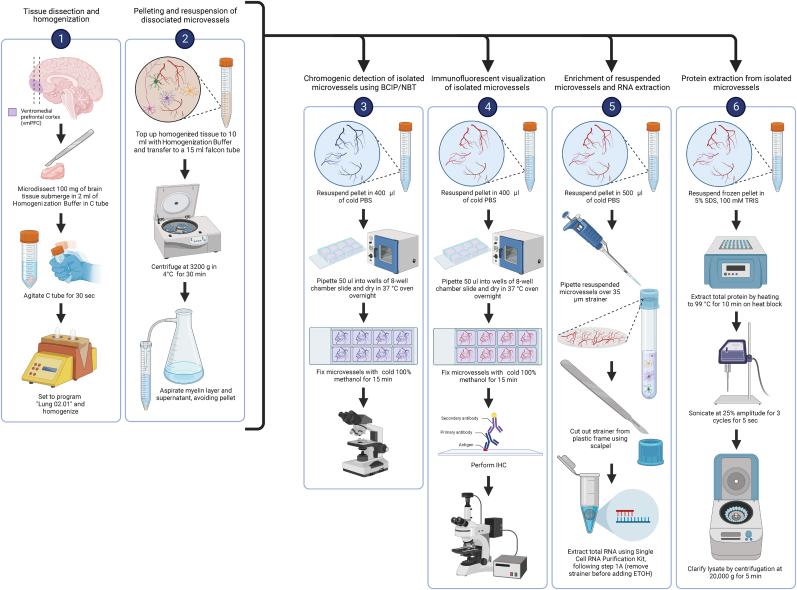
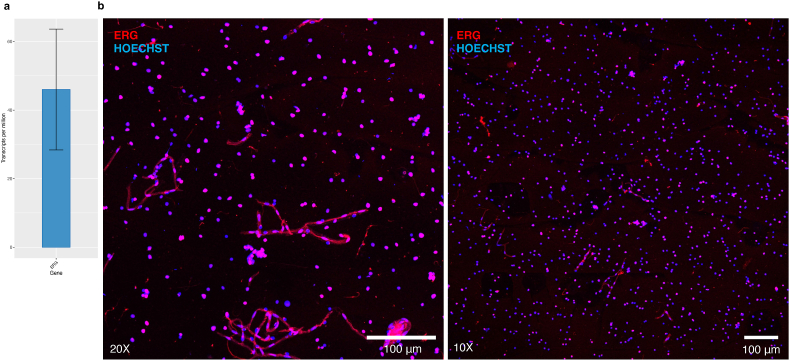
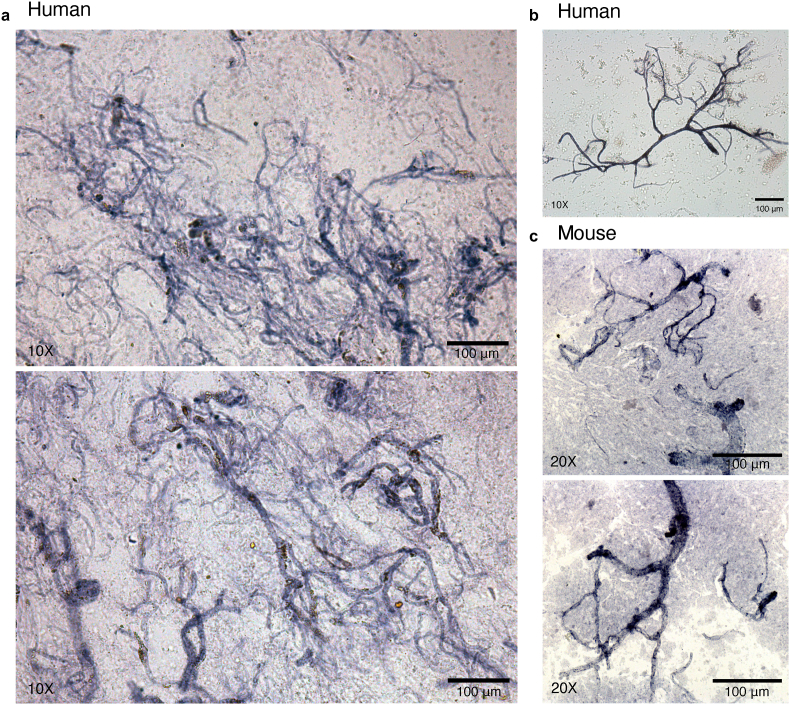
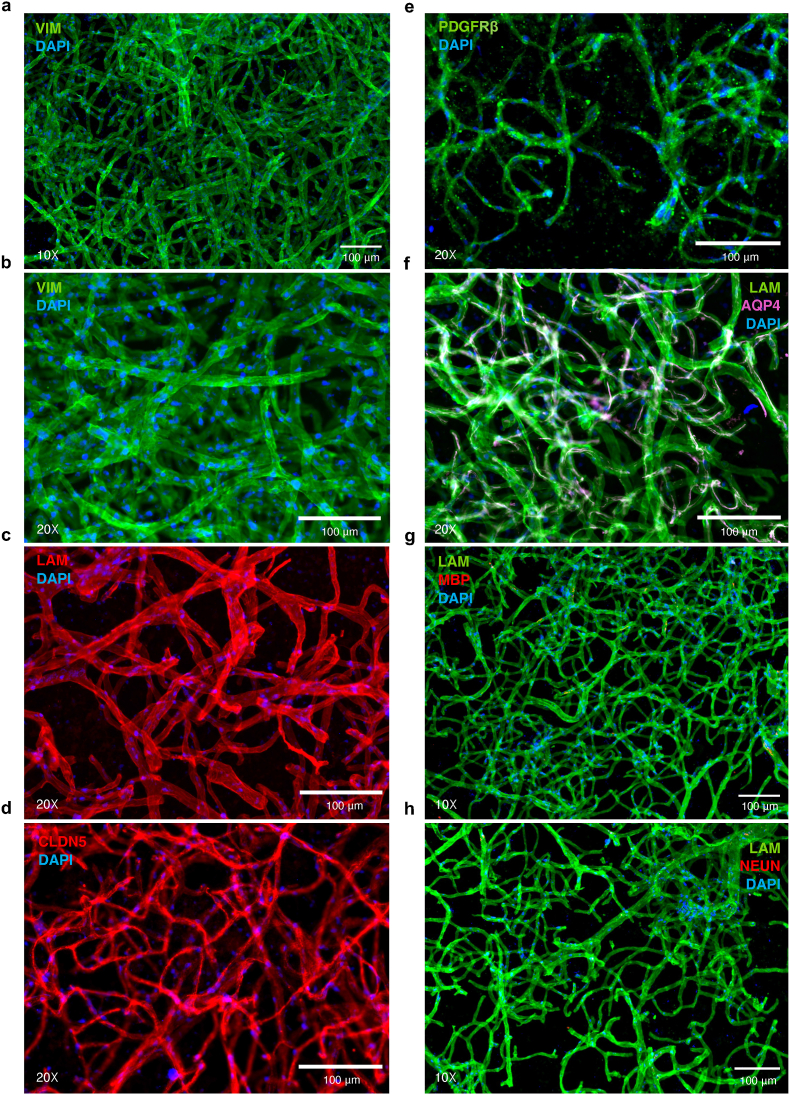
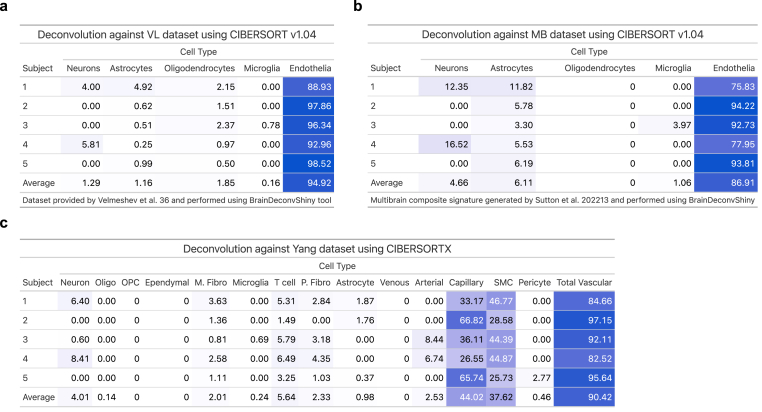
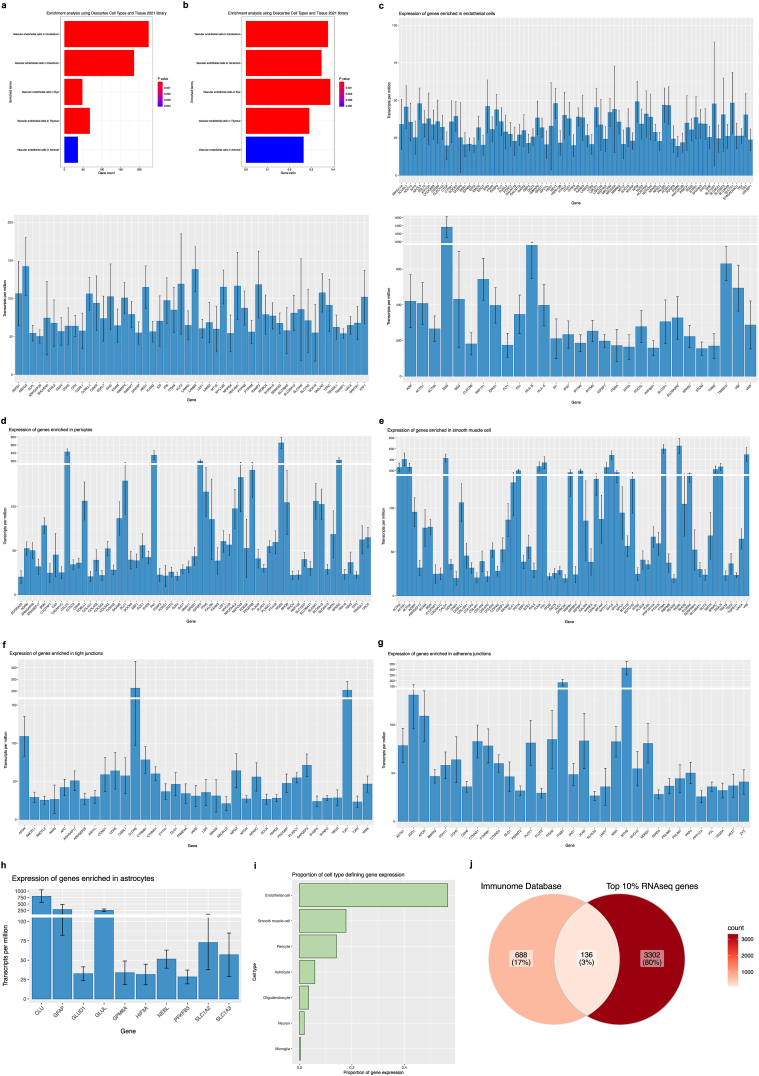
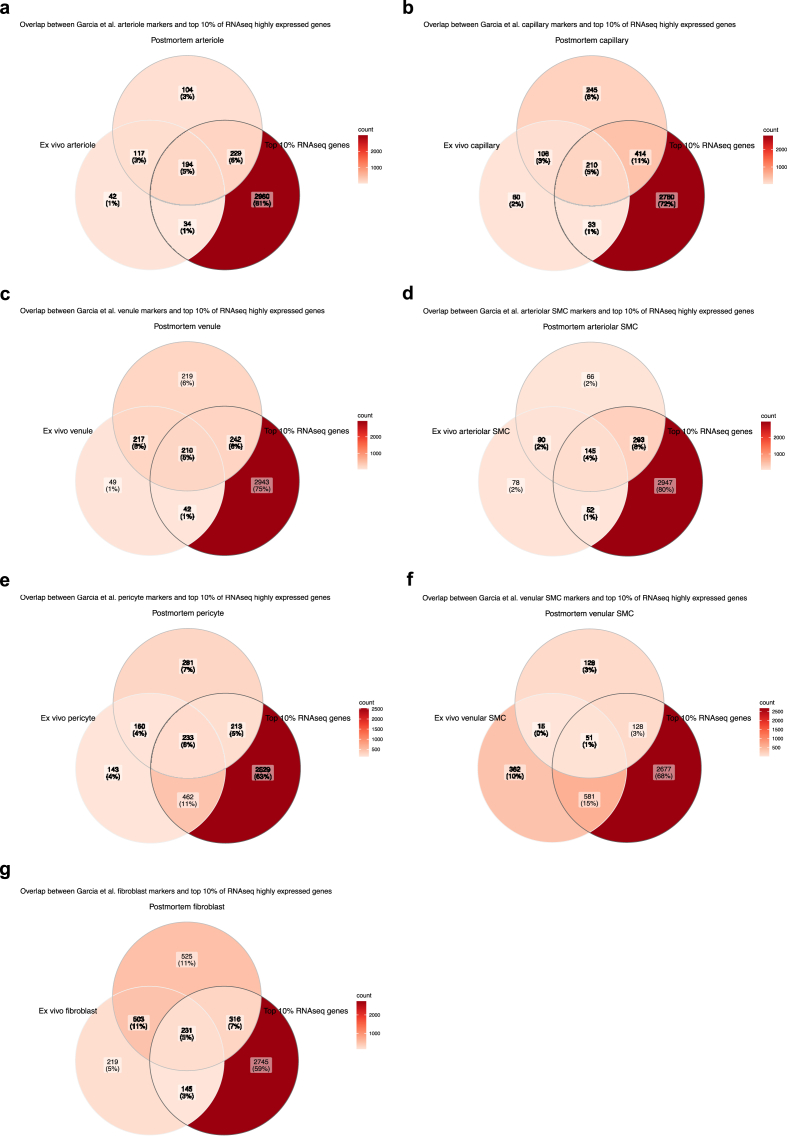
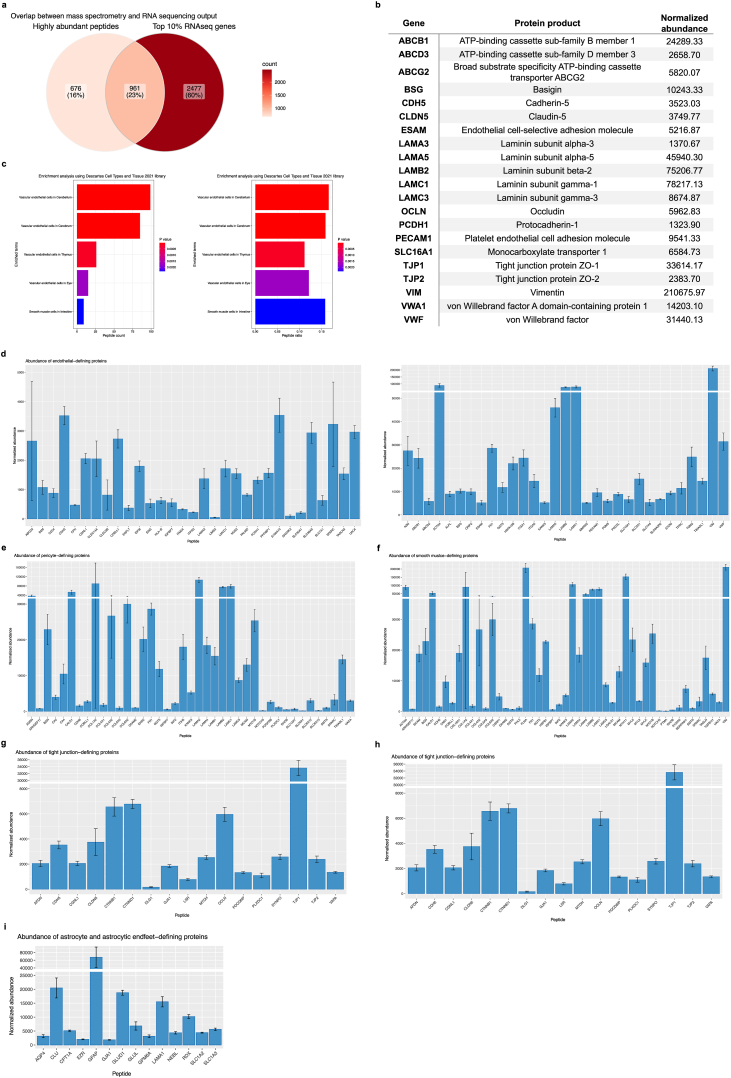
The neurovascular unit, comprised of vascular cell types that collectively regulate cerebral blood flow to meet the needs of coupled neurons, is paramount for the proper function of the central nervous system. The neurovascular unit gatekeeps blood-brain barrier properties, which experiences impairment in several central nervous system diseases associated with neuroinflammation and contributes to pathogenesis. To better understand function and dysfunction at the neurovascular unit and how it may confer inflammatory processes within the brain, isolation and characterization of the neurovascular unit is needed. Here, we describe a singular, standardized protocol to enrich and isolate microvessels from archived snap-frozen human and frozen mouse cerebral cortex using mechanical homogenization and centrifugation-separation that preserves the structural integrity and multicellular composition of microvessel fragments. For the first time, microvessels are isolated from postmortem ventromedial prefrontal cortex tissue and are comprehensively investigated as a structural unit using both RNA sequencing and Liquid Chromatography with tandem mass spectrometry (LC-MS/MS). Both the transcriptome and proteome are obtained and compared, demonstrating that the isolated brain microvessel is a robust model for the NVU and can be used to generate highly informative datasets in both physiological and disease contexts.
神经血管单元由多种血管细胞类型组成,这些细胞共同调节脑血流量以满足相关神经元的需求,对中枢神经系统的正常功能至关重要。神经血管单元维持血脑屏障特性,在与神经炎症相关的几种中枢神经系统疾病中该特性会受损,并促成发病机制。为了更好地理解神经血管单元的功能与功能障碍,以及它如何在脑内引发炎症过程,需要对神经血管单元进行分离和表征。在此,我们描述了一种独特的标准化方案,通过机械匀浆和离心分离从存档的速冻人类和冷冻小鼠大脑皮层中富集和分离微血管,该方案保留了微血管片段的结构完整性和多细胞组成。首次从死后的腹内侧前额叶皮层组织中分离出微血管,并使用RNA测序和液相色谱-串联质谱(LC-MS/MS)作为结构单元进行全面研究。获得并比较了转录组和蛋白质组,表明分离出的脑微血管是神经血管单元的一个强大模型,可用于在生理和疾病背景下生成信息丰富的数据集。