Institute of Pharmacology and Toxicology, Rostock University Medical Center, Schillingallee 70, 18057 Rostock, Germany.
Cells. 2023 Sep 30;12(19):2389. doi: 10.3390/cells12192389.
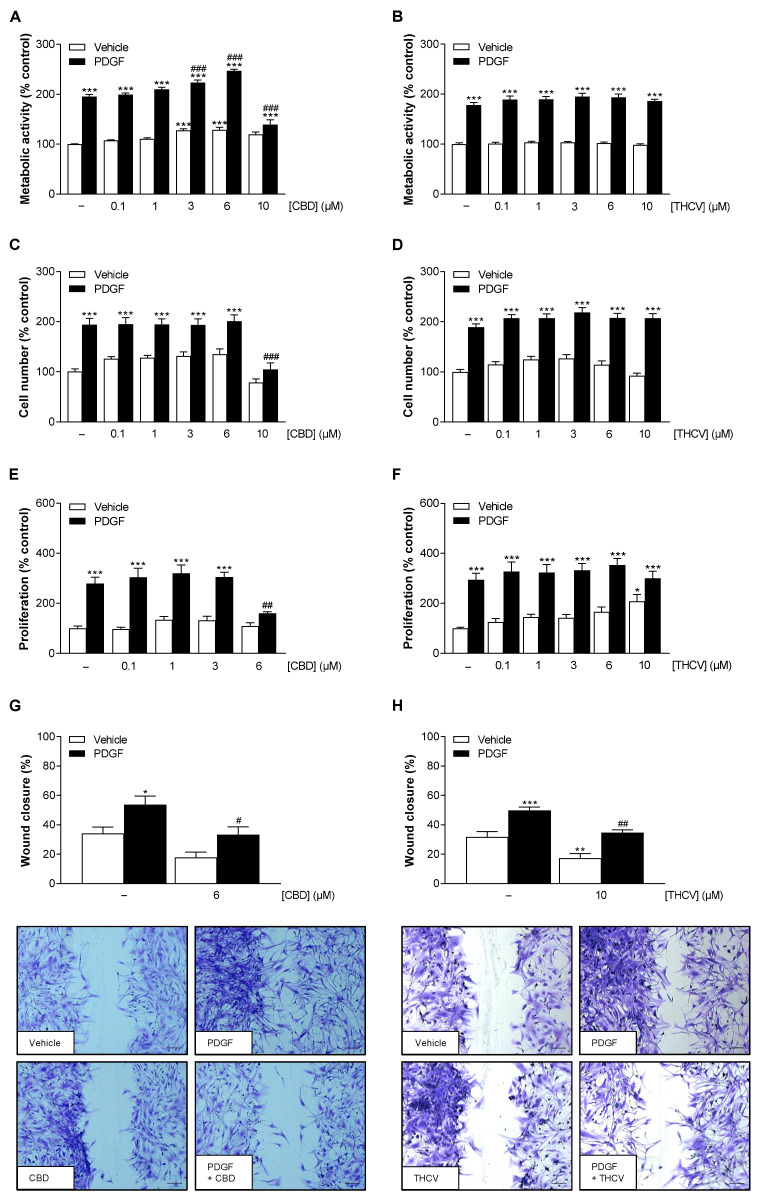
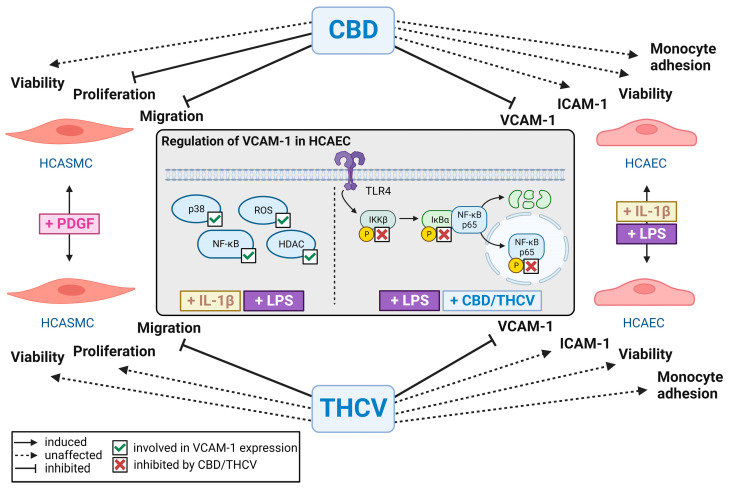
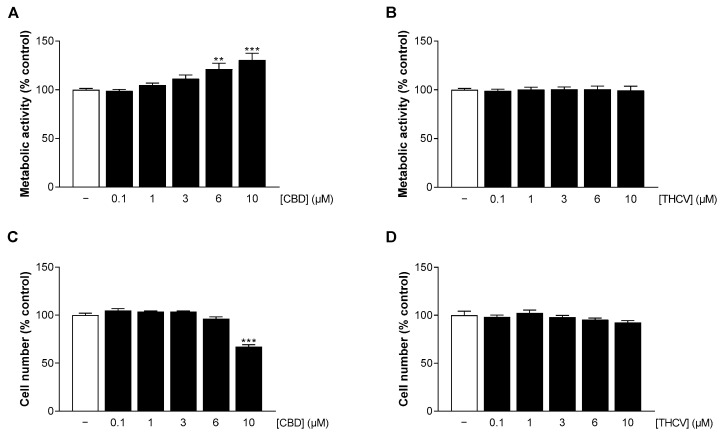
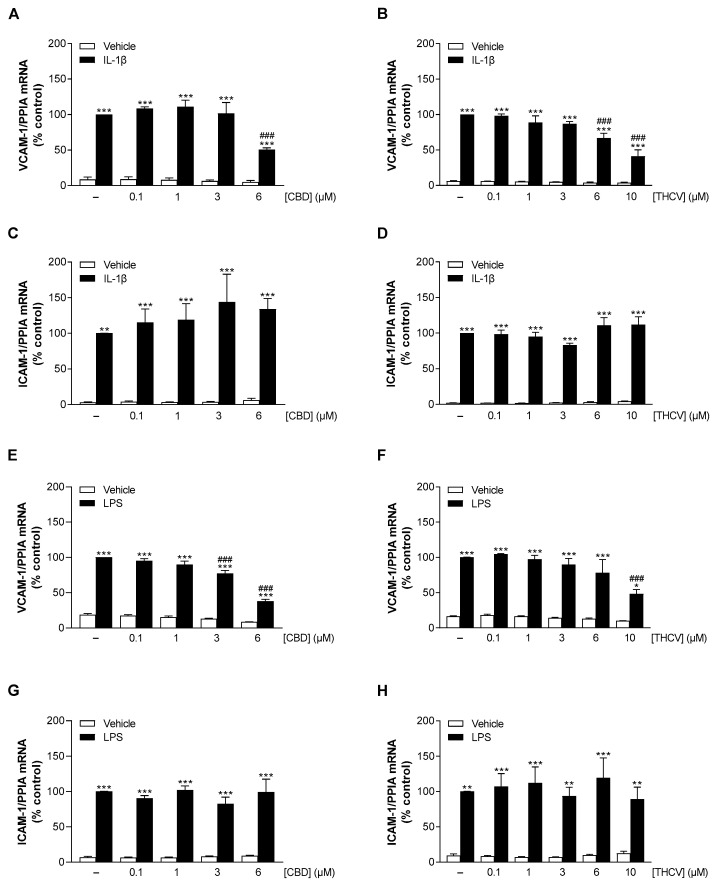
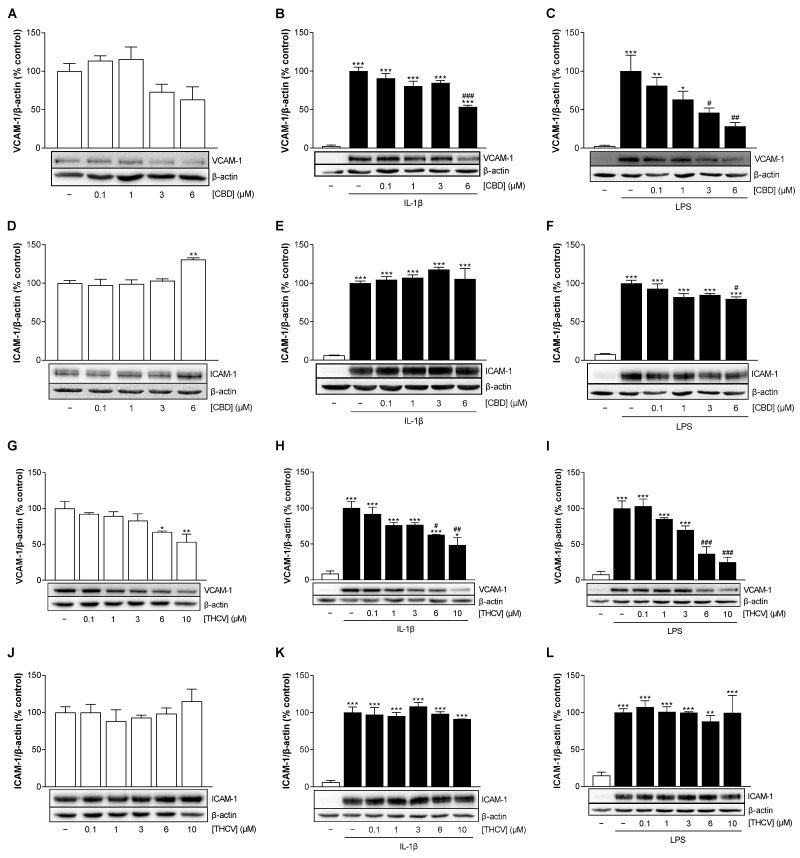
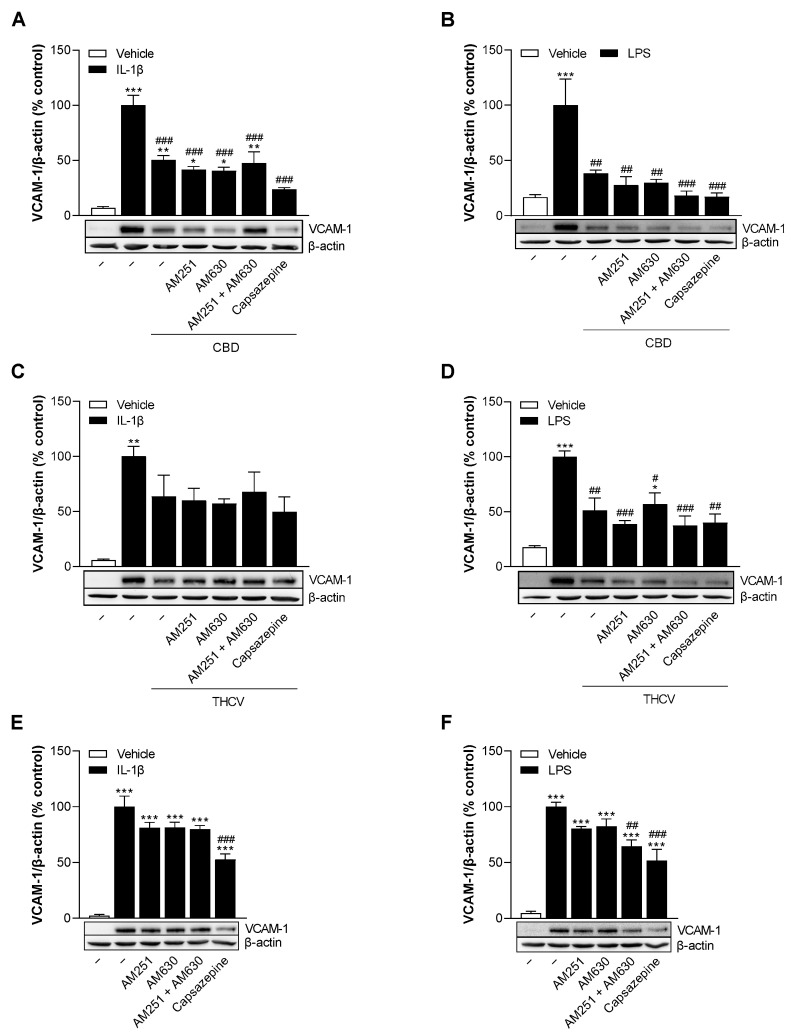
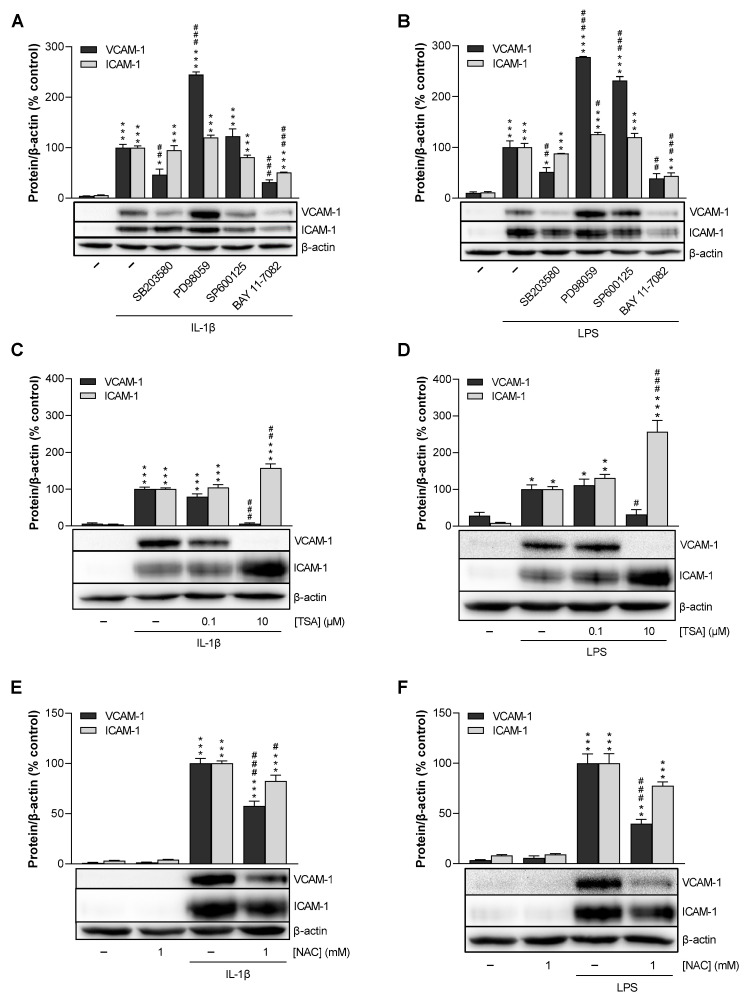
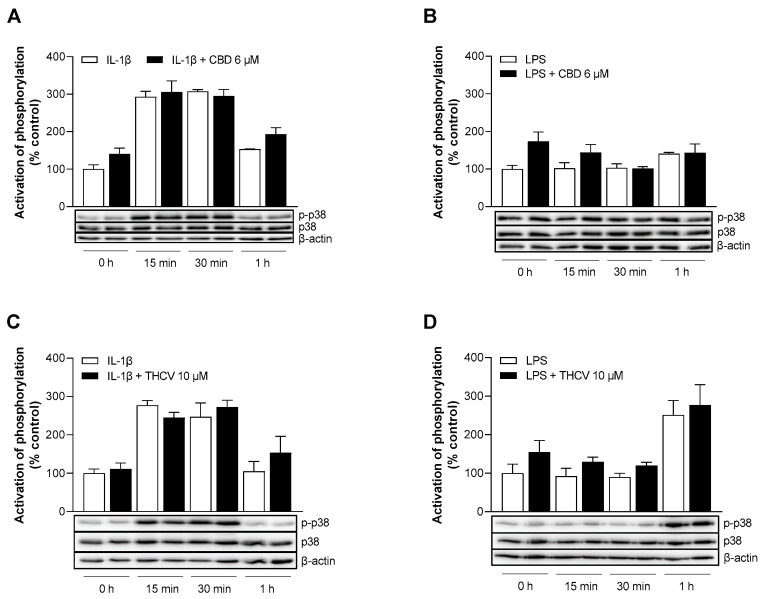
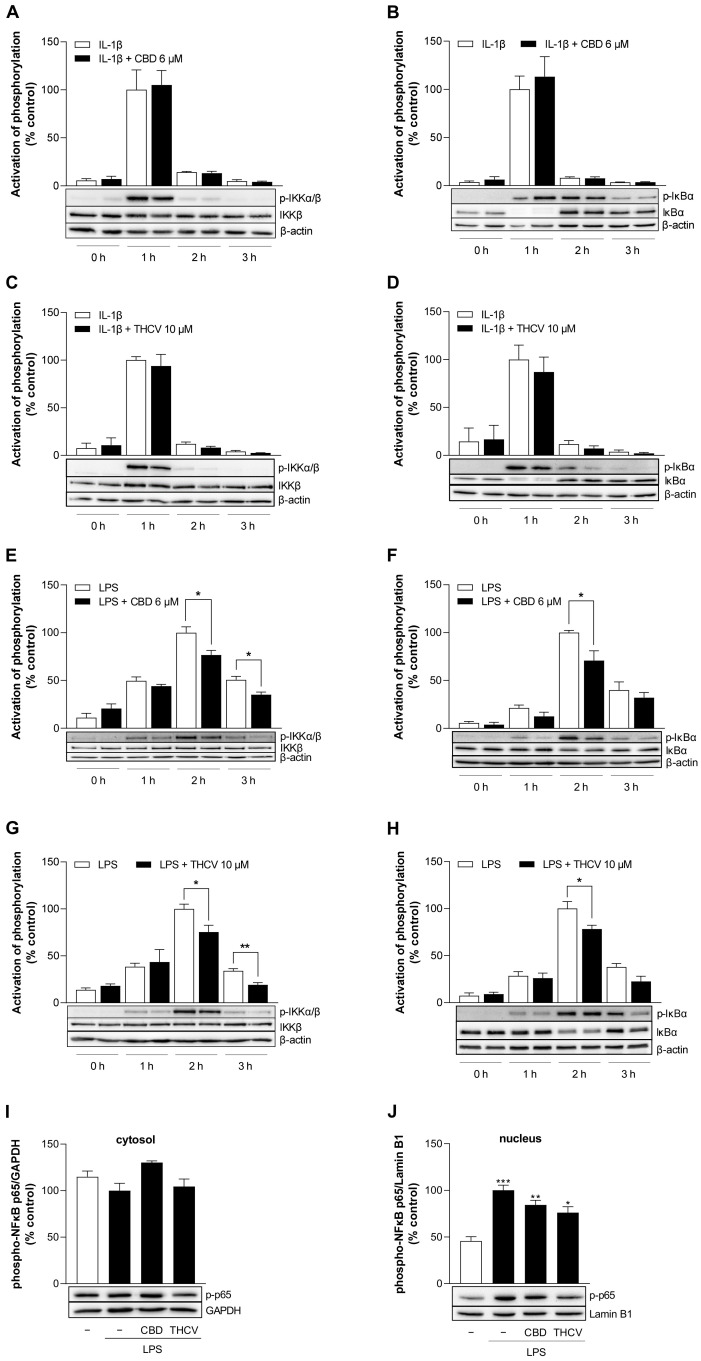
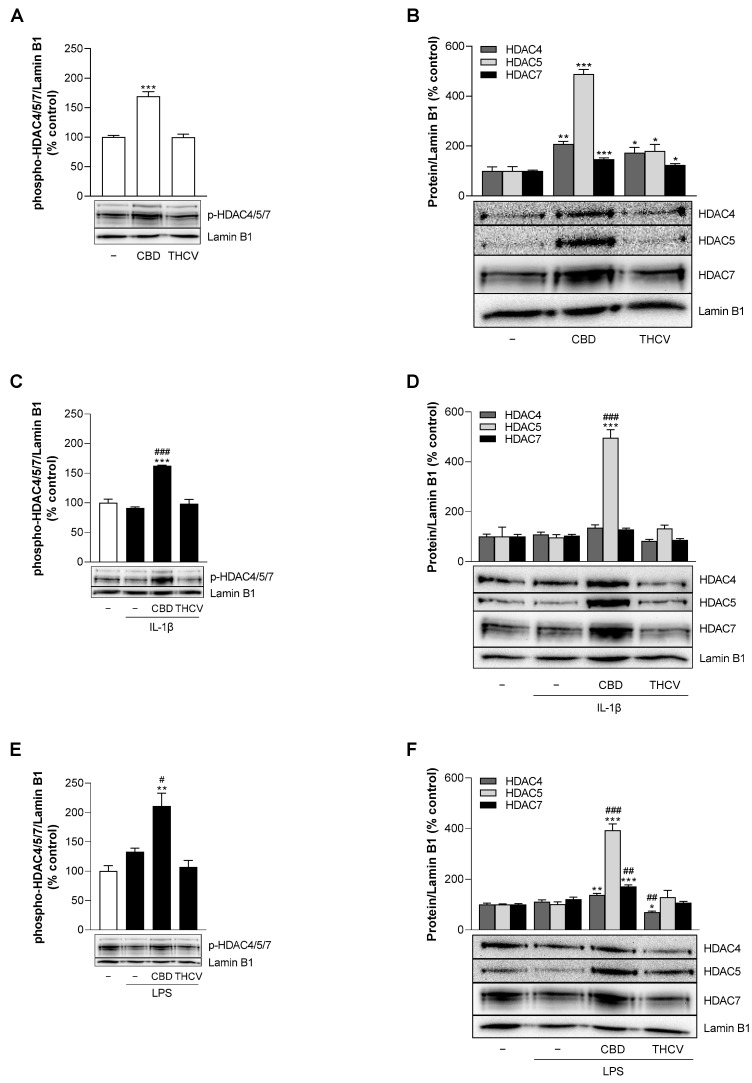
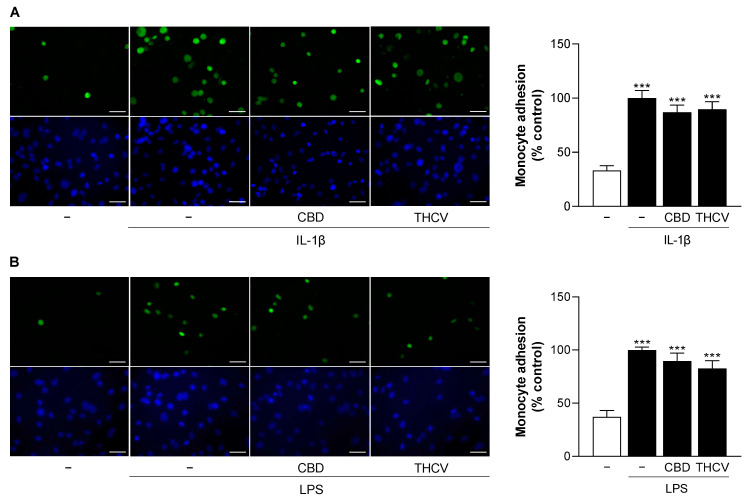
Atherosclerosis is associated with vascular smooth muscle cell proliferation, chronic vascular inflammation, and leukocyte adhesion. In view of the cardioprotective effects of cannabinoids described in recent years, the present study investigated the impact of the non-psychoactive phytocannabinoids cannabidiol (CBD) and tetrahydrocannabivarin (THCV) on proliferation and migration of human coronary artery smooth muscle cells (HCASMC) and on inflammatory markers in human coronary artery endothelial cells (HCAEC). In HCASMC, CBD and THCV at nontoxic concentrations exhibited inhibitory effects on platelet-derived growth factor-triggered proliferation (CBD) and migration (CBD, THCV). When interleukin (IL)-1β- and lipopolysaccharide (LPS)-stimulated HCAEC were examined, both cannabinoids showed a concentration-dependent decrease in the expression of vascular cell adhesion molecule-1 (VCAM-1), which was mediated independently of classical cannabinoid receptors and was not accompanied by a comparable inhibition of intercellular adhesion molecule-1. Further inhibitor experiments demonstrated that reactive oxygen species, p38 mitogen-activated protein kinase activation, histone deacetylase, and nuclear factor κB (NF-κB) underlie IL-1β- and LPS-induced expression of VCAM-1. In this context, CBD and THCV were shown to inhibit phosphorylation of NF-κB regulators in LPS- but not IL-1β-stimulated HCAEC. Stimulation of HCAEC with IL-1β and LPS was associated with increased adhesion of monocytes, which, however, could not be significantly abolished by CBD and THCV. In summary, the results highlight the potential of the non-psychoactive cannabinoids CBD and THCV to regulate inflammation-related changes in HCASMC and HCAEC. Considering their effect on both cell types studied, further preclinical studies could address the use of CBD and THCV in drug-eluting stents for coronary interventions.
动脉粥样硬化与血管平滑肌细胞增殖、慢性血管炎症和白细胞黏附有关。鉴于近年来描述的大麻素的心脏保护作用,本研究调查了非精神活性植物大麻素大麻二酚 (CBD) 和四氢大麻酚 (THCV) 对人冠状动脉平滑肌细胞 (HCASMC) 的增殖和迁移以及对人冠状动脉内皮细胞 (HCAEC) 的炎症标志物的影响。在 HCASMC 中,CBD 和 THCV 在无毒浓度下对血小板衍生生长因子触发的增殖 (CBD) 和迁移 (CBD、THCV) 表现出抑制作用。当检查白细胞介素 (IL)-1β 和脂多糖 (LPS) 刺激的 HCAEC 时,两种大麻素均表现出血管细胞黏附分子-1 (VCAM-1) 的表达呈浓度依赖性下降,这独立于经典大麻素受体介导,并且不伴有细胞间黏附分子-1 的可比抑制。进一步的抑制剂实验表明,活性氧、p38 丝裂原活化蛋白激酶激活、组蛋白去乙酰化酶和核因子 κB (NF-κB) 是 IL-1β 和 LPS 诱导 VCAM-1 表达的基础。在这种情况下,CBD 和 THCV 被证明可抑制 LPS 但不抑制 IL-1β 刺激的 HCAEC 中 NF-κB 调节剂的磷酸化。用 IL-1β 和 LPS 刺激 HCAEC 与单核细胞的黏附增加有关,但 CBD 和 THCV 不能显著消除这种增加。总之,这些结果强调了非精神活性大麻素 CBD 和 THCV 调节 HCASMC 和 HCAEC 中与炎症相关的变化的潜力。考虑到它们对所研究的两种细胞类型的影响,进一步的临床前研究可以解决在冠状动脉介入治疗中使用 CBD 和 THCV 的问题。