
再灌注和细胞保护剂在缺血性脑卒中治疗中是一对相互有益的组合:对兴奋毒性和自由基作用为重点的病理生理学、药理学靶点和候选药物的概述。
Reperfusion and cytoprotective agents are a mutually beneficial pair in ischaemic stroke therapy: an overview of pathophysiology, pharmacological targets and candidate drugs focusing on excitotoxicity and free radical.
机构信息
School of Pharmacy, Nanjing Medical University, Nanjing, Jiangsu, China.
School of Pharmacy, Nanjing Medical University, Nanjing, Jiangsu, China
出版信息
Stroke Vasc Neurol. 2024 Aug 27;9(4):351-359. doi: 10.1136/svn-2023-002671.
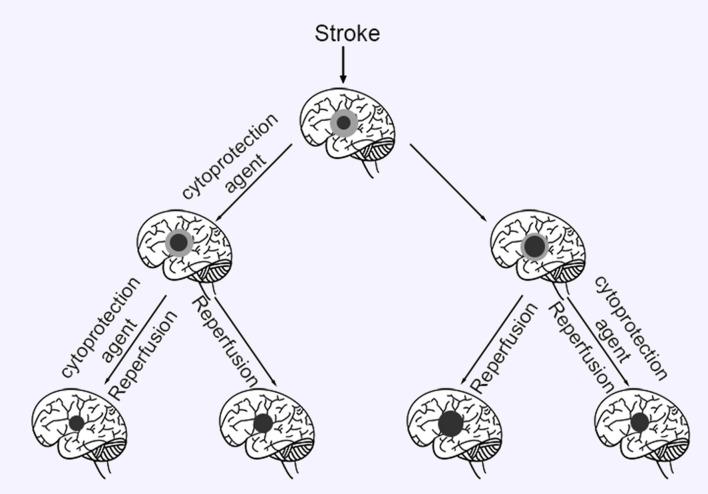
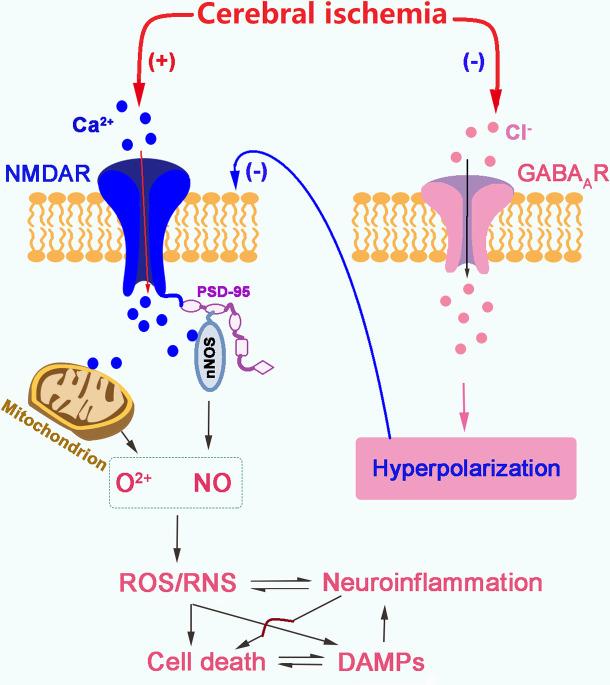
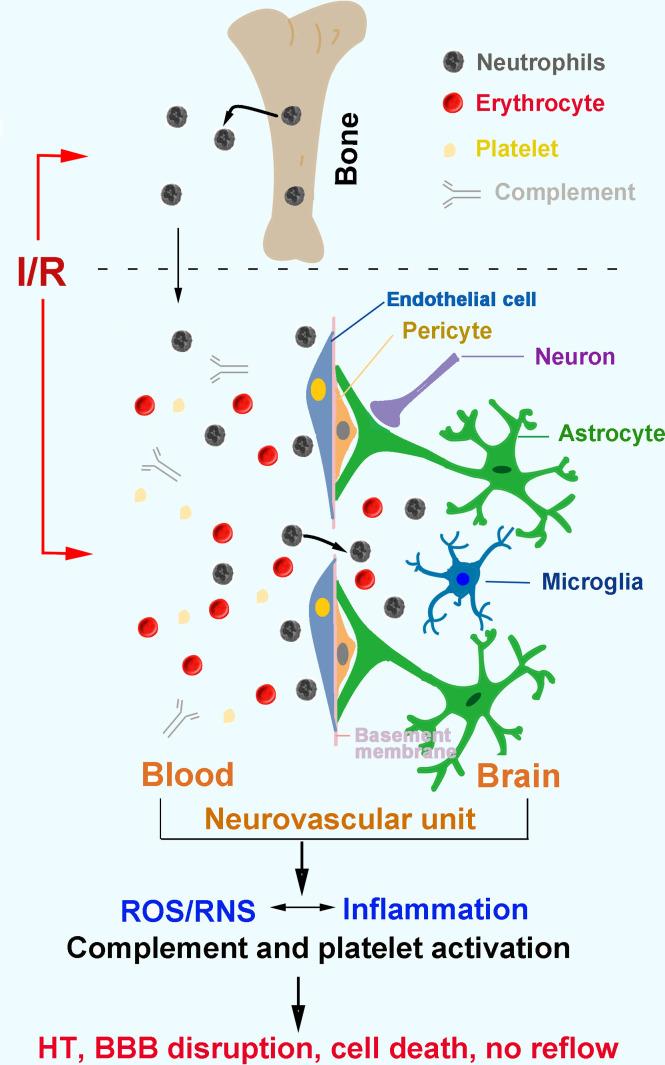
Stroke is the second-leading cause of death and the leading cause of disability in much of the world. In particular, China faces the greatest challenge from stroke, since the population is aged quickly. In decades of clinical trials, no neuroprotectant has had reproducible efficacy on primary clinical end points, because reperfusion is probably a necessity for neuroprotection to be clinically beneficial. Fortunately, the success of thrombolysis and endovascular thrombectomy has taken us into a reperfusion era of acute ischaemic stroke (AIS) therapy. Brain cytoprotective agents can prevent detrimental effects of ischaemia, and therefore 'freeze' ischaemic penumbra before reperfusion, extend the time window for reperfusion therapy. Because reperfusion often leads to reperfusion injury, including haemorrhagic transformation, brain oedema, infarct progression and neurological worsening, cytoprotective agents will enhance the efficacy and safety of reperfusion therapy by preventing or reducing reperfusion injuries. Therefore, reperfusion and cytoprotective agents are a mutually beneficial pair in AIS therapy. In this review, we outline critical pathophysiological events causing cell death within the penumbra after ischaemia or ischaemia/reperfusion in the acute phase of AIS, focusing on excitotoxicity and free radicals. We discuss key pharmacological targets for cytoprotective therapy and evaluate the recent advances of cytoprotective agents going through clinical trials, highlighting multitarget cytoprotective agents that intervene at multiple levels of the ischaemic and reperfusion cascade.
中风是世界上许多地区的第二大致死原因和首要致残原因。特别是,由于人口老龄化迅速,中国面临着最大的中风挑战。在几十年的临床试验中,没有一种神经保护剂在主要临床终点上具有可重复的疗效,因为再灌注可能是神经保护具有临床益处的必要条件。幸运的是,溶栓和血管内血栓切除术的成功使我们进入了急性缺血性中风(AIS)治疗的再灌注时代。脑细胞保护剂可以预防缺血的有害影响,因此可以在再灌注之前“冻结”缺血半影区,并延长再灌注治疗的时间窗。由于再灌注常常导致再灌注损伤,包括出血性转化、脑水肿、梗死进展和神经恶化,细胞保护剂可以通过预防或减少再灌注损伤来增强再灌注治疗的疗效和安全性。因此,再灌注和细胞保护剂是 AIS 治疗中的一对相互有益的组合。在这篇综述中,我们概述了 AIS 急性期中缺血或缺血/再灌注后半影区内导致细胞死亡的关键病理生理事件,重点关注兴奋性毒性和自由基。我们讨论了细胞保护治疗的关键药理靶点,并评估了正在进行临床试验的细胞保护剂的最新进展,突出了干预缺血和再灌注级联多个水平的多靶点细胞保护剂。
 Zotero 插件