Instrumentation and Control Master Program, Institut Teknologi Bandung, Bandung, 40132, Indonesia.
Instrumentation and Control Research Group, Institut Teknologi Bandung, Bandung, 40132, Indonesia.
Sci Rep. 2023 Oct 13;13(1):17395. doi: 10.1038/s41598-023-28510-6.
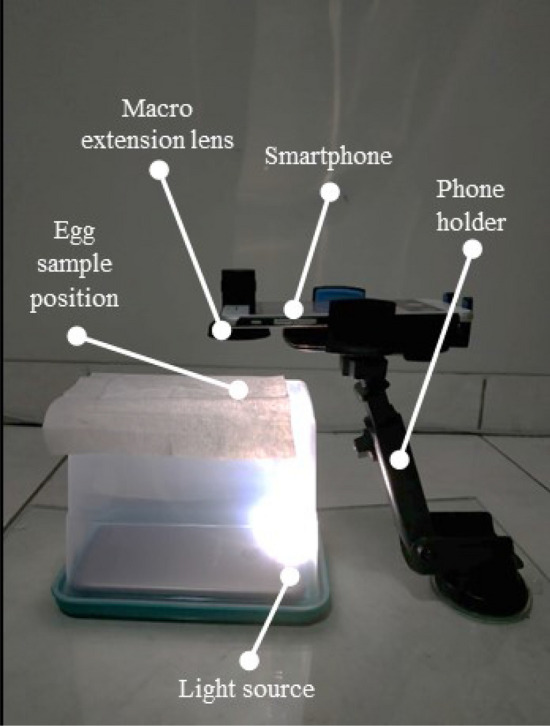
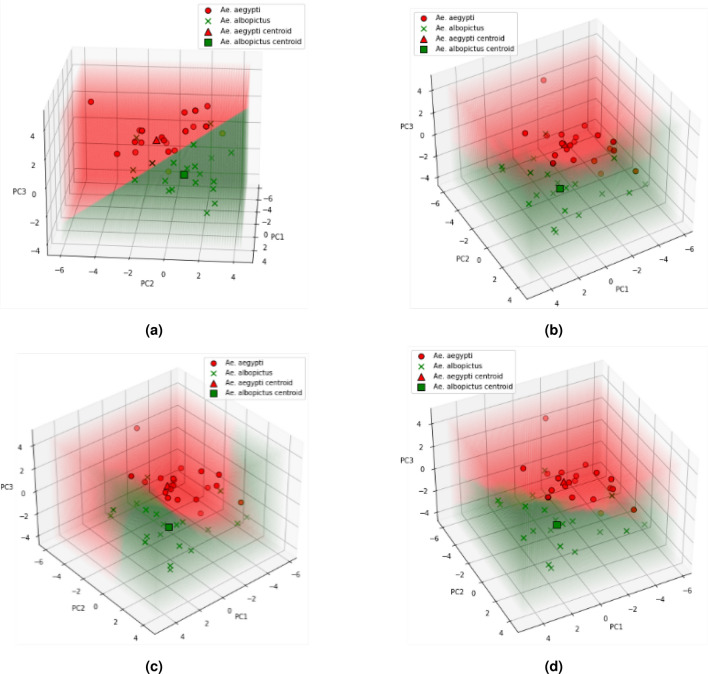
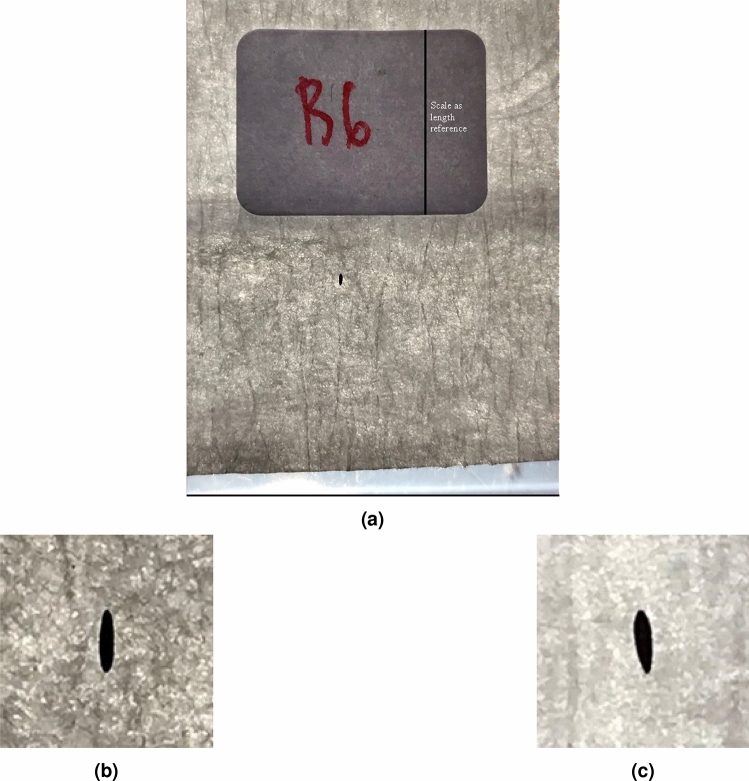
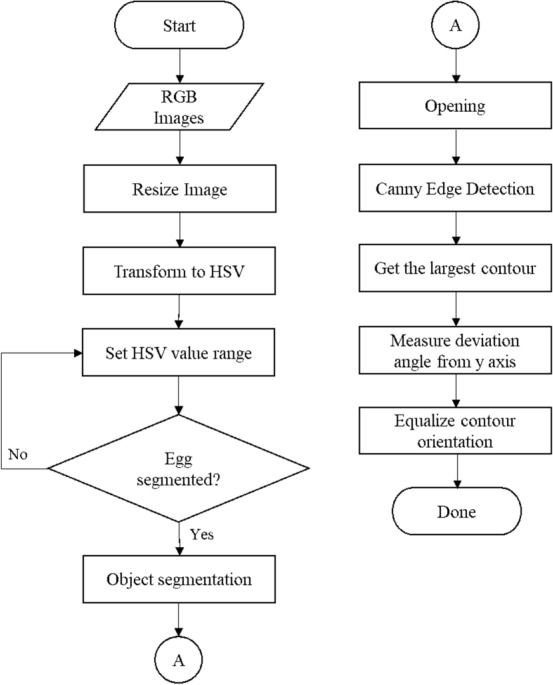
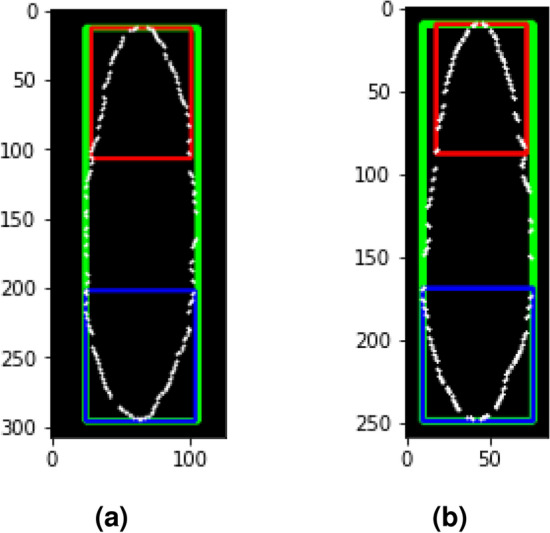
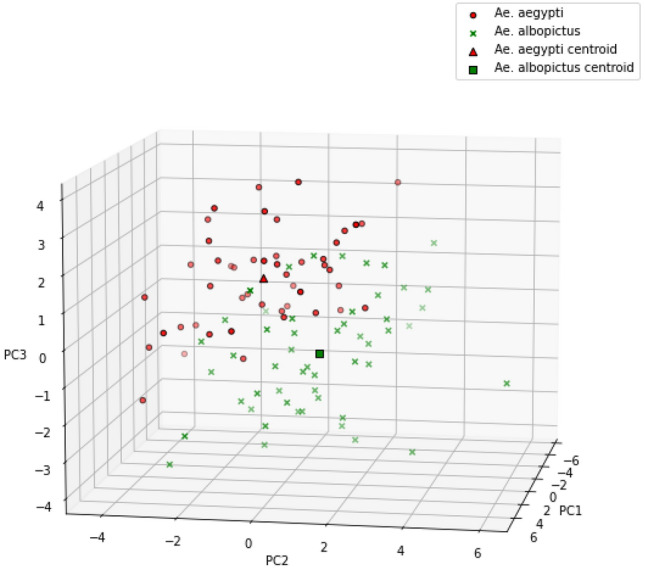
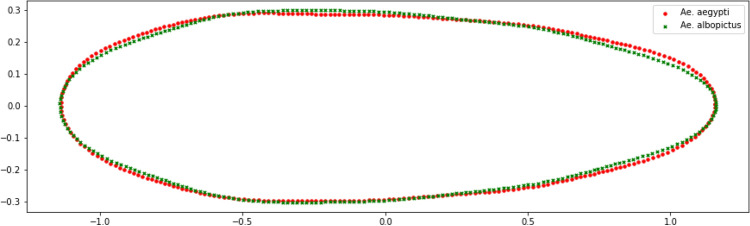
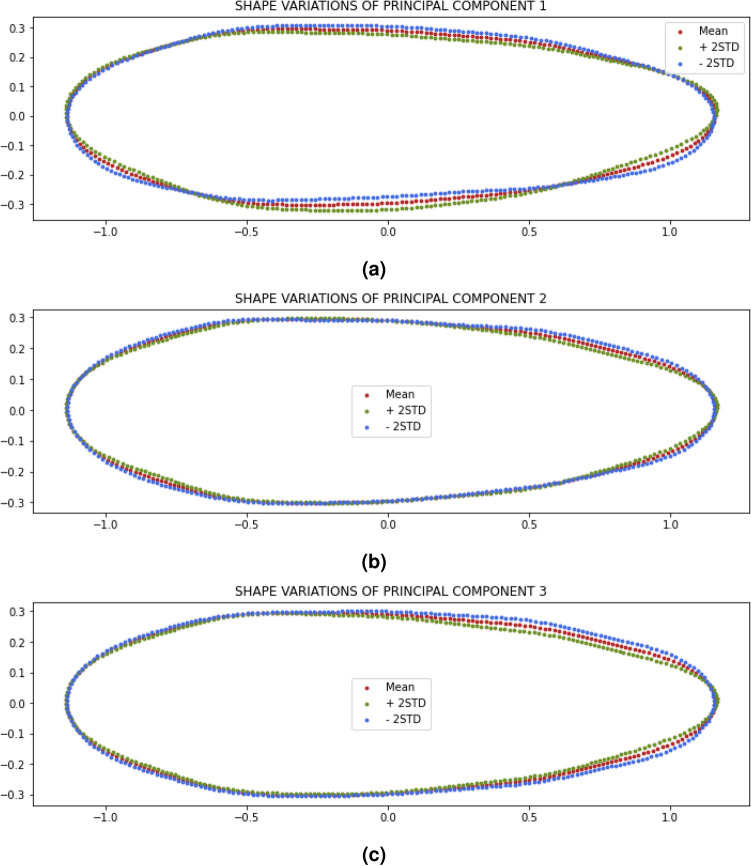
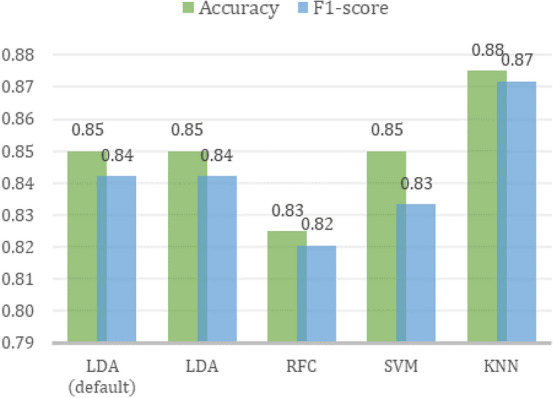
Dengue hemorrhagic fever is a worldwide epidemic caused by dengue virus and spread by infected female mosquitoes. The two main mosquito species vectors of the dengue virus are Aedes aegypti and Aedes albopictus. Conventionally, the identification of these two species' egg is time-consuming which makes vector control more difficult. However, although attempts on efficiency improvements by providing automatic identification have been conducted, the earliest stage is at the larval stage. In addition, there are currently no studies on classifying to distinguish the two vectors during the egg stage based on their digital image. A total of 140 egg images of Aedes aegypti and Aedes albopictus were collected and validated by rearing them individually to become adult mosquitoes. Image processing and elliptic Fourier analysis were carried out to extract and describe the shape difference of the two vectors' eggs. Machine learning algorithms were then used to classify the shape signatures. Morphometrically, the two species' eggs were significantly different, which Aedes albopictus were smaller in size. Egg-shape contour reconstructions of principal components and Multivariate Analysis of Variance (MANOVA) revealed that there is a significant difference (p value [Formula: see text]) in shape between two species' eggs at the posterior end. Based on Wilk's lambda of the MANOVA results, the classification could be done using only the first 3 principal components. Classification of the test data yielded an accuracy of 85.00% and F1 score 84.21% with Linear Discriminant Analysis applying default hyperparameter. Alternatively, k-Nearest Neighbors with optimal hyperparameter yielded a higher classification result with 87.50% and 87.18% of accuracy and F1 score, respectively. These results demonstrate that the proposed method can be used to classify Aedes aegypti and Aedes albopictus eggs based on their digital image. This method provides a foundation for improving the identification and surveillance of the two vectors and decision making in developing vector control strategies.
登革出血热是由登革病毒引起的世界性流行疾病,通过受感染的雌性蚊子传播。登革病毒的两种主要媒介蚊子是埃及伊蚊和白纹伊蚊。传统上,这两种蚊子的卵的鉴定既费时又费力,这使得病媒控制更加困难。然而,尽管已经尝试通过提供自动识别来提高效率,但最早的阶段是在幼虫阶段。此外,目前还没有研究基于数字图像在卵期对这两种媒介进行分类以区分它们。总共收集了 140 个埃及伊蚊和白纹伊蚊的卵图像,并通过单独饲养成成蚊来进行个体验证。进行图像处理和椭圆傅立叶分析,以提取和描述两种媒介卵的形状差异。然后使用机器学习算法对形状特征进行分类。从形态学上看,这两种蚊子的卵有明显的区别,白纹伊蚊的卵更小。主成分和多元方差分析(MANOVA)的卵形轮廓重建表明,两种蚊子卵后端的形状有显著差异(p 值[公式:见正文])。基于 MANOVA 结果的 Wilk's lambda,仅使用前 3 个主成分即可进行分类。对测试数据的分类准确率为 85.00%,F1 得分为 84.21%,线性判别分析应用默认超参数。或者,k-最近邻,使用最佳超参数,分类结果分别为 87.50%和 87.18%的准确率和 F1 得分。这些结果表明,该方法可用于根据数字图像对埃及伊蚊和白纹伊蚊的卵进行分类。该方法为提高两种媒介的识别和监测能力以及制定病媒控制策略提供了基础。