Jellinger Kurt A
Institute of Clinical Neurobiology, Alberichgasse 5/13, A-1150 Vienna, Austria.
Int J Mol Sci. 2023 Sep 27;24(19):14647. doi: 10.3390/ijms241914647.
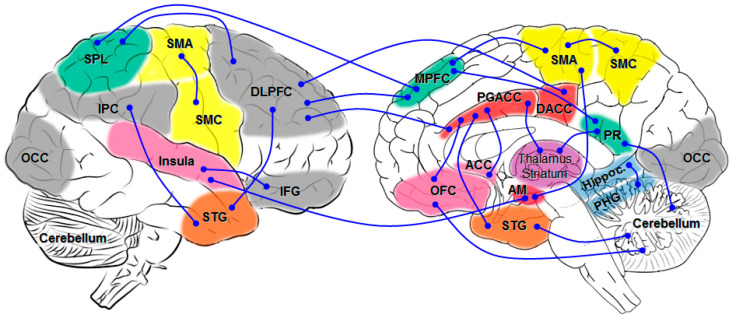
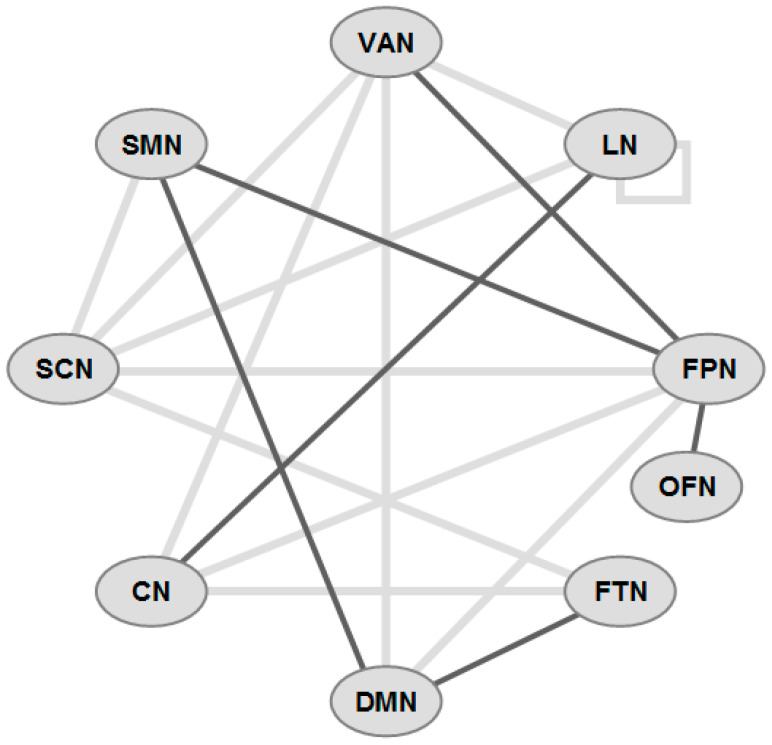
Cognitive dysfunction is an important non-motor symptom in amyotrophic lateral sclerosis (ALS) that has a negative impact on survival and caregiver burden. It shows a wide spectrum ranging from subjective cognitive decline to frontotemporal dementia (FTD) and covers various cognitive domains, mainly executive/attention, language and verbal memory deficits. The frequency of cognitive impairment across the different ALS phenotypes ranges from 30% to 75%, with up to 45% fulfilling the criteria of FTD. Significant genetic, clinical, and pathological heterogeneity reflects deficits in various cognitive domains. Modern neuroimaging studies revealed frontotemporal degeneration and widespread involvement of limbic and white matter systems, with hypometabolism of the relevant areas. Morphological substrates are frontotemporal and hippocampal atrophy with synaptic loss, associated with TDP-43 and other co-pathologies, including tau deposition. Widespread functional disruptions of motor and extramotor networks, as well as of frontoparietal, frontostriatal and other connectivities, are markers for cognitive deficits in ALS. Cognitive reserve may moderate the effect of brain damage but is not protective against cognitive decline. The natural history of cognitive dysfunction in ALS and its relationship to FTD are not fully understood, although there is an overlap between the ALS variants and ALS-related frontotemporal syndromes, suggesting a differential vulnerability of motor and non-motor networks. An assessment of risks or the early detection of brain connectivity signatures before structural changes may be helpful in investigating the pathophysiological mechanisms of cognitive impairment in ALS, which might even serve as novel targets for effective disease-modifying therapies.
认知功能障碍是肌萎缩侧索硬化症(ALS)的一种重要非运动症状,对患者生存及照料者负担均有负面影响。其表现范围广泛,从主观认知衰退到额颞叶痴呆(FTD),涵盖多个认知领域,主要为执行/注意力、语言及言语记忆缺陷。不同ALS表型的认知障碍发生率在30%至75%之间,高达45%符合FTD标准。显著的遗传、临床及病理异质性反映出不同认知领域的缺陷。现代神经影像学研究显示额颞叶变性以及边缘系统和白质系统的广泛受累,相关区域代谢减低。形态学基础是额颞叶和海马萎缩伴突触丧失,与TDP-43及其他共病相关,包括tau沉积。运动和运动外网络以及额顶叶、额纹状体和其他连接的广泛功能破坏是ALS认知缺陷的标志。认知储备可能会减轻脑损伤的影响,但不能预防认知衰退。尽管ALS变异型与ALS相关的额颞叶综合征存在重叠,提示运动和非运动网络的易损性不同,但ALS认知功能障碍的自然史及其与FTD的关系尚未完全明确。在结构改变之前评估风险或早期检测脑连接特征可能有助于研究ALS认知障碍的病理生理机制,这甚至可能成为有效的疾病修饰疗法的新靶点。