Department of Osteopathic Medicine, New York Institute of Technology, College of Osteopathic Medicine (NYITCOM), Old Westbury, NY 11568, USA.
School of Physical and Occupational Therapy, Faculty of Medicine, McGill University, Montreal, QC H3A 0G4, Canada.
Int J Environ Res Public Health. 2023 Sep 28;20(19):6855. doi: 10.3390/ijerph20196855.
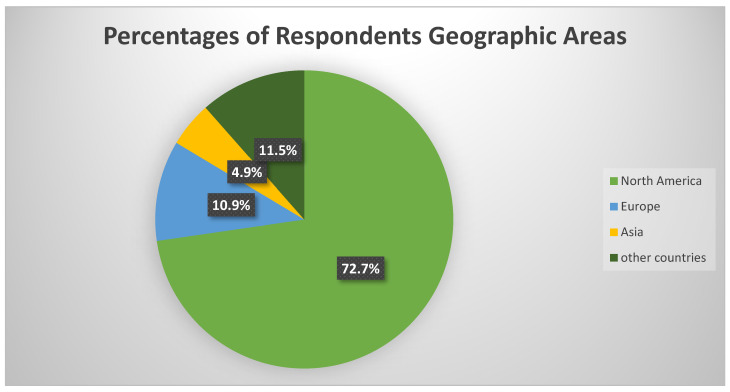
The onset of COVID-19 coincided with the peak growth of video game usage, with 2.7 billion gamers in 2020. During the pandemic, gaming and streaming platforms offered an entertaining, social, and safe alternative to recreation during severe lockdowns and social isolations. This study aimed to examine the impact of the COVID-19 pandemic on health-related outcomes in self-proclaimed video gamers based on the type of lockdown experienced and to discuss the potential role of video games during times of preventive lockdown measures. This was a cross-sectional international survey constructed by two academic institutions, NYIT (NY, USA) and McGill University (Montreal, Canada), and Adamas Esports (BC, Canada). The survey consisted of questions including demographics, multiple choice, ratings, and Likert scales relating to the periods prior to and during the COVID-19 lockdowns. There were 897 respondents from North America (72.7%), Europe (10.9%), Asia (4.9%), and other countries (11.5%), with a mean age of 22 years. Significant increases in game time were reported in casual and competitive gamers during the first months of the pandemic. The level of gaming, type of lockdown, and physical activity level prior to the pandemic were examined as potential moderating factors. Significant increases in sedentary behaviors (video game time and sitting time) were observed, while physical activity levels remained unchanged in most participants, regardless of the type of lockdown. Sleep time, but not sleep quality, increased, while mental health exhibited opposing effects, influenced by the type of lockdown and gaming competition levels. Video games, when played moderately, could offer a cost-effective, safe strategy to promote socialization and mental health and improve the overall well-being of the non-gaming and gaming population during pandemic times when strict lockdowns are in place.
新冠疫情的爆发恰逢视频游戏使用量的高峰期,2020 年有 27 亿游戏玩家。在大流行期间,游戏和流媒体平台为在严格封锁和社交隔离期间提供了一种娱乐、社交和安全的替代娱乐方式。本研究旨在根据经历的封锁类型,检查新冠疫情对自称游戏玩家的健康相关结果的影响,并讨论在预防封锁措施期间视频游戏的潜在作用。这是由纽约理工学院(美国纽约)和麦吉尔大学(加拿大蒙特利尔)和 Adamas Esports(加拿大不列颠哥伦比亚省)这两个学术机构共同构建的一项国际横断面调查。该调查包括问题,包括人口统计学、多项选择、评分和与新冠疫情封锁之前和期间相关的李克特量表。共有来自北美(72.7%)、欧洲(10.9%)、亚洲(4.9%)和其他国家(11.5%)的 897 名受访者,平均年龄为 22 岁。在大流行的头几个月,休闲和竞技游戏玩家的游戏时间显著增加。研究了大流行前的游戏水平、封锁类型和身体活动水平作为潜在的调节因素。观察到久坐行为(游戏时间和坐姿时间)显著增加,而大多数参与者的身体活动水平保持不变,无论封锁类型如何。睡眠时间增加,但睡眠质量没有增加,而心理健康则表现出相反的影响,受封锁类型和游戏竞争水平的影响。在严格封锁的大流行期间,适度玩游戏可能是一种具有成本效益、安全的策略,可以促进社交和心理健康,并提高非游戏和游戏人群的整体幸福感。