Jing Xiaoyan, Gong Yanhai, Xu Teng, Davison Paul A, MacGregor-Chatwin Craig, Hunter C Neil, Xu La, Meng Yu, Ji Yuetong, Ma Bo, Xu Jian, Huang Wei E
Single-Cell Center, CAS Key Laboratory of Biofuels, Shandong Key Laboratory of Energy Genetics and Shandong Institute of Energy Research, Qingdao Institute of Bioenergy and Bioprocess Technology, Chinese Academy of Sciences, Qingdao, Shandong, China.
Laboratory for Marine Biology and Biotechnology, Qingdao National Laboratory for Marine Science and Technology, Qingdao, Shandong, China.
Biodes Res. 2022 Oct 13;2022:9782712. doi: 10.34133/2022/9782712. eCollection 2022.
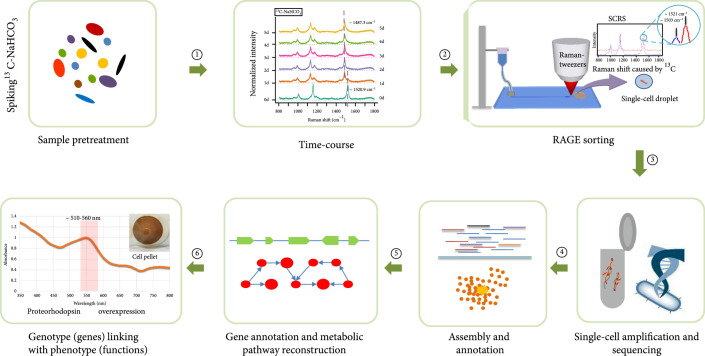
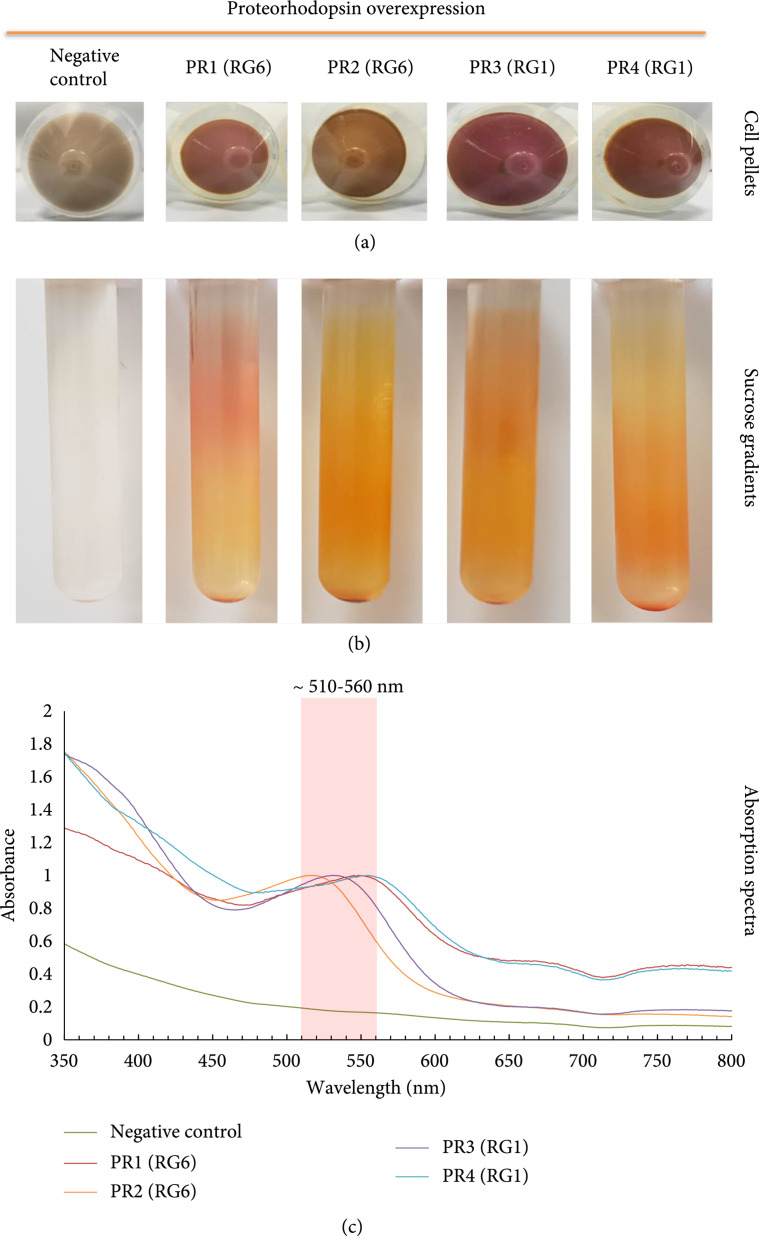
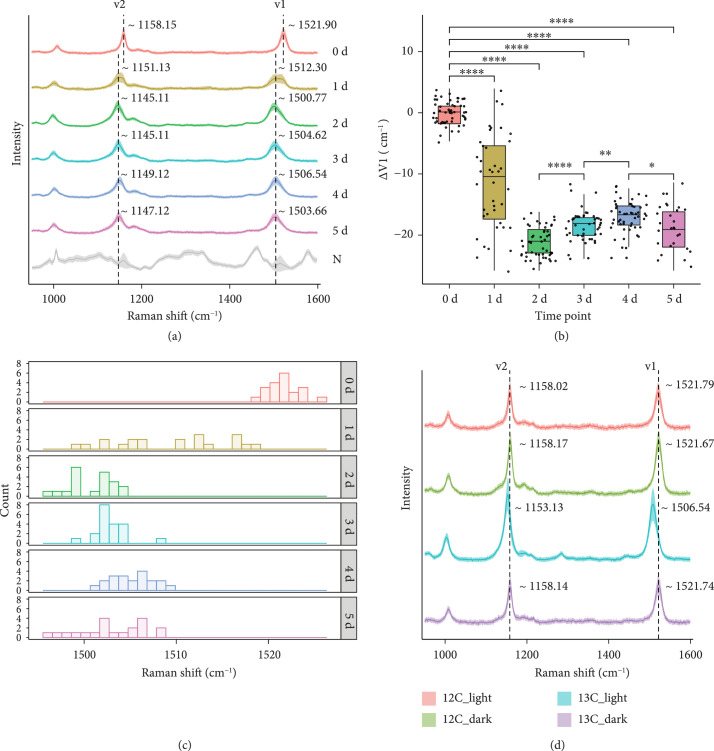
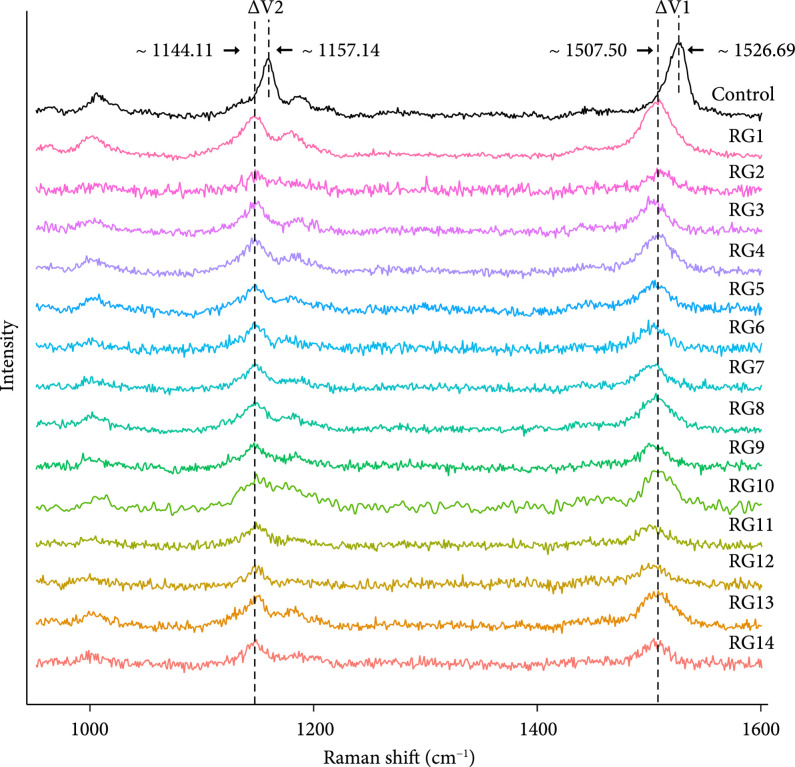
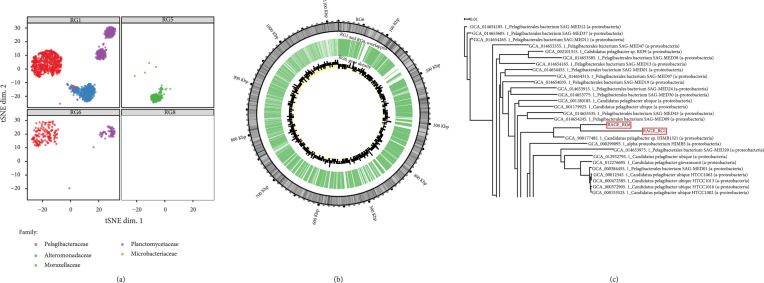
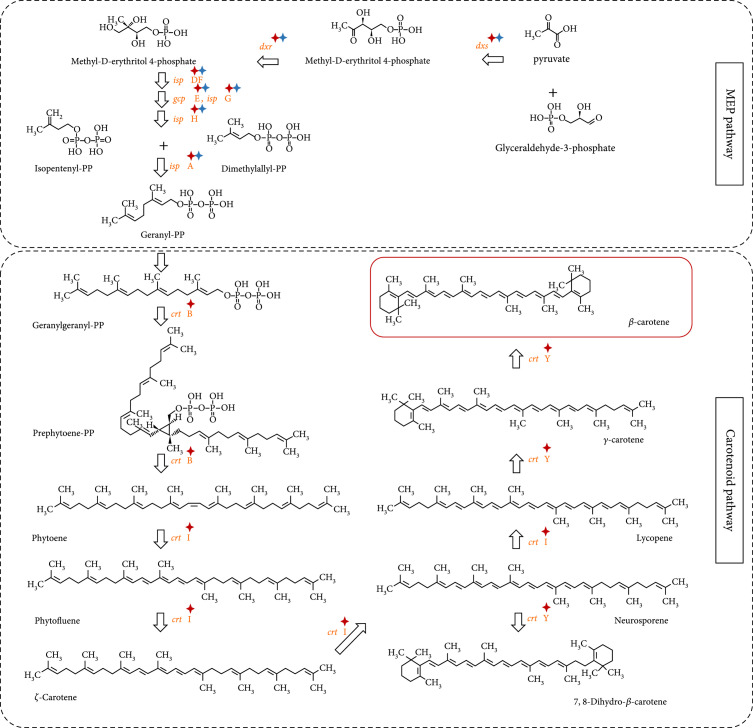
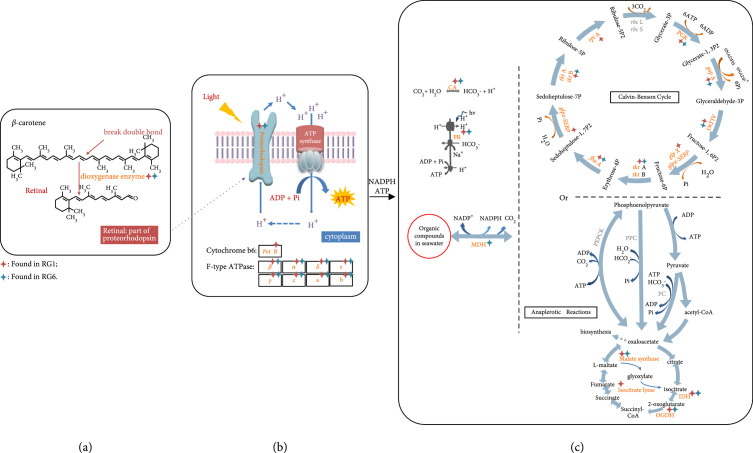
The majority of marine microbes remain uncultured, which hinders the identification and mining of CO-fixing genes, pathways, and chassis from the oceans. Here, we investigated CO-fixing microbes in seawater from the euphotic zone of the Yellow Sea of China by detecting and tracking their C-bicarbonate (C-HCO) intake via single-cell Raman spectra (SCRS) analysis. The target cells were then isolated by Raman-activated Gravity-driven Encapsulation (RAGE), and their genomes were amplified and sequenced at one-cell resolution. The single-cell metabolism, phenotype and genome are consistent. We identified a not-yet-cultured spp., which actively assimilates C-HCO, and also possesses most of the genes encoding enzymes of the Calvin-Benson cycle for CO fixation, a complete gene set for a rhodopsin-based light-harvesting system, and the full genes necessary for carotenoid synthesis. The four proteorhodopsin (PR) genes identified in the spp. were confirmed by heterologous expression in . These results suggest that hitherto uncultured spp. uses light-powered metabolism to contribute to global carbon cycling.
大多数海洋微生物仍未得到培养,这阻碍了对海洋中固定碳基因、途径和底盘的鉴定与挖掘。在此,我们通过单细胞拉曼光谱(SCRS)分析检测并追踪中国黄海真光层海水中固定碳的微生物对碳碳酸氢盐(C-HCO)的摄取,从而对其展开研究。然后通过拉曼激活重力驱动封装(RAGE)分离目标细胞,并在单细胞分辨率下对其基因组进行扩增和测序。单细胞的代谢、表型和基因组是一致的。我们鉴定出一种尚未培养的物种,它能积极同化C-HCO,还拥有大部分编码卡尔文-本森循环中用于固定碳的酶的基因、一套完整的基于视紫红质的光捕获系统基因以及类胡萝卜素合成所需的全部基因。在该物种中鉴定出的四个视紫红质(PR)基因通过在[具体物种]中的异源表达得到了证实。这些结果表明,迄今为止未培养的该物种利用光驱动代谢对全球碳循环做出贡献。