Department of Community Health Sciences, Boston University School of Public Health, Boston, MA, USA.
Department of Health Policy and Management, Harvard T.H. Chan School of Public Health, Boston, MA, USA.
Transl Behav Med. 2024 Feb 23;14(3):156-171. doi: 10.1093/tbm/ibad061.
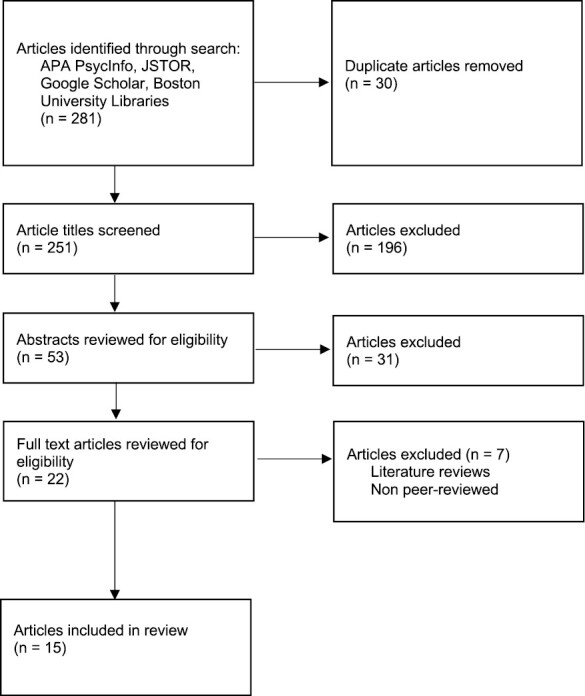
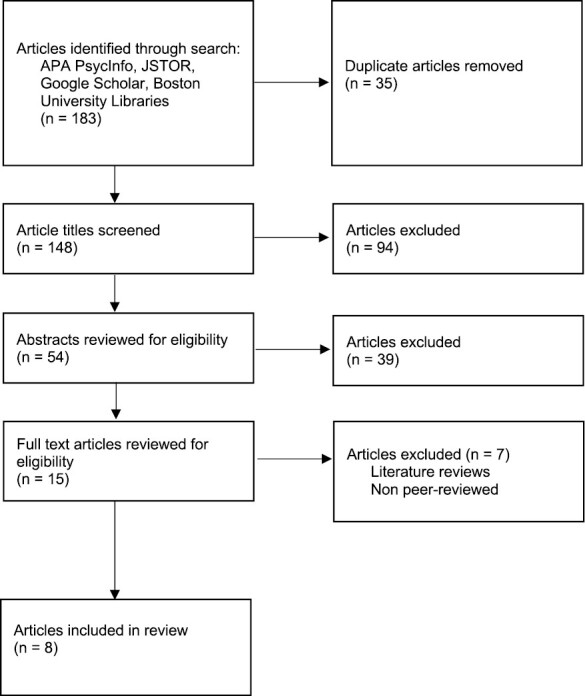
A growing number of organizations are prioritizing diversity, equity, and inclusion (DEI) and antiracism in the workplace, including investing resources in DEI or antiracism training. However, such trainings vary widely in curriculum, objectives, delivery, and evaluation, with little known about the efficacy of existing trainings. The aim of this systematic review is to evaluate training characteristics, measures, and results of peer-reviewed studies (published between 2000 and 2022) testing DEI or antiracism trainings. Studies were identified using Google Scholar, JSTOR, and a university library database. Key search terms included "diversity, equity, and inclusion training"; "antiracism training"; and "effect," "impact," "outcome," or "evaluation." The search yielded N = 15 DEI training studies and N = 8 antiracism training studies. The majority of studies (75% of antiracism training; 66.6% of DEI training) utilized a one-time training session. Content, objectives, measures, and impact varied widely across studies. Randomized designs were uncommon (13%), and over 70% of studies had majority female participants. Findings highlight several strategies to advance the field of DEI and antiracism training, such as shifting curriculum from targeting individual knowledge to supporting behavioral and organizational change, providing longitudinal training, standardizing outcomes of interest, and implementing rigorous evaluation methods.
越来越多的组织将多样性、公平性和包容性(DEI)以及反种族主义置于工作场所的优先地位,包括投入资源进行 DEI 或反种族主义培训。然而,这些培训在课程、目标、交付和评估方面差异很大,对于现有培训的效果知之甚少。本系统评价旨在评估同行评审研究(发表于 2000 年至 2022 年之间)中测试 DEI 或反种族主义培训的培训特点、措施和结果。使用 Google Scholar、JSTOR 和大学图书馆数据库来识别研究。主要搜索词包括“多样性、公平性和包容性培训”;“反种族主义培训”;以及“效果”、“影响”、“结果”或“评估”。搜索结果得到 N = 15 项 DEI 培训研究和 N = 8 项反种族主义培训研究。大多数研究(75%的反种族主义培训;66.6%的 DEI 培训)采用了一次性培训课程。内容、目标、措施和影响在研究中差异很大。随机设计很少见(13%),超过 70%的研究参与者主要是女性。研究结果强调了一些推进 DEI 和反种族主义培训领域的策略,例如将课程从针对个人知识转变为支持行为和组织变革,提供纵向培训,标准化感兴趣的结果,以及实施严格的评估方法。