Gareev Ilgiz, Beylerli Ozal, Tamrazov Rasim, Ilyasova Tatiana, Shumadalova Alina, Du Weijie, Yang Baofeng
Department of Pharmacology (The State-Province Key Laboratories of Biomedicine Pharmaceutics of China, Key Laboratory of Cardiovascular Research, Ministry of Education), College of Pharmacy, 150067, Harbin Medical University, Harbin, China.
Translational Medicine Research and Cooperation Center of Northern China, Heilongjiang Academy of Medical Sciences, Harbin, 150081, PR China.
Noncoding RNA Res. 2023 Oct 7;8(4):661-674. doi: 10.1016/j.ncrna.2023.10.002. eCollection 2023 Dec.
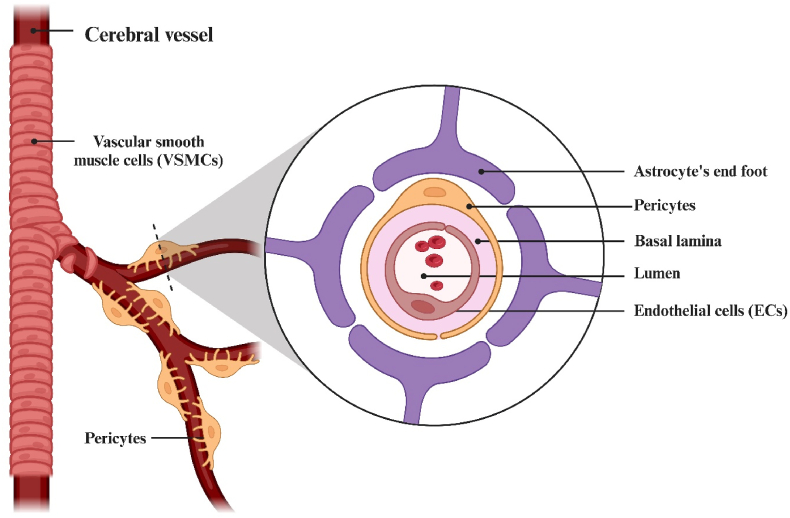
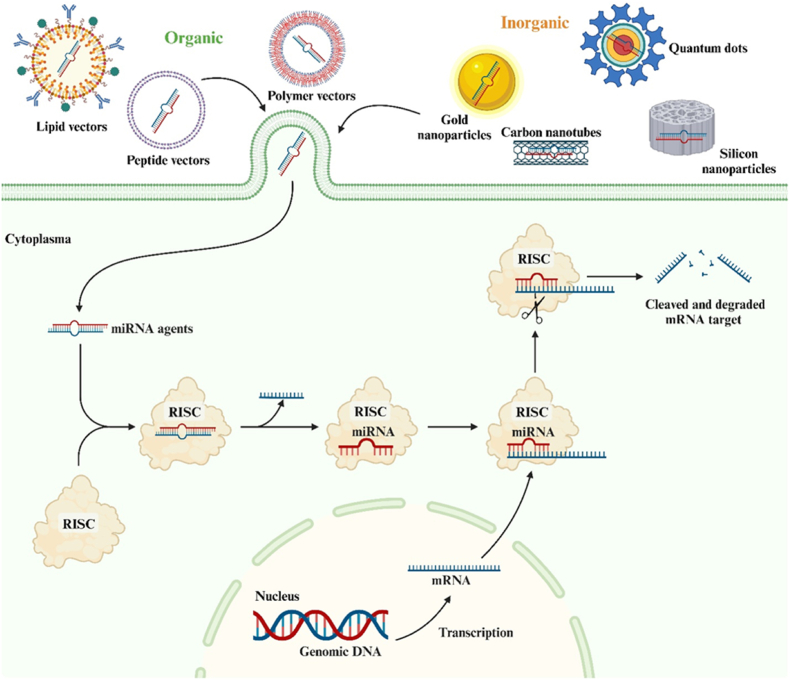
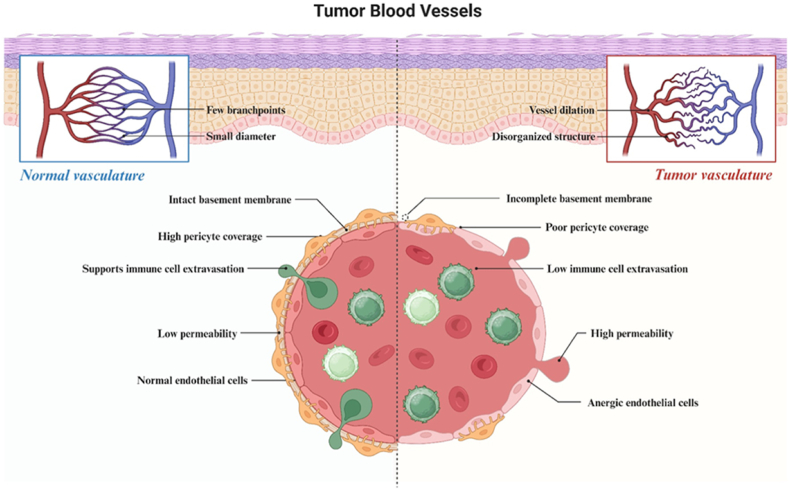
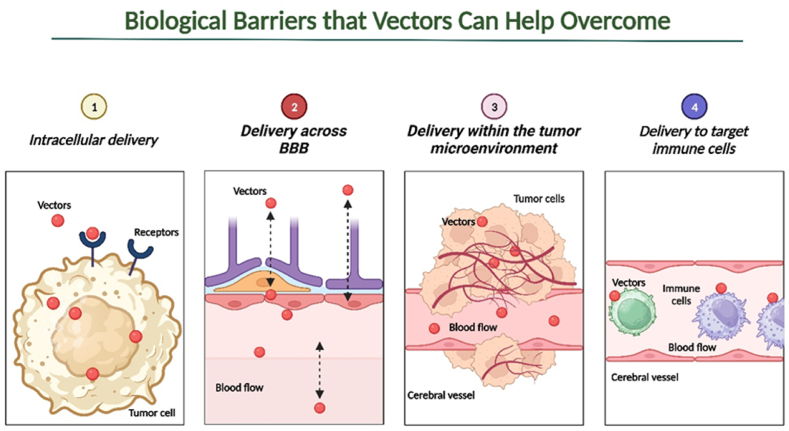
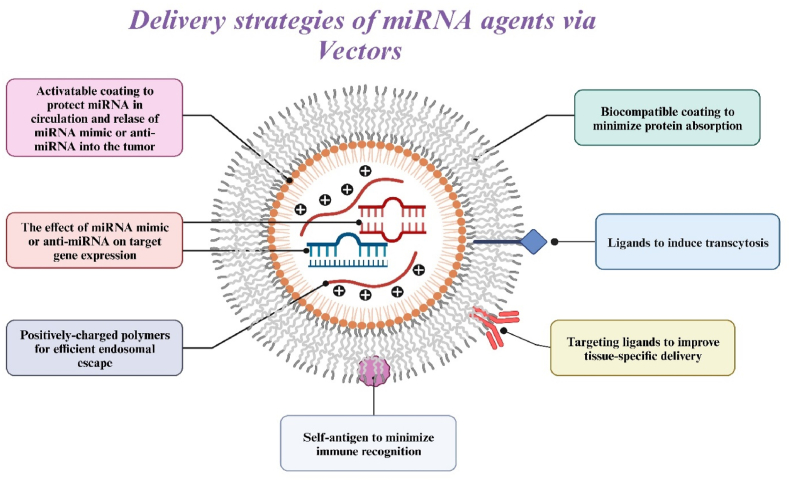
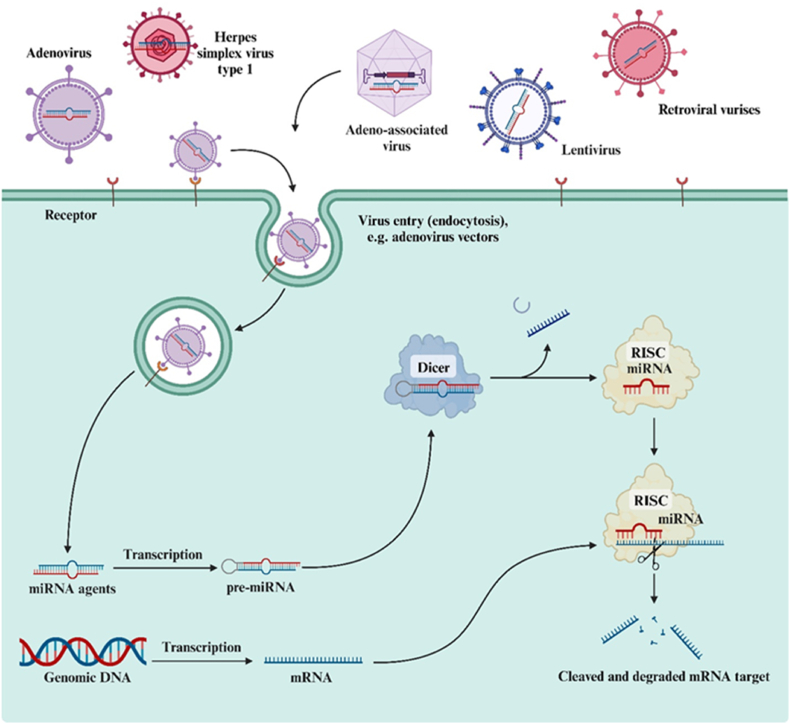
In the current phase of medical progress, practical neuro-oncology faces critical challenges. These include the quest for and development of innovative methodological approaches, as well as the enhancement of conventional therapies to boost their efficacy in treating brain tumors, especially the malignant varieties. Recent strides in molecular and cellular biology, molecular genetics, and immunology have charted the primary research pathways in the development of new anti-cancer medications, with a particular focus on microRNA (miRNA)-based therapy. MiRNAs possess the ability to function as suppressors of tumor growth while also having the potential to act as oncogenes. MiRNAs wield control over numerous processes within the human body, encompassing tumor growth, proliferation, invasion, metastasis, apoptosis, angiogenesis, and immune responses. A significant impediment to enhancing the efficacy of brain tumor treatment lies in the unresolved challenge of traversing the blood-brain barrier (BBB) and blood-tumor barrier (BTB) to deliver therapeutic agents directly to the tumor tissue. Presently, there is a worldwide effort to conduct intricate research and design endeavors aimed at creating miRNA-based dosage forms and delivery systems that can effectively target various structures within the central nervous system (CNS). MiRNA-based therapy stands out as one of the most promising domains in neuro-oncology. Hence, the development of efficient and safe methods for delivering miRNA agents to the specific target cells within brain tumors is of paramount importance. In this study, we will delve into recent findings regarding various methods for delivering miRNA agents to brain tumor cells. We will explore the advantages and disadvantages of different delivery systems and consider some clinical aspects of miRNA-based therapy for brain tumors.
在医学发展的当前阶段,实用神经肿瘤学面临着严峻挑战。这些挑战包括寻求和开发创新的方法,以及改进传统疗法以提高其治疗脑肿瘤(尤其是恶性肿瘤)的疗效。分子与细胞生物学、分子遗传学和免疫学的最新进展为新型抗癌药物的研发指明了主要研究方向,其中特别关注基于微小RNA(miRNA)的疗法。miRNA既能作为肿瘤生长的抑制因子,也可能发挥癌基因的作用。miRNA控制着人体内的众多过程,包括肿瘤生长、增殖、侵袭、转移、凋亡、血管生成和免疫反应。提高脑肿瘤治疗效果的一个重大障碍是,如何跨越血脑屏障(BBB)和血肿瘤屏障(BTB),将治疗药物直接输送到肿瘤组织,这一难题尚未解决。目前,全球范围内都在进行深入的研究和设计工作,旨在创建基于miRNA的剂型和给药系统,以有效靶向中枢神经系统(CNS)内的各种结构。基于miRNA的疗法是神经肿瘤学中最具前景的领域之一。因此,开发高效、安全的方法,将miRNA药物输送到脑肿瘤内的特定靶细胞至关重要。在本研究中,我们将深入探讨有关将miRNA药物输送到脑肿瘤细胞的各种方法的最新研究成果。我们将探讨不同给药系统的优缺点,并考虑基于miRNA的脑肿瘤治疗的一些临床方面。