Zhang Yan, Zhou Mingrui, Sun Jie
Breast Disease Diagnosis and Treatment Center, Central Hospital Affiliated to Shandong First Medical University, Jinan, PR China.
Gastrointestinal Surgery Department I, Shandong Provincial Third Hospital, Jinan, PR China.
Heliyon. 2023 Oct 7;9(10):e20798. doi: 10.1016/j.heliyon.2023.e20798. eCollection 2023 Oct.
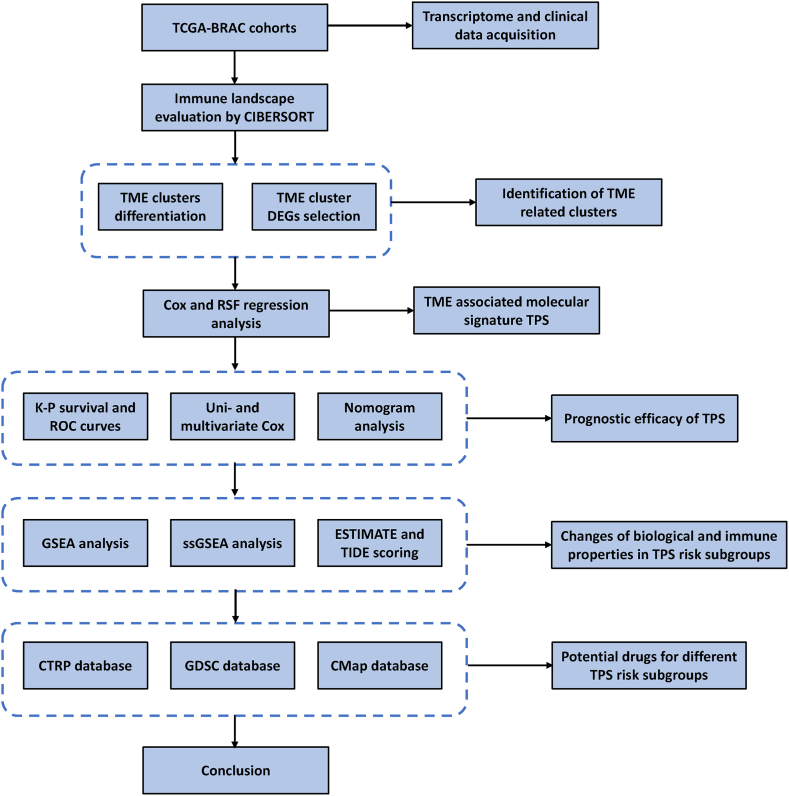
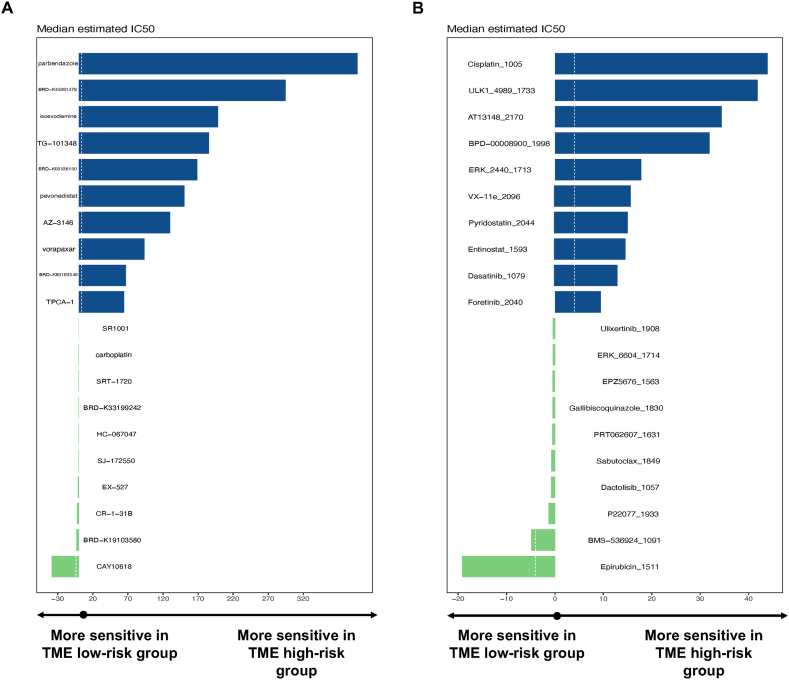
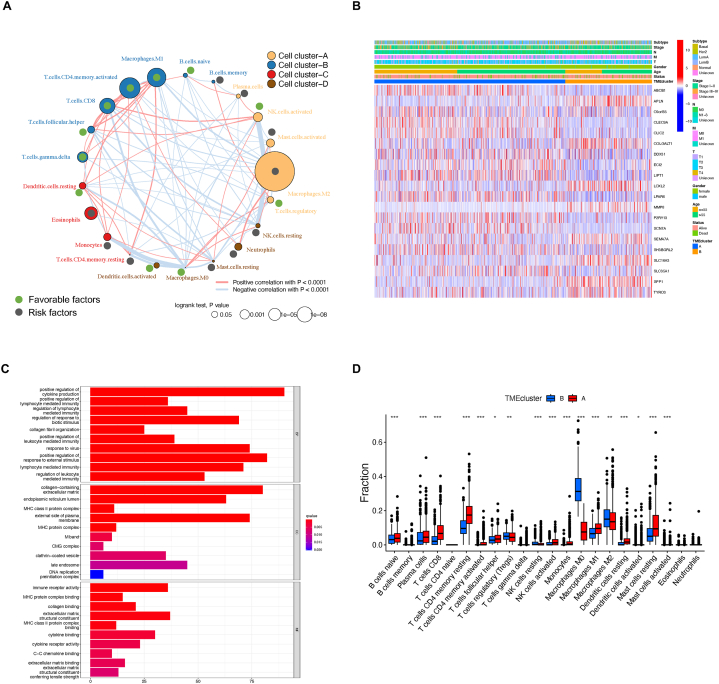
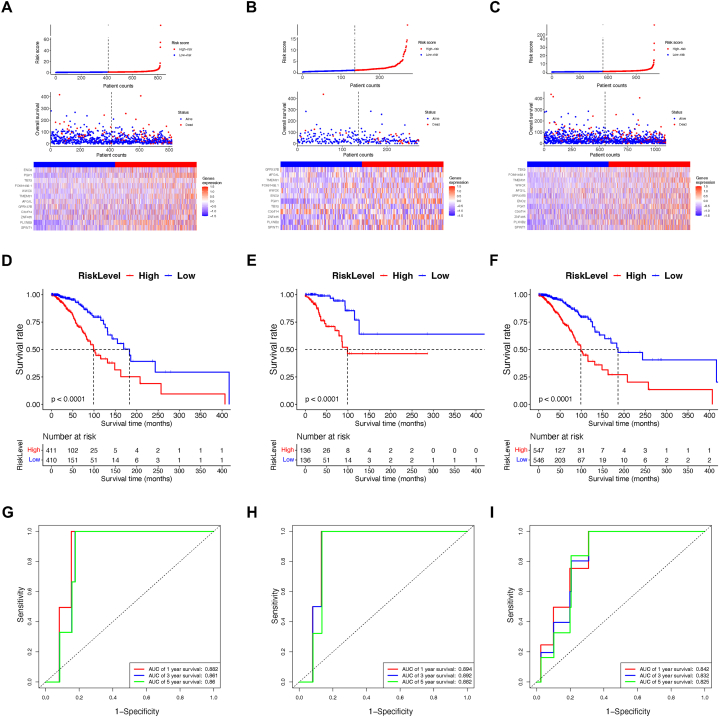
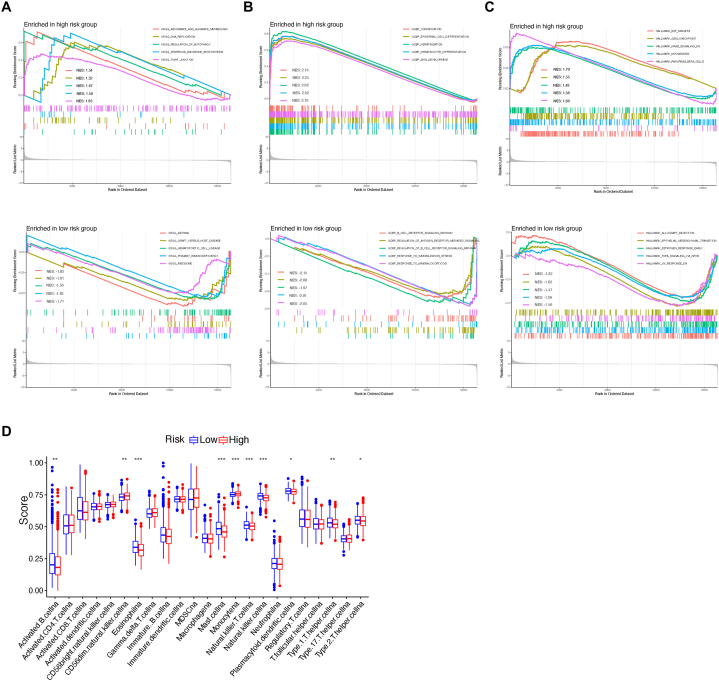
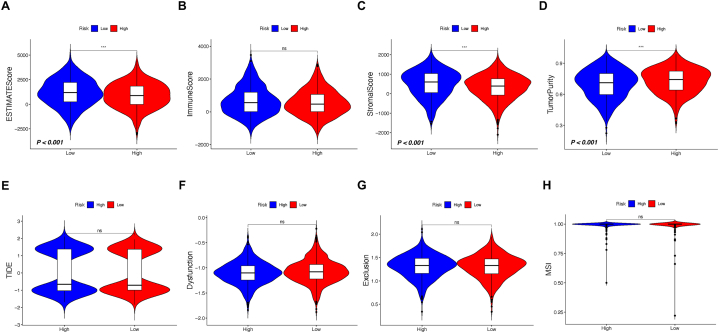
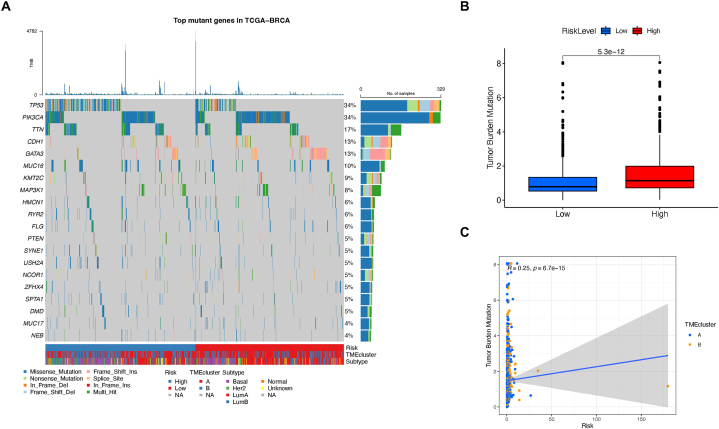
Tumor microenvironment (TME) is closely correlated to the occurrence and progression of breast cancer, however its potentiality in assisting diagnosis and therapeutic decision remains unclear. Therefore, the major aim of this study is to explore the prognostic value of TME related gene in breast cancer. Expression matrices and clinical data of breast cancer obtained from public databases were divided into TME relevant clusters according to immune characterization. A 12-gene molecular classifier was generated through the utilization of differentially expressed genes identified between distinct Tumor Microenvironment (TME) clusters, coupled with correlative regression analysis. The performance of this TME-driven prognostic signature (TPS) were examined across both the training and validation cohorts. Furthermore, our study revealed that breast cancer cases classified as high-risk based on the TPS exhibited the phenotype with elevated immune cell infiltration, higher tumor mutational burden, and a notably worse overall prognostic outcome. To conclude, the novel TME-based TPS was able to serve as a superior prognosis indicator for breast cancer, alone or jointly with other clinical factors. Also, breast cancer patients belong to different risk subgroups of TPS were found potentially suitable for distinguished therapeutic agents, which might improve personalized treatment for breast cancer in the future.
肿瘤微环境(TME)与乳腺癌的发生和进展密切相关,但其在辅助诊断和治疗决策方面的潜力仍不明确。因此,本研究的主要目的是探讨TME相关基因在乳腺癌中的预后价值。从公共数据库获得的乳腺癌表达矩阵和临床数据根据免疫特征分为TME相关簇。通过利用不同肿瘤微环境(TME)簇之间鉴定出的差异表达基因,结合相关回归分析,生成了一个12基因分子分类器。在训练队列和验证队列中检验了这种TME驱动的预后特征(TPS)的性能。此外,我们的研究表明,基于TPS分类为高危的乳腺癌病例表现出免疫细胞浸润增加、肿瘤突变负担更高以及总体预后明显更差的表型。总之,基于TME的新型TPS能够单独或与其他临床因素一起作为乳腺癌的优良预后指标。此外,发现属于TPS不同风险亚组的乳腺癌患者可能适合使用不同的治疗药物,这可能在未来改善乳腺癌的个性化治疗。