Alenazi Sultan Daghafak
National Guard Health Affairs, Riyadh, Saudi Arabia.
Dermatol Reports. 2023 May 23;15(3):9678. doi: 10.4081/dr.2023.9678. eCollection 2023 Sep 12.
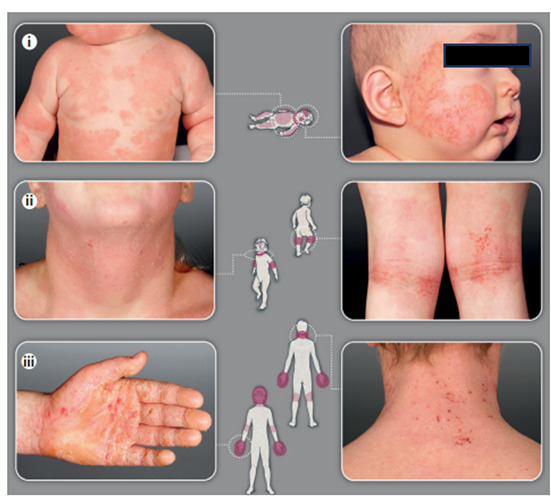
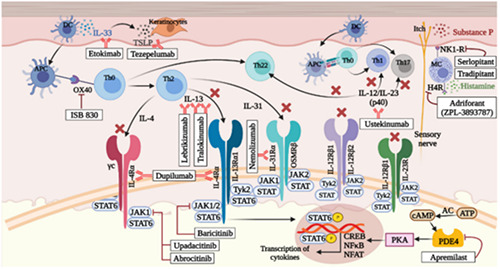
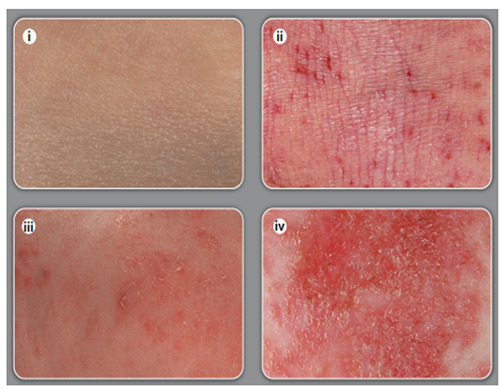
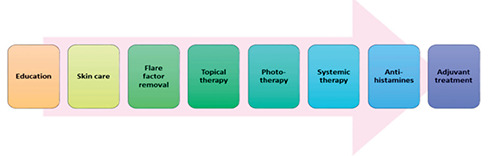
Atopic dermatitis (AD) is a common inflammatory skin disorder characterized by recurrent eczematous lesions and intense itching. The disorder affects people of all ages and ethnicities, has a substantial psychosocial impact on patients and relatives, and is the leading cause of the global burden of skin diseases. Atopic dermatitis is associated with an increased risk of multiple comorbidities, including food allergies, asthma, allergic rhinitis, and mental health disorders. The pathophysiology is complex and involves a strong genetic predisposition, epidermal dysfunction, and T-cell-driven inflammation. Although type-2 mechanisms are dominant, there is increasing evidence that the disorder involves multiple immune pathways. Until recently, the management of AD rested mainly on the judicious use of emollients, topical steroids, and topical calcineurin inhibitors in the majority of patients, and systemic immunosuppressants were advocated in severely diseased patients. However, in the last few years, new therapeutic strategies have been designed and developed to target the various steps in the chain of molecular events that lead to the AD phenotype. This review highlights the recent advancements in the management of AD.
特应性皮炎(AD)是一种常见的炎症性皮肤病,其特征为反复发作的湿疹样皮损和剧烈瘙痒。该疾病影响所有年龄和种族的人群,对患者及其亲属具有重大的心理社会影响,并且是全球皮肤疾病负担的主要原因。特应性皮炎与多种合并症的风险增加相关,包括食物过敏、哮喘、过敏性鼻炎和精神健康障碍。其病理生理学复杂,涉及强烈的遗传易感性、表皮功能障碍和T细胞驱动的炎症。尽管2型机制占主导,但越来越多的证据表明该疾病涉及多种免疫途径。直到最近,大多数患者的AD管理主要依赖于合理使用润肤剂、外用类固醇和外用钙调神经磷酸酶抑制剂,而重症患者则提倡使用全身免疫抑制剂。然而,在过去几年中,已经设计并开发了新的治疗策略,以针对导致AD表型的分子事件链中的各个步骤。本综述重点介绍了AD管理方面的最新进展。