Department of Obstetrics and Gynecology, University of Colorado, Anschutz Medical Campus, Aurora, CO, U.S.A.
Institute for Biogenesis Research, University of Hawaii, Honolulu, HI, U.S.A.
Clin Sci (Lond). 2023 Nov 15;137(21):1651-1664. doi: 10.1042/CS20230490.
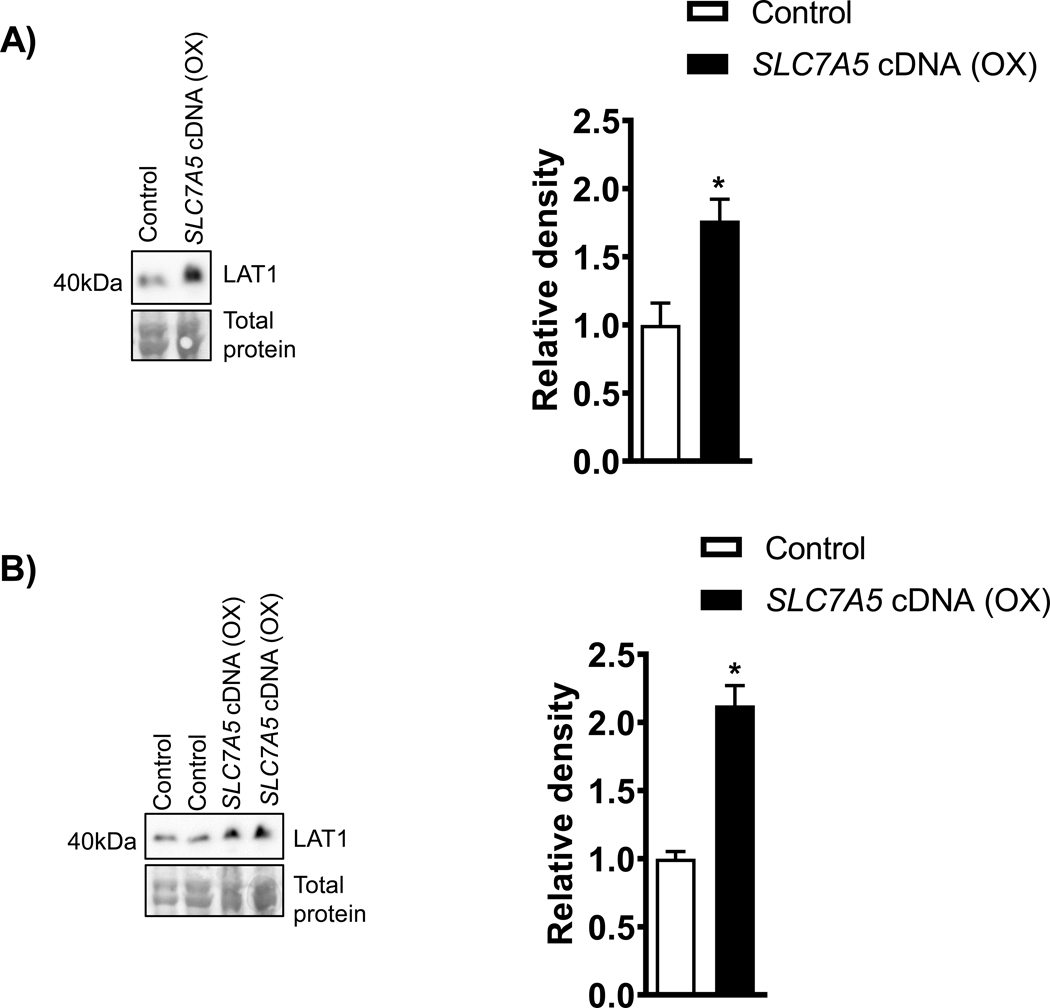
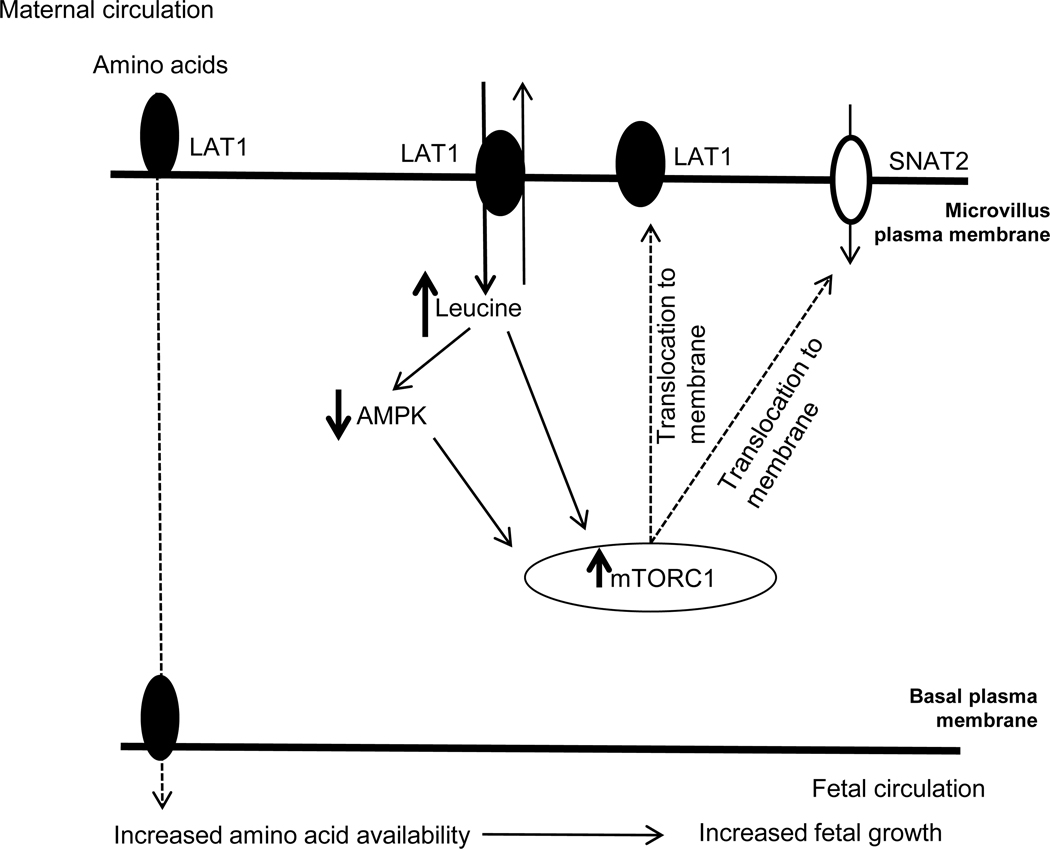
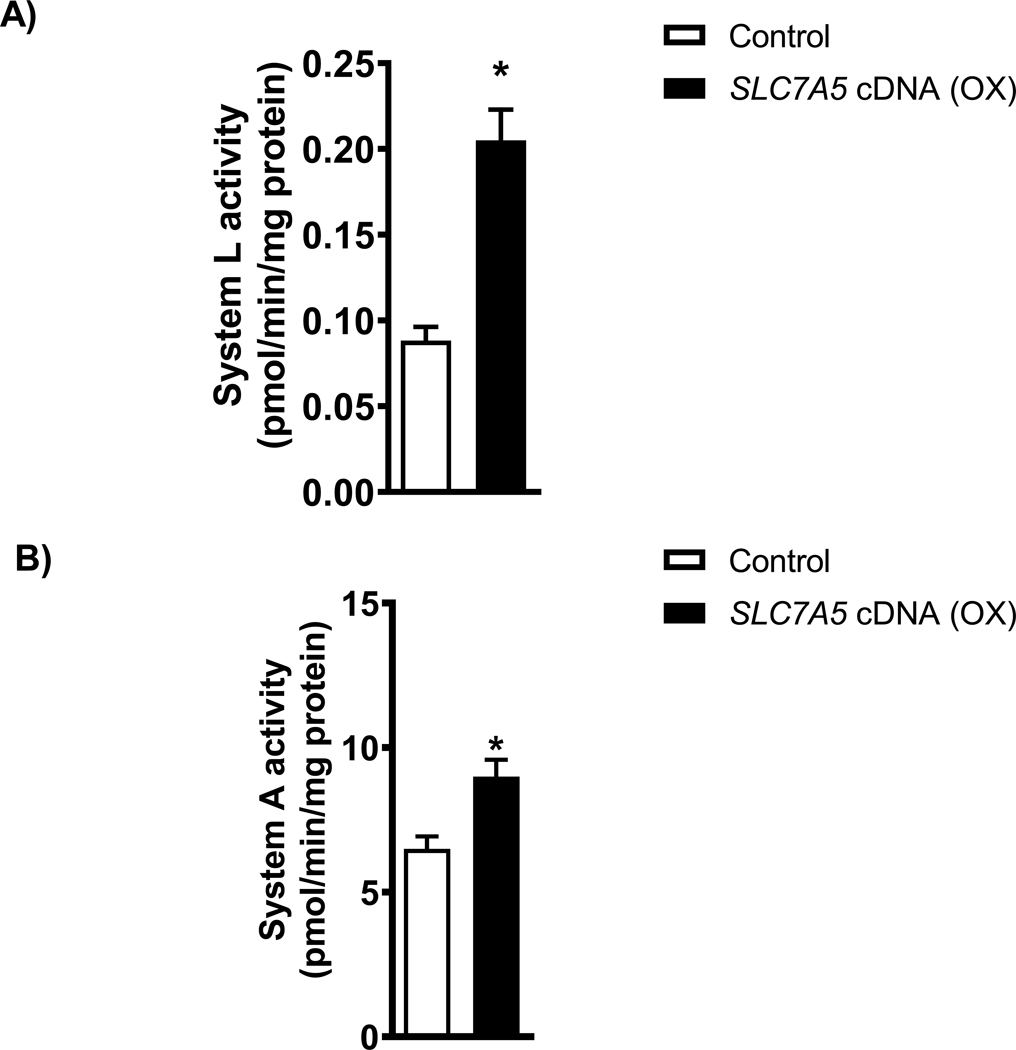
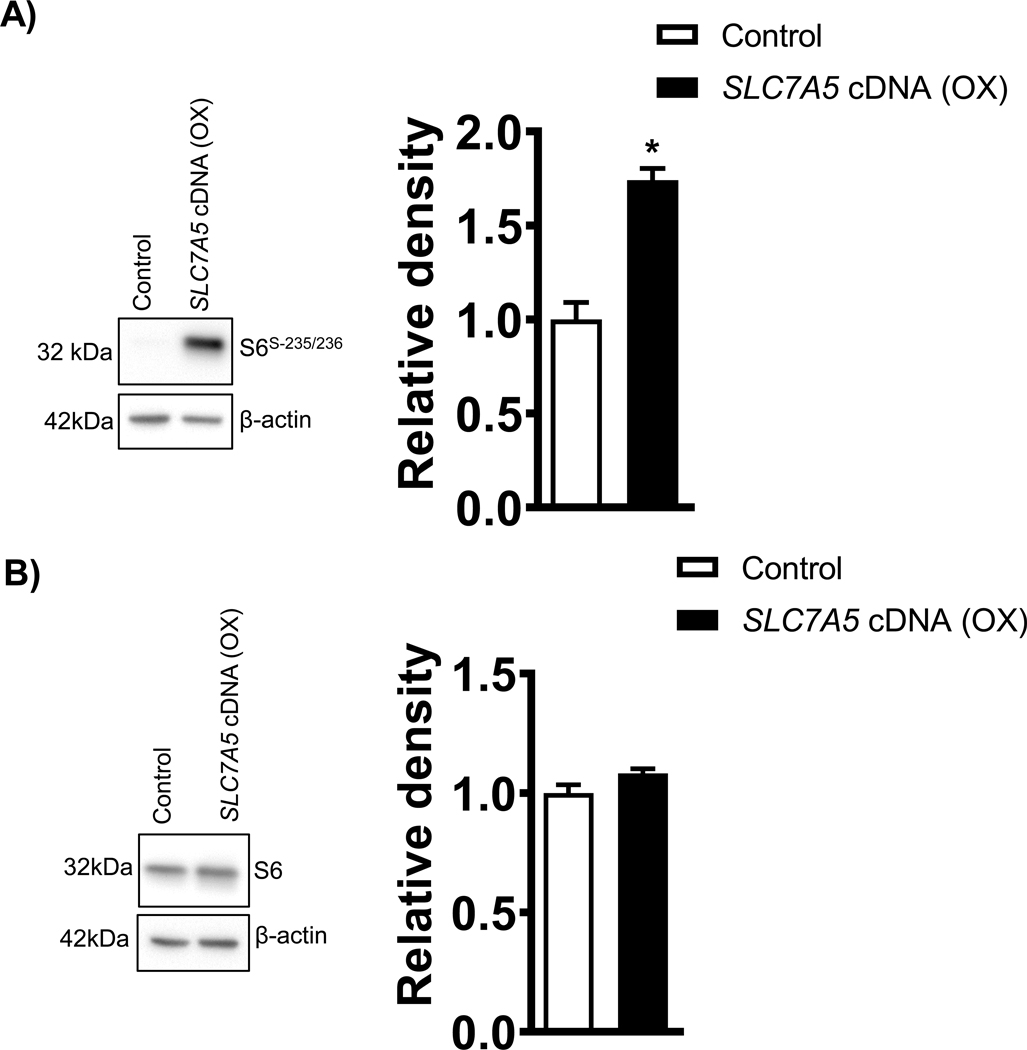
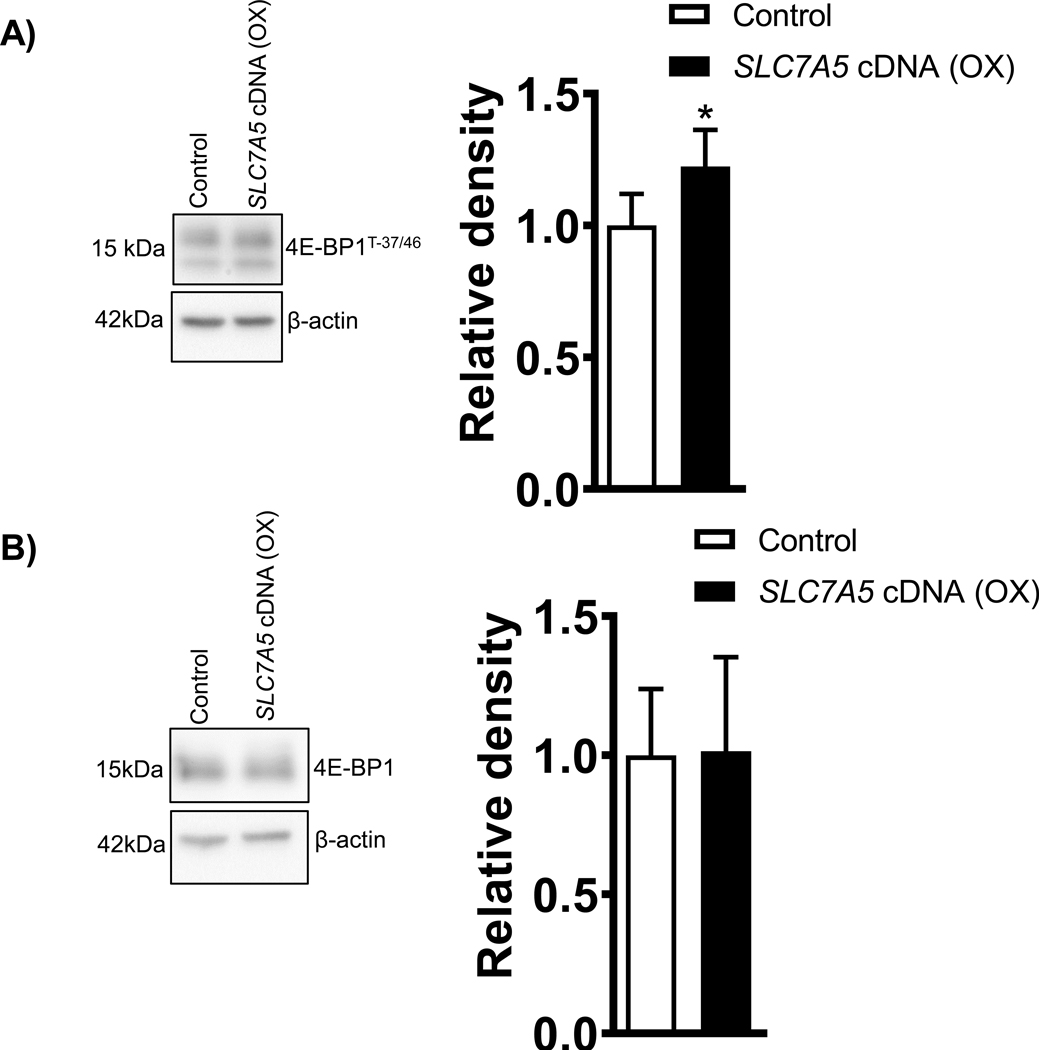
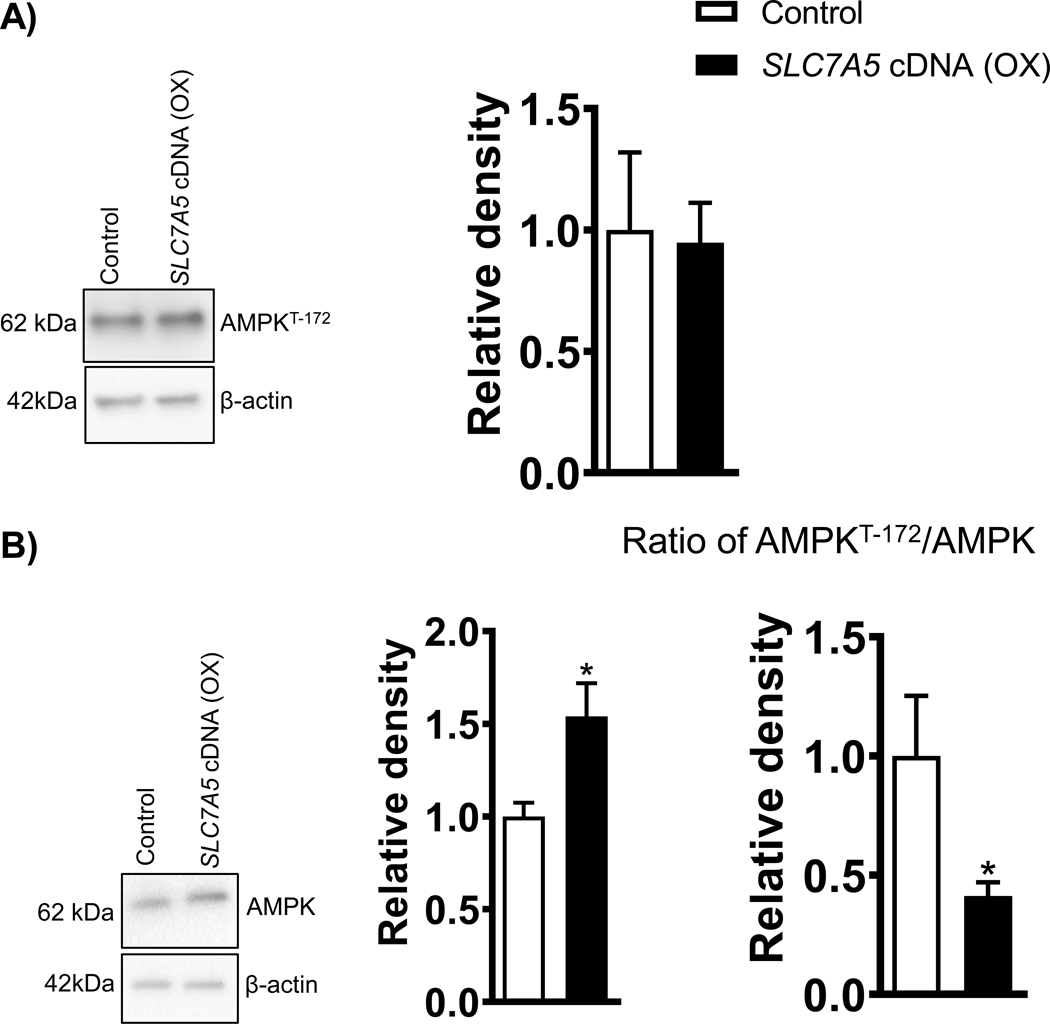
The System L amino acid transporter, particularly the isoform Large Neutral Amino Acid Transporter Small Subunit 1 (LAT1) encoded by SLC7A5, is believed to mediate the transfer of essential amino acids in the human placenta. Placental System L amino acid transporter expression and activity is decreased in pregnancies complicated by IUGR and increased in fetal overgrowth. However, it remains unknown if changes in the expression of LAT1 are mechanistically linked to System L amino acid transport activity. Here, we combined overexpression approaches with protein analysis and functional studies in cultured primary human trophoblast (PHT) cells to test the hypothesis that SLC7A5 overexpression increases the uptake of essential amino acids and activates mTOR signaling in PHT cells. Overexpression of SLC7A5 resulted in a marked increase in protein expression of LAT1 in the PHT cells microvillous plasma membrane and System L amino acid transporter activity. Moreover, mTOR signaling was activated, and System A amino acid transporter activity increased following SLC7A5 overexpression, suggesting coordination of trophoblast amino transporter expression and activity to ensure balanced nutrient flux to the fetus. This is the first report showing that overexpression of LAT1 is sufficient to increase the uptake of essential amino acids in PHT cells, which activates mTOR, a master regulator of placental function. The decreased placental System L activity in human IUGR and the increased placental activity of this transporter system in some cases of fetal overgrowth may directly contribute to changes in fetal amino acid availability and altered fetal growth in these pregnancy complications.
系统 L 氨基酸转运体,特别是由 SLC7A5 编码的大型中性氨基酸转运体小亚基 1(LAT1),被认为介导了人类胎盘对必需氨基酸的转运。在 IUGR 合并妊娠和胎儿过度生长的情况下,胎盘系统 L 氨基酸转运体的表达和活性降低。然而,目前尚不清楚 LAT1 的表达变化是否与系统 L 氨基酸转运活性在机制上有关。在这里,我们结合过表达方法和蛋白质分析以及在培养的原代人滋养层(PHT)细胞中的功能研究,来检验 SLC7A5 过表达是否会增加 PHT 细胞中必需氨基酸的摄取并激活 mTOR 信号通路的假设。SLC7A5 的过表达导致 PHT 细胞微绒毛质膜中 LAT1 的蛋白表达和系统 L 氨基酸转运体活性明显增加。此外,mTOR 信号通路被激活,SLC7A5 过表达后系统 A 氨基酸转运体活性增加,表明滋养层氨基酸转运体表达和活性的协调以确保向胎儿平衡营养通量。这是第一项表明过表达 LAT1 足以增加 PHT 细胞中必需氨基酸摄取的报告,这激活了 mTOR,mTOR 是胎盘功能的主要调节剂。在人类 IUGR 中,胎盘系统 L 活性降低,而在某些胎儿过度生长的情况下,该转运体系统的胎盘活性增加,这可能直接导致胎儿氨基酸供应的变化,并改变这些妊娠并发症中胎儿的生长。