Seymour Brenda J, Trent Brandon, Allen Brendan, Berlinberg Adam J, Tangchittsumran Jimmy, Jubair Widian K, Chriswell Meagan E, Liu Sucai, Ornelas Alfredo, Stahly Andrew, Alexeev Erica E, Dowdell Alexander S, Sneed Sunny L, Fechtner Sabrina, Kofonow Jennifer M, Robertson Charles E, Dillon Stephanie M, Wilson Cara C, Anthony Robert M, Frank Daniel N, Colgan Sean P, Kuhn Kristine A
Division of Rheumatology, Department of Medicine, University of Colorado Anschutz Medical Campus, Aurora, CO, USA.
Mucosal Inflammation Program, Department of Medicine, University of Colorado Anschutz Medical Campus, Aurora, CO, USA.
bioRxiv. 2023 Oct 13:2023.10.13.561693. doi: 10.1101/2023.10.13.561693.
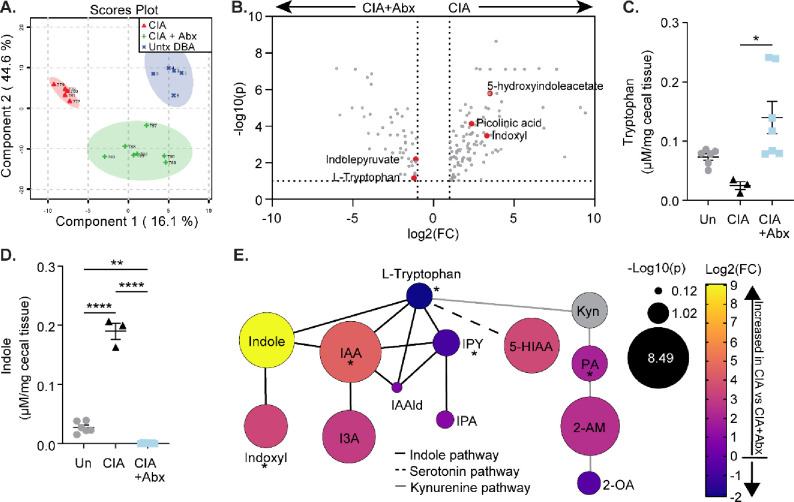
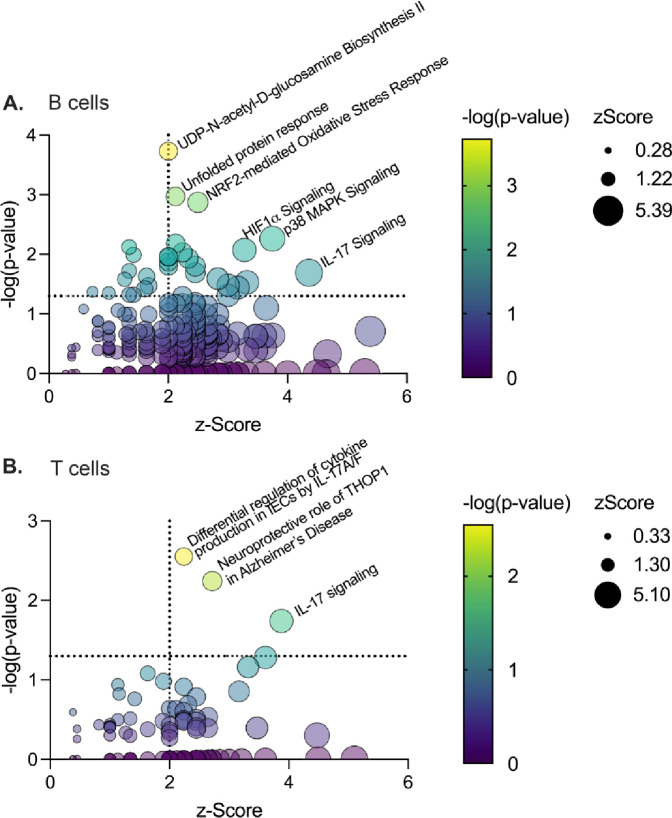
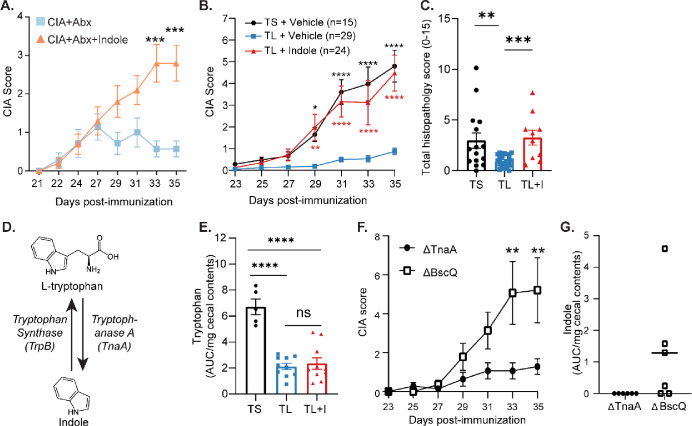
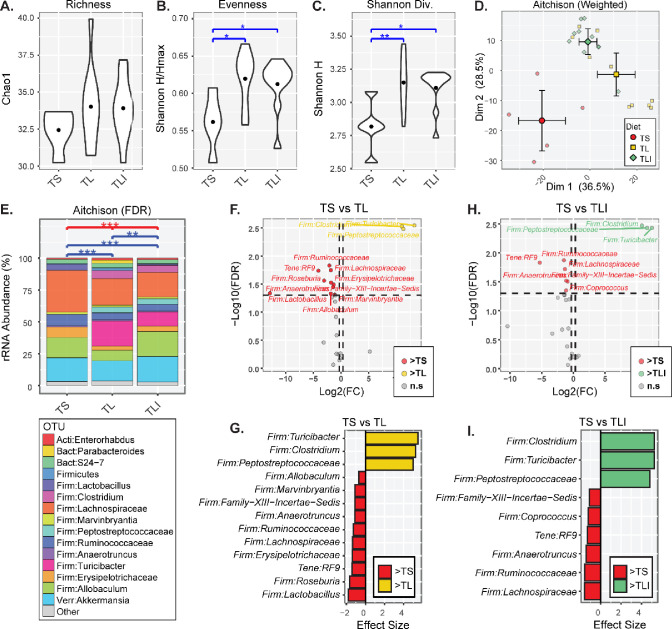
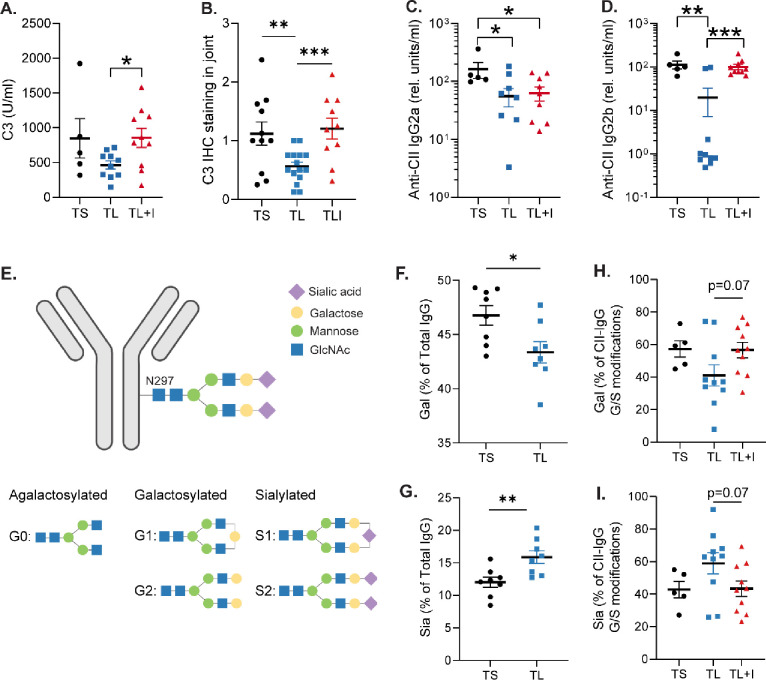
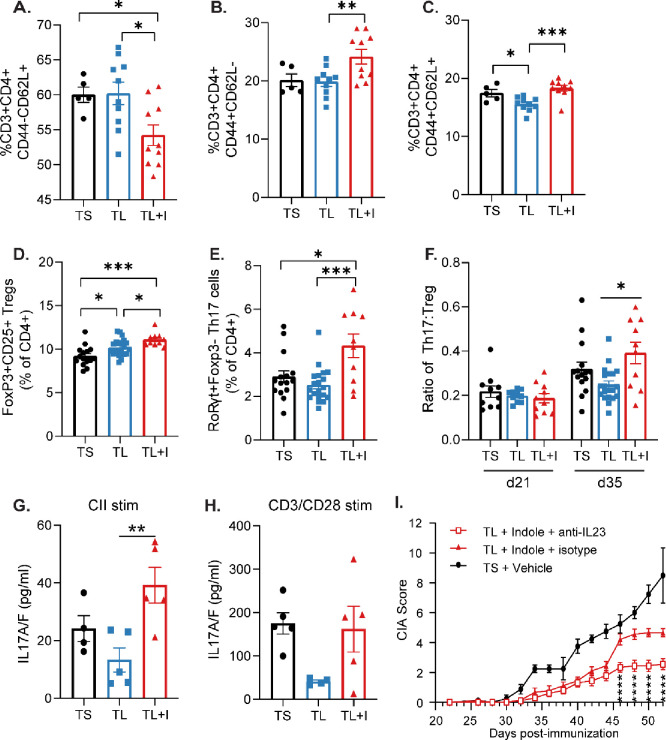
Altered tryptophan catabolism has been identified in inflammatory diseases like rheumatoid arthritis (RA) and spondyloarthritis (SpA), but the causal mechanisms linking tryptophan metabolites to disease are unknown. Using the collagen-induced arthritis (CIA) model we identify alterations in tryptophan metabolism, and specifically indole, that correlate with disease. We demonstrate that both bacteria and dietary tryptophan are required for disease, and indole supplementation is sufficient to induce disease in their absence. When mice with CIA on a low-tryptophan diet were supplemented with indole, we observed significant increases in serum IL-6, TNF, and IL-1β; splenic RORγt+CD4+ T cells and ex vivo collagen-stimulated IL-17 production; and a pattern of anti-collagen antibody isotype switching and glycosylation that corresponded with increased complement fixation. IL-23 neutralization reduced disease severity in indole-induced CIA. Finally, exposure of human colon lymphocytes to indole increased expression of genes involved in IL-17 signaling and plasma cell activation. Altogether, we propose a mechanism by which intestinal dysbiosis during inflammatory arthritis results in altered tryptophan catabolism, leading to indole stimulation of arthritis development. Blockade of indole generation may present a novel therapeutic pathway for RA and SpA.
在类风湿性关节炎(RA)和脊柱关节炎(SpA)等炎症性疾病中已发现色氨酸分解代谢发生改变,但色氨酸代谢产物与疾病之间的因果机制尚不清楚。我们使用胶原诱导的关节炎(CIA)模型来确定色氨酸代谢,特别是吲哚的改变与疾病相关。我们证明细菌和膳食色氨酸都是疾病发生所必需的,并且在它们不存在的情况下补充吲哚足以诱发疾病。当给低色氨酸饮食的CIA小鼠补充吲哚时,我们观察到血清IL-6、TNF和IL-1β显著增加;脾脏RORγt+CD4+ T细胞和体外胶原刺激的IL-17产生增加;以及抗胶原抗体同种型转换和糖基化模式,这与补体固定增加相对应。IL-23中和降低了吲哚诱导的CIA的疾病严重程度。最后,人结肠淋巴细胞暴露于吲哚会增加参与IL-17信号传导和浆细胞活化的基因的表达。总之,我们提出了一种机制,即炎症性关节炎期间的肠道微生物失调会导致色氨酸分解代谢改变,从而导致吲哚刺激关节炎发展。阻断吲哚生成可能为RA和SpA提供一种新的治疗途径。